


Six centuries of Tuscan wine, a Loire château dated to the year 1000, and a 15th-century Florence palazzo mortgaged to buy the family company back. Not one of these families publishes what any of it is worth.
Search for the oldest family fortunes in Europe and a number will come back at you within seconds, formatted like a fact. The research behind this piece turned up something less flattering: a wave of AI-generated “net worth 2026” pages on the Rothschild and Wallenberg families, flooding results through the middle of this year, none of them carrying a named source. Meanwhile Julius Baer published a wealth-insights feature on the world’s oldest family businesses in April 2026, and the only genuinely new material on the subject came from a September 2025 trade interview with a Tuscan winemaker discussing tariffs.
That is the state of the genre. The families who have held their money longest are the ones who disclose least, which is not a coincidence, and the internet has filled the silence with arithmetic nobody performed.
So here is the honest version: ranked by the age of the fortune, with the people currently in charge, the asset that carried it, and a figure only where a named source has published one.
How do you rank a fortune by age, and what counts?
The ranking is by the documented founding date of the business that still sits in the family’s hands, not by the age of the surname. A family may trace itself to the eleventh century and have nothing left but a crest; that does not qualify. What counts is continuity of ownership of a working asset: vines, land, a bank, a house that earns.
Figures are another matter. Where a named source publishes revenue, it appears below with that source attached. Where no named source publishes a net worth, none appears, and you should treat any page that offers you one as fiction until it names who counted. We have taken the same approach elsewhere: our ranking of Europe’s young royals found five heirs apparent under 30 with not a single personal fortune published by a credible named source, and said so rather than guessing.
Nothing here is pegged to a news event. These rankings move when a generation does.
How old is the Antinori wine fortune, and who runs it now?
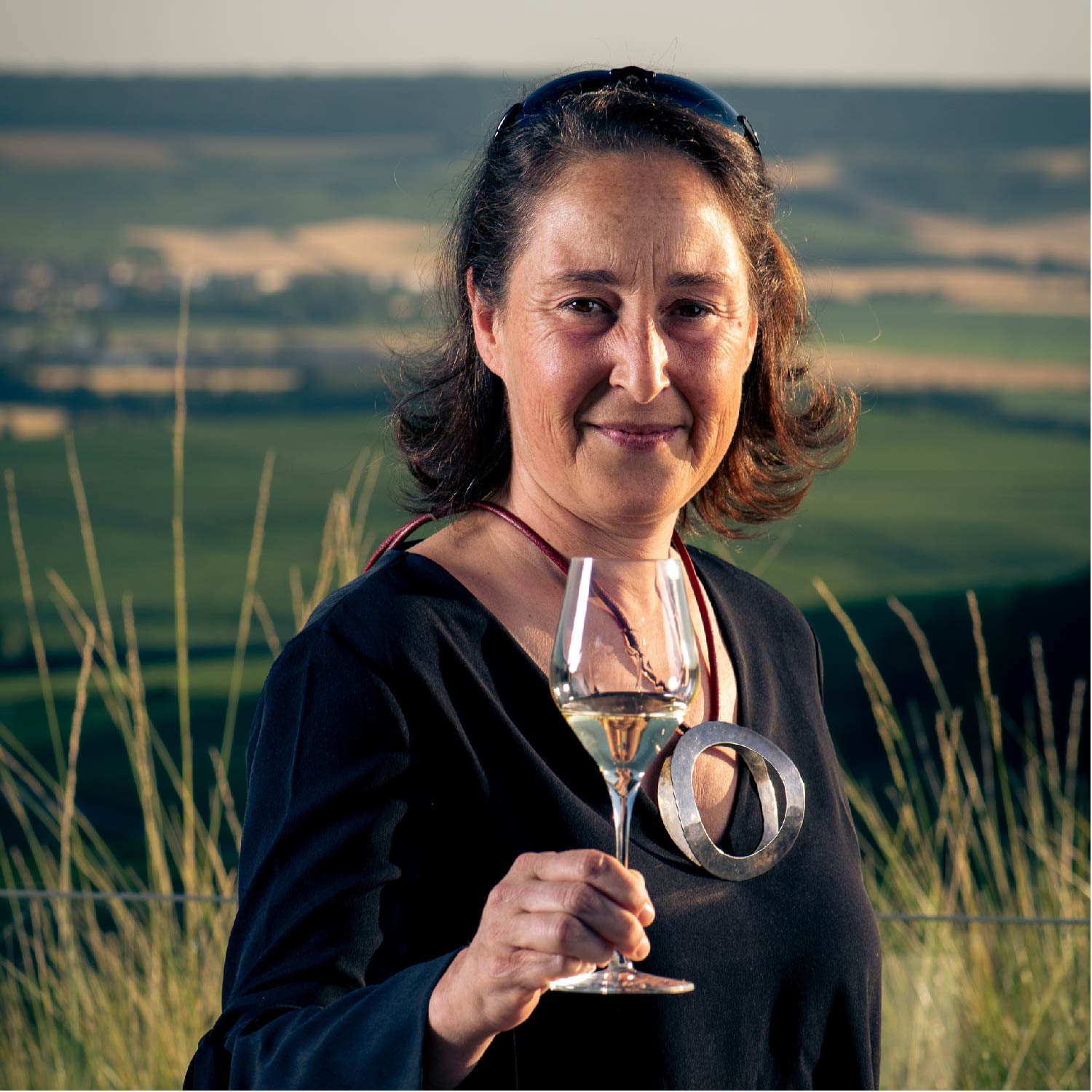
The Antinori family has been making wine since at least 1385, when Giovanni di Pietro Antinori registered with the winemakers’ guild in Florence. Six hundred and forty-one years later the firm is run by Albiera Antinori, the 26th-generation chief executive and president, and the first woman to lead it. She is 58, and she and her two sisters make up that 26th generation.
The moment that explains the family better than any vintage note came in 1981. To buy out his brother and sister, Piero Antinori sold a sizeable stake in the company to a large British drinks corporation. A decade later, wanting it back, he took out a loan against the family’s 15th-century Florence palazzo and repurchased the shares.
Consider the collateral. A building the family had owned since the Renaissance was pledged to a bank so that the company could stop having an English shareholder. Most people mortgage the house to buy a business. The Antinori mortgaged the house to un-sell one.
There is no published net worth for the family, from any source worth citing.
Who runs Frescobaldi, and how much does it sell?
Lamberto Frescobaldi joined the family business in 1989 and became president in 2013. He is the 30th generation to head Marchesi de’ Frescobaldi, which puts four more generations behind him than his Florentine neighbours, in the same city, in the same trade.
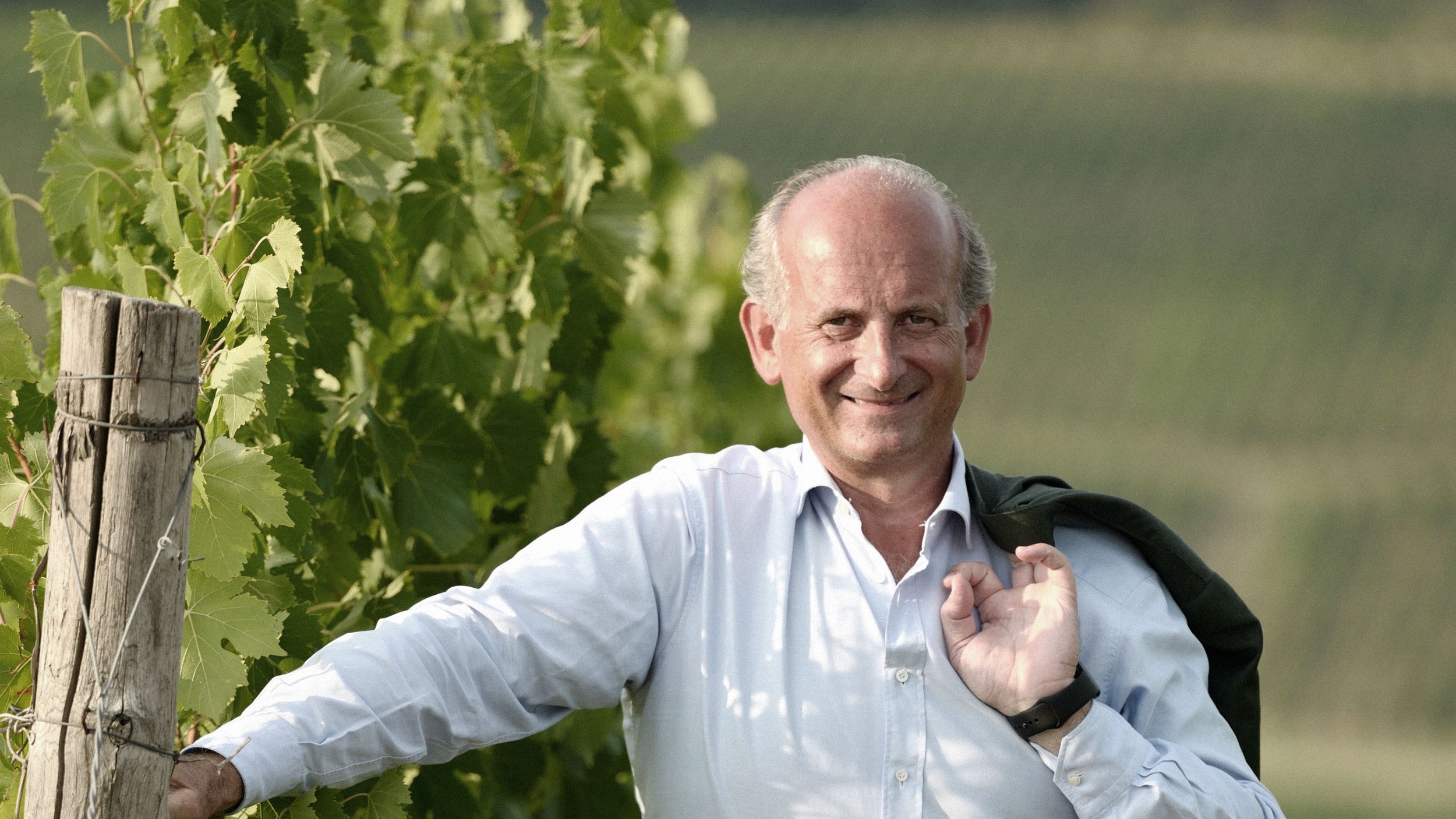
Frescobaldi is also the rare old-money European house that will tell you a number. Marchesi Frescobaldi has annual sales of $171 million, of which roughly 16 per cent comes from the United States, according to Shanken News Daily’s September 2025 interview with Lamberto Frescobaldi. That is sales, not wealth, and the distinction matters: revenue is a business fact, and the family’s private balance sheet remains exactly that.
The other detail from that interview is the one to keep. In 2023, after three decades of his presidency and thirty generations of Tuscan holdings, the company made its first acquisition outside Italy. It bought Domaine Roy & Fils, in Oregon.
What is Château de Goulaine, and why does it rank near the top?
France’s Château de Goulaine dates all the way back to the year 1000, and is tied for second on Family Business Magazine’s global ranking of the oldest family enterprises. That places the estate roughly four centuries ahead of the Antinori guild registration, and puts its founding a generation before the Norman conquest.
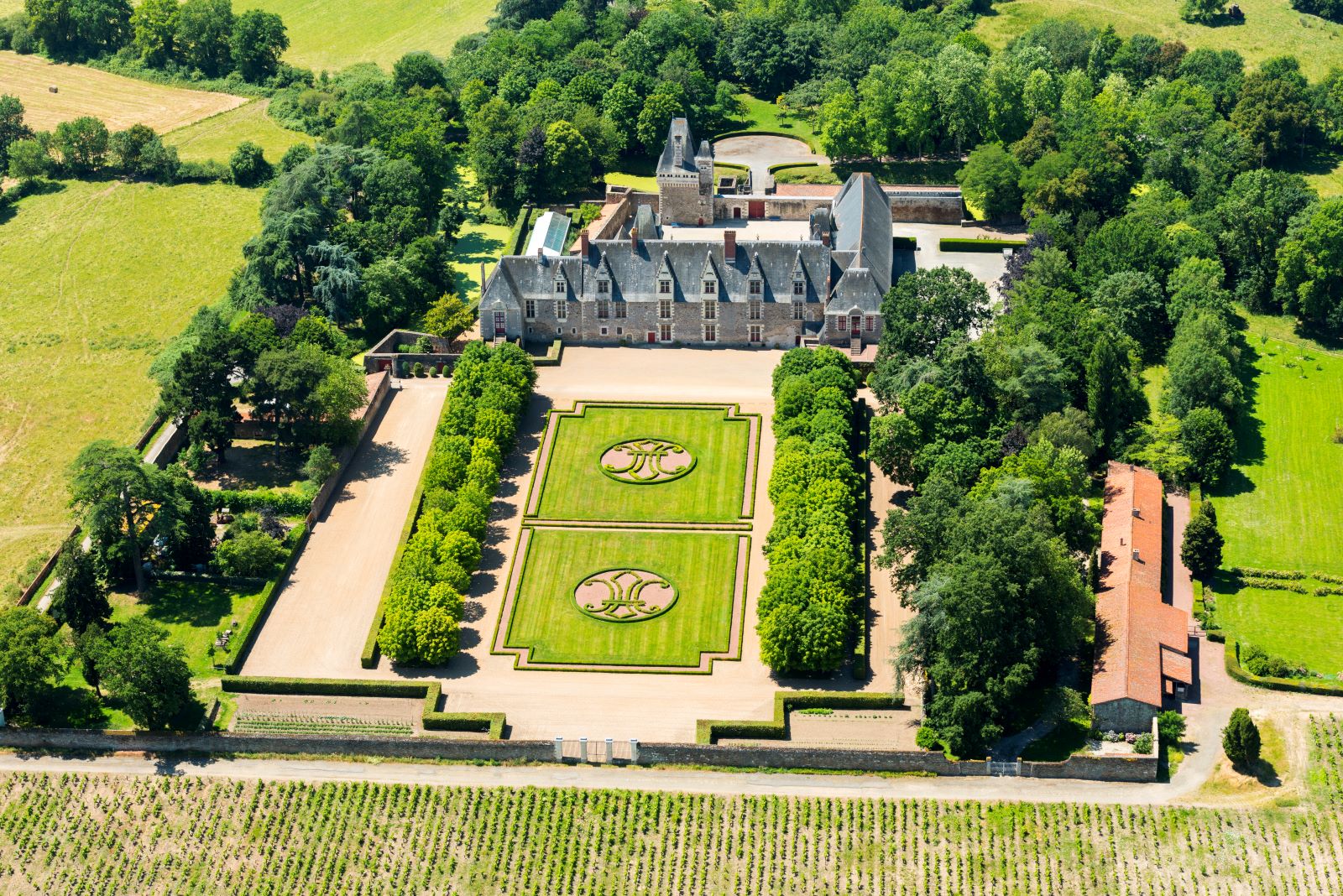
The château is the reason the “oldest fortune” question has no tidy answer. Wine houses can be dated by a guild ledger. A landed estate is dated by whoever kept the deed, and the deeds that survived a millennium in the Loire are a different species of record.
Why can’t anyone tell you what the Antinori family is worth?
Because nobody in the family has said, and the company is private. The disclosure obligations that force a listed business to publish revenue, margin and shareholder splits do not apply to a private firm. What reaches the public is what the family chooses to mention in an interview, which in the Antinori case has been the story of a palazzo and a loan rather than a balance sheet.
This is also why the AI pages exist. Demand for a number is constant, supply is zero, and a machine that has read a thousand celebrity net-worth articles will happily produce one. The tell is always the same: no named counter, no date, no methodology.
A fortune that has lasted 26 generations has had ample opportunity to become famous for its size. It declined.
What about the Rothschilds and the Wallenbergs?
They are the two most searched names attached to this question, and they are the two where the search results have deteriorated most: through mid-2026, the pages promising a Rothschild or Wallenberg “net worth 2026” were overwhelmingly machine-written, with no named valuation source behind them.
DDW is not going to add a figure to that pile. What can be said with confidence is that both names belong to the category the Julius Baer feature was addressing in April 2026, the family enterprise measured in centuries rather than quarters, and that neither family publishes a consolidated number for outsiders to rank.
If a page gives you one to the decimal place, ask who did the counting.
What actually keeps a fortune in one family for thirty generations?
Look at what these assets have in common. Vines, land and a château are illiquid, slow to appreciate, expensive to hold and almost impossible to divide neatly among siblings. Those are usually described as drawbacks. Over thirty generations they function as a lock.
The Antinori buyback shows the mechanism under stress. A sibling wanted out in 1981, which is the ordinary way old fortunes dissolve, and the solution was to bring in an outside shareholder temporarily rather than break the asset up. The expensive part was undoing it, and the family paid that price by putting the palazzo on the line. British ownership of a slice of the company lasted about a decade. The vines did not change hands.
Frescobaldi’s version is gentler: a president who joined at the bottom in 1989 and waited 24 years for the top job. Succession by patience is cheaper than succession by lawyer.
Rules of inheritance shape all of this, and not everyone born into them agrees with the rules.
What happens to these fortunes when the current generation goes?
That is the only thing that will change this ranking, and it is why the piece is written to be updated rather than dated. Albiera Antinori is 58 and shares her generation with two sisters, which means the Antinori 27th generation is a question the family will answer on its own schedule, in Florence, without a press release. Lamberto Frescobaldi became president in 2013 and has spent the years since buying rather than selling.
The reasonable expectation is more of the same: no valuation, no listing, no number for the aggregators to scrape. The next verifiable fact about either house will be a name or an acquisition.
Lamberto Frescobaldi is the 30th of his line to run the firm. He is the first to own vines in Oregon.