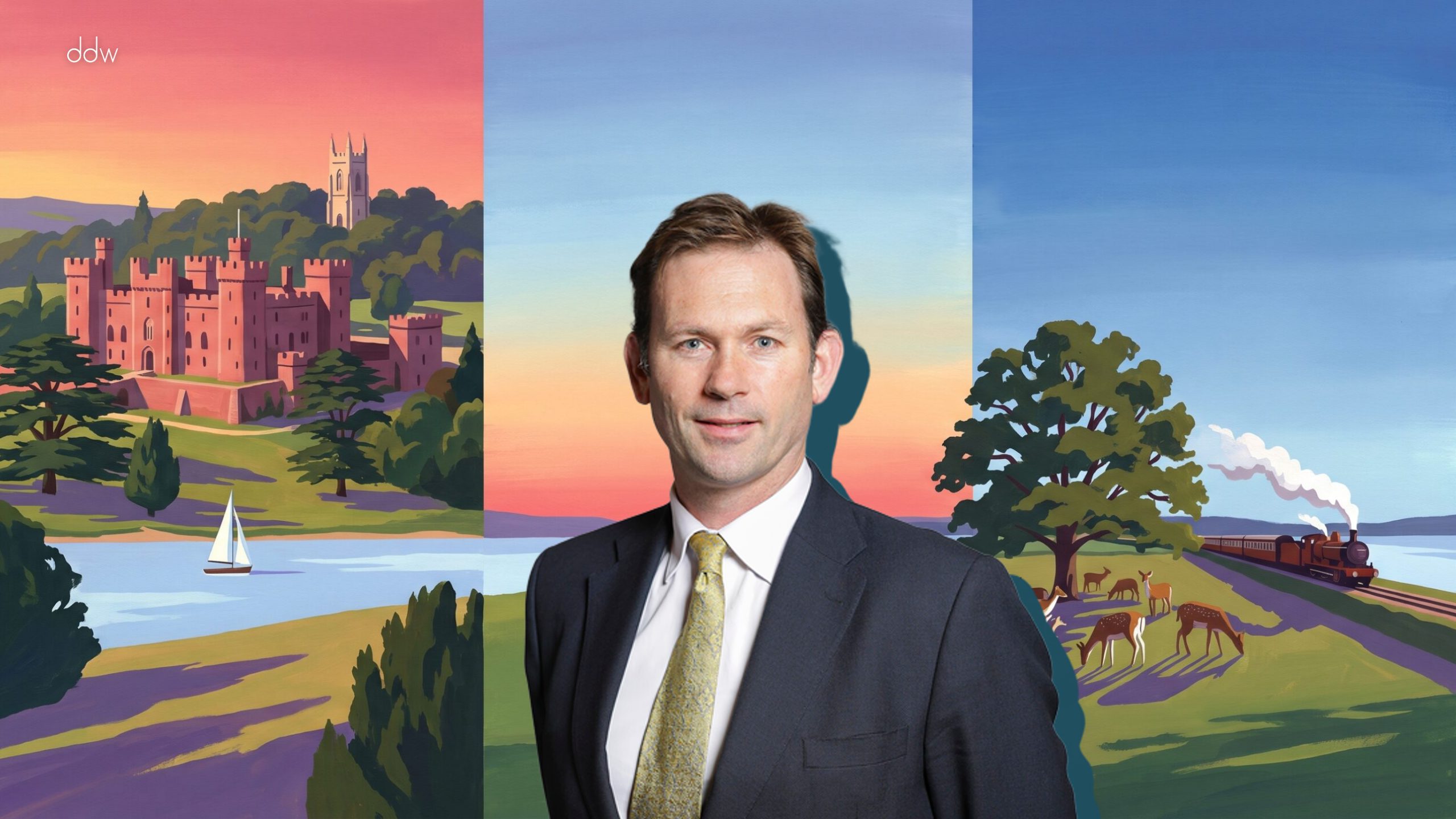
George Spencer-Churchill is heir to a dukedom whose palace drew 980,678 visits in 2025 and whose charity takes in almost £31m a year, and neither Forbes nor Bloomberg has ever put a figure on him.
The largest hard number anywhere near George Spencer-Churchill, Marquess of Blandford, is £30,955,000, and it belongs to a charity.
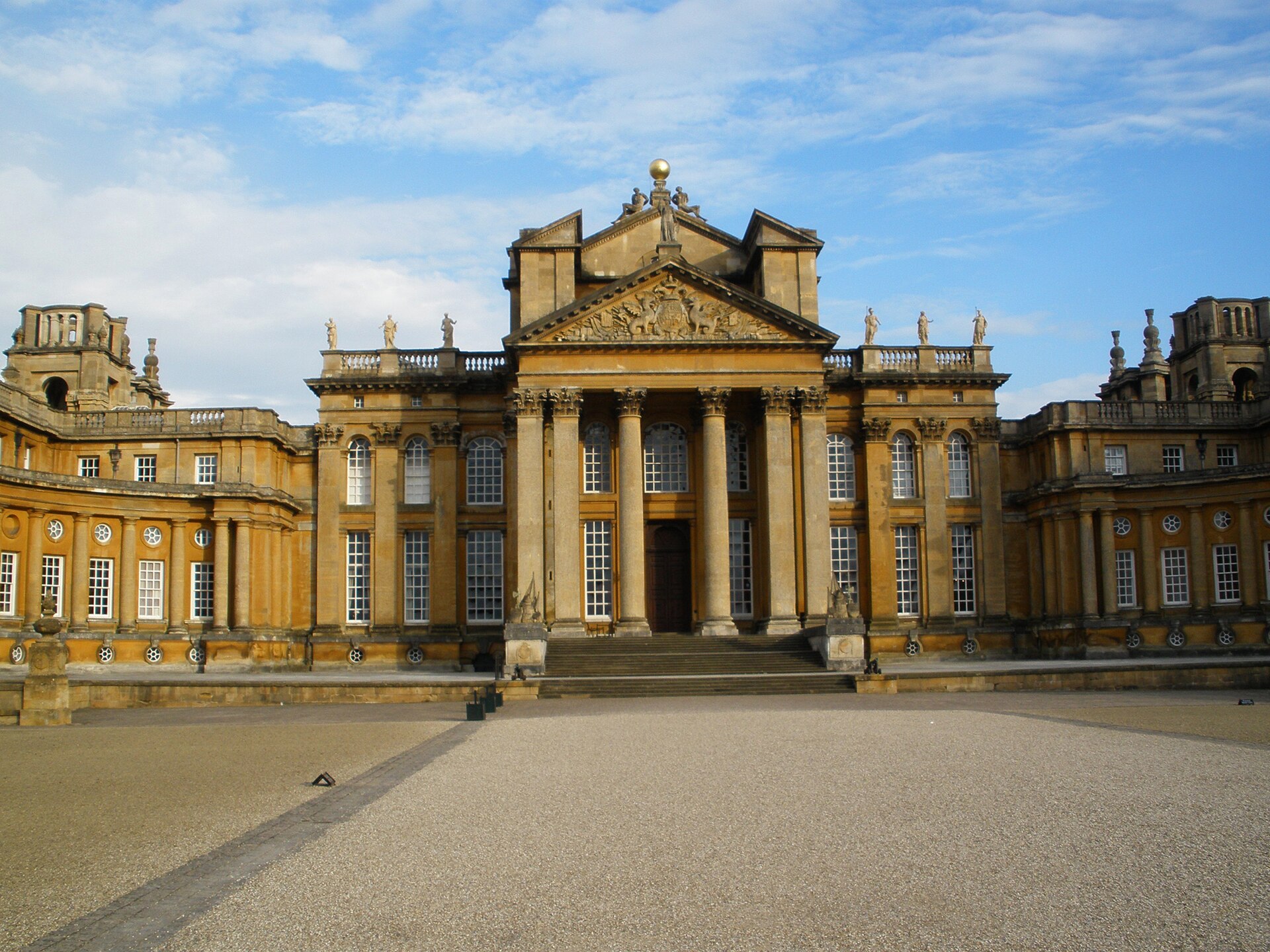
Forbes and Bloomberg have published no net worth for him. He is 34, and he is the eldest son and heir apparent of the 12th Duke of Marlborough, of Blenheim Palace, a house that Historic Houses counted as the most visited of all its member places in 2025. Anyone who wants to put a price on the heir has to start with the house. The house turns out to be run by trustees.
For any British fortune the first place to look is the Sunday Times Rich List, whose 38th edition went online on 15 May 2026 and into print two days later. The Sunday Times says the 350 richest people and families on it share £784bn between them. It describes its figures as estimates of minimum wealth, with valuations made between November 2025 and 24 April 2026. A list built that way measures families, companies and estates rather than eldest sons, however promising, and any Rich List entry carrying the Marlborough name would be valuing the family or the estate, never the heir.
34 years
His marriage notice, published by Peerage News in September 2018, gives his date of birth as 28 July 1992 and sets out the line plainly. He is the son and heir of the 12th Duke of Marlborough, born 24 November 1955, of Blenheim Palace, by his first wife, the former Rebecca Mary Few Brown. The Duke turned 70 last November, which lends the Blandford style the faintly provisional air of a very well-furnished waiting room.
Dukes, marquesses and earls belong to the peerage. Scotland keeps a hereditary rank of its own outside it, the Scottish barons.
On 8 September 2018 he married Camilla Elizabeth Antonia Thorp at the Church of St Mary Magdalene, Woodstock. She was born in 1987, the eldest daughter of James Nicholas Thorp and Philippa Clare Thomas, and she is descended from the Tempest baronets, a detail peerage notices are never too busy to include. Musicians Inc, which says it provided the entertainment, says the couple held their wedding at Blenheim Palace. That is a supplier’s account, though a confident one.
Earlier DDW coverage of the Marquess of Blandford dealt with the title. The money is a separate matter, and it lives in the filings.
100%
Blenheim Palace Heritage Foundation is a company limited by guarantee, registered with the Charity Commission as charity 1166164 on 22 March 2016 and at Companies House as 09430048. Its accounts for the year to 31 March 2019 state that it owns 100% of Blenheim Visitors Limited. The ticket desk, the shop and the café queue therefore belong to the charity’s side of the house.
The trustees’ report for the year to 31 March 2020 describes the machinery. The Trustees of the Blenheim Estate meet quarterly and receive monthly management accounts. Decisions about the daily running of the place are delegated to a senior management team employed by Blenheim Visitors Limited, the wholly owned subsidiary. The charity gives its aims as restoring and preserving Blenheim for the public benefit and promoting the study and appreciation of the place as one of historic and architectural interest and natural beauty.
For anyone tempted to add the gate receipts to the heir’s personal column, that settles it. The visitor business sits inside a charity, with trustees above it and professional managers beneath, and no heir apparent appears anywhere on that organisation chart as an owner of the income. Nobody inherits a charity, which is rather the point of having one.
£30,955,000
According to the Charity Commission’s annual-return data, the Heritage Foundation took in £30,955,000 in the year to 31 March 2025 and spent £27,787,000. Seven years earlier, in the year to March 2019, income was £17,764,000 against spending of £15,063,000. Across that span the charity’s income has grown by about three-quarters.
The path between those two points has been far from smooth. Income was £16,939,000 in the year to March 2020, when spending reached £18,175,000. That was the only one of the seven years in which the charity spent more than it took in. A year later income was £17,580,000 and spending had been cut back to £14,210,000.
Then came the jump. In the year to March 2022 income rose to £27,210,000, against spending of £17,572,000, which left the widest margin of the period. It eased to £22,440,000 the following year, with spending at £21,553,000. It then climbed to £28,885,000 in the year to March 2024, with £26,757,000 going out, before reaching the latest figure.
Those numbers describe a charity’s income. They are neither the turnover of the whole Blenheim estate nor any measure of what the Duke or his heir is worth.
980,678 visits
The Historic Houses survey counted 980,678 visits to Blenheim Palace in 2025, enough to put it at the top of the trade body’s member places. The palace’s own count for the year ended March 2020 was 950,000 visitors, paid and unpaid. On both of those counts the house came within touching distance of a million visits, and the 2025 survey figure is the closer of the two.
The charity’s 2019 accounts give a sharper number. At the end of March 2019 paying visitors stood at over 660,000, against a stated goal of more than 750,000. The distance between the paying crowd and the total crowd is the one figure in the whole set that a house manager would check before any other, because it separates the people who bought a ticket from the people who were counted as they walked through.
Blenheim also measures the money it sends out of the gates. In its paying-visitor figures the palace says visitors spent £53m beyond the estate, up from £47m. That £53m goes to the hotels, pubs and tea rooms of the surrounding district. On any honest reckoning it belongs to Oxfordshire rather than to a marquess.
2 companies
Behind the charity sit companies whose names carry the estate’s. Blenheim Estates Properties Limited, company 05090932, was incorporated on 1 April 2004, has its registered office at the Estate Office, Blenheim Palace, and has filed accounts made up to 31 March 2026. Blenheim Estate Homes Limited, company 10748535, was incorporated on 2 May 2017 at the same Estate Office address, and it began life as Blenheim Housing Limited.
The change of name from Housing to Homes reads like the work of a marketing meeting. The registered office is the more useful fact, because it ties both companies to the palace rather than to any of the other Blenheims at Companies House.
There are several of those, including a Blenheim Estates Limited in Stanmore, company 03443117, which has nothing whatever to do with the Duke of Marlborough and has no doubt fielded the odd confused enquiry.
Any serious reckoning of what the family holds through property would start with those filed accounts. It would also have to keep the companies, the charity and the family firmly apart, since the documents themselves do exactly that.
£340m
The Sunday Times set the entry point for its 2026 list at £340m. Whatever the 12th Duke’s place in that ranking, if he has one, the newspaper’s method values a family and its estate as they stood between November 2025 and April 2026, and it says nothing about what a son of 34 holds in his own name.
That answers the question most people bring to this page. George Spencer-Churchill, Marquess of Blandford, has no published net worth: Forbes and Bloomberg have put no figure on him, and any number in circulation without a named source behind it is a guess. What is on the public record is the house he stands to inherit the family’s place in. A charity owns the business that runs it, trustees meet four times a year to oversee it, two companies are registered at its Estate Office, and the charity’s income came to £30,955,000 in the year to March 2025.
In six of the last seven years the charity spent less than it took in. The house pays its way.