Britain still has its dukes, a House of Lords with none of them in it by birth, and a Rich List on which a lord from industry outranks the Grosvenors.
In plain English, an aristocrat is a member of a family whose title passes down the generations. The trouble begins with the four words that keep it company: noble, peer, gentry and old money. Debrett’s and Britannica supply the definitions below. The Sunday Times Rich List of 15 May 2026 supplies the fortunes, which are estimates of family wealth rather than audited accounts. Where the law has never drawn a line, as with gentry and old money, the test is DDW’s own.
An aristocrat usually holds a hereditary title, and “usually” is doing the work
Britannica defines the British nobility as members of the upper social class who usually hold a hereditary title, and it places the titled nobility inside the peerage. That makes the word social first and legal second, if at all. No statute or Act of Parliament tells anyone whether they qualify, which is why the sensible keep the label for people who are plainly inside it. The clearest case sits at the head of the English list. Debrett’s names the Duke of Norfolk as premier duke and earl of England, and the Duke is also Earl Marshal, a hereditary office that after 1999 carried a seat in the Lords by itself. He is an aristocrat by every definition, including the ones that disagree with each other.
Peerages come in five ranks, from duke down to baron, and one person can hold several
Debrett’s gives the ranks in descending order of precedence as duke, marquess, earl, viscount and baron. Britannica gives the same five, which is about as close to unanimity as this subject gets. Debrett’s counts 24 dukes, not including royal dukes, and they hold 29 dukedoms between them. The gap between those two numbers is the clue. One individual can hold several peerages of different ranks, created or inherited at different times, so a single duke may carry a marquessate and a barony in the same pocket. Old families accumulate titles the way old houses accumulate umbrellas.
Every life peer is a peer, yet Britannica does not count every life peer as nobility
The prime minister nominates life peers and the monarch appoints them. They serve for life, every one of their titles is a barony, and none of those titles is inherited. Britannica draws the conclusion that follows: life peers belong to the peerage but are not necessarily part of the British nobility. “Peer” is therefore a constitutional word and “aristocrat” a social one, and the two overlap far less than the ermine suggests. Until the spring of 2026, Full Fact put hereditary peers at about one member of the Lords in ten. The rest were life peers or Lords Spiritual, which means the chamber was already mostly appointed long before anyone moved to change it.
A 1999 compromise left hereditary peers in the Lords for another quarter-century
The House of Lords Act 1999 removed most hereditary peers’ right to sit, and what survived it was meant to be temporary. The Lords Library records that the “Weatherill amendment” let 92 hereditary peers remain while long-term reform was decided. Hereditary peers could stand for 90 “excepted” places. The remaining two seats belonged to the Earl Marshal and the Lord Great Chamberlain, who sat by virtue of their offices and not by election. Long-term reform then took the best part of three decades to arrive. Nothing in British constitutional life lasts quite like a stopgap.
Since April 2026, no one sits in the House of Lords by right of birth
Full Fact records that Labour’s 2024 manifesto pledged to remove the seats kept back in 1999. The Starmer government introduced its bill in September 2024. The bill cleared its final Lords stages on 10 March 2026, and the House of Lords (Hereditary Peers) Act 2026 received Royal Assent on 18 March. The Commons rejected amendments that would have let the existing hereditary peers stay, and the Lords did not press them. When the session ended on 29 April, 76 excepted hereditary peers, and one more on leave of absence, left the chamber, and the Upper House became a place of life peers and Lords Spiritual alone. The Act took away the entitlement to sit and vote by virtue of a peerage. The titles themselves stayed with their holders, so the dukes are still dukes, and calling any of them a former peer would be a solecism. Section 3 also abolished the Lords’ jurisdiction over claims to hereditary peerages, including those in abeyance. That is unwelcome news for anyone who had been patiently working up a case for a great-grandmother’s barony. Debrett’s explainer on ranks and privileges still describes the arrangement that ended in April.
On the Sunday Times Rich List, a lord from industry ranks above the Duke of Westminster
The Sunday Times Rich List places the Duke of Westminster and the Grosvenor family 18th, with an estimated £9.677bn. The fortune is a matter of land. The Chester Standard reports that the Grosvenor Estate owns around 300 acres in Mayfair and Belgravia, along with property and land near Eaton Hall, and the Chester Grosvenor Hotel. The entry covers a family and the structures that hold its estate, so it should never be read as one man’s current account (the back-story of how the Duke of Westminster came to it is its own saga). Ahead of the Grosvenors on the same list sit Lord Bamford and family, whose fortune is JCB. The lord outranks the duke on the one list that measures money, and the duke outranks the lord everywhere else.
Gentry means landowners without a peerage, which is where baronets belong
Paullett Golden’s etiquette blog defines the gentry as landowners who are not peers, and it places baronets, knights and squires among the landed gentry. According to Study.com, a baronetcy is the only hereditary title that sits outside the peerage and the nobility. That makes the baronet the most interesting guest at the table: the title passes to an heir exactly as a duke’s does, yet its holder is not a peer. Whether a baronet counts as an aristocrat depends on what the word is being asked to do. Golden’s blog notes that a baronet is often considered one when “aristocrat” means a social caste rather than the holding of a peerage. DDW’s test is simpler. It asks for a hereditary title, land, and a family that has held both long enough for neither to be remarked upon.
Old money has no legal definition, so the test is how quietly a fortune sits
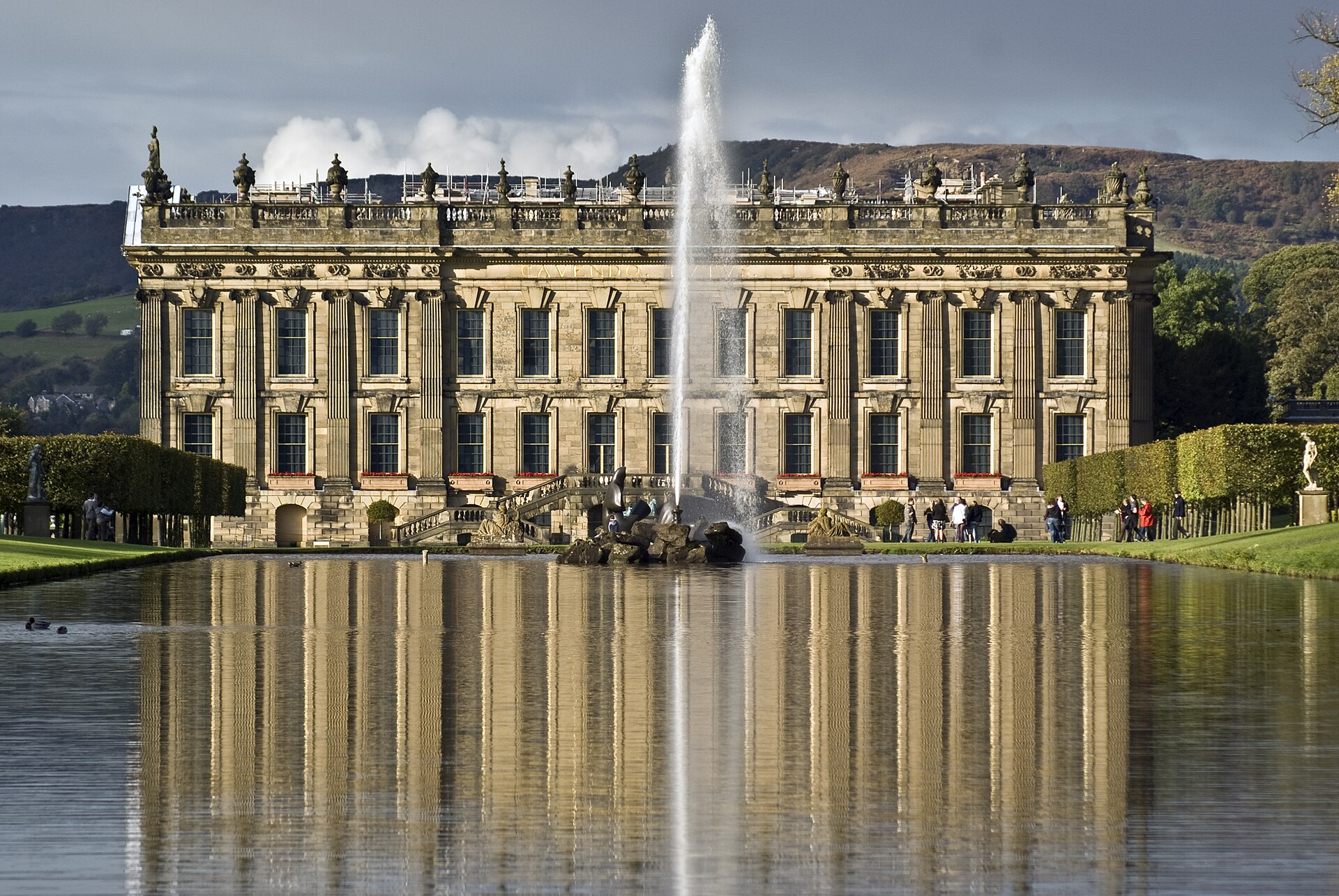
No statute or register defines old money, and anyone who claims otherwise is selling a course. DDW’s working test asks whether a fortune is held in land and houses rather than made fresh each year, and whether its number barely moves from one Rich List to the next. By that measure the entry worth studying belongs to the Duke of Devonshire, whose family seat is Chatsworth. The Buxton Advertiser reports that the 2026 list puts the Duke at £915m, almost exactly where he stood a year earlier. The same list estimates the King’s wealth at £680m. The man at the top of the whole system sits outside the peerage altogether, and on this one measure he sits below one of its dukes.
The obvious next question is whether anyone can still become an aristocrat, and the modern route into the peerage is a life peerage, nominated by the prime minister, appointed by the monarch and always a barony. The title belongs to its holder for life, and then it belongs to nobody.
Cover photograph: Allan warren via Wikimedia Commons (CC BY-SA 3.0).