
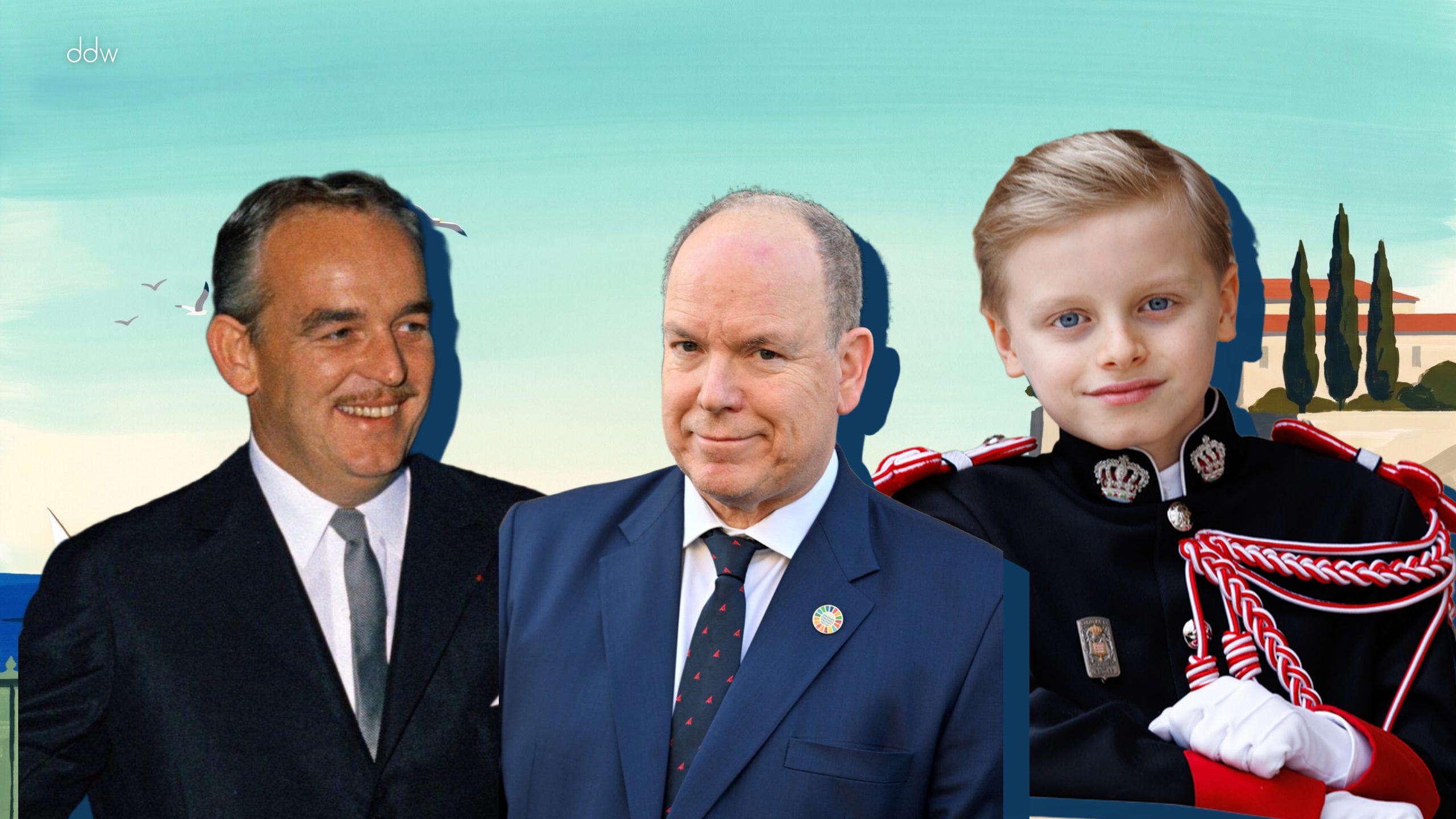
Four children, one throne, and a constitution that legislates only the throne. Albert II’s twins arrived on the same day in December 2014, minutes apart, and those minutes settled the succession. They settled nothing about the money.
Monaco’s succession rule is read almost everywhere as an inheritance rule. It decides who becomes Sovereign Prince, and it decides nothing else. The constitutional text runs to a sentence or two; the private estate it is assumed to govern has never been published, audited or described by the Palace.
A word on the numbers before the names. Monaco publishes government financial reports covering state revenue and expenditure. It publishes no personal balance sheet for its sovereign, there is no disclosure filing, no regulatory requirement to report personal assets and no independent audit of Albert II’s private holdings. Every wealth figure below therefore arrives with the name of the outlet that produced it attached, because that is all any of them are.
Who becomes the next Prince of Monaco?
Jacques, Hereditary Prince of Monaco and Marquis of Baux, born 10 December 2014 to Albert II and Princess Charlene. He is eleven, and he has held the heir’s title since the day he was born, which is the whole point of the rule that gave it to him.
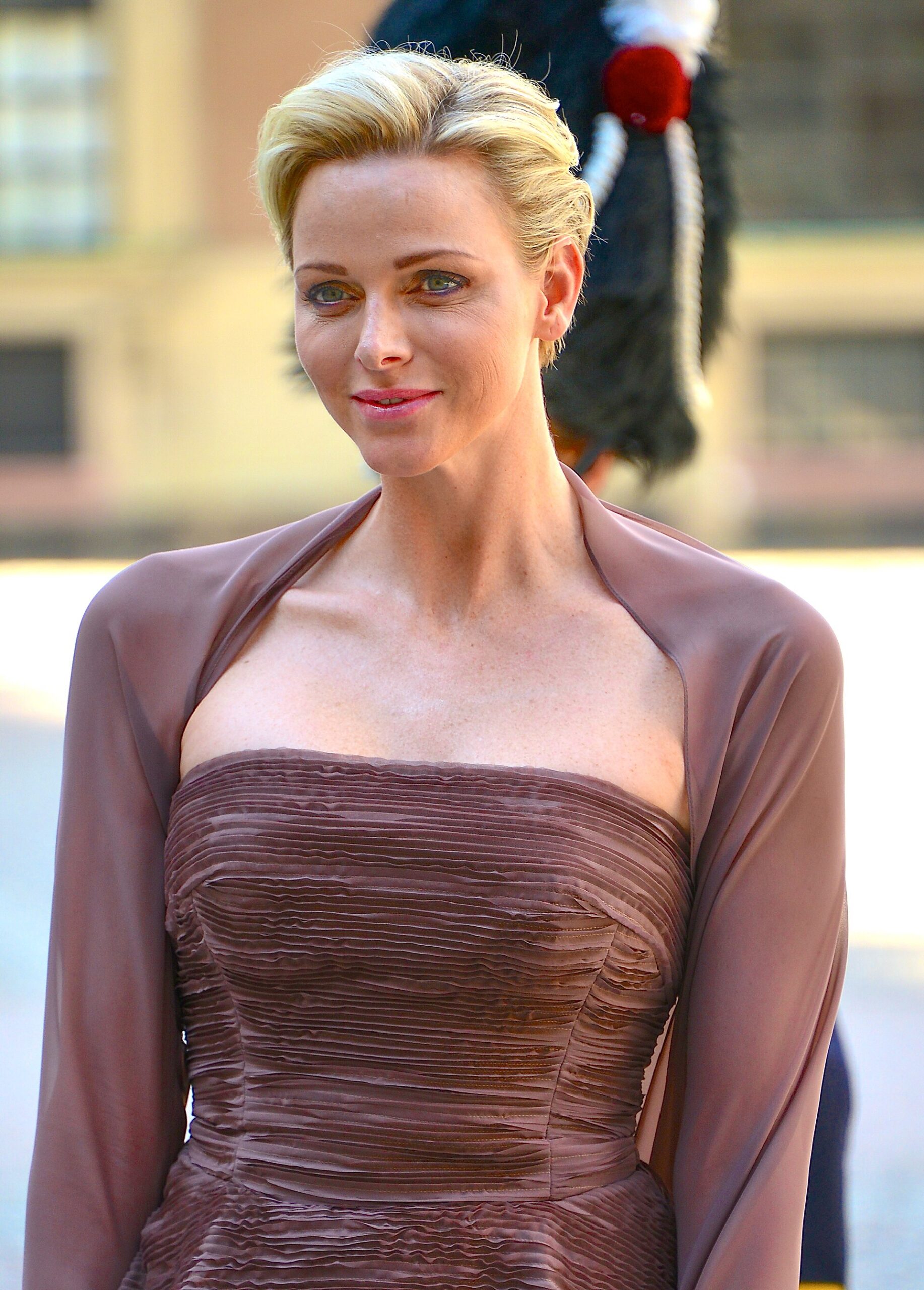
Article 10 of the constitution, in the form it took under Law n°1.249 of 2 April 2002, provides that succession to the Throne takes place by the direct and legitimate issue of the reigning prince, by order of primogeniture with priority given to males within the same degree of kinship. Three conditions sit behind that sentence. The child must be born to, or adopted by, the reigning prince or his siblings and their descendants; the parents must have married with the reigning prince’s consent; and the heir must hold Monegasque citizenship on the day the succession opens. Marrying without consent costs that person and their children their place in the line, though the rights can be restored if the marriage ends before the crown changes hands and produced no children.
The same rule explains the current sovereign. Albert II was the middle child of Rainier III and Grace Kelly, and the only son, so he was heir apparent from birth while his elder sister was not.
Why isn’t Princess Gabriella the heir, when she was born first?
Gabriella, Countess of Carladès, is Jacques’s twin and was born minutes before him, as royal-watch outlets have consistently reported. Under male-preference primogeniture, those minutes bought her the heir’s position for roughly as long as it takes to boil a kettle. She is second in line.
It is the detail people remember about the Grimaldis. Nothing in the 2002 reform touched the male priority clause.
Can Jazmin Grace Grimaldi inherit from Prince Albert?
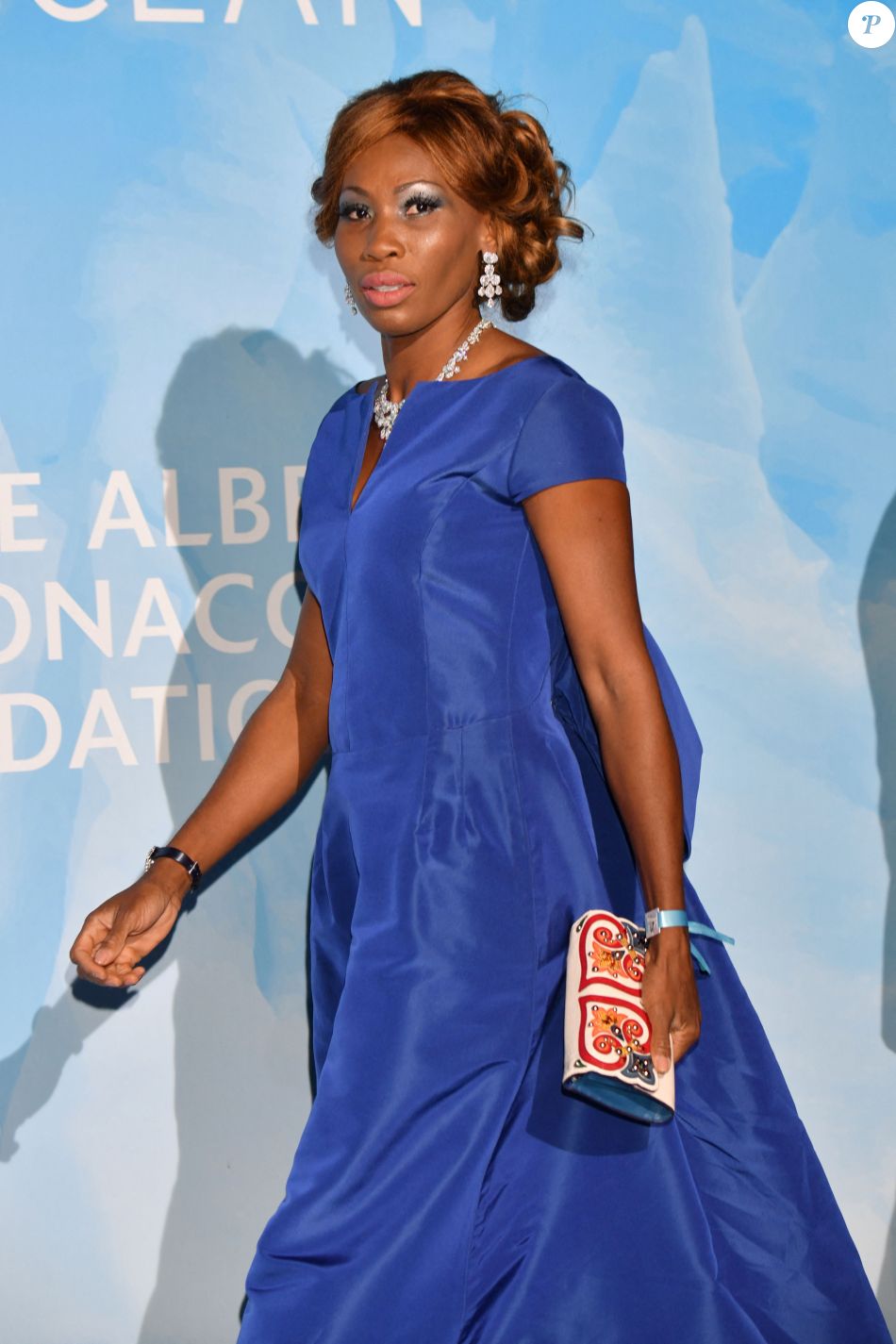
Jazmin Grace Grimaldi, born 4 March 1992 in Palm Springs, California, is Albert II’s first child, from his relationship with Tamara Jean Rotolo. The South China Morning Post describes her as an American actress and singer and sets out why she is not in the line of succession: her parents never married, which the constitution requires.
What she may receive from the private estate is a separate question, and a genuinely open one. The SCMP frames it as something she may still stand to inherit, which is a careful way of saying nobody has seen the paperwork. No will, trust instrument or Palace statement setting out shares of Albert II’s personal wealth has been made public. The throne rule is written down. The estate is not.
What about Alexandre Grimaldi-Coste?
Alexandre Grimaldi-Coste was born on 24 August 2003 to Albert II and Nicole Coste, which makes him the firstborn son of a serving Monegasque head of state and, under Article 10, no part of the line of succession. He is twenty-three and, speaking to the French magazine Point de Vue, said he was studying business and management at an English university.
He has also objected, firmly, to the word the press attaches to him, telling the same magazine, in remarks reported in English by The Royal Observer, that when he was born neither of his parents was in another marriage and they did not commit adultery, that using the word illegitimate is insulting, and that he had voluntary recognition from his father as a baby rather than recognition forced by a judge or the press.
In the same round of interviews, Nicole Coste said she had decided to speak publicly because the prince had not made good on a promise to register as the boy’s father on his own father’s death. The constitutional position is unchanged by any of it: a child born of adultery is barred from the succession outright, and a child whose parents never married cannot qualify as direct and legitimate issue.
Who actually owns the Monte Carlo casino?
Not the family, in any documented current sense. The casino, the Opéra de Monte-Carlo and the principal hotels sit inside the Société des Bains de Mer, a company listed on Euronext Paris in which the Government of Monaco is the majority shareholder.
How large that stake is depends on which snapshot you read, and the gap is wide enough to matter. One compiled ownership table puts the Government of Monaco at 59.47 per cent, with Equity Finance & Investment on 8.01 per cent, UFIPAR on 5 per cent and GEG Investment Holdings on 4.99 per cent. A separate exchange-data snapshot tied to SBM’s results for the full year ended 31 March 2026 shows the Government of Monaco at 39.74 per cent, or 9,742,458 shares valued at €1,532m, with LVMH on 5.004 per cent and Galaxy Entertainment Group on 4.997 per cent. The two figures have not been reconciled and may reflect different reporting dates or share classes. Treat either as a date-stamped reading rather than a settled fact.
One thing is consistent across both: the shareholder named is the government, not the prince. No current filing identifies Albert II personally as a disclosed shareholder in SBM. Irish Examiner reporting from the Rainier III era described the ruling Grimaldi family holding a 69.6 per cent controlling stake, which tells you something about the 1990s and nothing useful about 2026.
What is Prince Albert II’s net worth in 2026?
The circulating number is one billion dollars, and it comes from aggregators rather than anyone with access to the books. TBS News, listing the richest monarchs in the world, puts Albert II’s estimated net worth at $1bn and attributes it to his holdings in the Société des Bains de Mer. Celebritynetworth.com lists the identical figure. Celeblist.com carries $1bn with an August 2026 update stamp. A fourth tracker, richardgraygallery.com, repeats $1bn for 2026 and says the figure includes both personal wealth and assets of the principality under his care, a methodology that blends two things no accountant would blend.
A synthesis published by frenchcelebritynetworth.com notes the spread honestly: trackers tend to land between roughly $1bn and $2bn, Forbes has placed him in the billionaire range in past rankings, and Monaco’s royals are not followed the way the LVMH or Kering families are. The same outlet is blunt that there is no audit behind any of it. For comparison, the aggregator nichesss.com lists Princess Stéphanie of Monaco at $100m, with no methodology disclosed.
Be warned that at least one site publishing Albert II income figures runs on a satire format. If a number arrives attached to a cosmetics endorsement, it is not a number.
What happens if the line runs out?
Before 2002, the throne could only pass to the reigning prince’s direct descendants, a narrowness that haunted Monaco for most of the twentieth century. The reform opened the succession to the prince’s siblings and their legitimate descendants where no direct heir exists. Should the rules still leave the throne vacant, it passes to a collateral heir appointed by the Crown Council.
And the citizenship clause bites at the moment of truth rather than at birth: the throne can only pass to a person holding Monegasque citizenship on the day the succession opens. It is a small sentence with a large door in it.
Does the next Prince inherit the fortune too?
The two questions have been welded together by coverage that assumes the crown comes with the chequebook. Monaco’s constitution appoints a head of state. It says nothing about who receives a bank account, a share portfolio, a property or a painting, and the family that would know has never published a word on the subject. No Palace statement addressing inheritance of the private estate has been issued, and no litigation over it is on any court record.
So the position in 2026 is this. Jacques is the heir apparent, Gabriella is second in line, and Jazmin Grace Grimaldi and Alexandre Grimaldi-Coste are acknowledged children with no constitutional claim to the throne and no publicly documented claim to anything else. Jacques will inherit a job with a written rulebook. What else he inherits, nobody outside the Palace has seen in writing.
Cover photographs: Bruno Bebert / Bestimage via Purepeople; Monegasque2026 via Wikimedia Commons (CC BY-SA 4.0); Robert LeRoy Knudsen via Wikimedia Commons (Public domain).