

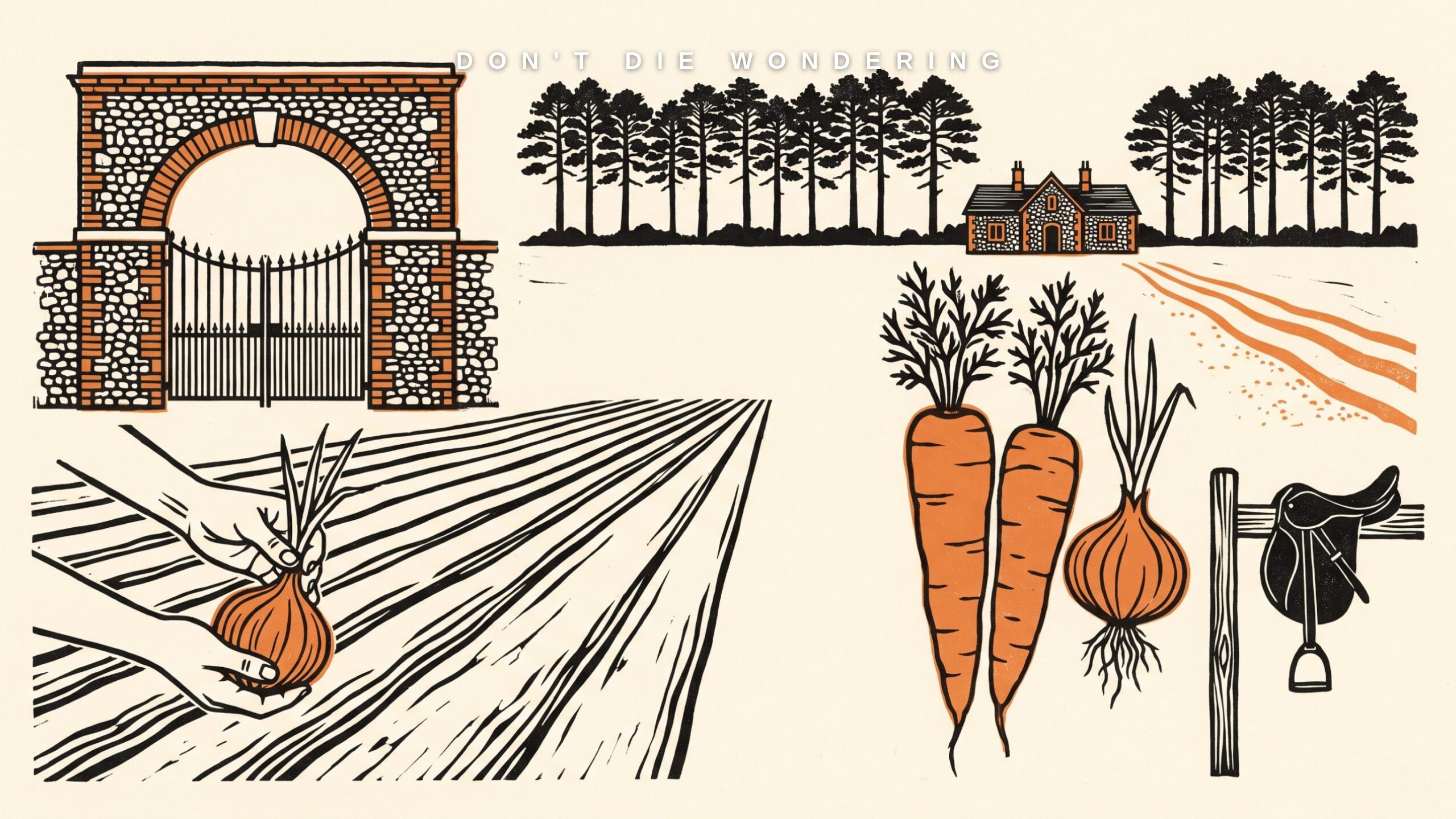
The Sunday Times Rich List puts the whole Guinness family at £856 million. The brewery left the family in 1997, the Dublin house went to the State in 1999, and 22,500 Suffolk acres stayed.
Netflix released all eight episodes of House of Guinness on 25 September 2025, Steven Knight’s dramatisation of the nineteenth-century family, and the searches that followed were not about 1868. They were about now: who holds the money, who inherits the title, what the heirs are actually worth. The drama is inspired by the family’s history rather than a record of it, so nothing in the script counts here.
A note on method, because the numbers vary wildly depending on where you look. Every figure below carries the outlet that published it and the year it was published. Aggregator-grade celebrity estimates are flagged as such and never treated as audited. Where no named source has put a number on something, that is said plainly rather than filled in.
1. The Sunday Times Rich List 2025 values the whole family at £856 million, and other outlets go to £983 million
The £856 million figure (roughly $1.13bn) comes from the 2025 Rich List and is the number nearly every explainer now recycles. HELLO! has published a higher range for the same family, £916 million to £983 million, and the two cannot be reconciled from what either outlet shows about its workings. So the honest answer, for anyone asking what the Guinness family is worth in 2026, is £856m to £983m depending on who counted, which is a £127 million spread, or about one Chaddleworth House every three weeks. Treat anyone quoting a single hard number with suspicion.
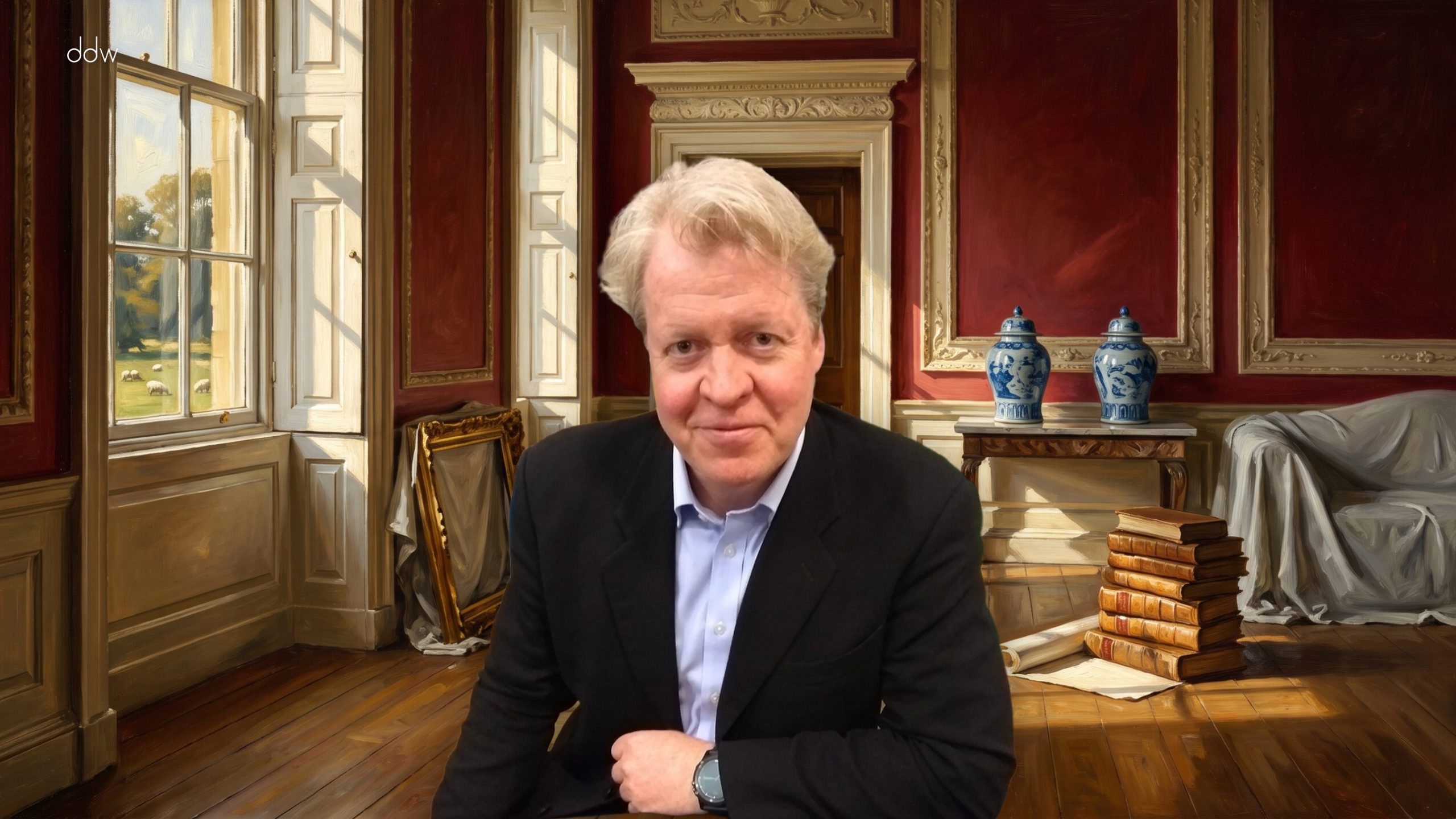
2. Arthur “Ned” Guinness, 4th Earl of Iveagh, runs the 22,500-acre Elveden Estate in Suffolk
He is 56, head of the family, and oversees what Lovemoney describes as one of the largest privately farmed estates in England. Elveden came to the Guinnesses through a Punjabi detour: the estate’s previous owner was the exiled Sikh ruler Maharajah Duleep Singh, and the family bought it after his death. According to Stylecaster, Ned inherited the earldom from his father at 23 and became the youngest hereditary peer then sitting. He and Lady Iveagh live in a smaller house on the estate, per DiCamillo’s survey of British country houses. The Hall is not the family home and has not been for some time.
3. Arthur Guinness, Viscount Elveden, is heir apparent to both the earldom and the estate
The Earl has two sons, the elder of them another Arthur, and he is the one in line for the title and the land. No published figure exists for the Viscount’s personal wealth, which is the ordinary condition of an heir apparent to a working agricultural estate: the asset is the acreage, the acreage is held by his father, and the arithmetic happens later. What he inherits is a name that was attached to a brewery, a courtesy title named after a Breckland parish, and sandy soil that grows onions and carrots.
4. The family’s Diageo shareholding was last reported at about £200 million, and that was 2017
The Irish Independent put the stake at around £200 million in 2017, as cited by ScreenRant. Nine years on, no independently verified update has been published. This matters because the loudest number in any Guinness search result is Diageo’s own: companiesmarketcap.com reported the group’s market capitalisation at $46.69 billion in October 2026. That is the value of a FTSE drinks conglomerate with roughly two hundred brands, not of a family. Confusing the two is how a £856 million fortune gets written up as a multi-billion one.
5. Farmleigh, the family’s Dublin estate, went to the Irish State in 1999
The sale was overseen by the 4th Earl as head of the family, per Impact Wealth, and the price is not disclosed in any verified source, so no figure is offered here. What the transaction did was convert the most visible Guinness property in Ireland into a government guest house, which is why visiting heads of state now stay in it and the family do not. Two years earlier, Guinness plc had merged with Grand Metropolitan to create Diageo, ending direct family ownership of the brand. The Dublin exit took about twenty-four months, start to finish.
6. Chaddleworth House in West Berkshire is on the market at £7 million after more than sixty years in the family
Country Life reports the asking price and the joint agency, Knight Frank and Savills. The house had been the long-term home of Lady Eliza Mays-Smith, née Guinness, who died in July 2026, and it is the first time it has been offered in more than six decades. Her life was racing: she was a lifelong supporter of the sport and, with her first husband David Nugent, a long-time operator of Lambourn’s downland gallops, which are now owned by Jockey Club Estates. No claim is made here about the value of her estate beyond the asking price of the house itself.
7. Sabrina Guinness is estimated at £10 million and Lady Mary Charteris at £3m to £4.5m, both by celebrity-wealth sites
Sabrina, the television producer married to the playwright Sir Tom Stoppard, descends from Samuel Guinness, brother of Arthur, and Lovemoney puts her at around $13.4 million. Lady Mary Charteris, the DJ married to Robbie Furze of The Big Pink, is estimated by celebrity-wealth sources cited via Yahoo Finance at $4 million to $6 million. Both numbers come from estimate aggregators rather than filings, probate or any disclosure by the people concerned, and should be read as indicative. They are in the piece because they are the figures the internet has settled on, not because anyone has audited them.
8. Daphne Guinness inherited a share of the fortune and no serious outlet has put a figure on it
She is a granddaughter of Diana Mitford and a great-great-great-great-granddaughter of Arthur Guinness, and she inherited part of the family money. That is the extent of what is verifiable. Stylecaster also lists Jasmine Guinness and Hugo Guinness among the notable heirs, without elaborating on what either holds, and nothing further was published to support an entry for them. The absence is instructive: a family of this size produces far more descendants than disclosed balance sheets, and the ones with numbers attached are usually the ones who became famous for something else.
9. The banking Guinnesses sold their bank for £6.7 million in 1994 and the name was retired
There is a second Guinness line, and it was in merchant banking rather than beer. Guinness Mahon operated out of London and Dublin, with a Dublin presence dating from 1836, and was run by an arm of the brewing family. The Irish Times reports that Irish Permanent took over Guinness & Mahon in 1994 for £6.7 million, and that the private-banking operation was later wound down when Irish Life and Permanent folded it into Irish Permanent’s private banking arm. The same report notes the bank sat at the centre of Ireland’s Ansbacher accounts controversy, and attributes the control of it to Des Traynor, who joined the board in 1969 and, in the Irish Times account, elbowed out John Guinness and his partner Sir George Mahon. The family name outlasted the family’s authority over it by twenty-five years.
So does anyone still make money from the pint?
Not in the way the search results imply. The brand has belonged to Diageo since the 1997 merger, the family’s last publicly reported stake in that company is a £200 million figure from 2017 that nobody has refreshed, and the Dublin estate went to the State the following decade. What survives, and what is actually verifiable in 2026, is a Rich List number somewhere between £856m and £983m, a £7 million house in Berkshire with agents’ boards on it, and 22,500 acres of Suffolk farmed under a hereditary title. Vegetables, mostly.