The sweet shop with the most famous surname on Third Avenue began as a fifty-fifty partnership, outlived its own flagship, and is still, by its own account, Dylan Lauren’s business.
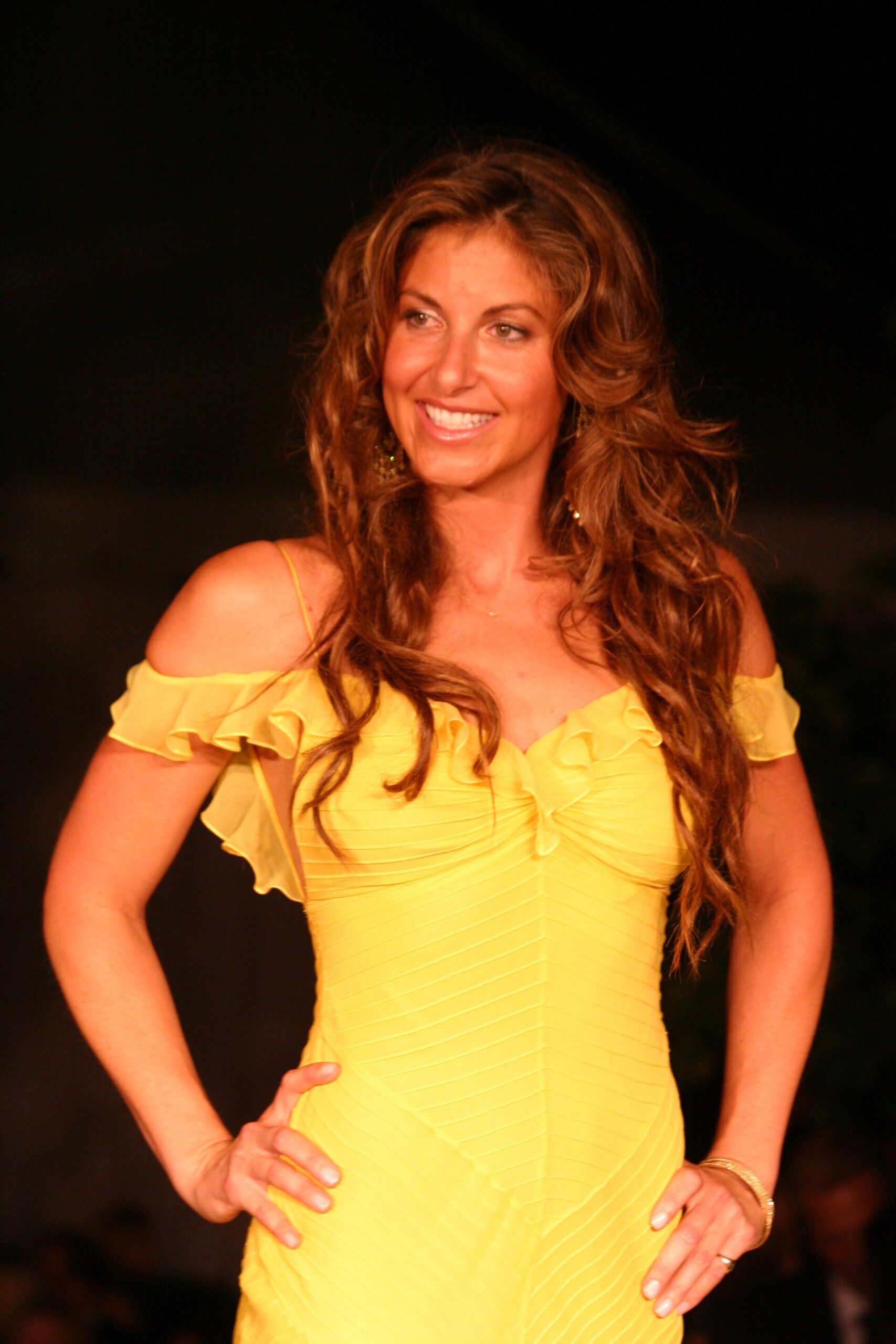
Put the name Lauren over a shop window full of lollipops and people will conclude that the fashion house has gone into confectionery, which it has not. Nothing the company has published ties Dylan’s Candy Bar to the polo-player empire. The woman whose first name is on the door started it in 2001 with a partner who owned half of it. Twenty-five years after the first store opened, the company still calls Dylan Lauren its founder and chief executive, and has never said who holds what.
Dylan’s Candy Bar is a private company, so the answers come from what it says about itself and from what Entrepreneur, Inc magazine, Bloomberg and The Real Deal have reported over the years. The numbers have moved a good deal over the years.
Who owns Dylan’s Candy Bar today?
On the company’s own About page, Dylan Lauren is “founder & CEO”. The page says she created what it calls the world’s largest confectionery lifestyle emporium in 2001, and that it has been drawing in customers of every age “for over 25 years”. That phrase is the company’s own nod to the anniversary, which fell on 11 October 2026.
The company does not use the word “sole”. As a private business it publishes no register of shareholders, and it has never said how her stake is divided, or whether it is divided at all. The fair answer to the question in the headline is that Dylan Lauren founded the business, runs it and is credited as its owner. The percentage has never been published.
The question is more interesting than it looks, because at the start she owned exactly half.
Did Dylan Lauren start it on her own?
She did not, and the second founder deserves better than a footnote. According to Entrepreneur, she was introduced in 2000 to Jeff Rubin, the merchandising man behind the candy department at FAO Schwarz. The two formed a fifty-fifty partnership and spent about eighteen months planning before the doors opened. It was the alliance of an heiress with an idea and a retail veteran who knew what a pick-and-mix wall costs to stock.
Two years in, Inc magazine was still describing Rubin as co-owner of the Manhattan business. He was candid about the doubters, telling the magazine that “Most people told me ‘you’ll never sell enough to pay for it'”, a remark that only works as an anecdote once the store has in fact paid for itself.
His departure is far less documented than his arrival. Dun & Bradstreet’s profile of the company now says Rubin is “no longer associated with the company”, without giving a date. Neither side has made public when he left or what became of his half.
He also came from a toy shop, which may explain why the place never felt like a sweet shop so much as a theme park with a till.
Is Dylan’s Candy Bar owned by Ralph Lauren?
The company names the daughter and leaves the father out of it. Bloomberg’s report on the flagship described its origins plainly: Dylan Lauren, daughter of the designer Ralph Lauren, opened the candy shop in 2001. No outlet has reported that her father or his company holds a stake or put up the money, and the company itself names no backer.
The family fortune is a separate matter, and it is his. Forbes values “Ralph Lauren & family” at $15.9bn, lists the source of the wealth as apparel, calls him self-made and gives his age as 87. That figure belongs to the family of the man who built a fashion house. It is not a valuation of a candy company, and Forbes does not break it down by child.
The family does make a brief appearance on the candy side. The company’s About page mentions Dylan’s sister-in-law, Lauren Bush Lauren, the founder of FEED. That is about as close as the two businesses get on paper. A surname gets you a meeting. It does not stock the shelves.
How big did the chain get?
Bigger than the doubters expected, and faster. In April 2003 Inc magazine reported, citing industry sources, that annual revenue had passed $5m within two years of opening. A year or so later Entrepreneur listed stores in Houston, Orlando, Long Island and New York, with Chicago, Los Angeles, London and Japan under consideration. The plans ran ahead of the shopfitters, but they show the ambition.
In 2010 Dylan Lauren published a book, Dylan’s Candy Bar: Unwrap Your Sweet Life, according to the company’s own anniversary trivia. That same year she told an interviewer that she had been a candy girl her whole life. It is the founder’s thesis in a phrase, and the business was built on it.
CBS News later reported that the brand marked its “Sweet 16th” with sixteen locations and plans for Dubai and Japan. By early 2021, Bloomberg wrote that the chain had expanded to more than twenty locations. The Real Deal, quoting the company’s website that February, counted 21, including New York, East Hampton, Los Angeles and Miami Beach.
Counts have been reported differently ever since, so any figure needs a date attached. The safest description is the one Bloomberg used: more than twenty at the peak.
Did Dylan’s Candy Bar close?
The brand did not close, but the original store did. The flagship opened on Third Avenue at 60th Street on 11 October 2001, a month after the attack on the World Trade Center, which Entrepreneur notes was not an obvious moment to sell New Yorkers rainbow lollipops. The Real Deal reported that Dylan’s signed a seven-year lease in 2002 and extended it three times, through 2017.
In February 2021 the corner was put up for lease. The Real Deal reported on the 9th, citing sources, that the flagship was closing and that the block at 1011–1029 Third Avenue had been listed by Ripco Real Estate. Bloomberg followed the next day, describing the store as up for lease, a destination for tourists and birthday parties, and one more casualty of pandemic upheaval in retail, and the store subsequently closed. Commercial Observer later reported that the corner had been let to Blinds to Go, so shoppers who once came for a bucket of jelly beans now come for window blinds.
The Real Deal’s report also carried a complaint from one supplier, who said it had not been paid for months. The company denied this, with a spokesperson telling the paper that “We have not missed any agreed upon payments with suppliers”. No outlet has reported any insolvency or bankruptcy proceedings.
The building itself has a pleasing elasticity in the telling. In 2003 Inc magazine put the store at 9,700 square feet, The Real Deal at nearly 13,000, and CBS at three floors and 15,000, the size Dylan Lauren herself has given. Bloomberg called it two storeys. A candy shop that grows every time someone describes it is, on balance, doing its job.
Is Dylan Lauren a billionaire?
Forbes and Bloomberg have published no figure for Dylan Lauren’s personal wealth, and the numbers that turn up elsewhere online have no named source behind them. The billion-dollar figure with a reputable name on it belongs to her father and his family, and it was made in clothes.
Her own record is the one the company publishes: the founder and chief executive of a business she started at Third Avenue and 60th Street, which grew past twenty stores, gave up its flagship and is still trading on her first name a quarter of a century later. She has her own way of describing her qualifications, and has said simply, “I literally am the customer.” She even gave the company’s animal charity a pun for a name, Dylan’s Candy BarN, which takes up animal adoption and disaster relief. No one buys a stake in a business that cheerful by accident.
It belongs to the founder, in whatever share she has kept since the day it was half Jeff Rubin’s.
Read Next: How Alva Vanderbilt Played Mrs Astor’s New York in Three Moves