Penelope Knatchbull is Countess Mountbatten of Burma because she married an earl; Patricia, before her, was Countess because her father had a clause written in, and that clause still decides who comes next.
Three women have been called Countess Mountbatten of Burma in under eighty years, and a search box rarely says which one it wants. Two married into the title. The third inherited it through a piece of drafting her father arranged in 1947, which is why the earldom outlived him at all. The answers run in the order a herald would choose: the women first, then the clause, then the house and the heir.
Only one of the three Countesses Mountbatten held the title in her own right
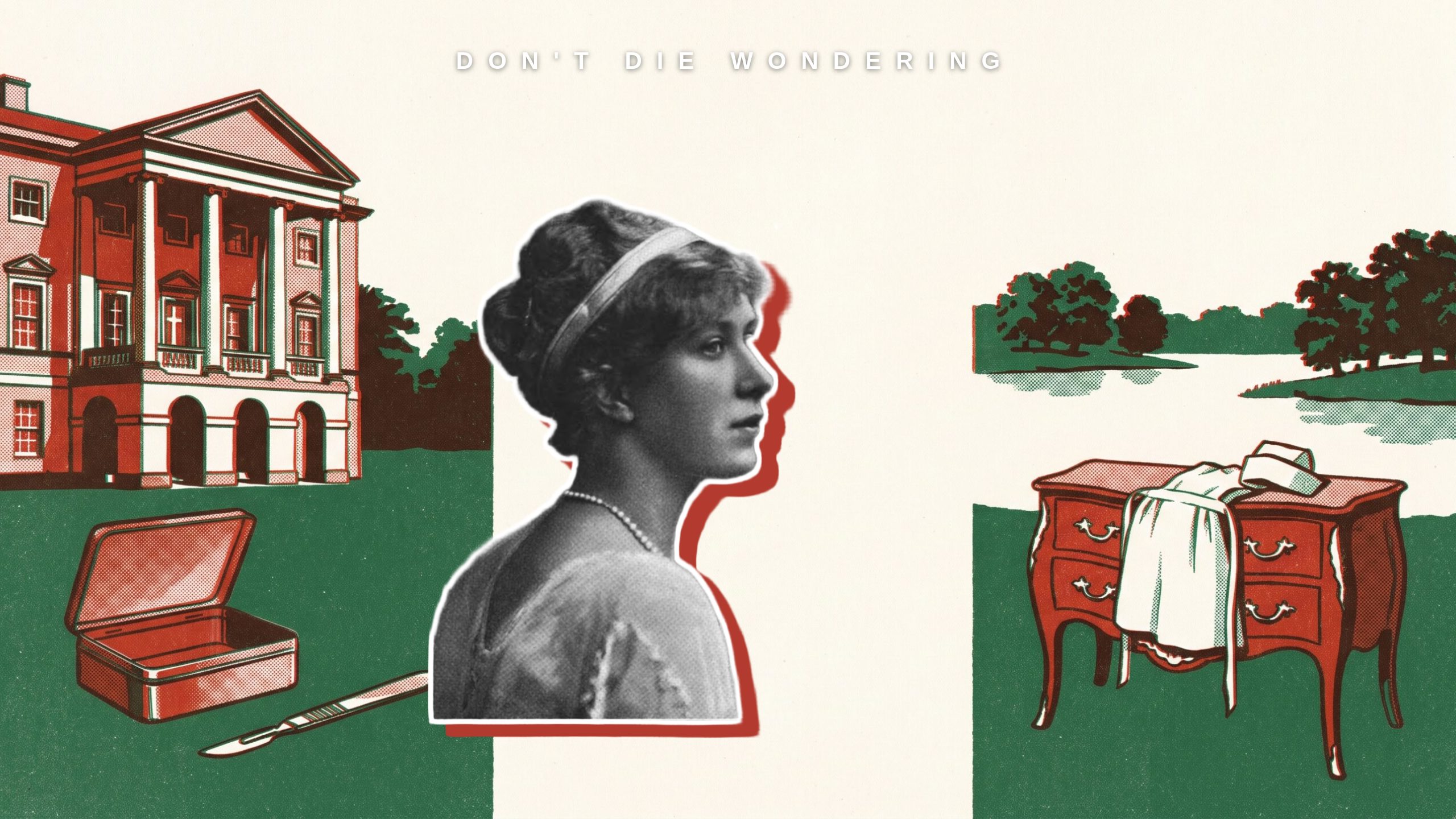
Edwina Ashley, the heiress who married Louis Mountbatten, became the first Countess when her husband was made an earl. Patricia, the elder of their two daughters, was born Patricia Edwina Victoria Mountbatten on 14 February 1924. She became the second Countess in 1979, and she held the earldom herself as a peer, without needing a husband to supply it. Penelope, the present Countess, holds the style as the wife of Norton Knatchbull, the 3rd Earl. Calling her a countess in her own right is the one mistake a careful reader will spot at once. Patricia is the only woman to have held the title in that sense, and nobody does so today. A wife’s title comes with the marriage, while a daughter’s had to be arranged in advance.
Penelope Knatchbull is the Countess Mountbatten of Burma today
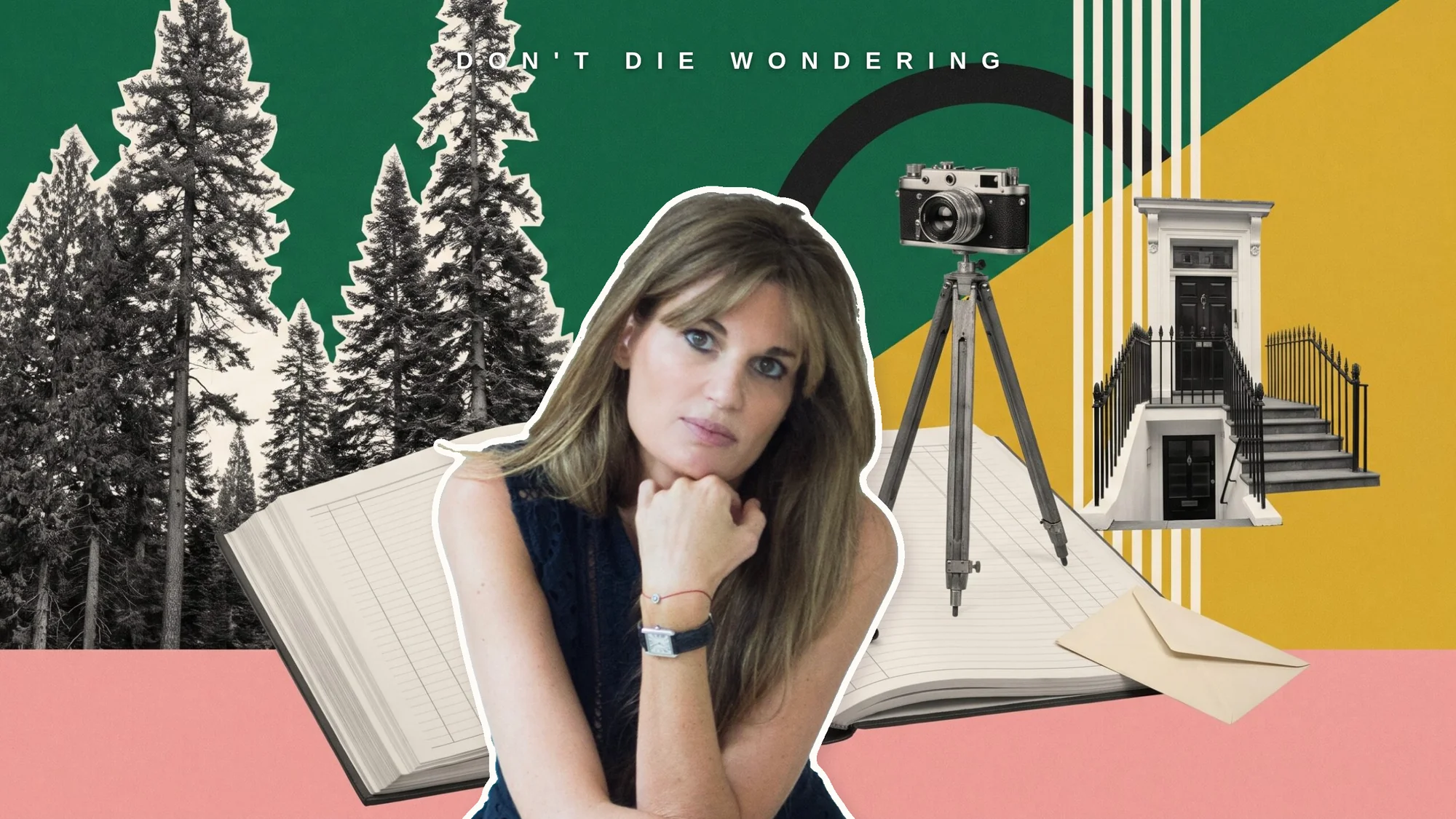
When people type “countess mountbatten” now, Penelope is usually the woman they mean. She is married to Norton, Patricia’s eldest son, and Hello described the couple in 2021 as living at Broadlands, a 60-room mansion in Hampshire. The same magazine wrote that the death of their daughter Leonora, who died aged five, is the reason they will always stay at the house. That is the most private fact anyone has published about the Countess, and it explains more about her attachment to Broadlands than any valuation does. She did not inherit the earldom and has no claim on its succession. Her place in it is as consort to the man who holds it, which is how most countesses in Britain have come by the word.
A special remainder in the 1947 letters patent let the earldom pass to a daughter
Louis Mountbatten was created Viscount Mountbatten of Burma on 27 August 1946, then Earl Mountbatten of Burma and Baron Romsey on 28 October 1947. He had no sons. Under the usual drafting, his titles would have ended when he died. Instead, the letters patent for both the viscountcy and the earldom allowed the titles to pass to his daughters in order of seniority of birth, and to their heirs male. That put Patricia first. Behind her came her younger sister, Lady Pamela Hicks, who married the designer David Hicks and died in 2026. Many fathers leave their daughters the silver, and Mountbatten left his an earldom, provided the paperwork was in order.
Patricia became Countess after the IRA killed her father, her son and her mother-in-law
In 1979 the IRA blew up the family’s boat in Co Sligo. The bomb killed the 1st Earl, Patricia’s son and her mother-in-law. Patricia, who had married John Knatchbull, 7th Baron Brabourne, on 26 October 1946, succeeded to her father’s peerages because of the remainder written into them a generation earlier. Without that clause, the attack that took three members of her family would also have ended the title. With it, the earldom passed to the elder daughter, as the patent intended. She held it for the next thirty-eight years.
Patricia sat in the House of Lords until most hereditary peers were removed
The inheritance came with a seat in the House of Lords, and Patricia kept it until the House of Lords Act 1999 removed most hereditary peers from the chamber. The Act took away the seat and left the peerage intact, so she remained Countess Mountbatten of Burma until her death. Rank and a seat in Parliament had always been separate things, as any family outside the peerage could have told Westminster, and Scotland keeps a hereditary rank of its own outside the peerage, the Scottish barons. For Patricia, the change meant fewer trips to London and no change at all on the envelope. The Act removed the chair and left the name on the door.
Norton Knatchbull, 3rd Earl Mountbatten of Burma, inherited from his father first and his mother second
Norton’s titles arrived in two instalments, from two different families. His father, John Brabourne, died in September 2005, and Norton became the 8th Baron Brabourne, a Knatchbull title. Patricia died at her home in Mersham, Kent, on 13 June 2017, aged 93, and on the same day her eldest son became the 3rd Earl Mountbatten of Burma, according to the Peerage-news record of the succession. Her funeral on 27 June was attended by the Queen, the Duke of Edinburgh and other senior royals. The result is one man carrying a barony from his father’s line and an earldom that came down through his mother. That second route is exactly what the 1947 patent was drafted to allow.
Broadlands, near Romsey, is where Princess Elizabeth and Prince Charles both spent their honeymoons
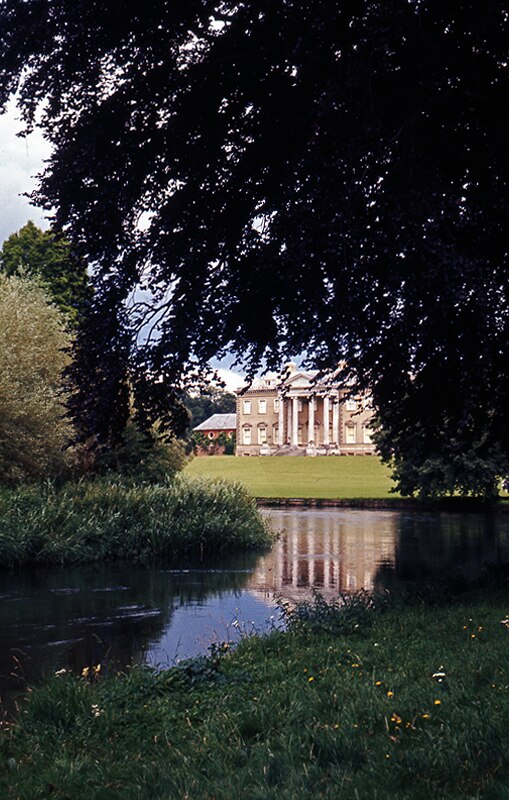
The house is older than the earldom by more than two centuries. Henry Temple, 1st Viscount Palmerston, bought Broadlands in 1736, according to Visit Hampshire, and Capability Brown and Henry Holland turned it into the Palladian mansion that stands there now. It is best known as the former home of the 1st Earl, and as the house where Princess Elizabeth and Prince Philip began their honeymoon in 1947, followed by Prince Charles and Princess Diana in 1981. The Daily Mail has described it as a Grade I-listed Palladian mansion surrounded by 620 acres of farmland and worth approximately £100 million. The paper named no valuer, and other reports give the estate a different acreage, so the figure is best read as an unverified press estimate for a house and land, not as anyone’s personal fortune. Two royal couples chose it to begin their marriages, and the family keeps it as a home.
The Daily Mail reports that Nicholas Knatchbull is heir to Broadlands again
Nicholas Knatchbull, Norton and Penelope’s son, was born on 15 May 1981 at King’s College Hospital in London and is styled Lord Brabourne. In 2026 the Daily Mail reported, citing unnamed sources, that his father had removed him from the family will and that he has since been restored as heir to the Broadlands estate. A will is a private document while its author is alive, and no reason for either decision has been made public. The Mail also reported that he married Ambre Pouzet in a civil ceremony at Broadlands on 20 May 2021, and that the couple have two young children. The earldom follows the 1947 patent, while Broadlands follows whatever the will says. That difference is why the house made the papers and the title never needed to.
Broadlands farmland at Romsey has planning approval for new homes
GB News reported that Test Valley Borough Council approved plans for 920 homes on farmland at the southern edge of Romsey, land described as part of the Broadlands estate, after some 596 residents wrote letters of objection. The planning officer’s report acknowledged that the scheme falls short of the council’s 40 per cent target for affordable housing, while objectors said it now offers only a tenth. The report recommended approval anyway, citing the need to raise housing numbers. Palladian houses have always been paid for by the land around them. The Palmerstons, at least, never had to put it to a borough council.
That leaves the question most people ask next, which is who comes after Penelope. She remains Countess for as long as Norton is Earl. When the earldom passes to his son, as the patent provides and as the Mail’s reporting assumes, the style would pass to Ambre Pouzet, who married into the family at Broadlands. She would be the fourth woman to carry it, and the third to do so by marriage.