

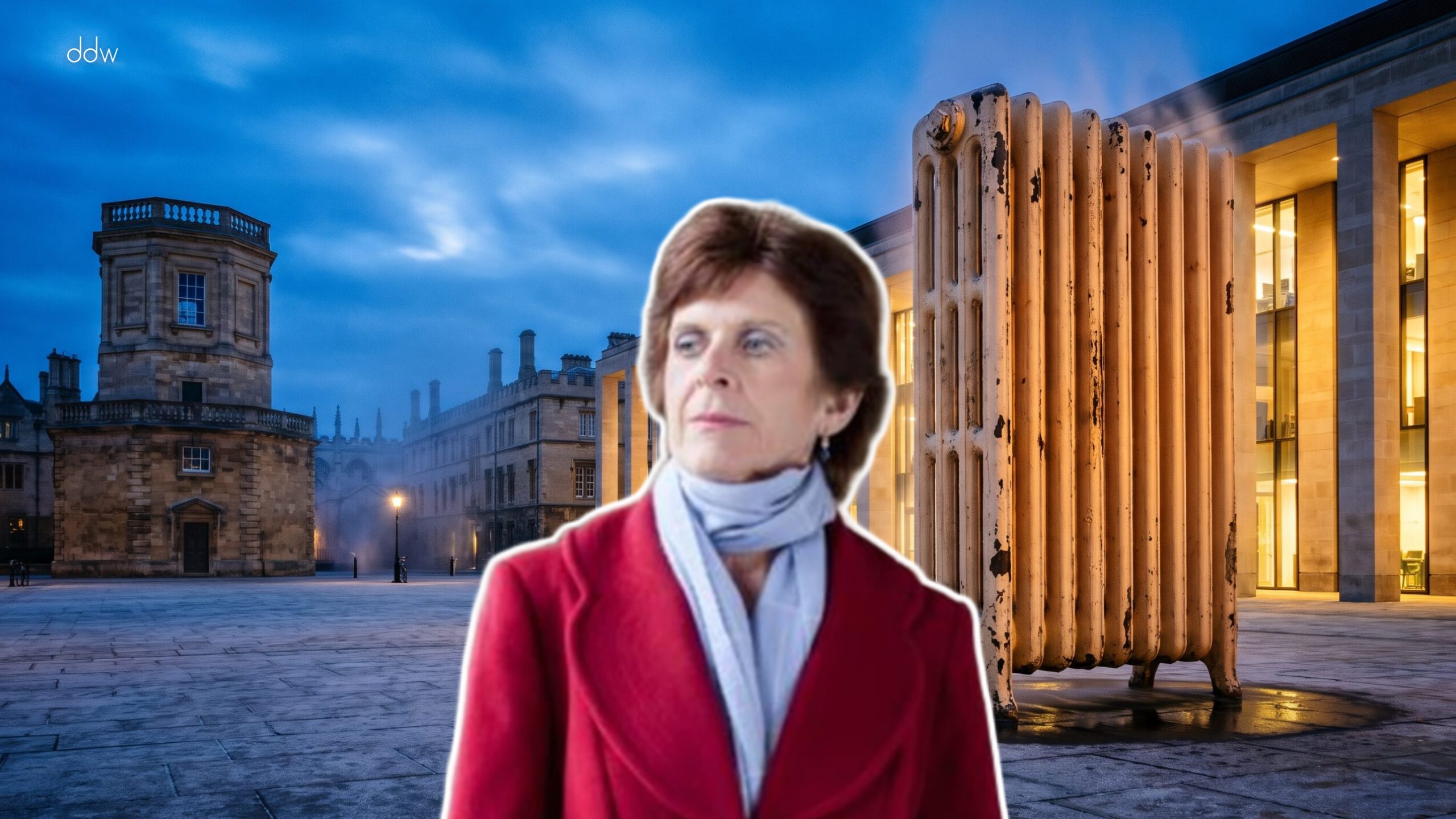
A New York financier with no notable connection to Oxford paid for the humanities building the university had discussed for more than a decade, and the case for refusing him has aged rather worse than the building.
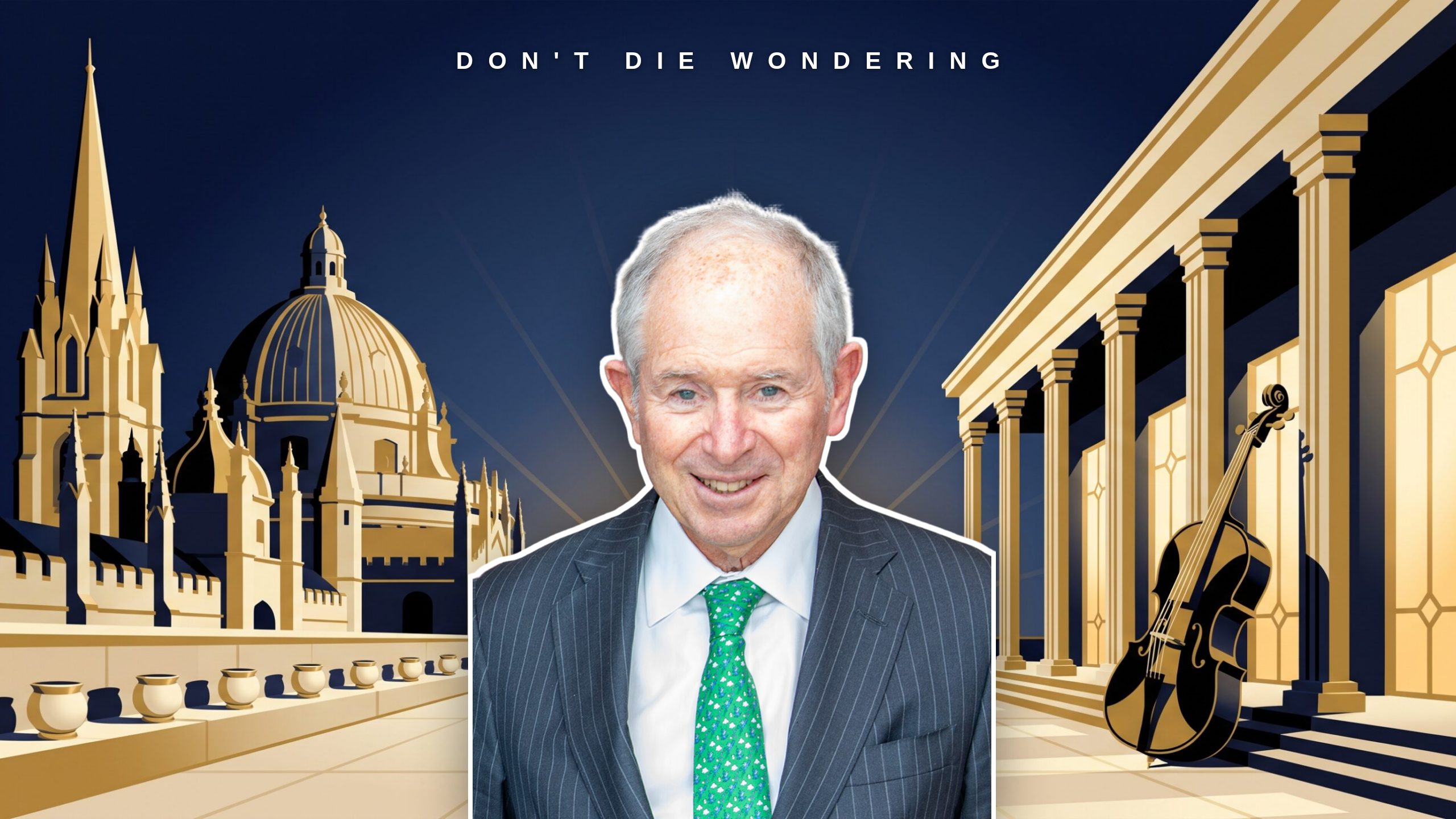
Stephen Schwarzman had no notable connection to Oxford when he made his gift, as NBC News pointed out in 2019. By the standards of large donors, that made it almost suspiciously disinterested. People still ask whether the university should have accepted the money, and the question deserves the three tests a sensible trustee would apply: what the money built, what it cost in reputation, and what the alternative was. The verdict comes first, to spare anyone the scroll. Oxford was right.
Oxford had discussed a humanities building for over a decade without the money to build it
The University told Cherwell in 2019 that it had been talking about a humanities building for more than a decade and did not have the funding for it until Mr Schwarzman’s gift. That is the whole case in one sentence, and the critics have never quite got round it. Louise Richardson, Vice-Chancellor at the time, called the gift “an investment in excellence”, which is the sort of thing vice-chancellors say, and on this occasion it happened to be accurate. Oxford never claimed there was nowhere else the money could have come from. It said only that, until 2019, the money had not come. A decade of discussion with no funding attached is how a university admits it cannot afford something without using the word.
Philosophy, Music and Theology now sit under the same roof as AI ethics
The Centre’s own site lists what the money brought together: seven humanities faculties and research institutes, with libraries, collections, exhibitions, cinema, music, theatre and performance. Cherwell names the faculties as English; History; Linguistics, Philology and Phonetics; Medieval and Modern Languages; Music; Philosophy; and Theology and Religion. The Oxford Internet Institute and the Institute for Ethics in AI moved in alongside them. The academic community arrived in October 2025. Theologians and the people paid to think about machine morality are now neighbours, which is either a very Oxford joke or a very good idea, and quite possibly both. CPC Project Services, on the contractor side, calls it the largest single building project the University has undertaken and Europe’s largest Passivhaus university building, certified in December 2025.
The gift was Oxford’s largest since the Renaissance, by the University’s own reckoning
Schwarzman gave £150m through his foundation in June 2019. Schwarzman Philanthropies described it as the largest single donation to Oxford since the Renaissance, and Cherwell reports that the University used the same phrase. Further donations followed, and the University now puts the total behind the building at £185m. There is more on the Schwarzman gift elsewhere on DDW. Oxford keeps score of its benefactors in centuries, which is a polite way of making everyone else feel recent.
The open letter passed 100 names, and 27 of them were Oxford academics
Cherwell counted 42 signatories when Oxford Against Schwarzman first appeared in September 2019. By mid-November the letter had passed 100, drawn from academics, councillors, students and residents. The Oxford Student listed Labour and Green councillors among them, along with Common Ground Oxford, the Oxford Climate Justice Campaign and the Labour Club. By the time of the royal opening in July 2026, Cherwell put the number of Oxford academics on the letter at 27. The letter said the Centre would be paid for by the “exploitation and disenfranchisement of vulnerable people”, and it was entitled to say so: an open letter is a perfectly decent instrument. Twenty-seven academics are still a long way from a faculty vote. A town has every right to an opinion about what goes up in it; it has never had a vote on who pays.
The Trump objection is a fair complaint about the donor and leaves the syllabus where it was
According to Cherwell, the campaign was provoked by Schwarzman’s connections to Republican politicians, including his financial support for Donald Trump’s presidential campaigns. The Guardian’s architecture review in April 2026 put the same point into its headline, calling the building polished and refined and “funded by a Trump ally”. Both describe a political choice made by a private citizen in another country, and both are fair game. What would matter is any sign that the politics had travelled into the seminar room. The University says donors have no influence on academic content, and the objectors’ case rests on who Schwarzman is rather than on anything taught in his building. A donor’s vote is his own affair. A donor’s reading list would be Oxford’s problem, and the University says there is no such list.
Oxford vetted the donor before saying yes, and should have shown its working
The letter also cited a UN report that singled out Blackstone for its contribution to the global housing crisis, according to Cherwell. Blackstone replied that the claims were false and wholly without merit. These remain allegations, and they are about a very large firm: Forbes describes Blackstone, which Schwarzman co-founded with Peter Peterson in 1985, as the world’s largest alternative asset manager, and Forbes’ real-time estimate put Schwarzman’s own fortune at about $42bn on 29 October 2026. The University told Cherwell that the gift went through its Committee to Review Donations, and that the donor passed due diligence covering ethical, legal, financial and reputational questions. Then, in February 2020, it declined to release the vetting documents to the Oxford Students’ Union. That was the one unforced error in the whole affair. A university that is confident in its homework should be happy to hand it in.
Cambridge has since accepted a bigger gift, with a name over a door of its own
On 31 March 2026 Cambridge announced the Rokos School of Government, backed by £190m from the investor Chris Rokos, which it says is believed to be the biggest individual donation to a British university in modern times. Part of that sum is a later commitment matched by Cambridge itself. The BBC described Rokos as a 55-year-old British investor who founded Rokos Capital Management, and noted that the previous record holder was Schwarzman’s gift to Oxford. (Cambridge did not consult Oxford before overtaking it, and Oxford, to its credit, has not complained in public.) The critics’ charge that Oxford was selling prestige looks rather lonelier now that its oldest rival has done the same thing, at a slightly higher price, with a British donor. If a name over the door costs a university its soul, both of England’s oldest have now paid, and both are still taking applications.
Public money has thinned, and the running costs are the one objection worth keeping
AFP has reported that Britain’s big-donor era coincided with government cuts to higher education funding, which pushed universities to raise student fees and work harder at fundraising. That is a sector-wide point and does not explain any one faculty’s finances, but it explains the climate in which Oxford said yes. Karl Wilding of Kent Business School told AFP that philanthropists are increasingly giving from earned income, which makes the new money less inherited and more argued over. The sharpest criticism came later, and it is about upkeep. A Cherwell opinion piece in March 2026 argued that a one-off gift could put up the building but would not keep it running, and The Spectator made a similar case that so much went on construction that the running costs fall back on Oxford’s ordinary budget. The Oxford Student, looking back after a year, recalled that the 2019 letter wanted investment in “people not buildings”, and on maintenance the letter-writers have a point. A gift builds a building once. Somebody still has to heat it every winter, and that is the question a sensible trustee would want answered in the accounts.
For anyone wondering whether the place is finished or still a promise, the University’s own account settles it. The King officially opened the Centre on 10 July 2026, nine months after the academics moved in. Lord Hague, as Chancellor, used the day to speak of the “enduring importance of the humanities”. The performance spaces have hosted the Cultural Programme since April 2026, and the first themed season, Unfinished Revolutions, marked 250 years since the Declaration of Independence. The British, by all accounts, have taken that with good grace. According to The Boar, the concert hall seats 500. Every name on the letter would fit, with room to spare.
Cover photograph: Robert Ormerod/The New York Times via Irishtimes.