

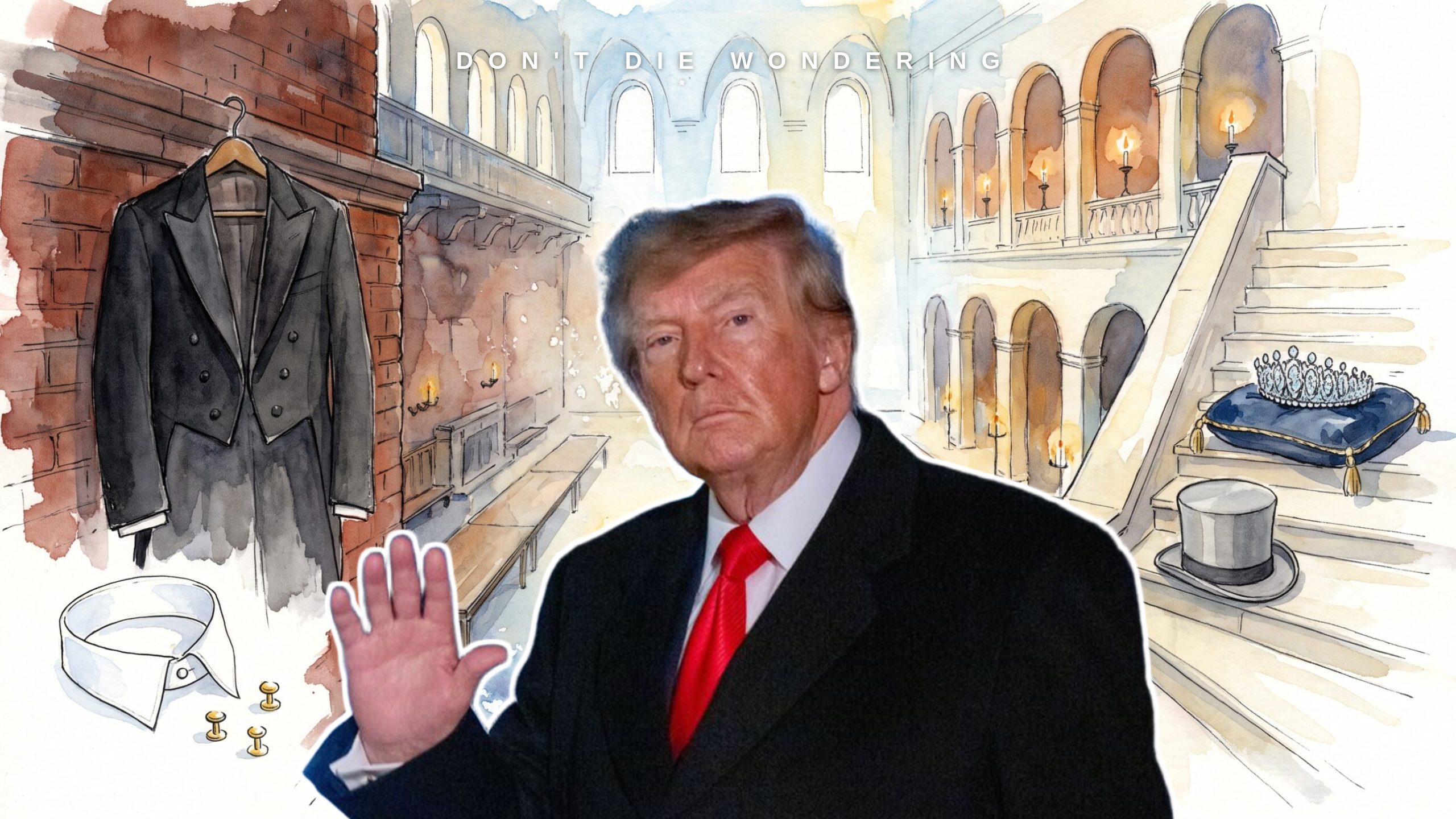
Donald Trump’s tailcoat at Buckingham Palace, a grid-cell gown in Stockholm, Cara Delevingne’s tuxedo at Princess Eugenie’s wedding. All of it decided in advance by two or three words printed at the bottom of a card.
Within living memory the ranking ran the other way. Debrett’s records that only a couple of generations ago white tie was standard evening dress and black tie was considered informal; today white tie is the rarest and most formal British dress code, which means most people meet it for the first time as adults, with about an hour to prepare.
The codes are not secret. They are published, in full, by the institutions that enforce them, and they travel in a pack with the other old-world instructions: what to call people, where to sit, what the day costs. Nobody reads any of it until the envelope arrives.
What does white tie actually require?
Debrett’s sets out the kit in one unbroken breath: a black single-breasted tailcoat in black wool or ultrafine herringbone with silk peaked lapels, worn unbuttoned; black trousers with two lines of braid down the outside leg; a white marcella shirt with a starched detachable wing collar and double cuffs, closed with studs; a low-cut white marcella evening waistcoat; a thin white hand-tied marcella bow tie; highly polished or patent black lace-ups with black socks.
Note the word unbuttoned. The tailcoat is never fastened, the shirt front closes with studs rather than buttons, and the collar arrives separately from the shirt, which is why hire companies lose so many of them. For women the instruction is shorter and harder to fail: a full-length evening dress or ball gown, sleeves optional, long gloves permitted with a sleeveless dress.
What is the card telling you when it adds ‘Decorations’?
That medals are not a personal decision. The Gentleman’s Gazette notes that orders and decorations are worn at state and ceremonial functions only when the invitation specifically calls for them, with the North American wording “White Tie – Decorations” and the Commonwealth equivalents “Evening Dress – Decorations” and “Dinner Jacket – Decorations”.
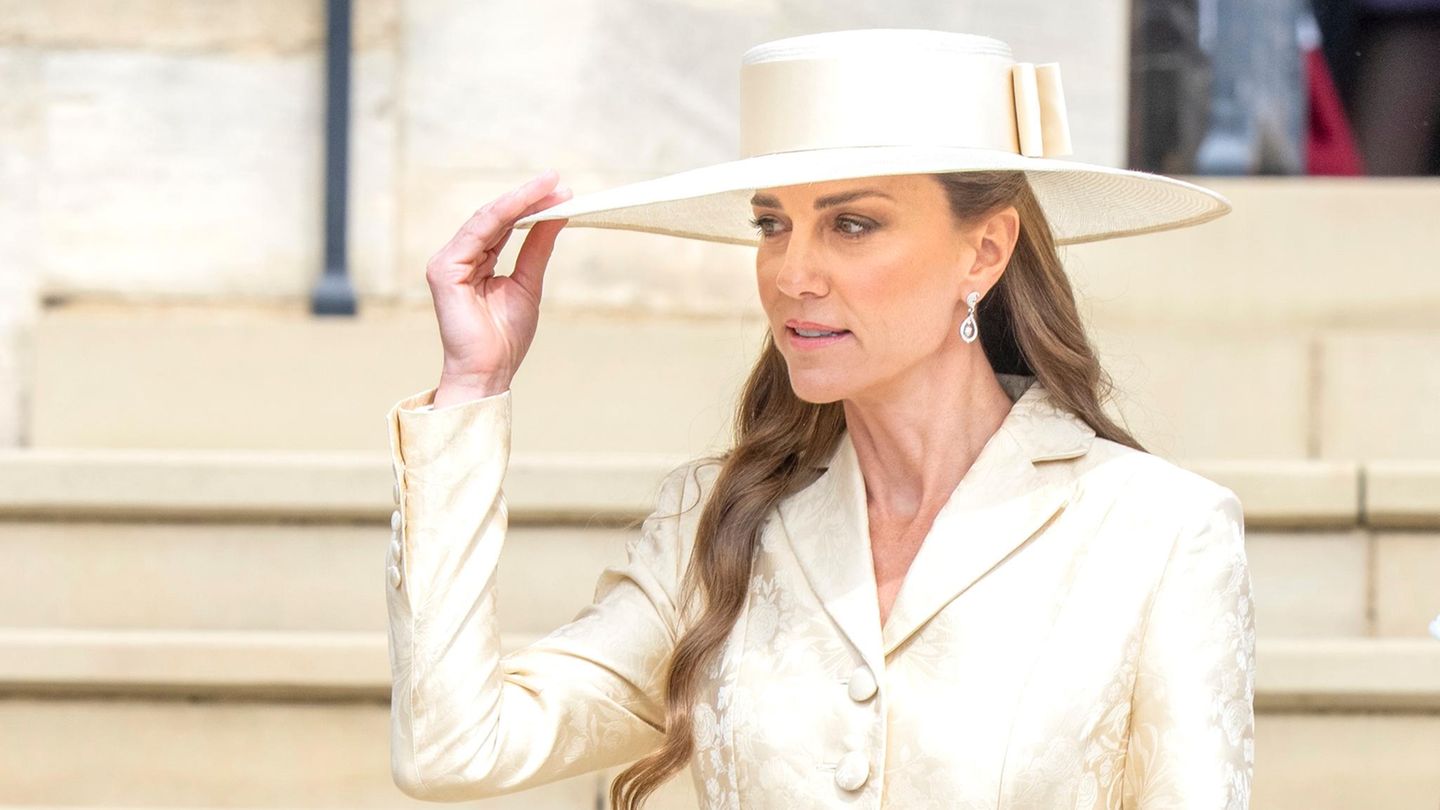
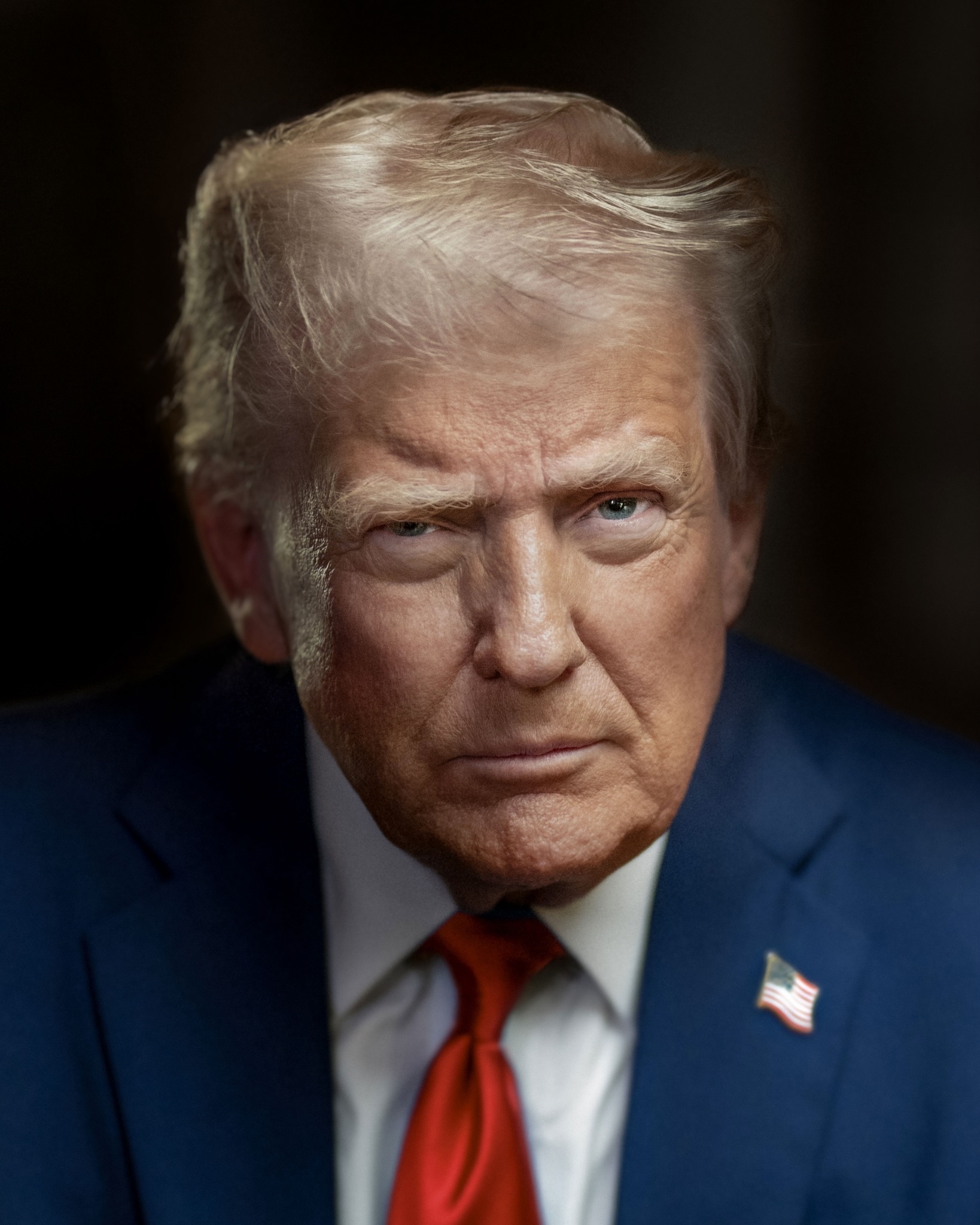
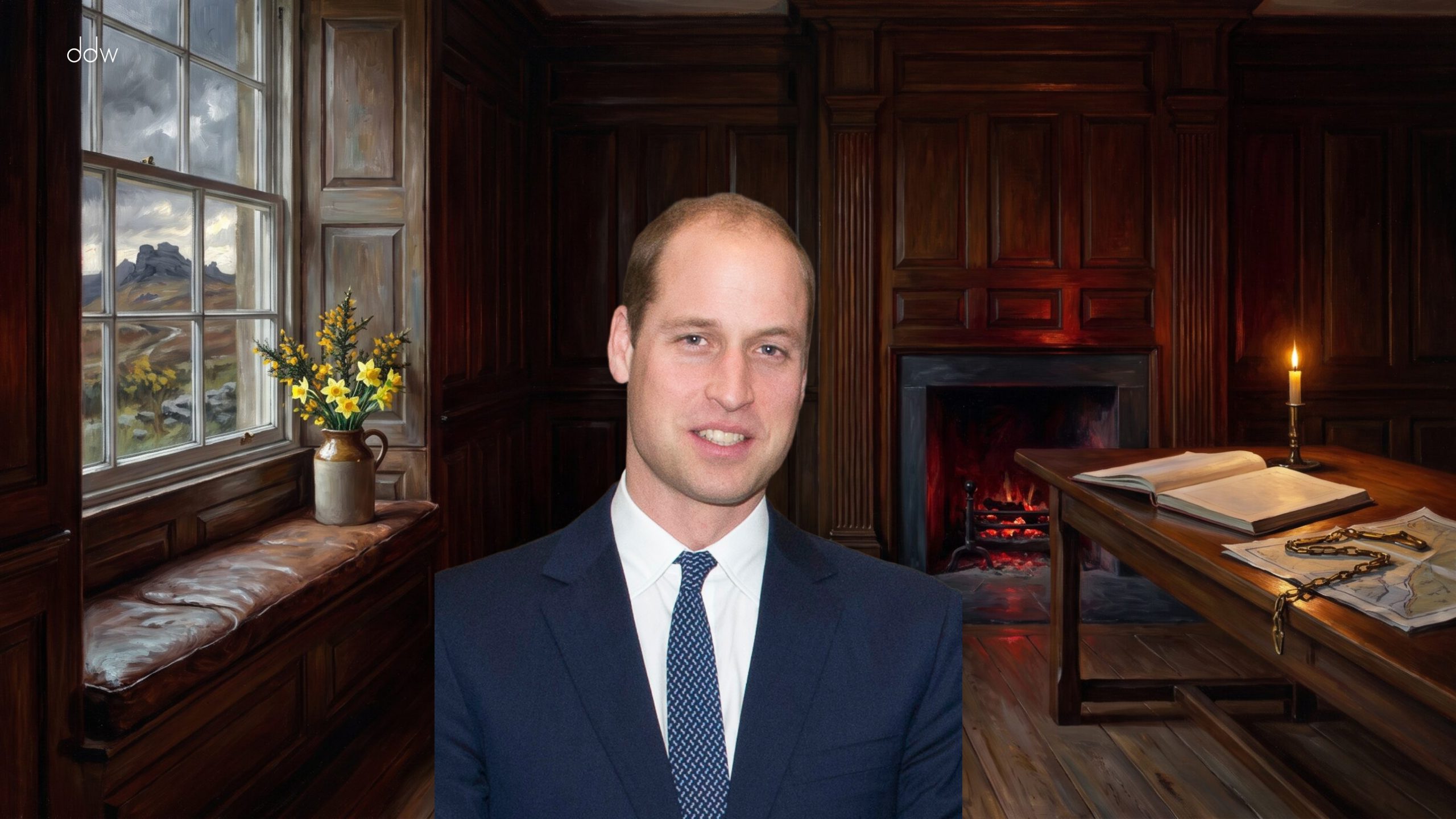
Even then, restraint is the rule. Debrett’s advises knights and dames to wear the most senior chivalric order to which they belong rather than everything they own, with stars such as the Garter or the Thistle on the left side of the evening coat or dress, and a sash and badge for Knights Grand Cross. At the September 2025 state banquet for President Trump, held in St George’s Hall at Windsor Castle rather than Buckingham Palace, the Princess of Wales wore the Belgian sapphire tiara, the Diamond Festoon Necklace and her Order of the Garter sash and star, together with the King’s royal family order, according to What Kate Wore, which also reported the Prince of Wales in a Windsor tailcoat with his orders. The First Lady, Melania Trump, wore an off-the-shoulder yellow Carolina Herrera gown with a lavender silk belt.
Global News reported that the hosts of the earlier banquet, held at Buckingham Palace on 3 June 2019, mandated white-tie decorations. The dress code is not a suggestion; it is the seating plan in clothing.
So what is black tie for?
Debrett’s puts it plainly: less formal than white tie, and the most frequently encountered formal evening wear, worn for dinners, parties and balls, along with certain Season fixtures such as Glyndebourne. It is the code everybody thinks they already understand, which is roughly why they turn up to white tie in it.
Why does morning dress stop at six o’clock?
Formal day dress belongs to the Derby, Royal Ascot, royal garden parties and weddings: a black or grey single-breasted morning coat with peaked lapels and knee-length tails, a white or light-coloured shirt, a silk tie and a grey or buff waistcoat. Debrett’s is firm that morning dress should not be specified for events beginning at or after 6 p.m. If the thing starts in the evening, the card should say white tie instead.
The logic is older than any of us and simpler than it looks. Daylight has its uniform, and it clocks off.
What does the Royal Enclosure actually enforce?
More than most people expect. Racehorse Club’s published summary of the Royal Enclosure rules has women in formal daywear with a dress or skirt of modest length, straps of at least one inch, nothing strapless, off-the-shoulder or sheer, and a hat with a base of at least four inches, which is ten centimetres of structure you cannot fake with a fascinator. Men wear morning dress with waistcoat, tie, top hat and black shoes.
The hospitality agent Eventmasters, publishing the requirements for 2027 Royal Enclosure entry, lists grey, black or navy morning dress with waistcoat and tie, ties that may be playful, cravats that are not allowed, a black or grey top hat, and black shoes worn with socks. Campbell Carey, head cutter and creative director at Huntsman, told The Gentleman’s Journal that the Royal Enclosure is less about extravagance than about correctness and refinement. In the Windsor Enclosure, by contrast, there is no official dress code at all, though hats and headpieces are encouraged. Same racecourse, different planet.
What do royal weddings ask of guests?
A choice, usually, and a narrow one. For the 2018 wedding of Prince Harry and Meghan Markle the card read “Dress Uniform, Morning Coat or Lounge Suit”, the groom wearing the dress uniform of his regiment, The Blues and Royals; women, Marie Claire Australia reported, were required to wear a below-the-knee day dress with a hat and closed-in shoes. Myka Meier, the Plaza Hotel etiquette expert, has told Fox News that hats stay on inside the church and that nothing should be too high or too broad for the person seated behind.
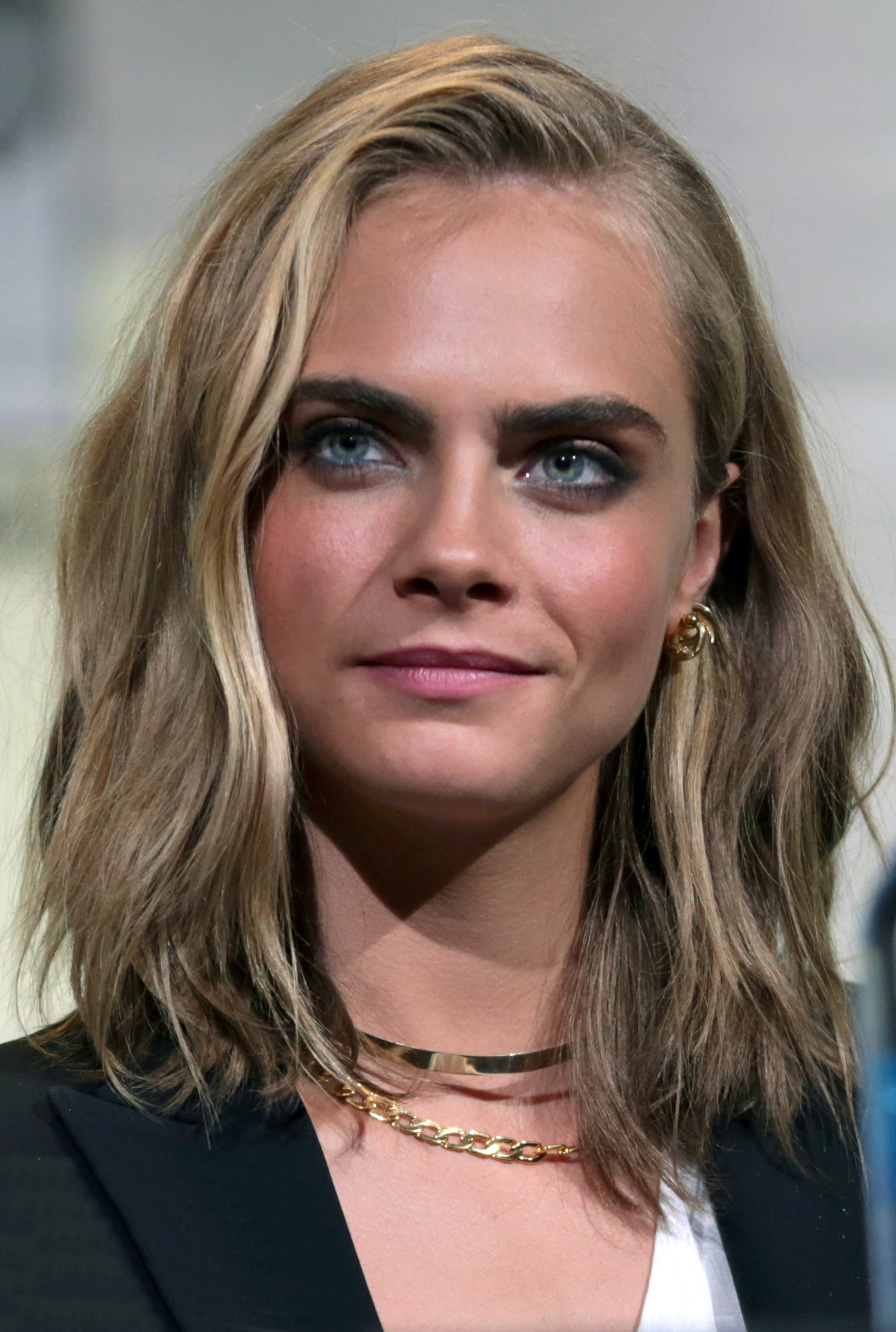
Princess Eugenie’s wedding to Jack Brooksbank in October 2018 carried the stricter version, day dress and hat for women, morning coat for men, which Woman & Home noted Cara Delevingne answered with a tailored tuxedo. For the 2011 Westminster Abbey wedding, Fox News reported that Queen Elizabeth II distributed a 22-page etiquette guide to the 1,900 guests. Those who want the full arithmetic of a royal wedding will find the numbers elsewhere; the card itself is free.
Who may wear a tiara, and when?
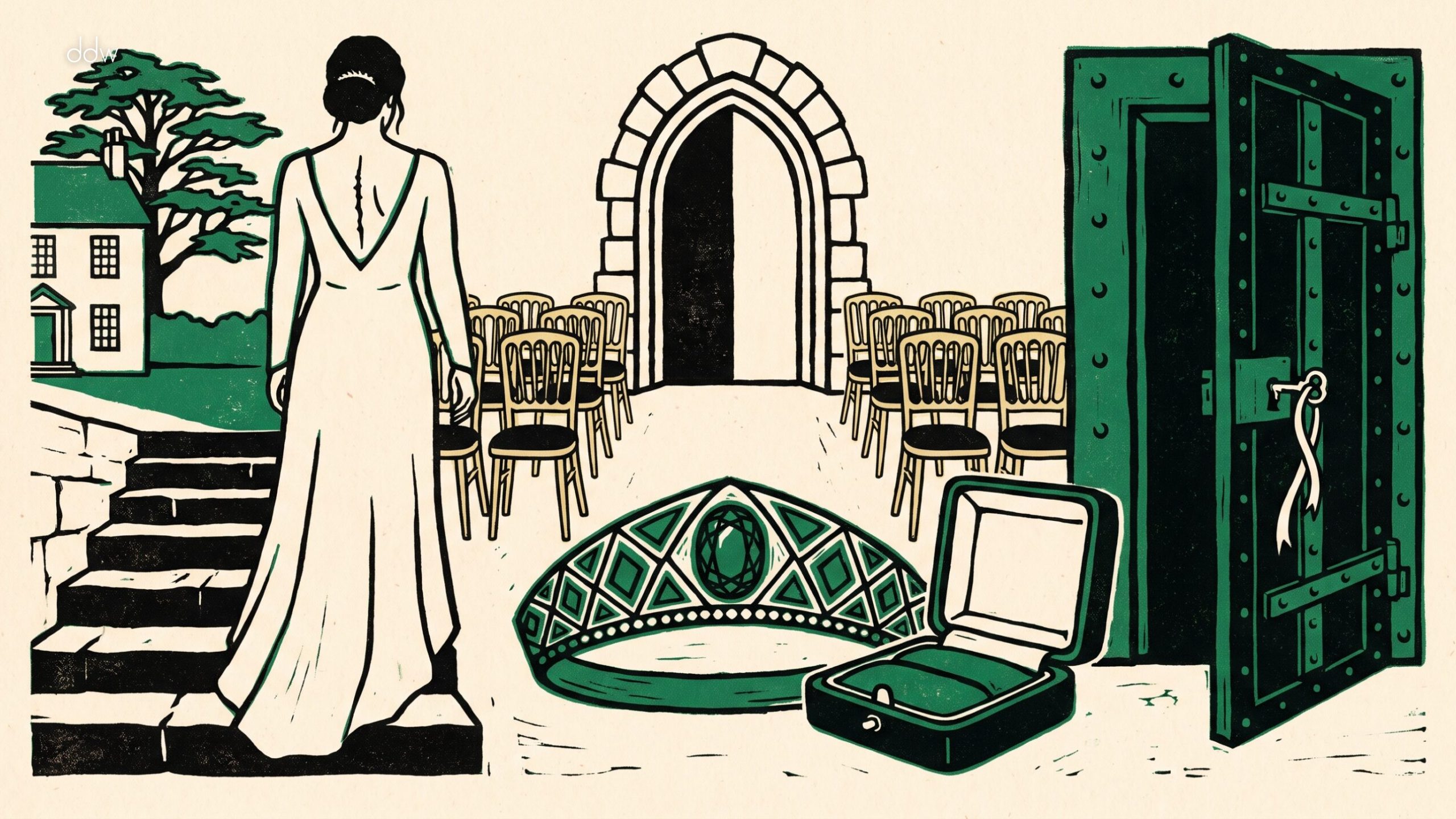
Custom rather than statute, and the custom is narrowing. The convention holds that only married women in the royal family wear them, that they are evening-only, and that a bride wears a family tiara on her wedding day; several sources note the rules are no longer strictly applied in the 21st century. Meghan wore the Queen Mary Diamond Bandeau in 2018; the Princess of Wales has worn a tiara on only a handful of occasions, each of them a major white-tie evening.
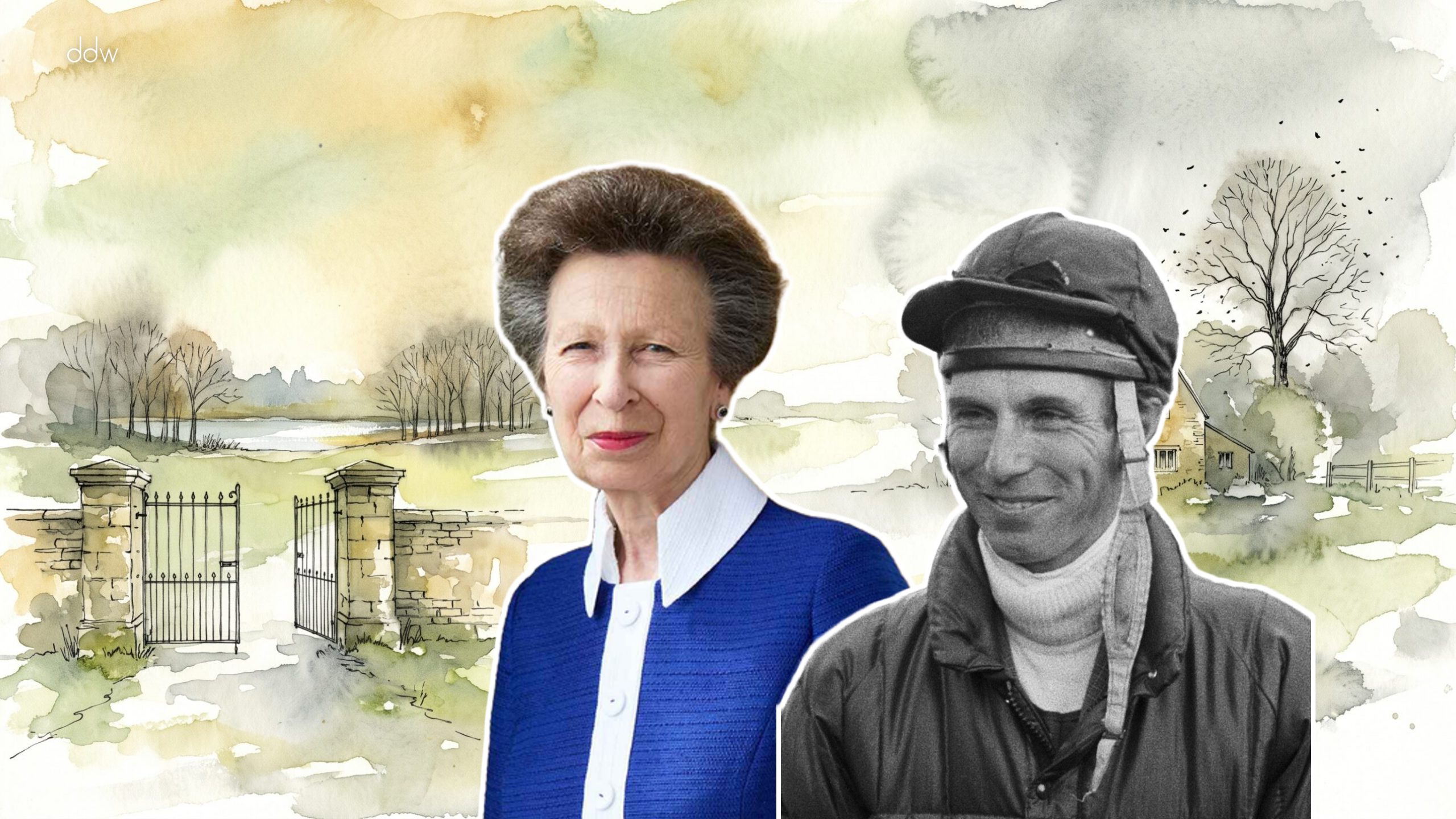
Princess Anne wore Queen Elizabeth II’s Russian Fringe tiara to her 1973 wedding to Captain Mark Phillips. Ahead of the 2011 wedding, CBS News reported that one bettor staked £6,000 on the same tiara appearing again, standing to win £72,000. In Copenhagen the antique tiara given to Queen Mary of Denmark by Queen Margrethe and Prince Henrik on her 2004 marriage to King Frederik reappeared at a state banquet in Estonia on 27 January, two decades after the wedding it was made for.
What does the Nobel Banquet ask of its laureates?
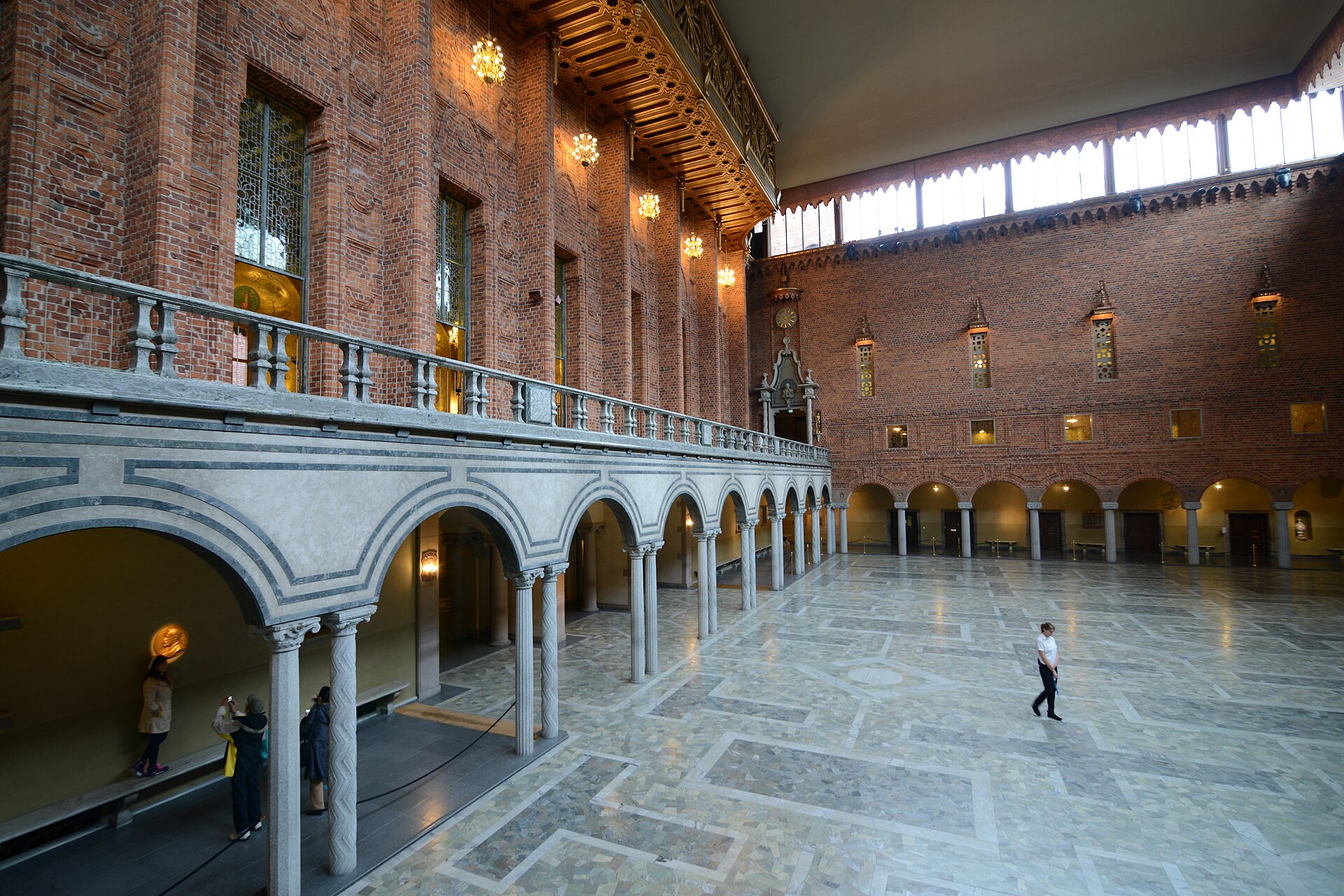
The banquet follows the Award Ceremony on 10 December in the Blue Hall of Stockholm City Hall, where it has been held since 1930, when it moved from the Grand Hôtel, according to Crowns of Europe. King Carl XVI Gustaf hands each laureate the medal and diploma. The Nobel Foundation’s instruction to guests is that gentlemen wear white tie and tails and ladies an evening gown, with national costume an accepted alternative.
The most criticised white tie of recent years was not worn in Stockholm. Robin Givhan of the Washington Post wrote that “the president’s iteration of white tie at the state banquet at Buckingham Palace was, in a word, a mess”, calling the code more science than art. Rebecca Halliday, a fashion lecturer at what was then Ryerson University, told Global News that the trouble sits with the white waistcoat and bow tie worn under the tailcoat.
The best answer anyone has given to the floor-length requirement came from May-Britt Moser, who shared the 2014 Nobel Prize in Physiology or Medicine for work on grid cells. She is not fond of long dresses, so Matthew Hubble, an engineer before he worked in fashion, embroidered her gown with the hexagonal grid-cell pattern of her own research. “Instead of wearing a boring dress, I had a beautiful dress that I could talk about, because I could talk about my science. My dress became a story I could tell,” she said.
She wore her findings to dinner.
Cover photograph via the Daily Express.