One Devon tenant told the Observer that Charles was fantastic and William could go to hell, which is a great deal of feeling to spend on a sale whose proceeds, by royal.uk’s own summary, stay inside the Duchy.
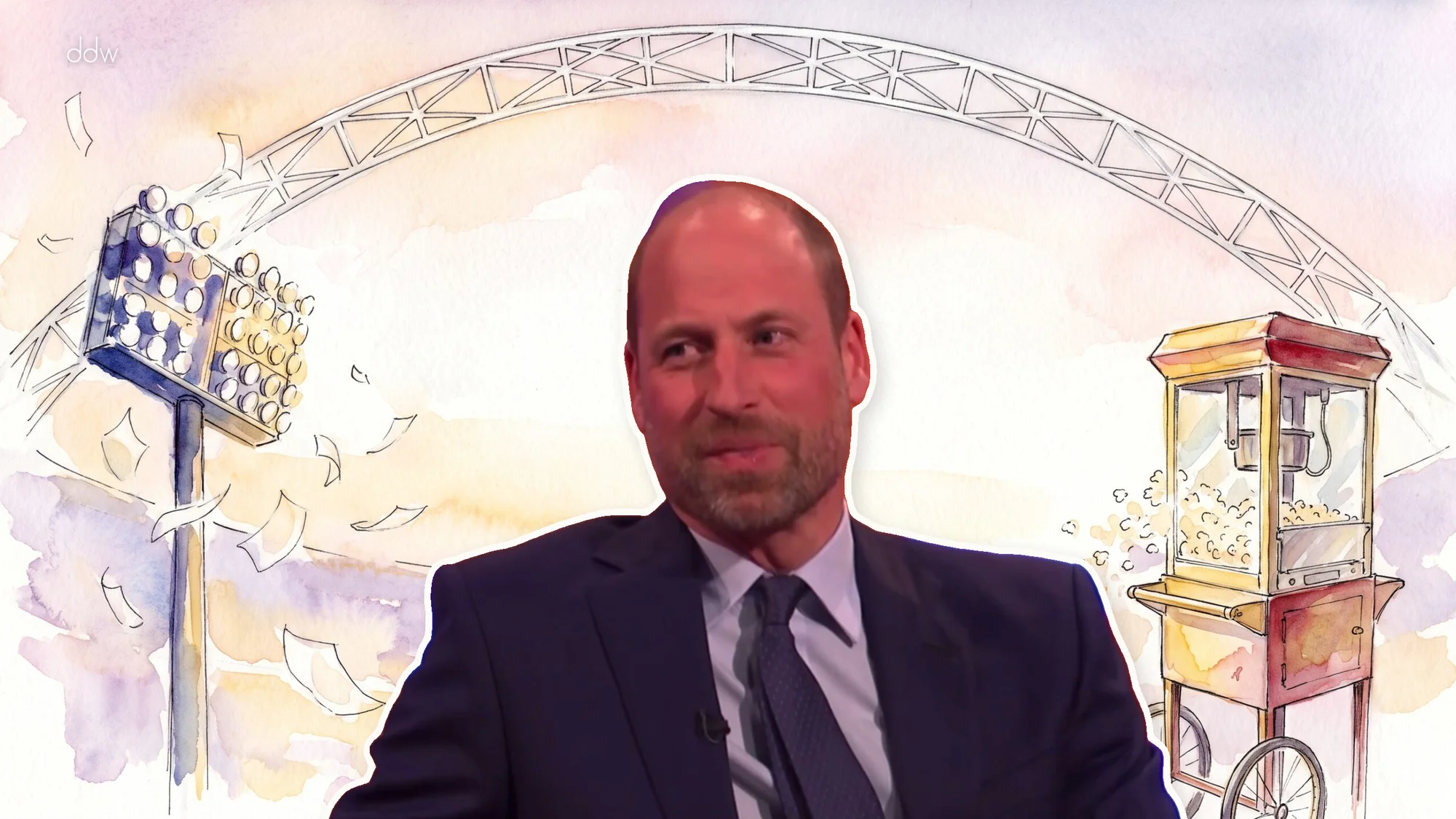
Prince William holds a duchy that was created, on its own telling, to give the king’s heir independence, and this year he has been exercising some of it on 3,000 acres of Devon. The Bradninch estate is being sold. Whatever it fetches stays inside the Duchy, according to royal.uk’s summary of the royal finances, so the Prince of Wales will not be buying anything nice with it. Not everyone at Bradninch finds that consoling.
1337, by the Duchy’s reckoning
Fortune, citing the estate’s own history, dates the Duchy to Edward III, who set it up so that his son and heir would have an independence of his own. The Institute for Government prefers 1265. Careful people therefore avoid the phrase “700-year-old”, and people in a hurry use it anyway. Depending on which source is asked, the Duchy turns 689 or 761 this year, and the round number in between is the one that gets printed.
What passes from duke to duke is an income. The Sovereign Grant annual report for 2024-25 says Duchy of Cornwall money pays for the private and official spending of the Prince and Princess of Wales, and is taxed on whatever is not used for official purposes. The arrangement has lasted because it is dull, and dull is what a family wants from its money.
September 2022
William became the 25th Duke of Cornwall when his father acceded, and the estate came with the title. The Institute for Government measures it at 53,000 hectares, mostly in south-west England and including the Isles of Scilly. GB News, which prefers acres, makes it 135,000. On that arithmetic, Bradninch is a little over 2 per cent of the map.
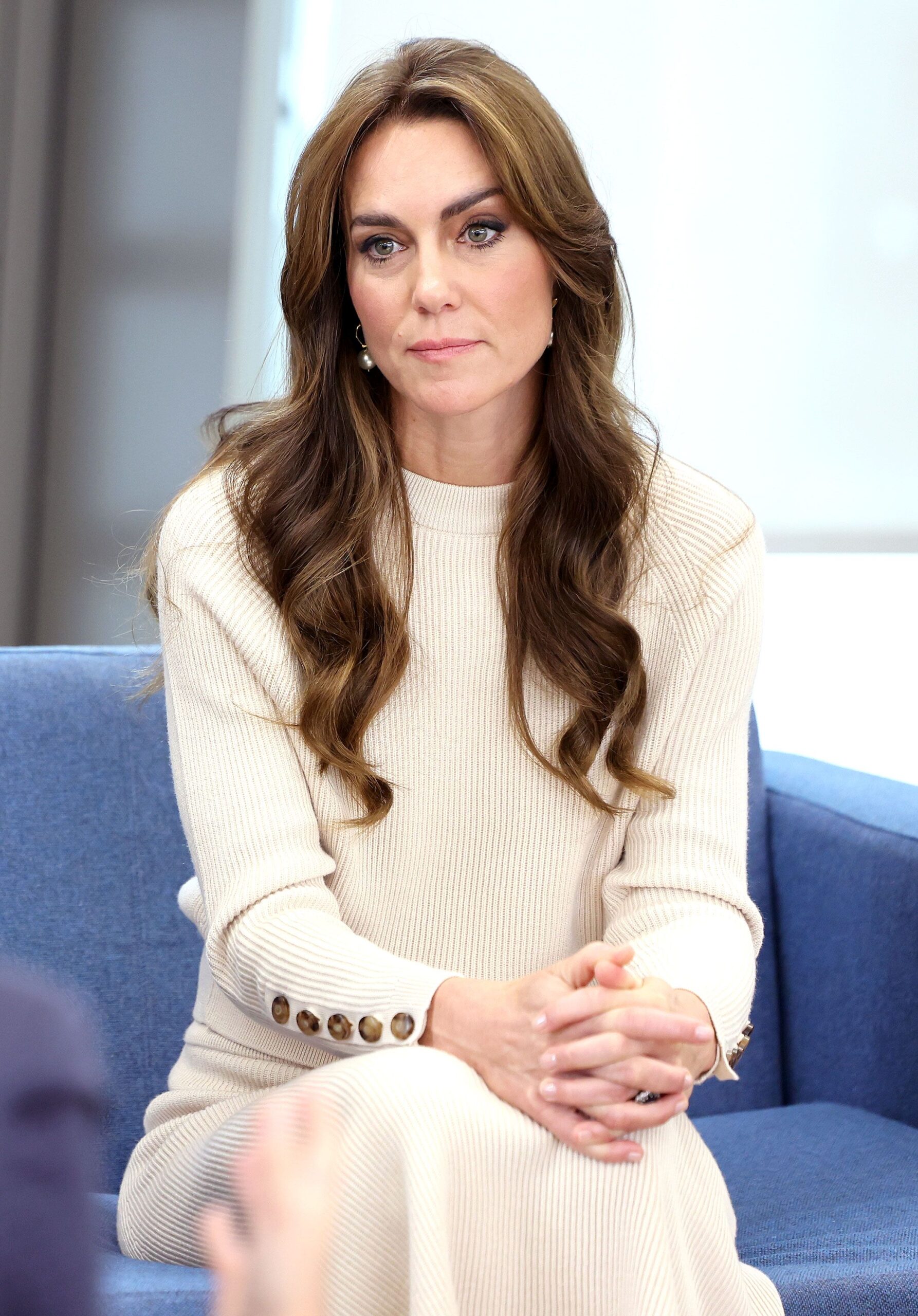
Its income keeps Catherine, Princess of Wales, her husband and their children, George, Charlotte and Louis. According to the Independent, George becomes Duke of Cornwall automatically when his father takes the throne. Each duke gets the estate for a generation, and the estate gets every duke.
Among the titles that arrived in 2022 was Baron of Bradninch, and the town has not forgotten it. GB News reports that the Guildhall bears the baron’s arms and that local children attend the Duchy school. Scotland keeps a hereditary rank of its own outside the peerage, the Scottish barons.
31 March 2026
The news reached the farms first. ITV News West Country reported that tenant farmers on the Bradninch estate, near Cullompton, had been told the Duchy planned to sell. The Duchy described it to ITV as “a genuinely exciting opportunity” for many farming tenants and said that, from one-to-one conversations, the majority intended to buy. The Duchy also framed the sale as part of a review into where it could make the “most social and environmental impact”.
Hello and GB News describe a wider programme, selling about a fifth of the Duchy’s land over five years. The Duchy has put no figure of its own on that.
Dr Mary Ryan, a former GP who has lived in Bradninch for more than three decades, spoke to ITV with her husband John Palmer, a retired surgeon. They said people were “furious” and that many were “too frightened to talk about it”.
George Dunn, chief executive of the Tenant Farmers Association, said the TFA was disappointed the Duchy was selling but pleased that sitting tenants would get first refusal. He added that some tenants held farm business tenancies giving the Duchy the legal right to sell with vacant possession. Vacant possession is the kind of phrase that sounds like conveyancing until it is your kitchen.
18 June 2026
The accounts arrived in summer, and they are less exciting than the commentary, which is their job. The Royal Finances paper published on royal.uk gave the Duchy net assets of £1.2bn for the year to 31 March 2026, mainly investment property, and a net surplus distributable of £21.55m. Set against the assets, that surplus works out at about 1.8 per cent.
The press still likes “£23m a year”. That is the previous year’s £22.9m, the figure the Institute for Government takes from the accounts, with the corners rounded off. In July, the Independent reported that William had paid £7.76m in tax for 2025-26, the first time that figure had been made public.
The one-page summary on royal.uk indicates that proceeds from the sale of capital assets are retained in the Duchy. A farm sold at Bradninch therefore becomes Duchy capital rather than ducal spending money. A duke may sell the furniture, but the cheque goes back into the house.
September 2026
The Observer reported in late October that possession orders had landed on tenants’ doormats the previous month. Tenants were given six months to buy or leave, and the first opportunity to buy, with discounts that may reflect how long they have lived there and what they have put into the properties. For a household whose order arrived in September, that window closes in March 2027, roughly a year after ITV first reported the plan. Six months is a long time in politics and a short one in conveyancing.
GB News reports that the Duchy is contributing to tenants’ legal and professional costs and considering how their improvements affect valuations, and that around two-thirds of residential tenants are considering buying. The wording matters on the land side. Back in March, Dunn’s association said it had received no reports of formal eviction notices, and “possession order” is the term that fits the paperwork.
The week of 25 October
The Observer’s long piece ran on Sunday 25 October. A Duchy spokesperson told the paper that each household would receive individual support.
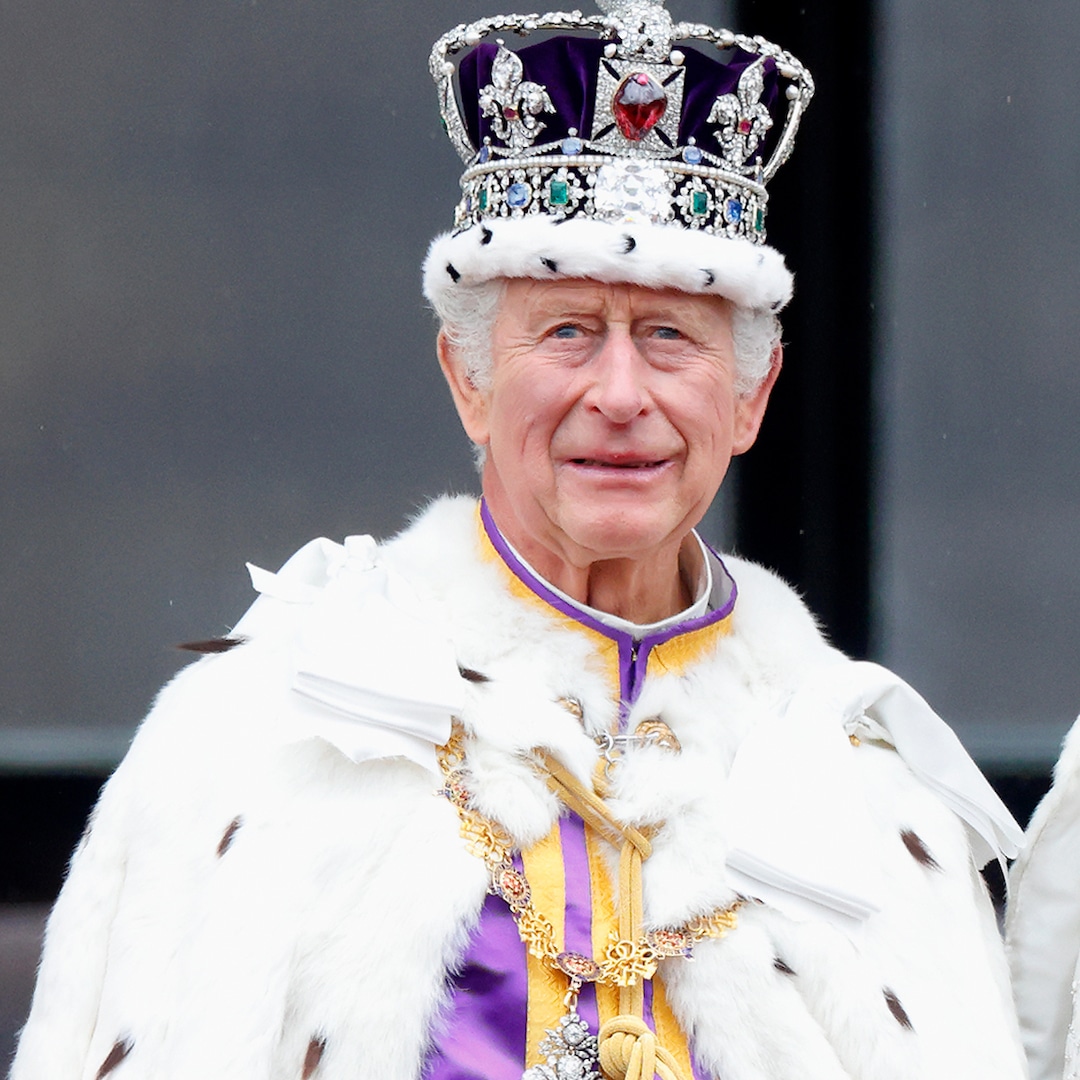
By Tuesday, Farmers Guardian was reporting that the Duchy had been forced to defend the sale, and that a land group had said this was not a “programme of mass evictions”. Seven months had passed between the ITV report in March and the Observer’s Sunday piece. The farms are still for sale, and most of the people living on them may well buy. The Guildhall still carries the arms of the Baron of Bradninch, and the Baron of Bradninch is William.