

Famous parents love to tell interviewers the children will get nothing, and the most exact offer anyone has put on record is Gordon Ramsay’s contribution to a deposit on a flat.
Sting laughed when a television interviewer asked him in May 2026 whether his fortune would go to his children, and the laugh was the answer. He belongs to a small club of famous parents who have told the press, on the record, that their children should not count on the money. Six belong on any honest list, ranked here from the hardest line to the softest, and only two come close to the literal “nothing” that headlines pin on the whole club. Every one of these promises was made out loud, to a journalist. A vow made in an interview tells you what a parent believes. Only a will tells you what the children get.
Jackie Chan said his entire fortune would go to charity
Chan holds the hardest line of the six, and his is the only position with a change of heart built into it. He told Channel NewsAsia in 2011, at an awards event in Beijing, that half of his money would go to charity, and by 2012 he was saying he had changed his will so that all of it would. Celebrity Net Worth puts his fortune at $350m, a sum made over a long career as an actor and stuntman. The dates and venues differ between accounts, which is the hazard of family policy announced in passing at a public event. On these terms his son, from his marriage to Joan Lin, inherits the example and not the estate. It is the cleanest position here by some distance, and it rests entirely on one man’s description of a private document. What exists in public is the remark.
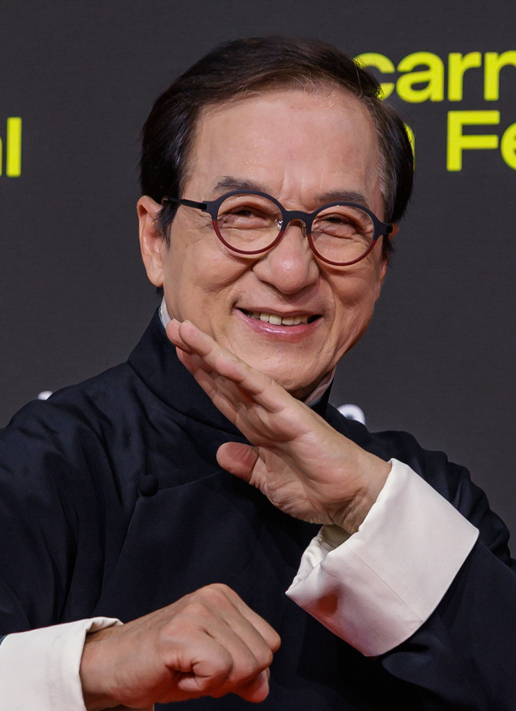
Ashton Kutcher and Mila Kunis are setting up no trust for their children
Kutcher set out the couple’s position on Armchair Expert, Dax Shepard’s podcast, in 2018, saying he was “not setting up a trust” for the children and that he and Kunis would end up giving their money away to charity and to “various things”. Various things carries a good deal of weight in that sentence, and any family solicitor would want it in writing. The pair, actors who married in July 2015 and have two children, have repeated it since, and the one exception Kutcher allowed on the podcast was a child’s business plan, which he said he would back if it were good. The offspring of two Hollywood careers are therefore on the terms of a loan committee rather than a trust, which is presumably the point. Of everyone on this list, they come nearest to Chan in spirit, though they have described a destination for the money only in the broadest terms. Theirs is also the only entry that names the instrument being refused.
Daniel Craig would rather give his money away before he goes
Craig’s position comes with a patron saint, Andrew Carnegie, whom he cited as the model of a rich man who gave his fortune away. His own philosophy, he said, was to get rid of the money or give it away before he goes; leaving heirs great sums struck him as “distasteful”, and he wondered aloud whether there is not an old adage that dying rich means you have failed. He said it to Candis magazine in August 2021, at 53, with No Time to Die still waiting on a delayed release, and he had said a version of it to Saga the year before, when the sum he did not want to leave was “vast”. The people who will live with the philosophy are two daughters, one adult from his marriage to Fiona Loudon and a younger one with Rachel Weisz, and a stepson, Weisz’s son. He has said he does not plan to have much money left for any of them by the end, which is a different promise from leaving them none. He called it a philosophy, a word that leaves room.
Sting has told his children not to count on the money
Sting has been making the case for longer than anyone else here, and with more variations. In June 2014, at 62, he told Event, the Mail on Sunday’s magazine, that he had warned his children there would not be much money left because it was being spent, and he added that he would step in if one of them were ever in real trouble, though that had not arisen. He also said he had no wish to hang trust funds round their necks like albatrosses, which is the most literary refusal of a trust on record. By 2020 he was telling People that all six were fiercely independent and, “I haven’t promised them anything.” The laugh came on CBS Sunday Morning on 3 May 2026, to Mark Phillips, in the same interview in which he called it a form of abuse to tell children they do not have to work and said he hoped never to be guilty of it; the same site’s estimate of his fortune that month was $550m. The trouble-clause from 2014 has never been withdrawn, so a safety net remains in the family’s account of itself. What he has promised, in his own words, is nothing at all; what he has arranged is private.
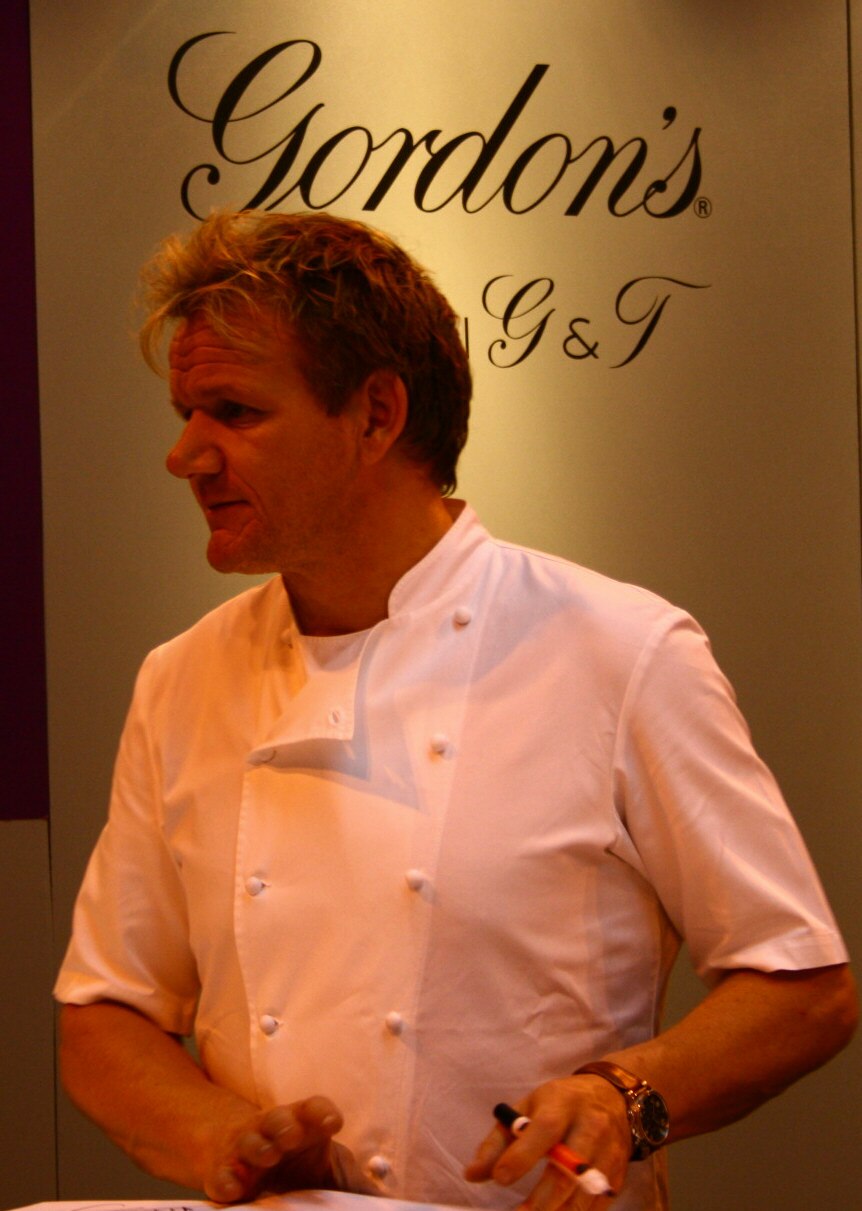
Gordon Ramsay will help with a flat deposit and no further
Ramsay is the only parent here to put a measurement on his help, and he did it with a chef’s exactness. He told the Telegraph in April 2017 that his children will have to make their own way and that his money is “definitely not going to them”, adding that the aim is to stop them being spoilt, not to be mean about it. The single arrangement he and his wife, Tana, have agreed is a 25 per cent deposit on a flat, and not, he was careful to say, the whole flat. He now has six children, the sixth announced in November 2023, and a Netflix series, Being Gordon Ramsay, which arrived in February 2026. Somewhere behind the restaurants and the television sits one flat, mostly unfunded. His place on any list of parents leaving nothing is, strictly, a misprint, since a deposit is something. It is also the only promise on the list precise enough to be costed by an estate agent.
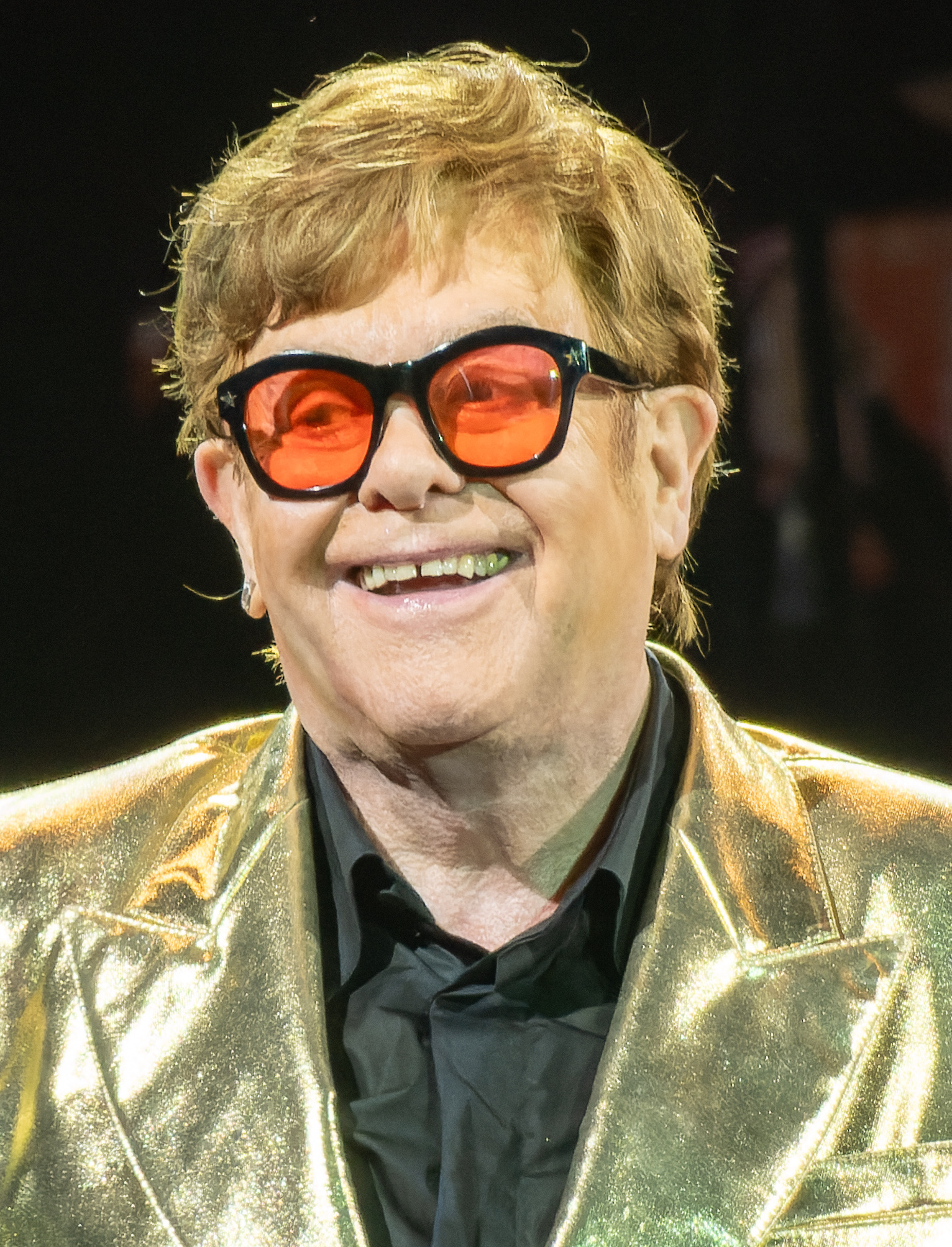
Elton John wants his sons comfortable but never spoilt
Elton John sits at the soft end of the scale, and he has said as much himself. He told the Mirror in March 2016 that he wanted to leave his two sons in “a very sound financial state”, while holding that it is terrible to give children a silver spoon because it ruins their life. The net-worth site’s figure for him is $650m in 2026. His husband, David Furnish, has said the couple took their lead from Warren Buffett. That makes him the only parent here to cite another one as an authority, which is how a consensus forms in this particular set. Of the six, he is the one who has promised his children the most, and the word he chose was sound.
The question that follows every one of these interviews is whether any of these parents has put the promise in writing, and our count is short. Jackie Chan is the only one whose account even mentions a will, and the public knows of it because he described it at an awards event; the other five have given journalists a philosophy and kept their paperwork, whatever it says, to themselves. Six said it; none has published a will, a trust deed or a pledge. The man who shows what writing it down looks like is Warren Buffett, who in 2010 signed a Giving Pledge letter committing more than 99 per cent of his wealth to philanthropy and stating that his children had already received significant sums and would receive more. He has set the terms out since in letters to Berkshire Hathaway’s shareholders, which we read for our account of what his children inherit. A signed letter on a public website is a document. A laugh on a Sunday morning programme is not.
Our view is that a philosophy offered to an interviewer can be revised over any Christmas lunch. Chan has said he changed his will, and the public has only his word for it.
Read Next: The Getty Family Net Worth in 2026, and Who Inherits
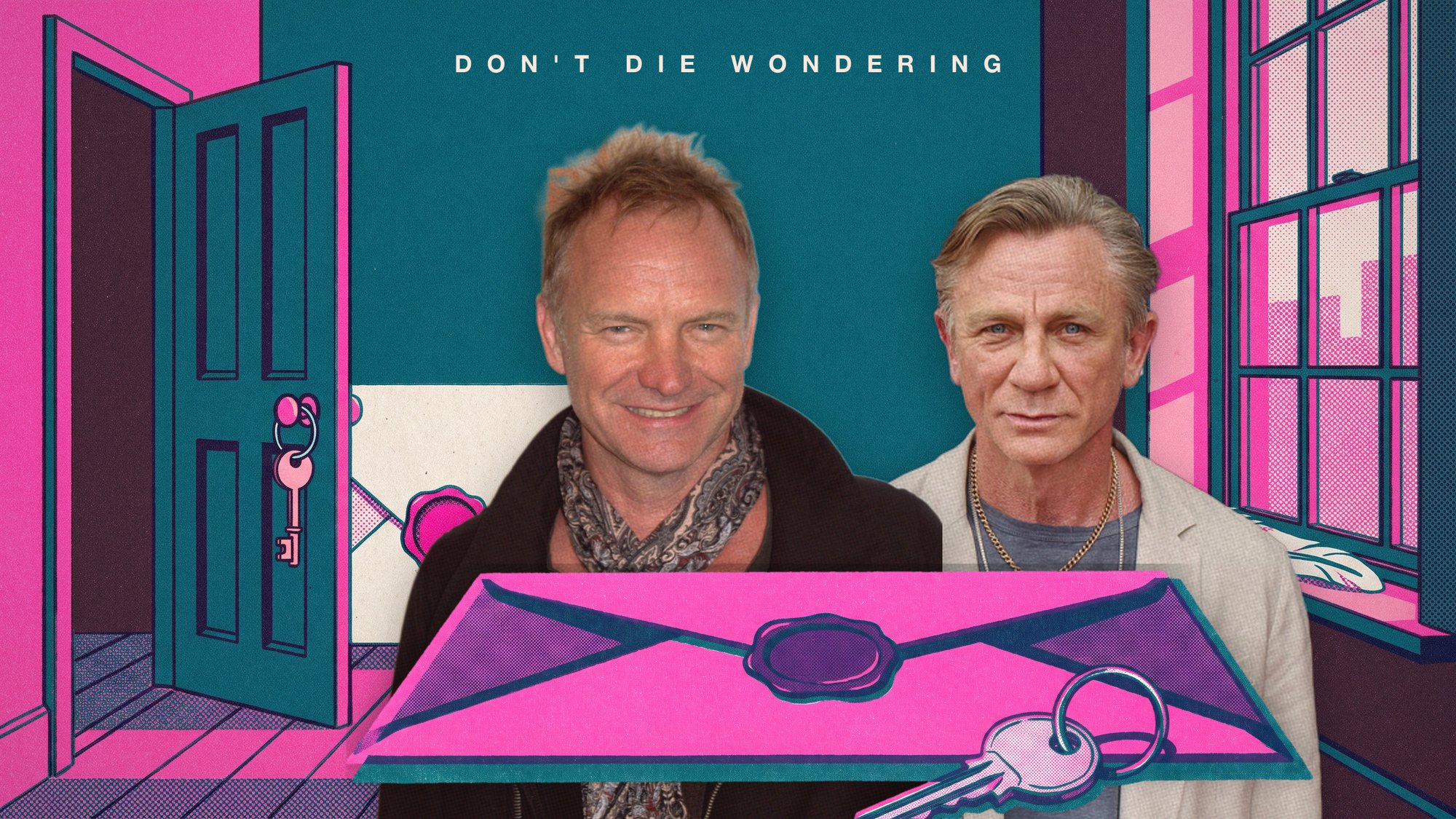
Cover: photographs David Shankbone (Sting, CC BY 3.0) and Max Surprenant (Daniel Craig, CC BY 4.0) via Wikimedia Commons, cut-outs; illustration, DDW.