

Unveiling the Soulful Enigma: Tattoos and Spirituality – Sacred designs, transformative journeys, and the art of self-discovery through body ink.
In the realm of self-expression, tattoos have emerged as powerful symbols of individuality and personal beliefs. But that is the modern framing of a much older arrangement: for most of recorded history, the sacred tattoo was not a subgenre of body art; it was the point. The oldest tattooed human remains carry ink placed with evident purpose, and nearly every tradition that marked skin did so to say something to the gods, the tribe, or the self. What follows is a field guide to where body, belief and ink meet, from the oldest marked bodies to what the data, and the industry’s most famous convert, now say about it.
Tattoo Placements: A Canvas for Spiritual Expression
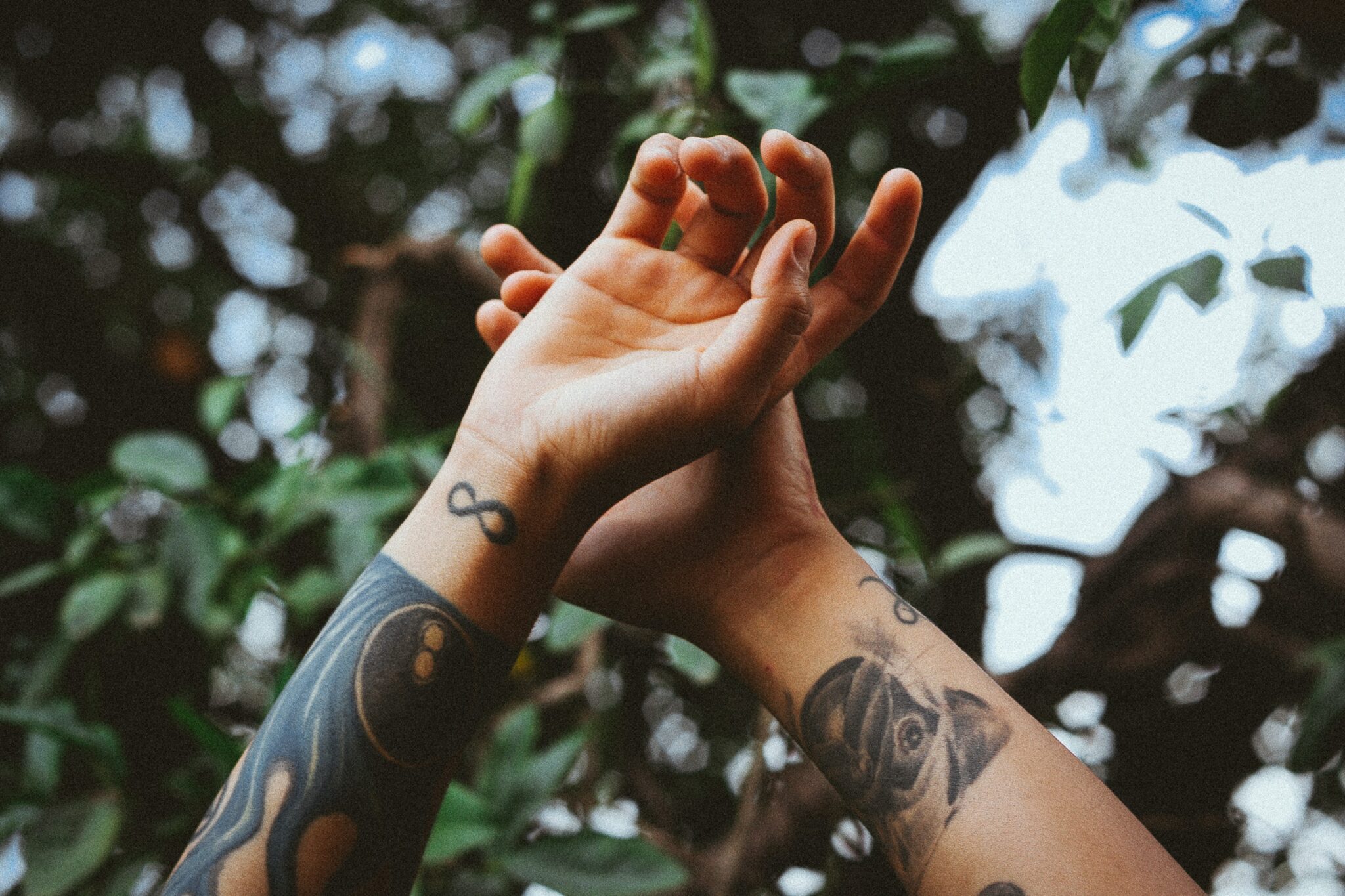
Where a tattoo sits often says as much as what it depicts. The space between the brows (the third-eye position in Hindu and Buddhist iconography) is chosen for marks of insight; the chest, closest to the heart, for devotion and grief; the spine for alignment, in both the literal and the yoga-studio senses. The most private placements are frequently the most meaningful: ink on the inner wrist or ribs faces its wearer, not the world. It is a distinction researchers have now actually measured.
The Significance of Tattoo Designs
The classic sacred motifs endure because they work as compressed theology. The lotus rises unstained from mud: rebirth, in one image. The mandala puts the cosmos into geometry a shoulder can carry. Script tattoos (a verse, a name, a date) are the most literal form of the genre: belief, quoted. The art of tattooing transcends mere aesthetics, evolving into a profound expression of one’s beliefs and spiritual journey, and the design library for that expression has been accumulating for several thousand years.
The Sacred Journey of Getting Inked
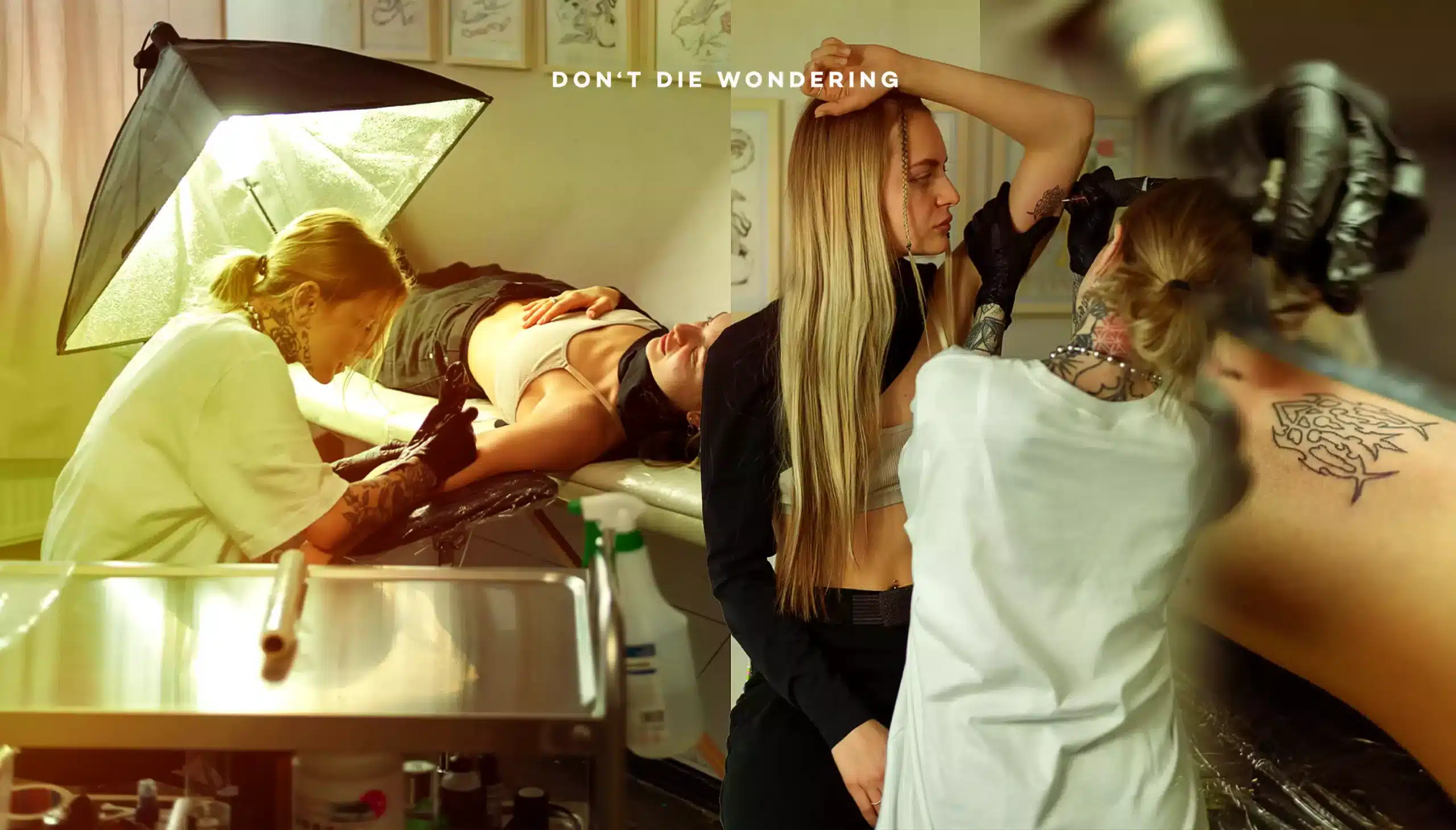
For many, the process itself is the ritual: the deliberation over a design, the weeks of sitting with its meaning, the appointment approached like a ceremony, and the pain accepted as the price of permanence. Some meditate or pray in the chair; almost everyone remembers the day. The ritual extends to the healing: a sacred mark deserves a clean recovery, and if redness, swelling, or a rash doesn’t settle as expected, a dermatologist in Salt Lake City, or wherever your skin happens to live, can tell you what it’s reacting to. Treating the aftercare as part of the rite is not fussiness; it’s consistency.
Older Than Ink: Piercings, Talismans and Marked Bodies
Tattooing’s sibling practice has its own ancient ledger. Piercing, including nose rings and other adornments, signalled status and beauty among the Egyptians, Greeks and Romans, and in many traditions both arts served as talismans: protection you wear because it cannot be lost, identity you carry because it cannot be confiscated. The marked body is humanity’s oldest continuously published document.
Sak Yant and Living Sacred Tattoo Culture
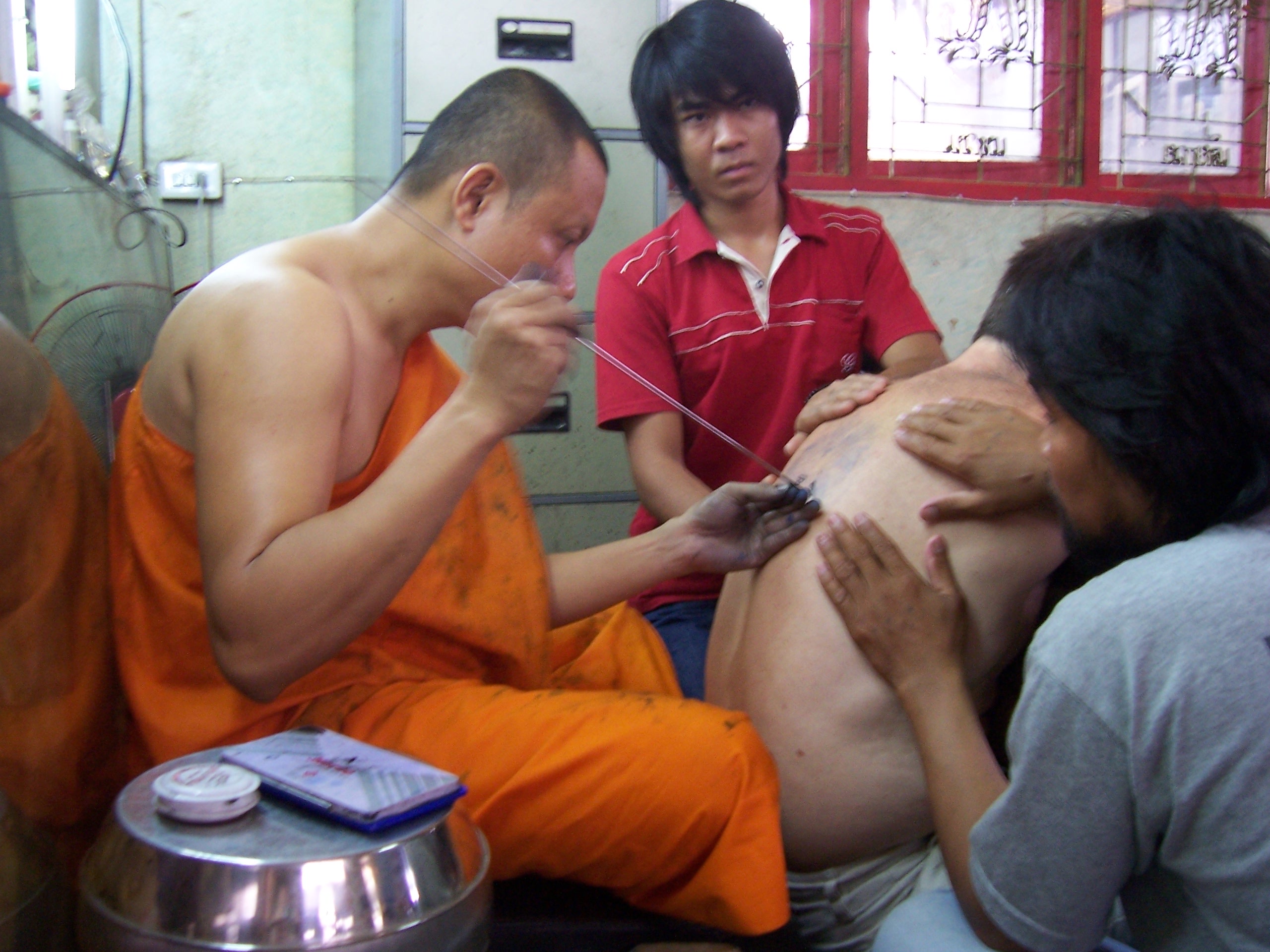
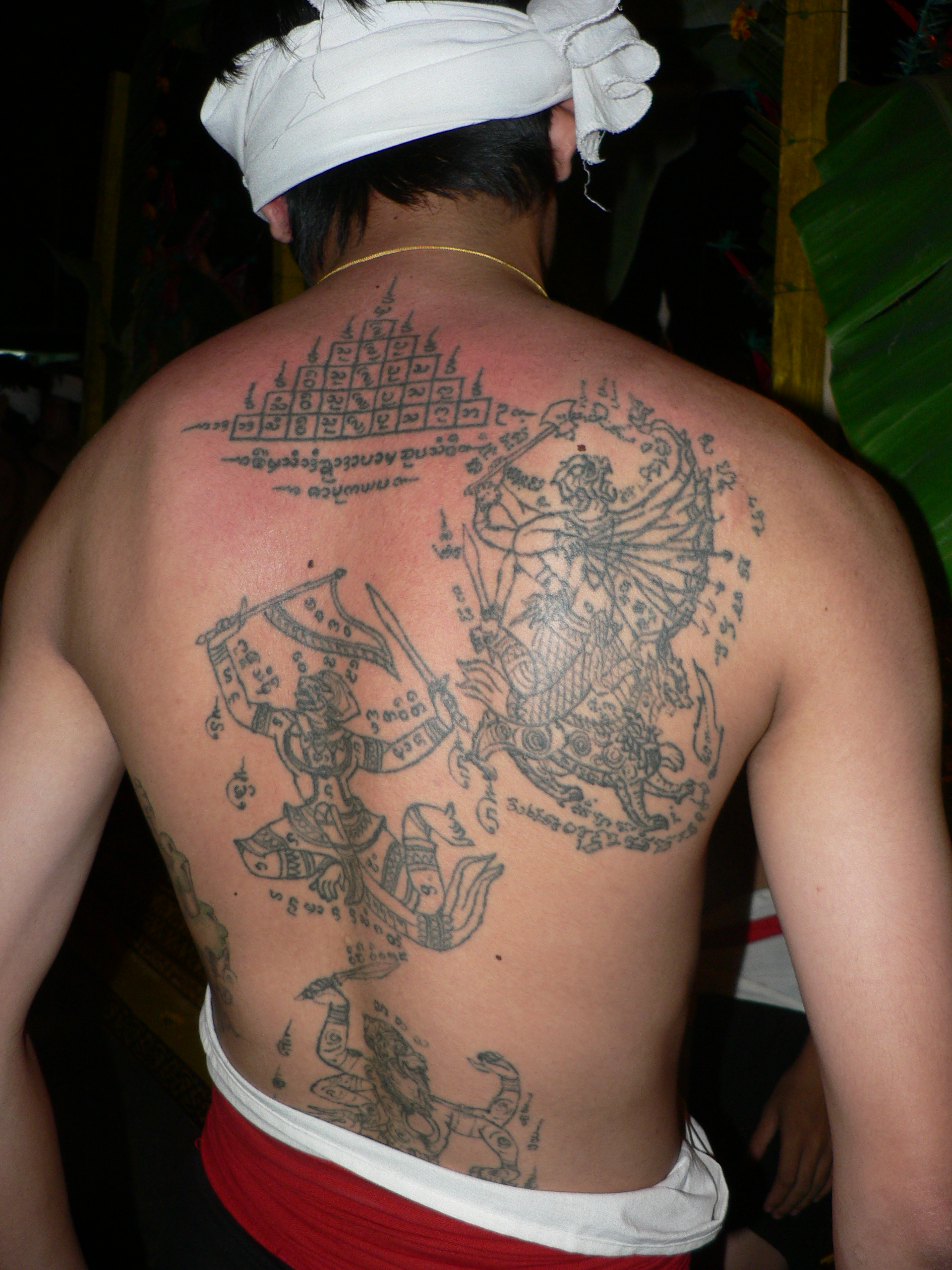
Sacred tattooing is not an anthropology exhibit; it is a live, bookable practice. Thailand’s Sak Yant tradition, in which blessed yantra designs are applied by monks and lay masters known as Ajarns, draws travellers in 2026 to Chiang Mai for quieter, more personal sessions and to Bangkok’s better-known temples with their celebrity masters. It is likely the easiest way a modern reader can experience a tattoo administered as a blessing rather than a purchase; for the wider phenomenon, see the travellers crossing the world for a tattoo and why your Bali tattoo could be your best one.
The Ledger, Revised: Tattoo Royalty Finds Religion
The premise is not an abstraction; the industry’s most famous skin is the proof. Kat Von D (tattoo royalty, LA Ink, founder of the beauty brand she sold to an LVMH subsidiary in 2020) has spent recent years publicly revising her own canvas: she renounced her occult practice in 2022, was baptized in October 2023, and announced in July 2025, via her own Instagram, that she had entered the Orthodox Church the previous Easter. Along the way she has been covering swathes of her older work in solid black. “Extremely refreshing,” she has said. She has asked, on her priest’s advice, to be spared the interview circuit for a while; her body, meanwhile, remains what it has always been: a public ledger of belief, revised in real time.
Sacred Ink by the Numbers
The data caught up in 2025. A Baylor University-led study put the first hard number on sacred ink: roughly 10 percent of American adults carry a tattoo of explicit religious or spiritual significance, against Pew’s 2023 baseline of 32 percent of Americans tattooed at all. Religious tattoos face inward toward the wearer 26 percent of the time, versus 18 percent for the rest. Devotion, measurably, more than display. “Tattoos are becoming modern-day sacred objects,” in the words of Jerome Koch, one of the study’s sociologists. As of this summer, clergy and prison-reentry programs profiled in the religious press are treating them as exactly that: testimony. For the person-led corners of this subject, see the story of Kate Moss’s Lucian Freud tattoo.
The Universal Language of Tattoos
Tattoos transcend language barriers, cultural divides, and geographical boundaries. They are the one biography a stranger can read without asking — which is precisely why people write their beliefs there.