

Two companies, a foundation in Austin and a 2012 promise that no court can enforce: Elon Musk says tax and time will shrink what his descendants receive, and the paperwork shows what there is to shrink.
The line that travelled was that Elon Musk’s heirs would get almost nothing. He said something narrower and odder. His descendants, a few generations from now, would hold a small fraction of what he has, and only if money still matters by then. His children were not the subject, his grandchildren barely were, and the condition carried most of the meaning.
What can be known sits in three places: Tesla’s proxy statements filed with the Securities and Exchange Commission, the Musk Foundation’s tax returns, and the Giving Pledge he signed in 2012. No will, trust or estate plan of his has been made public, and nothing below should be read as describing one. What follows covers what he said, what he owns, where the giving goes and what he has promised.
What Musk said to Isaacson
He said it to Walter Isaacson, who wrote the 2023 biography Elon Musk and opened his podcast The Builders with him in an episode released in October 2026. Isaacson introduced him as a man who had become a trillionaire with the SpaceX listing in June. Musk spent the next stretch explaining why that word misleads.
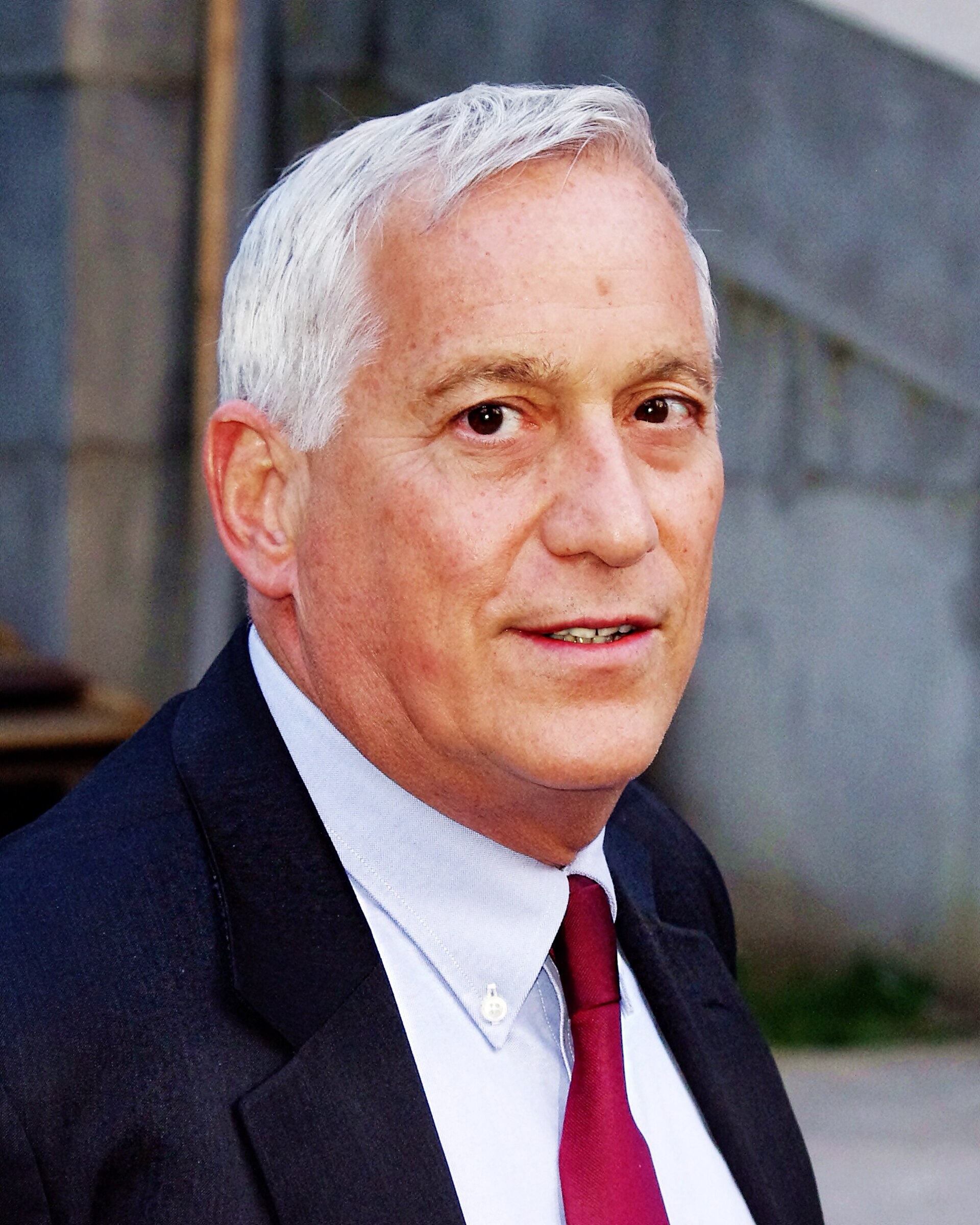
His wealth, he said, is a percentage ownership in SpaceX and Tesla. It will be taxed heavily, and he saw no clever way round that. Over time it will be whittled down until his descendants hold a tiny fraction of it. He added the caveat about money still mattering, which fits a man who talks at length about a future of abundance.
It is a founder’s description of a fortune. Nothing in it promises or disinherits anyone. He described arithmetic and the passing of time. Musk talks about inheritance in terms of dilution.
A fortune made of shares in companies he runs
Mostly shares, and shares in companies he runs. That distinction matters more for inheritance than any headline number. A pile of cash can be divided by a solicitor in an afternoon. A large holding in a listed company comes with board seats, votes and a chief executive’s ability to keep his job, and splitting it among many descendants changes what it is.
Tesla’s documents set out the visible half. The 2025 preliminary proxy put his beneficial ownership at 19.7 per cent of the outstanding shares, a figure Tesla presents in a way designed to avoid counting his awards twice. The definitive proxy filed in October 2026 dates its ownership table to 30 September 2026, against 3,952,648,559 shares outstanding. On the 2025 pay award, it records that none of the tranches has been earned or vested as of the proxy date.
That last point is easy to miss. Much of what people treat as Musk’s future Tesla wealth exists, for now, as targets he has not yet met. In a company where the founder has fought for voting control, a promise of more shares is also a promise of more say.
SpaceX is the other half, and the larger mystery. It went public in June 2026, but no percentage for his stake appears in the documents to hand, and guessing one would be the start of fiction.
So the first answer to what his children might inherit is a share of a share register. Our reading is plain: a founder’s fortune is stock and voting control, and whittling it down over a few generations still leaves a dynasty. A small fraction of a very large holding remains a very large holding.
Two foundations, one name
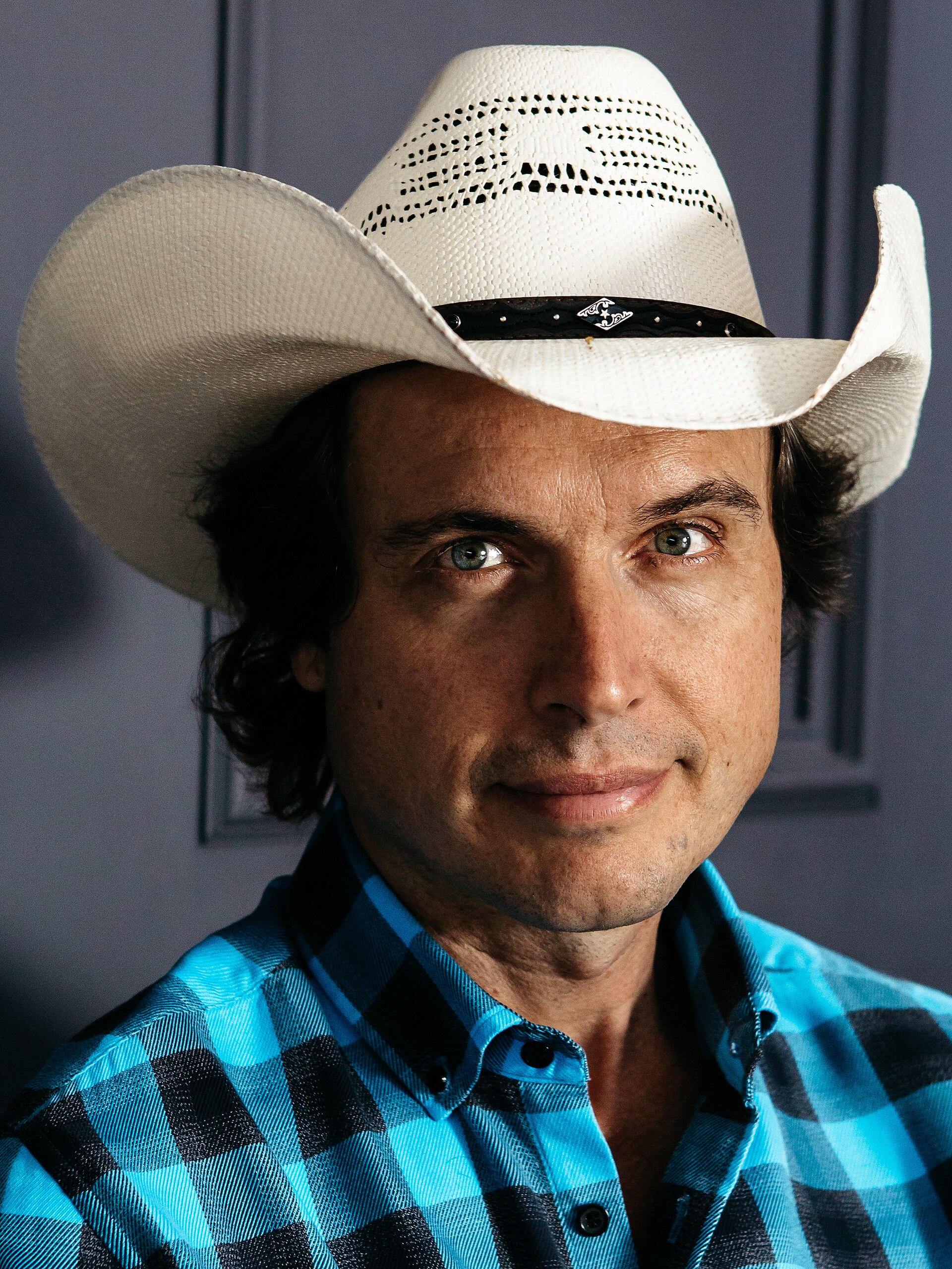
There are two entities, and the family history sits in the gap between them. The older Musk Foundation, registered under EIN 77-0587507, has been tax-exempt since March 2002 and has public filings from 2011 to 2021. In its earlier years Kimbal Musk, Elon’s brother, served as secretary, treasurer and director. Kimbal also appears in Tesla’s 2026 proxy with 1,376,373 shares, under one per cent, which in this company makes him a relative rather than a power.
The current foundation, based in Austin, Texas, files under EIN 85-2133087. Its Form 990 returns from 2020 to 2024 are on ProPublica’s Nonprofit Explorer, and every one lists Elon Musk as president and director, paid nothing.
That structure carries the inheritance question. A private foundation is the usual place a founder’s shares go when they are meant to outlast him without passing through the children. It keeps the money in the family’s name while keeping it out of the family’s pockets. The foundation’s assets are reported at both book value and market value, and the two can differ by an order of magnitude when the holdings are appreciated stock. Anyone who wants to follow where the Musk fortune ends up should read those returns, which arrive each year, rather than the podcasts, which arrive whenever he feels like talking.
The Giving Pledge binds him morally, not legally
He is bound morally, but not legally. He was among twelve new signatories announced by the Giving Pledge on 19 April 2012, which brought the total to 81. The Pledge invites the very rich to commit more than half their wealth to philanthropy, either during their lifetime or in a will. It is a moral commitment with no contract behind it and no one to enforce it.
The San Francisco Standard, looking back on the Pledge at fifteen in July 2025, noted that in 2021 Musk sold 15.7 million Tesla shares for more than $16 billion, after years of giving sparingly. The same piece set out an analysis by the Institute for Policy Studies of how pledgers’ fortunes have grown faster than their giving. That criticism applies to the Pledge as a whole, and it is the Institute’s argument.
For his children, the Pledge matters in one specific way. If he keeps it, more than half of whatever he has at the end goes somewhere other than his descendants. That is a larger subtraction than any tax he mentioned to Isaacson.
A SpaceX share for every child in America
On 19 October 2026, the day before the episode went out, Musk posted on X that next year he would give one SpaceX share to every child in America, calling it “the first of many”. It was a public promise, made in a public place, and it read as the opposite of a dynasty: a stake handed to strangers rather than kept in the family. It sits comfortably beside his remarks to Isaacson. A man who thinks money may stop mattering can hand it out generously.
What he has not said is how many shares, at what value, through which vehicle or on what terms. Until he does, it remains a post on X.
The long fade
Nothing he has said rules it out, and nothing public describes how his estate will be divided. What he described to Isaacson was a long fade: a fortune taxed heavily and whittled down over a few generations of descendants. A fade is not a disinheritance. It is what happens to every fortune nobody writes down, and his is only larger than most.
Read Next: 14 Friends, George Clooney and a Million Dollars Each, 2026
Cover photograph: U.S. Department of State from United States via Wikimedia Commons (Public domain).