


The heiress in MGM+’s new Gilded Age series is invented, but the real one its showrunner name-checks married a duke at 18, divorced him, and still asked to be buried near Blenheim.
Consuelo Vanderbilt’s marriage to the 9th Duke of Marlborough failed by most of the measures a marriage is held to. The bargain underneath it lasted longer than either of them did. A New York fortune was matched to an Oxfordshire palace, and the match survived a separation, a divorce and an annulment.
MGM+ has put the type back in view. Its release of 10 November 2026 announced The American Heiress, an eight-episode romantic comedy of manners based on Daisy Goodwin’s novel, with Julianna Margulies as Isabella Cash. Isabella is an American mother who wants a title for her daughter, Cora, and both women are invented. Goodwin, who is also an executive producer, pitched the series in the same release with “think Consuelo Vanderbilt meets Rebecca!”, which is about the right dose of history for a romance.
Deadline, on 11 November 2026, dated the novel to 2011 and set the series across America’s Gilded Age and Victorian England. Variety, the same day, gave the book’s other title, My Last Duchess, and named Catherine Morshead, Sandra Goldbacher and Edward Hall as directors. Fifth Season and MGM+ Studios are making it together. Production starts in the UK this month, and the series will premiere on MGM+ in the US, the UK, Germany, Italy, Spain, the Netherlands and Latin America.
The Cashes are Goodwin’s to arrange as she likes. DDW’s reading is that the real arrangement makes the better comedy of manners, because its manners held long after its feelings had gone.
Alva Vanderbilt steered her daughter to Blenheim
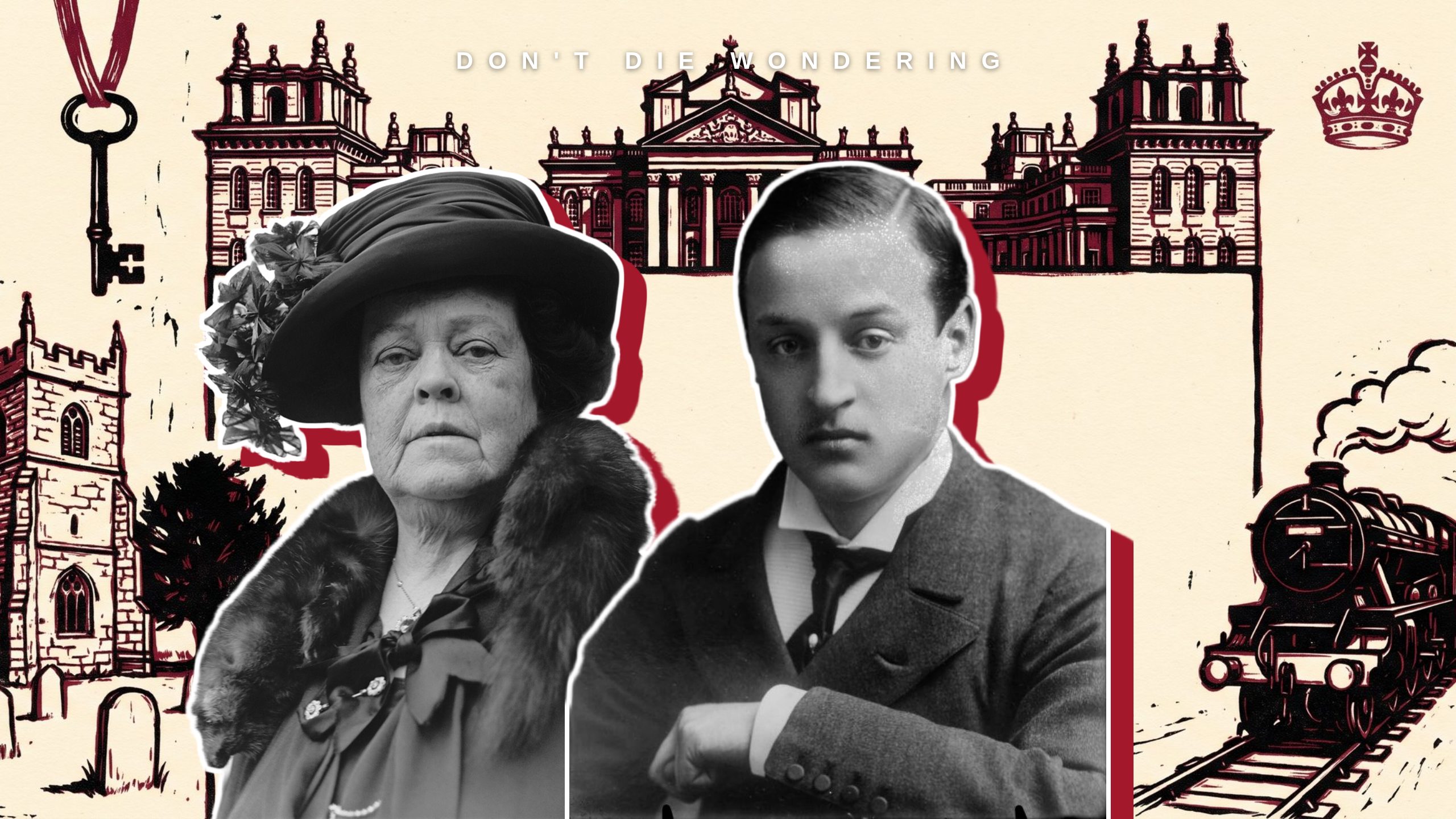
Consuelo was born on 2 March 1877, the daughter of William Kissam Vanderbilt and of Alva. It was Alva who drove the match. The introduction came through her friend Minnie Paget, as the National Portrait Gallery records, and it led to the most useful sort of young man an ambitious American mother could find in the 1890s: an unmarried English duke with a house to keep up.
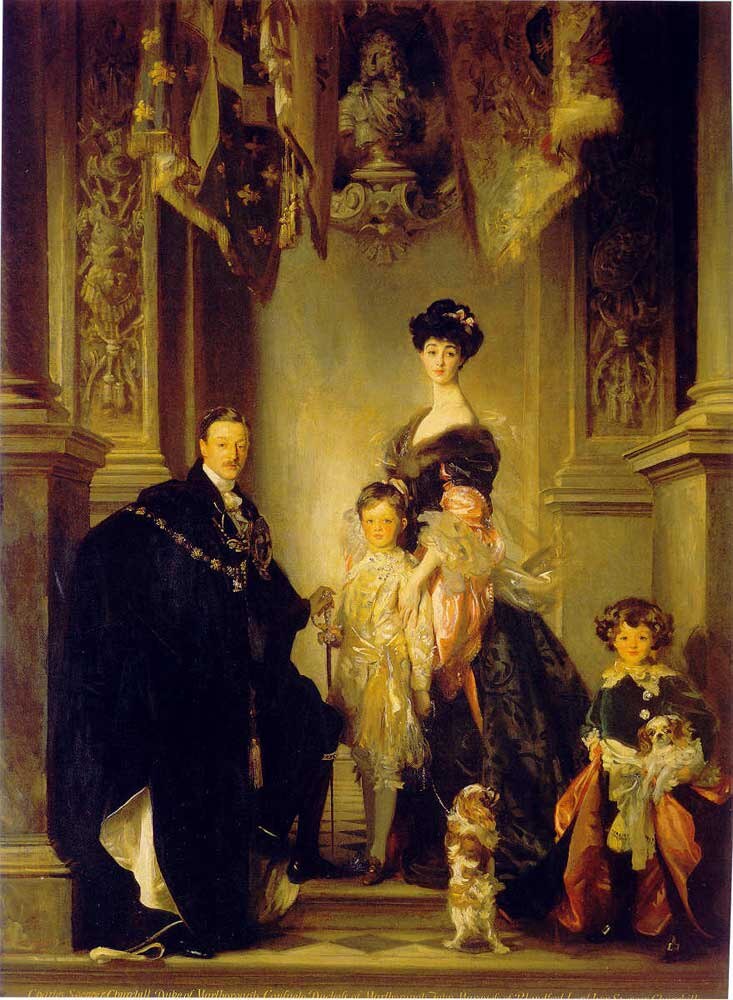
He was Charles Spencer-Churchill, known as Sunny. Blenheim’s own family tree records his birth on 13 November 1871 and his succession to the dukedom on 9 November 1892. On the wedding day he had held the title for three years, which is not long to learn what a palace costs.
They married at twelve o’clock on Wednesday 6 November 1895, at St Thomas Church on Fifth Avenue, a week before the Duke’s 24th birthday, when she was 18.
The story that she went to the altar unwillingly rests largely on Consuelo’s own account, and on Alva’s reported later admission. Consuelo had been secretly engaged to an American, Winthrop Rutherfurd, and had planned to elope. She was locked in her room. On the honeymoon, the Duke reportedly told her that he had married her to save Blenheim. If so, he was at least clear about the terms.
The terms, at least, were generous. The National Portrait Gallery puts her dowry at $2.5 million and says it was used to improve Blenheim Palace. It was settled in railroad stock. A title passes by blood, but the roof over it has always been paid for by settlement.
The two sides understood each other well enough. The Vanderbilts wanted a coronet, and a palace in need of improvement got the money for it. Whatever was missing from the arrangement had never been part of the contract.
The annulment came after her second wedding
The marriage did its dynastic work quickly. John was born in 1897 and Ivor in 1898, and John would in time become the 10th Duke. Her father built her Sunderland House, a mansion in Curzon Street, so that the Duchess of Marlborough had a London house of her own and did not depend on her husband for one.
She needed it, because the couple had separated informally within about ten years of the wedding, and a divorce followed. The Duke stayed at Blenheim with the title. The Duchess stayed in London with the Vanderbilt money that had been settled on her and the house her father had built.
Consuelo married Jacques Balsan on 4 July 1921.
The first marriage was not finished with her yet. On 19 August 1926, more than five years into her second marriage and more than thirty years after St Thomas Church, the marriage to the Duke was annulled, at his request and with her assent. A union that had produced a future duke was undone on paper three decades after the vows. The paperwork changed and the family did not: when the 9th Duke died on 30 June 1934, the dukedom passed to Consuelo’s son John.
The Duke married again, to Gladys Deacon, daughter of Edward Parker Deacon. That marriage did not end happily either. The pattern says more about Blenheim than about either wife: the house came first, and every marriage was expected to serve it.
Consuelo asked to be buried at Bladon
She outlived the Duke by thirty years. Consuelo died on 6 December 1964 in Southampton, New York, aged 87. At her own request she was buried at Bladon, near Blenheim, beside her son Lord Ivor Spencer-Churchill.
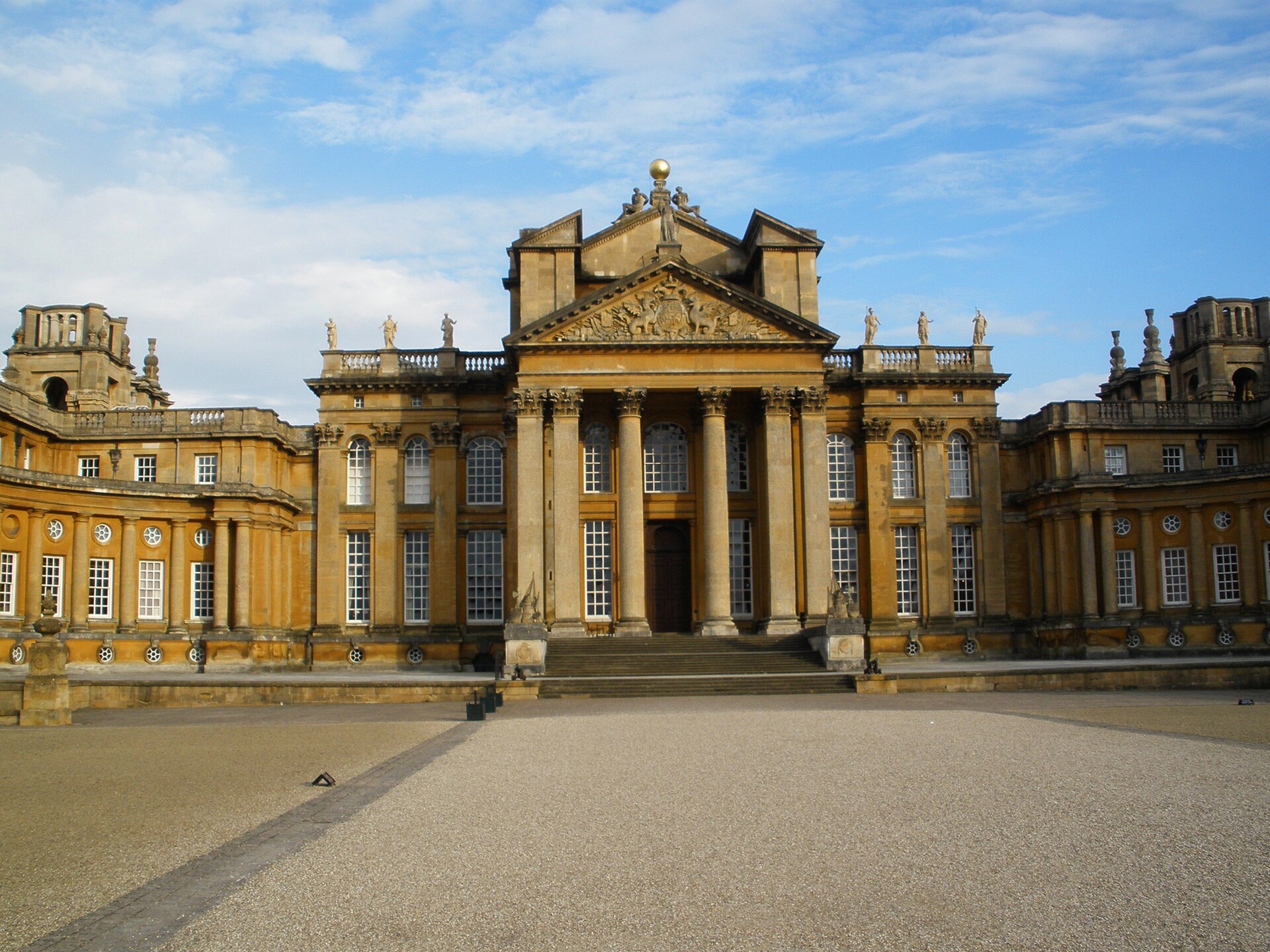
That request is the detail to repeat at dinner. A woman who, by her own account, had been married off to a palace, who had left it, divorced its owner, remarried and seen the first marriage annulled, asked to come back and lie within reach of it. Biography can try to explain that, but DDW will not guess at her reasons. Her request is on the record, and it is enough.
The rest of the family’s record shows how long the bargain ran. The National Portrait Gallery’s entry lists among her relations her grandson, the 11th Duke of Marlborough, born John George Vanderbilt Spencer-Churchill. The mother’s name had moved into the middle of a ducal one, and it was still there in the next generation. Alva had wanted a duke in the family. She got a dukedom with Vanderbilt written into it.
Every party to the 1895 settlement got what it came for. Blenheim got money for improvements. The Duke got his palace saved, on his own reported reckoning. The Vanderbilts got a duchess, then a duke as a grandson, then another as a great-grandson. Consuelo got a title, two sons, a London house and in the end a way out, and she used every one of them.
MGM+ will give Cora and Isabella Cash whatever ending Daisy Goodwin writes for them, and it will probably involve a kiss. Consuelo’s ending is at Bladon, beside Lord Ivor, near the palace her dowry improved.
Read Next: Truman Capote’s Black and White Ball Rules, Read Again in 2026
Cover photograph via Wikimedia Commons; Adam Cuerden via Wikimedia Commons (Public domain).