A studio executive told the young Harrison Ford he had no future and suggested an Elvis haircut; some years and a good deal of carpentry later, his films anchored a company Disney would buy outright.
Harrison Ford’s first studio salary is usually retold as the hard-luck chapter, the lean years before the blaster and the bullwhip. In the versions Ford gives himself, it comes out as a joke about his own price, and he has had plenty of practice with the timing.
The early salaries rest on Ford’s recollection. The largest sum in the story sits in a Disney filing with the US Securities and Exchange Commission, and it was paid to somebody else.
Columbia hired him as a contract player
The version people quote most comes from Variety in July 2025, after the first Emmy nomination of his career, for Shrinking. Asked about the beginning, Ford went back to Columbia Pictures and gave the figure in a single sentence.
“…under contract to Columbia Pictures at the time for $150 a week, and all the respect that that implies,” Ford told Variety in July 2025.
The second half of that sentence is the part worth keeping. DDW’s reading is that it shows a man of 83 pricing his younger self at studio rates and finding the sum funny rather than sad. That tone is the only one in which an actor with his filmography can tell a story about a starting wage without it sounding like false modesty, and Ford has the deadpan for it. The irony is dry, and nobody should mistake it for gratitude. It is closer to a man reading out an old restaurant bill.
A Laguna Playhouse composer made the introduction
The route to Columbia ran through a theatre and a composer. Ford told The Hollywood Reporter’s Awards Chatter that the introduction came through Ian Bernard, who had written the incidental music for a production of John Brown’s Body at Laguna Playhouse in which Ford was appearing.
The offer came when Ford went back to the studio. In the same conversation he recalled it being put to him as a starting rate on a contract that would run seven years. Those are terms a young actor tends to hear as security. A studio, in Ford’s later telling, appears to have heard them rather differently.
Incidental music turned out to be the least incidental thing in the whole arrangement.
The studio said he had no future
Variety describes his first on-screen part as a bellboy in Dead Heat on a Merry-Go-Round. It was not a role that announced a leading man, and the studio did not take it as one.
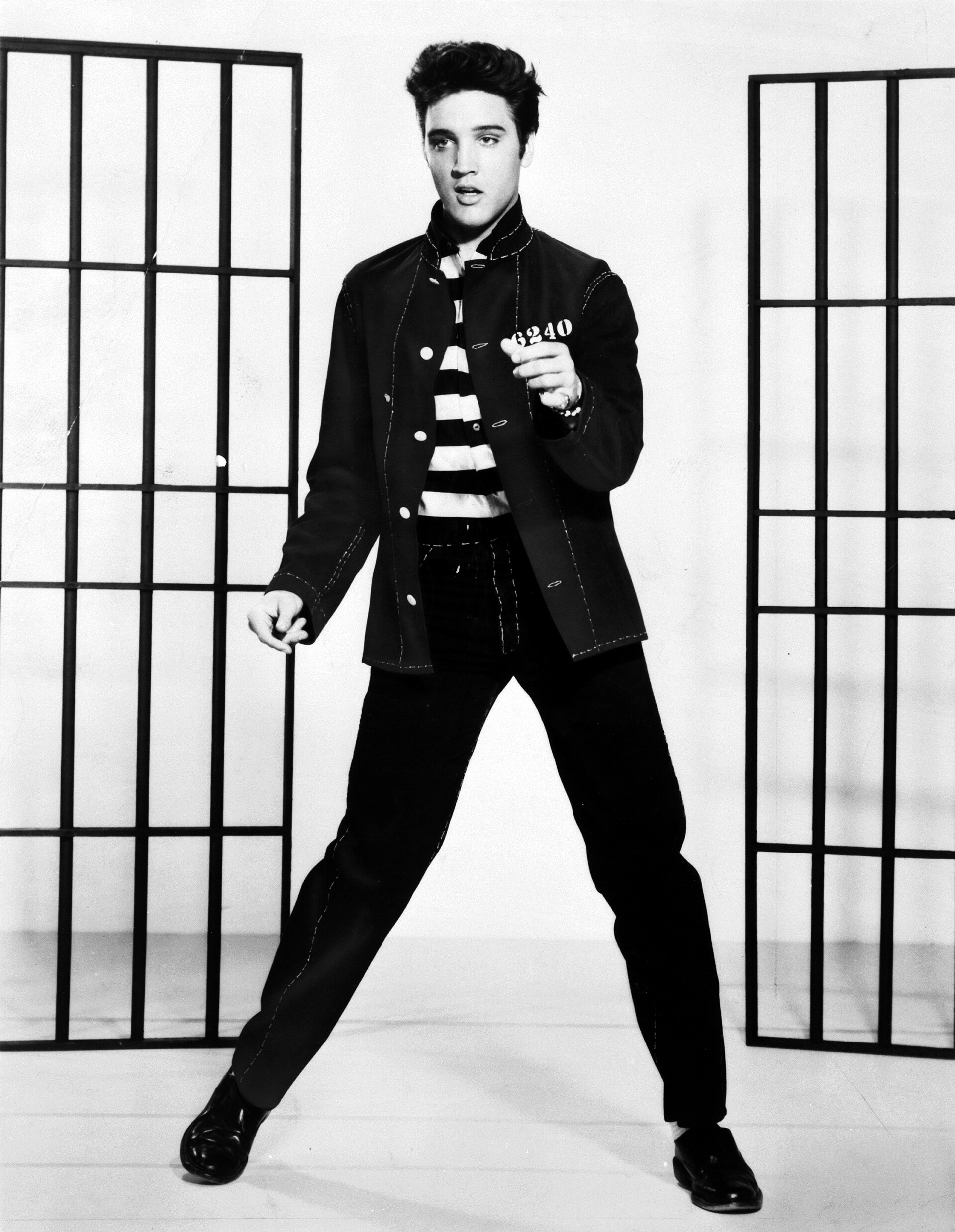
In Ford’s account to Variety, the head of Columbia’s new talent programme told him he had no future in the business. The same executive asked him to get his hair cut like Elvis Presley. Ford does not name the man in that interview, and the story needs no name: the advice is the detail that lasts. Studios in that era had a fixed idea of what a young man on the payroll ought to look like, and Ford’s hair, apparently, was not it.
The coda is the gentlest part. Years later, by then on the wrong side of a famous misjudgement, the executive sent Ford a card conceding that he had guessed wrong. Most people who write off a future film star never get round to the note. This one did, which is more than can be said for most talent scouts.
Woodwork paid the bills between parts
Ford was out of the Columbia deal, and out of a later contract at Universal, inside two years. What came next was carpentry, a trade he taught himself from books borrowed from the Encino Public Library.
The trade overlapped with the acting rather than replacing it. Francis Ford Coppola hired him as both carpenter and actor, and Ford had small parts in The Conversation in 1974 and Apocalypse Now in 1979. A man who could build a cabinet and also turn up on a Coppola set had, in effect, two employers in the same business and a useful independence from either of them.
A man who can hang a door is never entirely at the mercy of a casting director.
That independence is the quiet engine of the story. A contract player on a weekly rate waits to be told what to do. A carpenter sets his own hours, chooses his clients, and can turn down a part that does not suit him without the rent going unpaid. Whatever Ford earned with his hands, it bought him time, which for an actor in the years between a studio dismissal and a breakthrough is the scarcest thing there is.
George Lucas cast him, then sold Lucasfilm
George Lucas cast Ford in American Graffiti in 1973, Lucas’s second feature, and then in Star Wars, which reached cinemas in 1977. The films made Ford a star. The company that made the films stayed with Lucas.
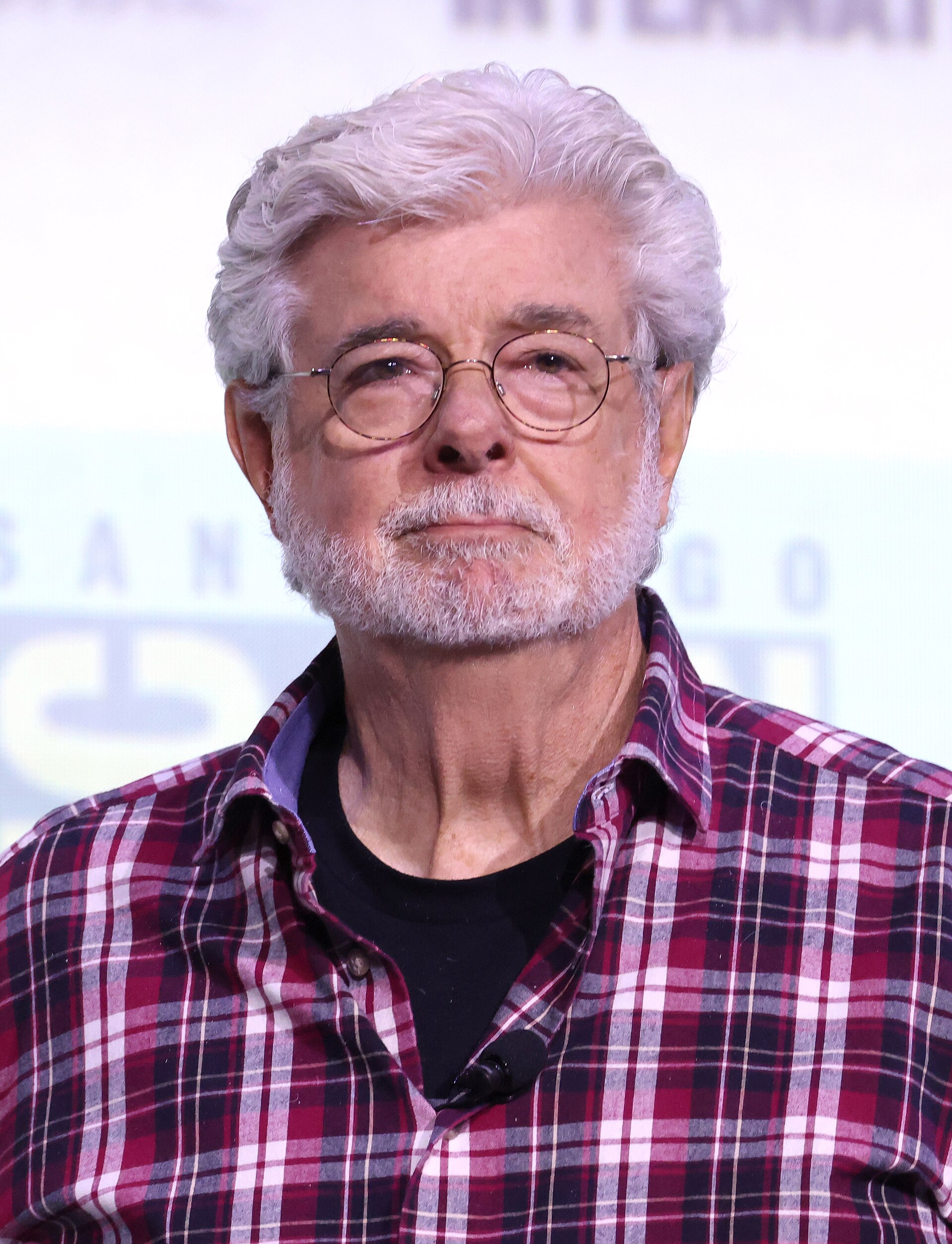
On 30 October 2012, The Walt Disney Company announced that it had agreed to buy Lucasfilm Ltd. Disney’s own release, filed with the SEC, put the transaction value at $4.05 billion, calculated on Disney’s closing share price of 26 October 2012. The release named Lucas as the company’s chairman, founder and 100 per cent owner.
The same release set out what happened next. Kathleen Kennedy, then Lucasfilm’s co-chair, would become its president, reporting to Alan Horn, chairman of Disney’s studios. It also gave a target date for Star Wars: Episode 7: 2015.
The comparison everyone reaches for is the actor’s starting wage against the company’s sale price. It works only as a picture of scale. Ford was hired to act in films; he was never selling a studio, and the release records no other owner. The two sums belong to different kinds of transaction, one a weekly wage paid by Columbia to a beginner, the other a corporate acquisition negotiated between Disney and the man who owned the whole of Lucasfilm.
For readers drawn to how a creative family business passes into a conglomerate’s hands, the arrangement has a useful parallel in the Broccolis and Bond.
Disney paid Lucas, Lucasfilm’s only owner
The obvious question after the Columbia story is whether any of Disney’s money reached the actor who played Han Solo. The release answers it in its own terms. Lucasfilm was wholly owned by George Lucas, and the price went to the owner: about half in cash, with roughly 40 million Disney shares issued at closing for the remainder.
Ford’s pay, from that first starting rate onward, came from the studios that hired him for his work. The company that grew around the films was a separate thing, held by one man and sold by him. That leaves Ford with the better anecdote and Lucas with the larger cheque, and neither appears to have wanted to swap.
Every share of Lucasfilm belonged to George Lucas.
Read Next: The Broccolis Still Own the Bond They No Longer Choose