

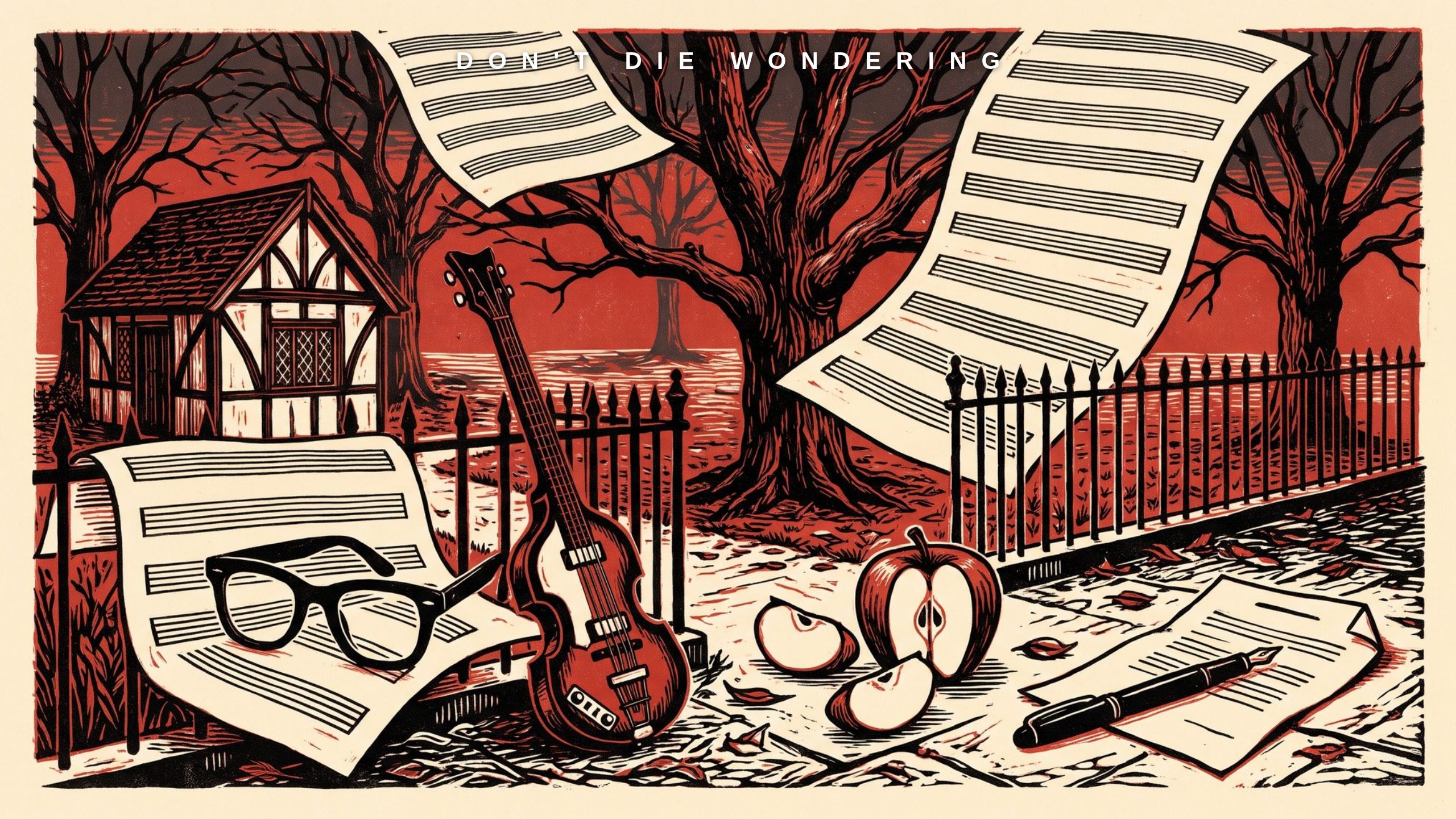
Buddy Holly’s songs, the score of Grease and a small company in Soho Square explain more of Forbes’s billionaire Beatle than any stadium encore ever could.
Forbes estimates Paul McCartney is a billionaire, and by the magazine’s account his biggest business is a music publisher he started while the Beatles were still a going concern. Forbes, opening a newsletter on 9 November that it named after its own office shorthand for “billionaire” (a name suggesting the wealth team is better company at parties than its tables imply), put his fortune at $1.4bn. That makes him the third-richest musician in the world, behind Taylor Swift and Jay-Z.
The magazine says he “sung, sued, countersued, toured and toiled” his way there. Of those five verbs, the legal ones are the most interesting.
The headline is newer than it looks. Britain’s best-known rich list has counted him and his wife, Nancy Shevell, as billionaires together since 2024. What Forbes has added is a figure for Paul alone, and his representatives had not commented when Yahoo carried the story. A man who has spent sixty years being asked about money has worked out that saying nothing costs less.
A penny an album, then Soho
Begin with the deal that made the point for him. Forbes reports that the Beatles’ record contract is said to have paid them less than a penny an album. The copyrights to the songs they wrote were controlled by their publisher, Dick James. McCartney, in an essay Forbes republished this week, called the publishing arrangement “basically a slave contract”, and complained that however successful the company grew, the band never got a raise.
Most young men with that grievance write a bitter song about it. McCartney formed a company instead. Companies House shows the company now called MPL Communications was incorporated on 30 December 1968 as McCartney Productions Limited, a name it kept until the end of 1976. Forbes dates the launch to 1969, months before the band broke up. The company existed to hold his solo publishing and his master recordings, which meant that whatever he wrote next would answer to him.
It is still there, registered in Soho Square, still active, and still filing small-company accounts that tell the curious very little. Forbes is less shy on its behalf. It calls MPL his biggest business, owner of thousands of songs, “likely” earning tens of millions a year and worth at least $250m.
The fortune is less an accident of fame than the result of learning to read a contract.
Buying Buddy Holly early
Then he did something few of his peers thought to do. He started buying other people’s songs. Forbes says McCartney was acquiring publishing copyrights “decades before the music catalog boom”, the stampede in which ageing rock stars sold their back catalogues to investment funds. The Buddy Holly catalogue went into MPL. So did the rights to It’s Beginning To Look A Lot Like Christmas and Baby, It’s Cold Outside, and to musicals including Grease and Annie.
This is the detail worth taking to dinner. Somewhere tonight a sixth form is rehearsing “Summer Nights” in a draughty hall, and the rights behind the score belong to a former Beatle’s company in Soho. Every December, two of the standards drifting through department stores come from the same catalogue. McCartney found a way to be paid for other people’s sentiment, and they never had to know his name.
The obvious objection is that the Beatles songs are the fortune, and that a man with “Yesterday” to his name hardly needed Buddy Holly. The history runs the other way. McCartney lost control of those songs for decades. Michael Jackson bought the copyrights in 1985, after outbidding McCartney. Sony bought into the catalogue in the 1990s, through the joint venture Sony/ATV, and in March 2016 it took full control by buying out Jackson’s estate.
In January 2017 McCartney sued Sony/ATV in Manhattan federal court over his share of the songs he wrote with John Lennon. The case was settled in June that year on confidential terms, and those terms are still private. Forbes now says he owns all his American publishing. In the essay he credits his lawyers, John and Lee Eastman, as “really smart” and as the people who helped him get his copyrights back.
So the Beatles songs, far from proving the publisher wrong, are the songs the publisher spent half a century recovering. The man who owned Buddy Holly’s work was locked out of a good deal of his own, and the outsider’s catalogue paid the bills while the lawyers did the rest.
What a catalogue outlives
Everything else in Forbes’s estimate is the ordinary furniture of a rich musician. The Washington Times lists touring, including 79 shows on the Got Back tour between 2022 and 2025, along with property and paintings by Magritte and Picasso. Forbes also counts real estate in the UK and the Hamptons. These are things a rich man has, and touring at 84 requires him to turn up.
A copyright does not need him there. That is the quiet logic of the whole enterprise, and the Beatles already show it at work in their own house. Apple Corps, the band’s company, pays a quarter share each to McCartney, to Ringo Starr, and to the estates of John Lennon and George Harrison. The estates keep collecting long after the men have gone, and anyone who has followed the Lennons knows how much family arrangement can hang on a share like that.
McCartney has five children, with forty-one years between the eldest and the youngest. Nobody has said what happens to MPL, or to his quarter of Apple, and it would be impertinent to guess. All the public record shows is a company with a registered office, a filing history and its founder’s name among the officers, built to hold songs on behalf of whoever owns it.
Starr, meanwhile, is reported to be preparing to share a stage with him again. The two surviving Beatles still draw crowds, though the cheques that matter most will keep coming whether they do or not.
Of the four Apple shares, two are already paid to estates.