

Eton now costs £63,298.80 a year including VAT, and the tells that actually give the old money away are free: a napkin, a supper, a house with a name instead of a number.
Around 18 per cent of Eton boys were on financial assistance in 2023/24, at an average of 71 per cent of fees, which makes Britain’s loudest old-money tell partly means-tested.
A note on method before the figures. Every number here is one a named outlet has published, credited in the sentence that uses it: the Sunday Times Rich List 2026 as reported locally in Cheshire, Eton’s termly fee as set out by Superprof’s admissions guide, the college’s bursary spending as listed on its school record. Nothing is rounded up, nothing is estimated in-house, and where a verified 2026 figure does not exist, there is no figure. Harrow’s current fees, for instance, could not be confirmed from a primary source for this piece, so they are absent. The entries run roughly in order of how quickly each tell does its work, from the one that lands before the starter to the one that takes a generation.
1954
Alan S. C. Ross, then Professor of Linguistics at Birmingham University, published the U and non-U classification in 1954: U for upper class, non-U for everyone performing it. Nancy Mitford took the terminology up in an essay, “The English Aristocracy”, for Stephen Spender’s magazine Encounter, and the thing escaped the seminar room entirely. The Lady, dating the essay that lit the fuse to 1955, records that the national argument it provoked surprised even Mitford, who was not easily surprised. The anthology followed in 1956 as Noblesse Oblige.
The glossary still runs more or less unchanged. Napkin, never serviette, no matter who is laying the table. Bike rather than cycle, sick rather than ill. House, not home, which is why estate agents sell homes and nobody who owns one calls it that.
Seventy-odd years of social mobility have not retired a single pair. They have only made the pairs harder to find in print, which is why the internet keeps looking.
2 words for the same meal
Supper and dinner describe the same plate at the same hour, and choosing between them sorts the room. Within the U and non-U reading set out by Performance in English, praising a host’s supper carries an implication the host will hear: that the meal was thin and you are being gracious about it.
The trap is that both words are correct, and the wrong one is only wrong in company that already knows.
11,000 acres
The Grosvenor country seat is called Eaton Hall, in Cheshire, and it sits inside an estate of 11,000 acres. The family also holds the Abbeystead Estate in Lancashire, plus land in Scotland and Spain, according to HELLO!, and roughly 300 acres of Mayfair and Belgravia in central London.
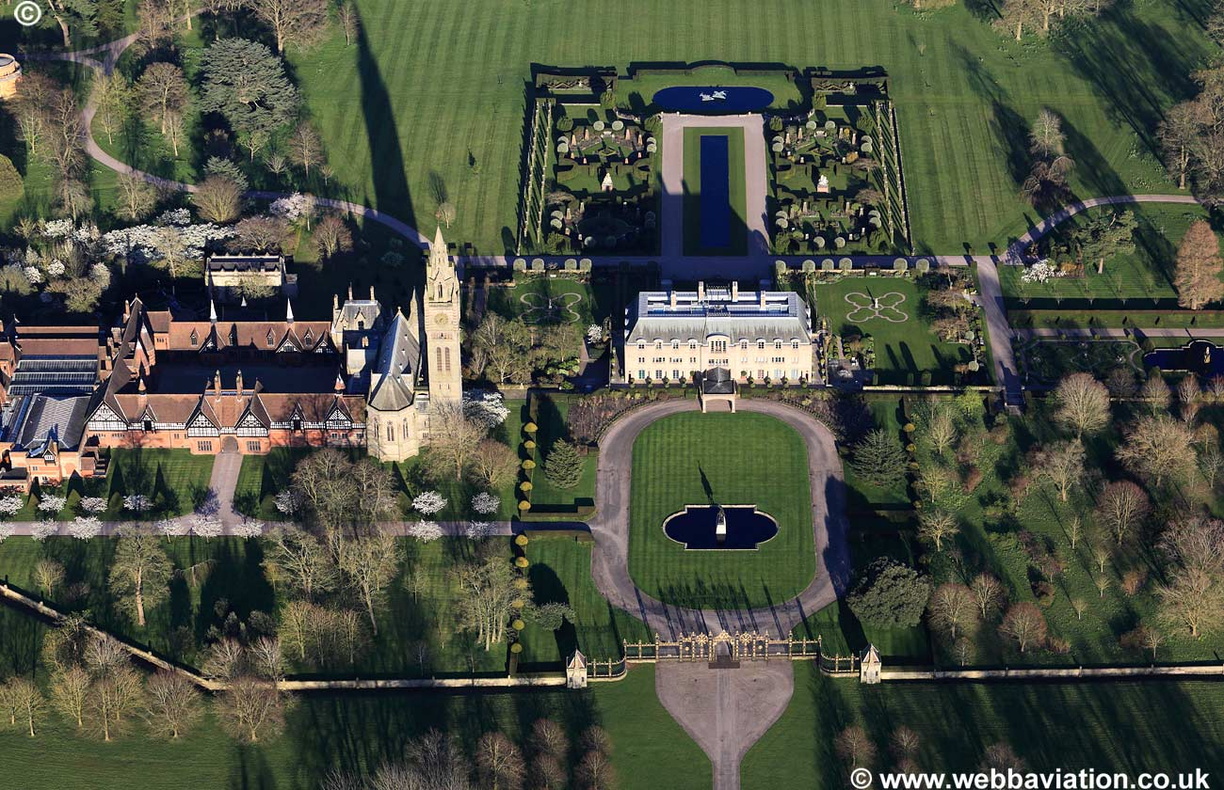
Note what none of those have, which is a number on the gate. The address tell is the quietest one on this list because it requires no behaviour at all: the house was named before the postal system arrived and nobody has seen a reason to update it. New money buys a large house on a road and gives the road’s number. Older money gives a name and expects the driver to work it out.
DDW has written before about the Grosvenor family and Britain’s posh surnames, which travel the same way and come with no explanation attached.
£63,298.80 a year
Eton’s fee is £21,099.60 a term including VAT, three terms a year, £63,298.80 in total. The Guardian reported in August 2024 that the college wrote to parents saying it would raise fees by a fifth in response to the removal of the VAT exemption on private schools, taking the annual bill from £52,749 to about £63,000. The VAT itself landed in January 2025, which is why the 2026 number looks the way it does.
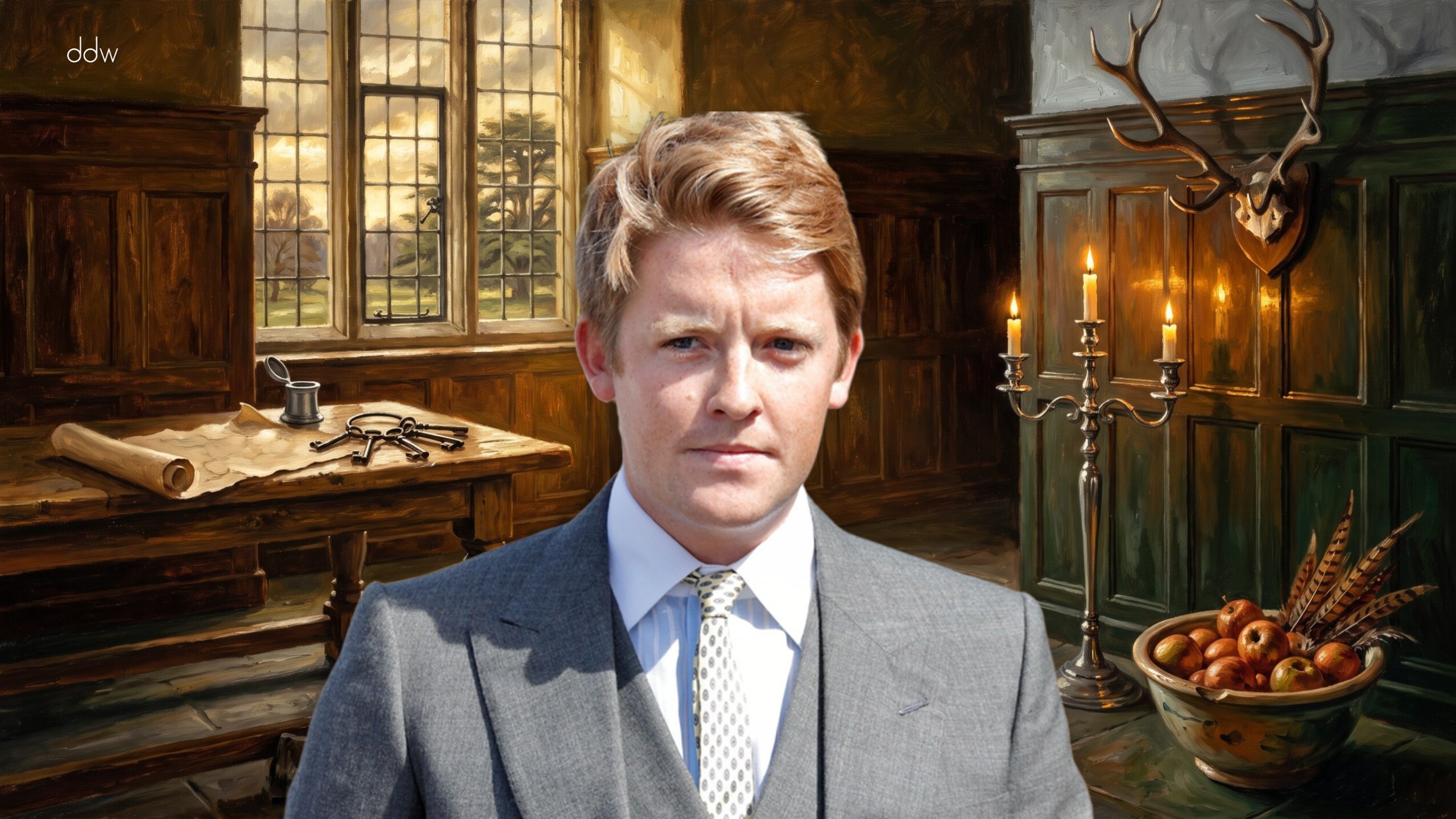
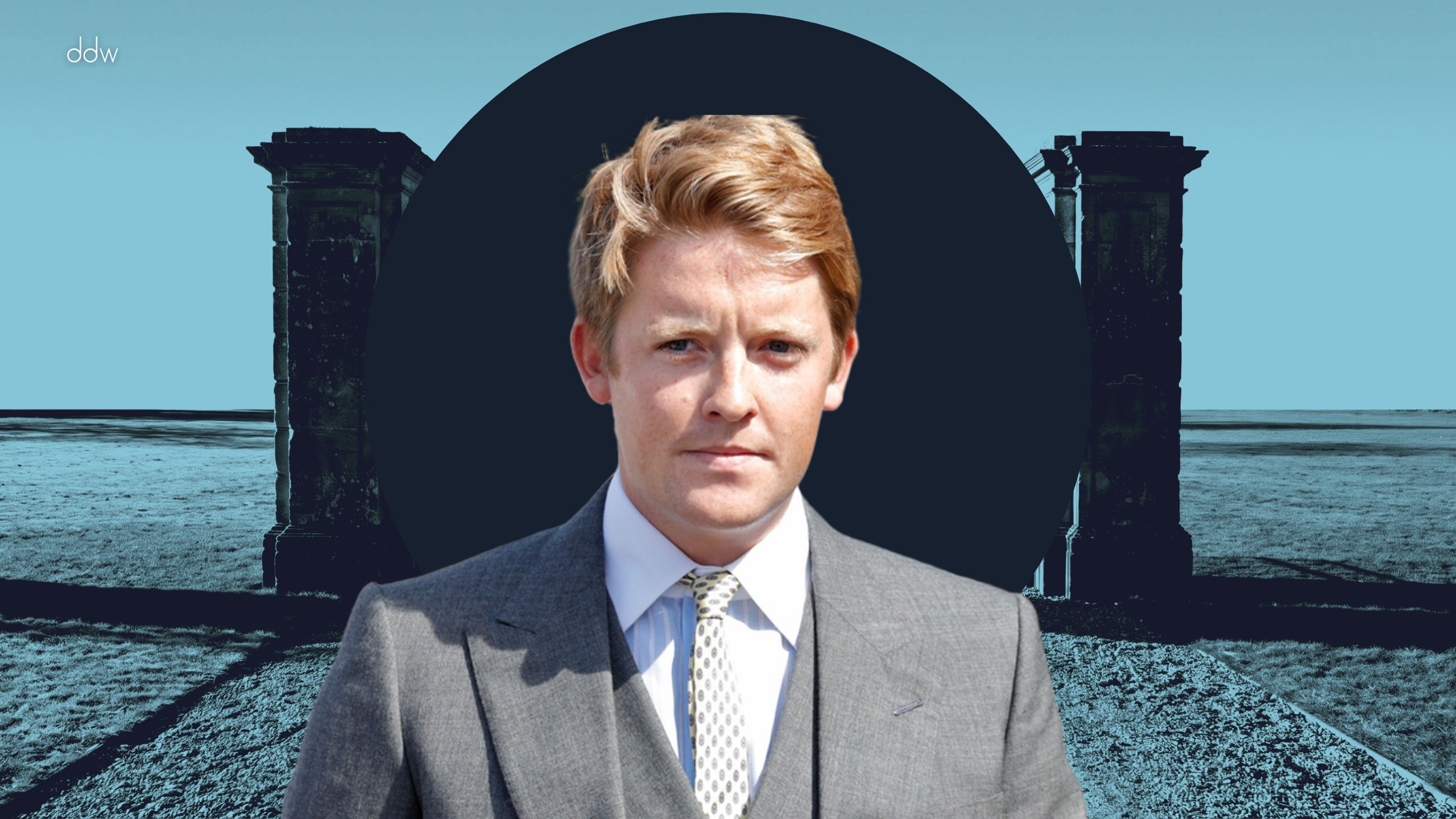
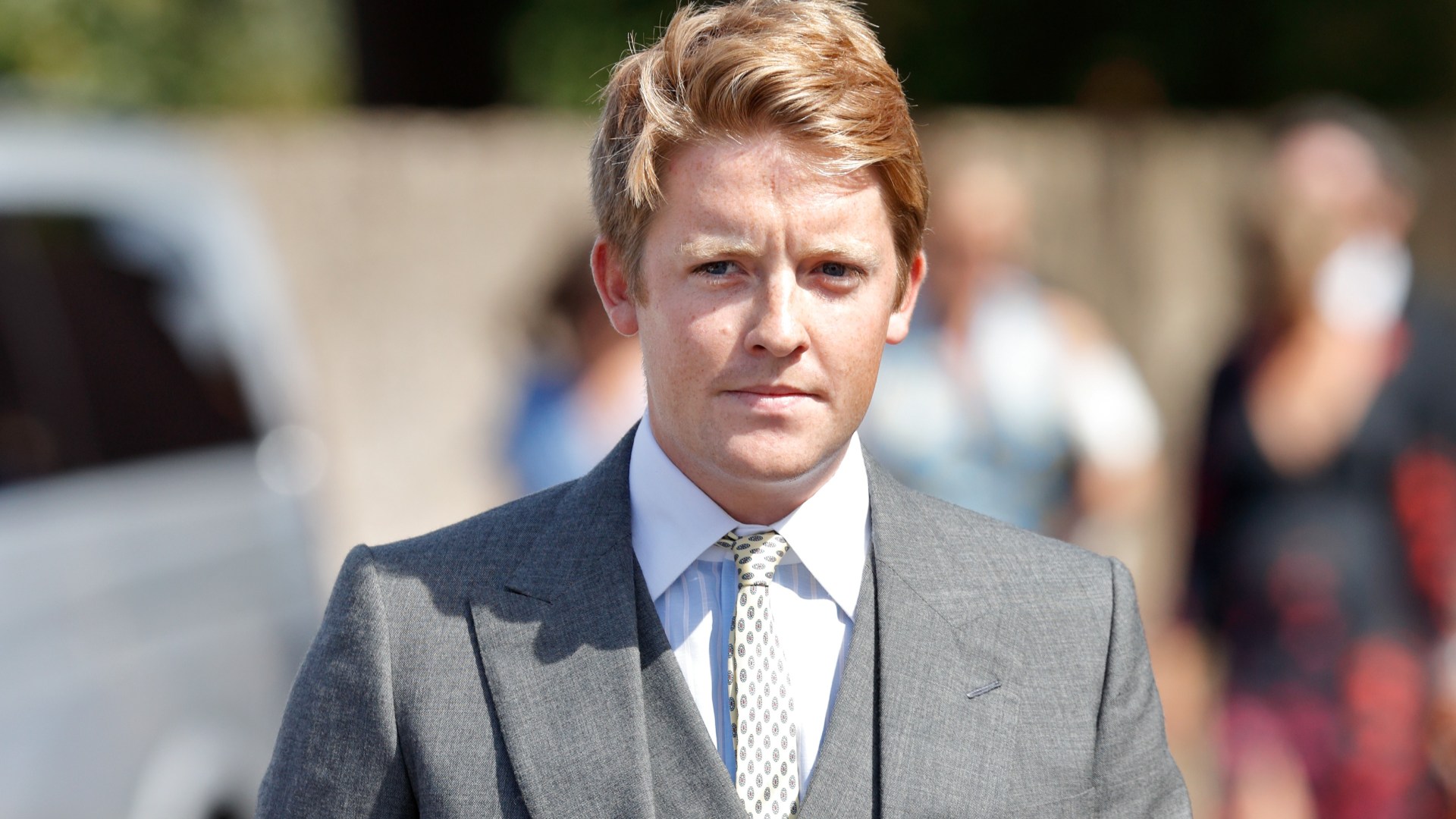
So the school is the most expensive tell on the list, and also the least reliable. Hugh Grosvenor, 7th Duke of Westminster, was educated at Mostyn House School and Ellesmere College and read for a BSc at Newcastle University. His father, Gerald, the 6th Duke, went to Sunningdale and then Harrow. Between them they own more of London than the Eton register does, and neither of them wore that particular tailcoat.
The school tells you where a family looked for a network. It does not tell you what the family has.
£10.06m
Eton allocated £10.06m to financial support in 2024/25, and in the preceding year around 18 per cent of boys were receiving assistance, at an average of 71 per cent of fees. In 2022/23, 99 boys paid nothing at all.
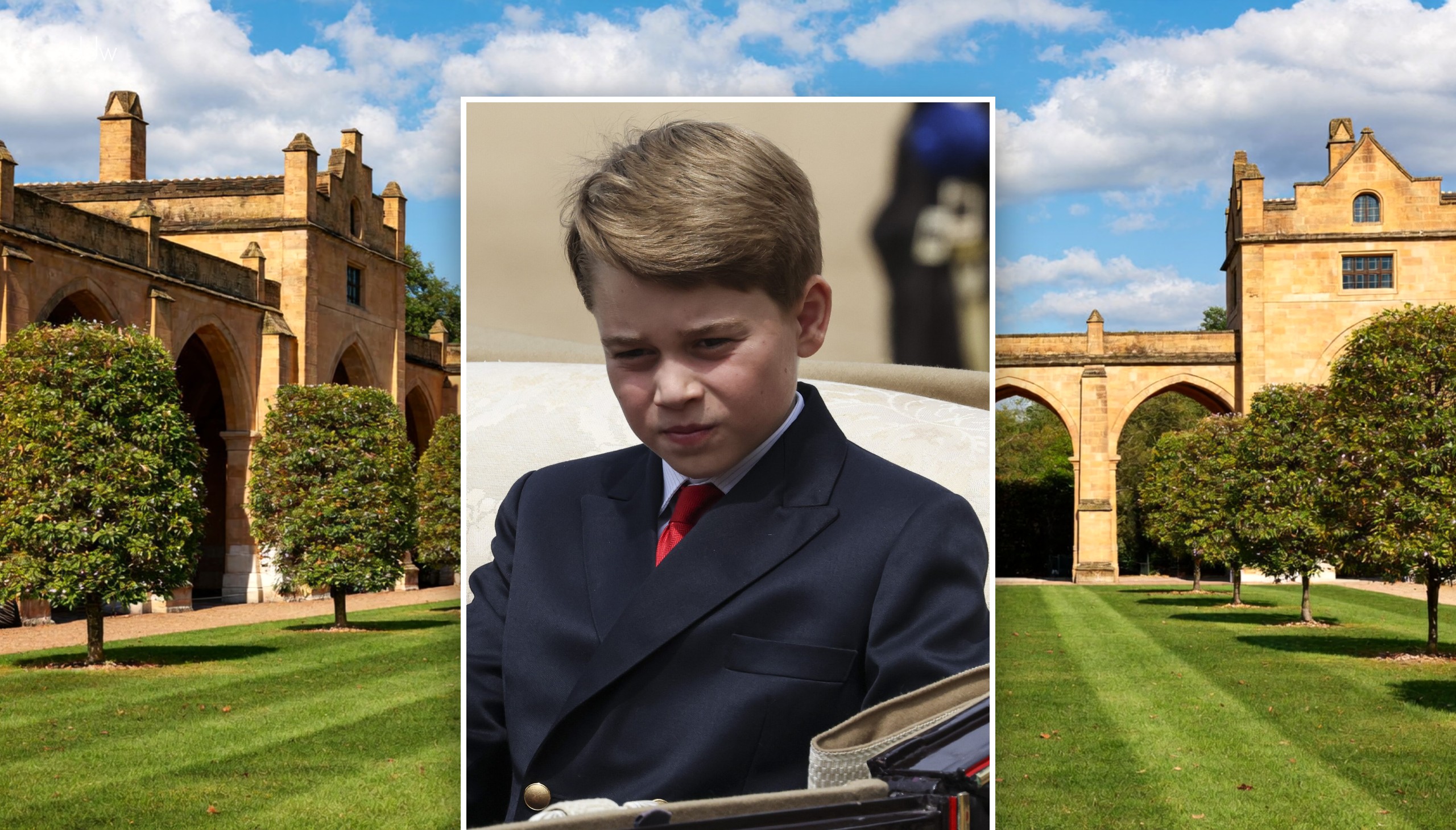
Which means the tailcoat in the photograph is silent on the question everyone is asking it. Several hundred boys in that uniform are there on the college’s money, and nobody standing in Windsor High Street can tell which ones. The uniform is a leveller in the only sense that matters socially, because it refuses to answer the question.
This is the figure that quietly undoes most of the aesthetic content on the subject. The clothes of old money have been decoupled from the money for some time.
1974
Barbour has held Royal Warrants since 1974 and began, according to the brand history published by Old Money R, by making waterproof clothing for sailors, fishermen and dock workers. That is the whole mechanism of the clothing tell in one line: the garment was workwear, it was bought because it kept the rain off a man loading a boat, and the class signal arrived decades later by accident.
The modern version is about condition, not label. A new wax jacket reads as a purchase. A jacket that has been re-waxed, torn at the pocket and kept reads as weather. The only way to fabricate the second is to own the first for eleven years, which is the problem with the entire category.
Frayed collars work the same way and cannot be bought frayed. People have certainly gone on trying anyway.
1,500 buildings
The Grosvenor property holdings run to over 1,500 buildings worldwide, HELLO! reported, and in London the group owns large parts of Mayfair and Belgravia, including the Beaumont Hotel and the freehold of the American Embassy.
Here is the tell, and it is structural rather than sartorial: the oldest money in a room is usually the landlord of the room. It does not arrive to be seen somewhere. It owns the lease on the somewhere, collects on the restaurant that the visible money is photographed outside, and goes to Cheshire at the weekend.
You cannot fake a freehold. That is the entire point of a freehold.
£9.677bn
The Sunday Times Rich List 2026 estimates the Duke of Westminster’s fortune at £9.677 billion, a dip of £207 million on the previous year, placing the family second on the North West regional table behind Sir Jim Ratcliffe. For trend: the Sunday Times Rich List 2025 ranked the duke 14th nationally at £9.884 billion, while Bloomberg’s 2025 estimate put the figure at approximately £9.56 billion. He inherited the title and control of the Grosvenor Estate from his father in 2016, when it was estimated at £9 billion.
Three sources, three different numbers, a nine-figure gap between the high and the low. That spread is itself a tell. Fortunes held in land and freeholds are valued by people standing outside the building with a clipboard, and the family inside has no commercial reason to correct them.
A £207 million dip, in this context, is a rounding error that would be a lottery win anywhere else on the list.
£783.5bn
The 2026 Rich List covers 350 individuals and families holding combined wealth of £783.5 billion, a sum the same report notes is larger than the annual GDP of Belgium, Sweden and Israel. Almost none of those 350 will discuss it, and the silence is not only manners. It is also a question of paperwork.
> much of Hugh Grosvenor’s wealth is held in a series of family trusts established decades ago, a structure that prevents any one family member from selling off major assets without approval
That description of the arrangement comes from HELLO!’s account of the duke’s net worth, which adds that the model is not uncommon among aristocratic families and is designed to keep the estate intact. A person who cannot sell the painting has very little to say about the painting’s price.
So, the obvious question: which of these gives you away fastest, and can any of it be acquired? The vocabulary goes first, usually before the main course, and it is also the only entry on this list that is free, which is why it is the one people practise. The jacket takes a decade of rain. The school can be applied to, and in Eton’s case nearly a fifth of the year group is there on assistance. The house name can be painted on a gate this afternoon. The trust deed is the item with no shortcut, because it was signed by people who are dead.
Hugh Grosvenor was baptised on 23 June 1991. One of his godparents was the Prince of Wales, now King Charles III.