


Nelly Arrieta de Blaquier bought a Van Gogh in 1975, kept French silver in the same rooms as a Cézanne and showed her treasures to very few people; now two auction houses are dividing her household between them.
Nelly Arrieta de Blaquier was an Argentine collector and patron who died in 2020. Since the autumn, the art market has introduced her as the owner of a Van Gogh. A Van Gogh is a small door into a large house.
With her husband, Carlos Pedro Blaquier, she assembled Impressionist, Post-Impressionist and Fauvist paintings, along with French silver, gold boxes and eighteenth-century furniture. They kept them in an apartment in Buenos Aires and on a ranch in the province around it. Sotheby’s New York offers the paintings in an evening sale on 18 November 2026 at 6pm. The silver and most of the remaining objects go to Christie’s in London.
Every price that follows is an auction-house estimate, given before the buyer’s premium. The rooms are the two described in the memoir that opens Sotheby’s catalogue, followed by the two salerooms that will empty them.
Nelly Arrieta de Blaquier bought from Buenos Aires and London
María Elena Arrieta, known as Nelly, married Carlos Pedro Blaquier in 1951. The Art Newspaper, on 30 September 2026, described her as reportedly the sole heir to Ledesma, Argentina’s sugar company. Her husband became its president in 1970 and held the post until 2013. She died in 2020 and he died in 2023.
The couple lived in Buenos Aires but did much of their buying in London during the 1970s, and they travelled regularly to New York and Paris. The result was a collection of the kind a museum would draw up on paper and seldom manage to buy. Sotheby’s catalogue essay calls the pair “curator’s collectors”, and the house’s series page calls what they built “akin to a private museum”.
A private museum differs from a public one chiefly in its guest list.
Lefevre on Bruton Street supplied many paintings
The catalogue memoir dates the couple’s first visit to The Lefevre Gallery on Bruton Street to a late December afternoon in 1974, and it recalls the two of them walking in. Lefevre became their principal London source. The Cézanne, the Renoir, the Pissarro, the Degas and the Gauguin all came through its doors.
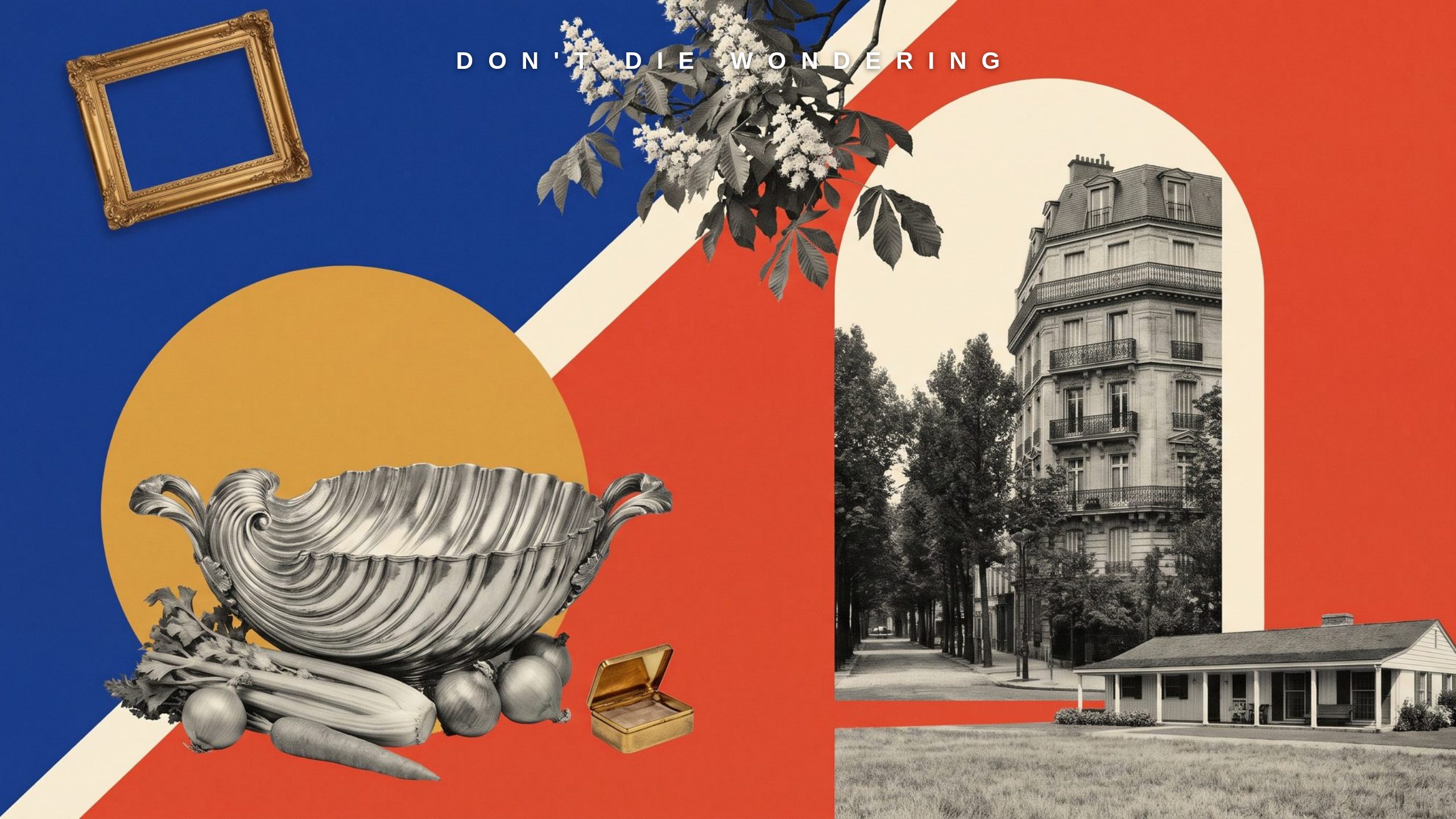
The Van Gogh came from across the Atlantic. Châtaigniers en fleurs, chestnut trees in blossom painted at Auvers in May 1890, was bought from Wildenstein & Co. in New York in 1975. Its last public showing had been at the Guggenheim in New York in 1964, eleven years before it went south.
Since then it has been seen by invitation. For a picture of that fame, invitation is a long way to go to see a tree in flower.
Jacques Helft taught her French silver
The paintings had their dealers, and the silver had a tutor. Her collecting in that field began under the guidance of Jacques Helft, a dealer who lived from 1891 to 1980. It came to centre on a short list of makers: Nicolas Besnier, Thomas Germain, Claude Ballin, Pierre Balzac and Robert-Joseph Auguste.
To a silver specialist those names need no introduction. To everyone else, the useful fact is that she bought the makers and not the weight, which is the difference between a collection and a cupboard.
Silver of this sort was made to be used at table.
Plaza San Martín held pictures, silver and gold
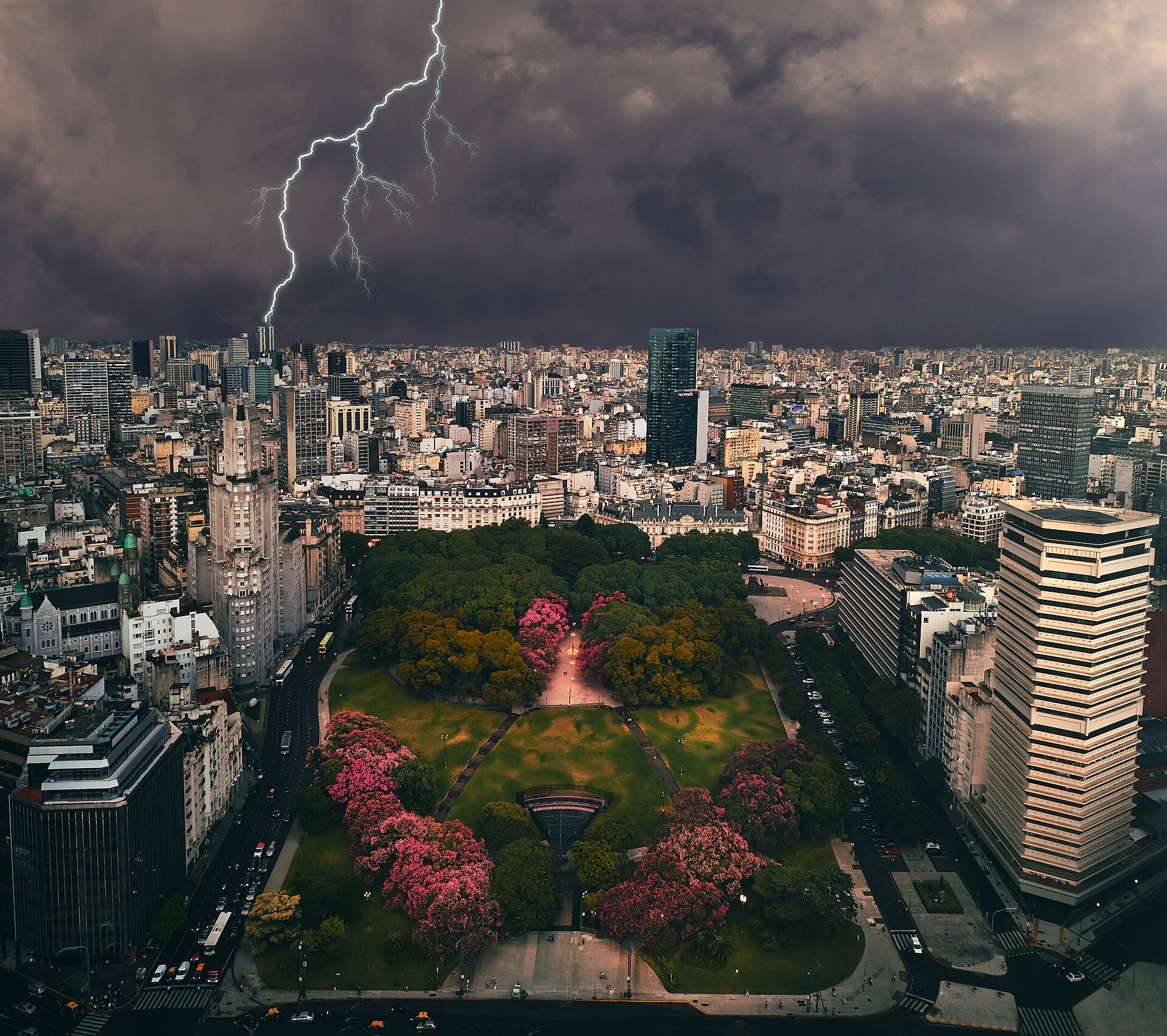
The apartment was on Plaza San Martín, in the centre of Buenos Aires. The catalogue memoir remembers it “glowing with masterpieces”, with French silver and gold boxes alongside. Two photographs in Sotheby’s catalogue show how the rooms were dressed. One frames the Monet, the Pissarro and the Cézanne together, and the other the Renoir with the Vlaminck.
The Monet is Le Jardin des Tuileries, which Sotheby’s estimates at $15m to $20m. The Cézanne is Arlequin, and Sotheby’s places it among four pictures of the artist’s son Paul dressed as the Harlequin. It is the sort of painting most people know from a postcard and very few have seen above a sofa.
Visitors who sold to the house were welcome back. The memoir has Nelly greeting a visiting dealer in Buenos Aires with a question that every gallery owner would like to hear: “Have you come to visit your babies?”
In that apartment the babies hung on the walls.
La Biznaga was shown to a chosen few
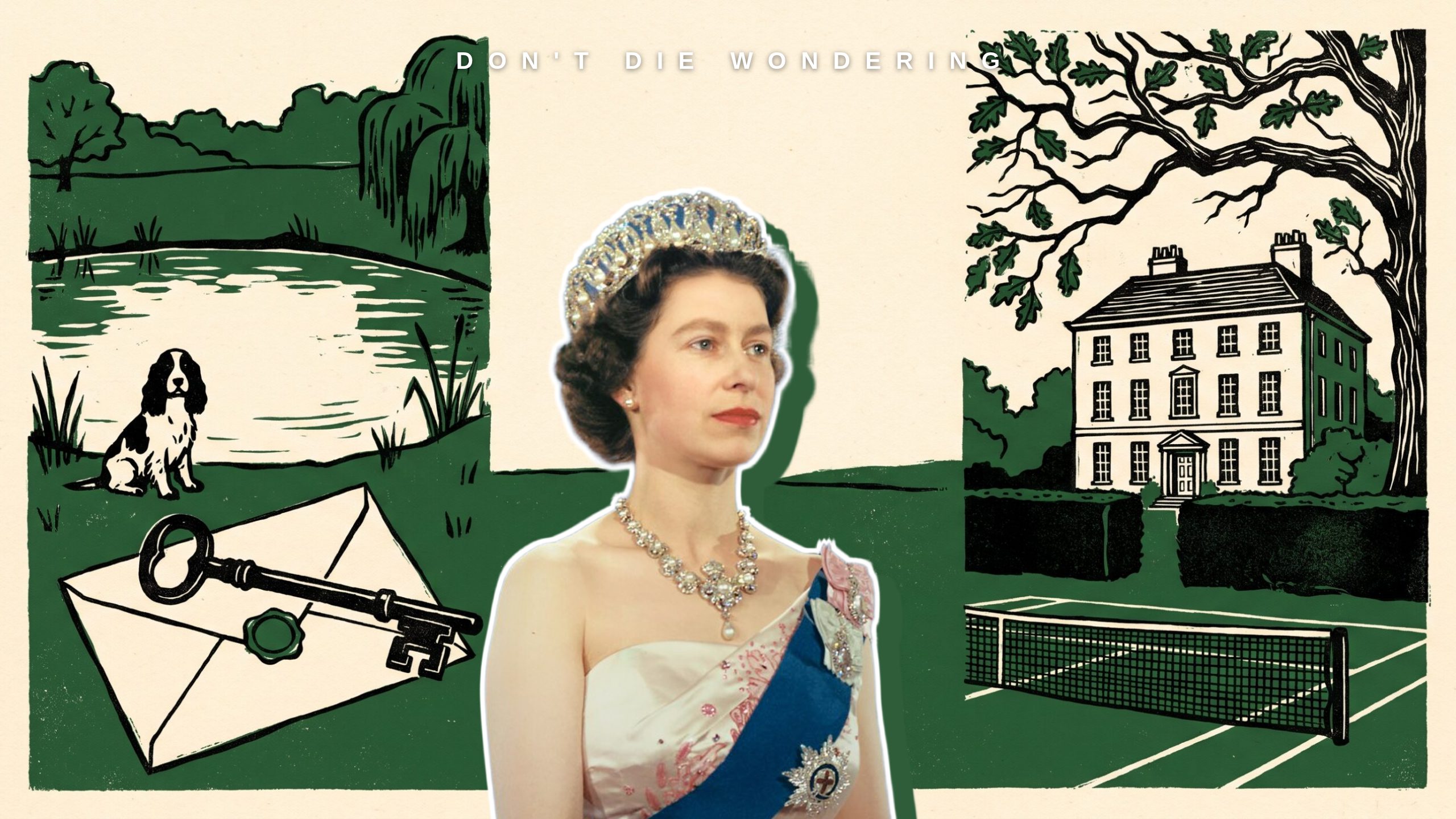
Outside the city was La Biznaga, the ranch in Buenos Aires province that the memoir calls the family’s “magical ranch”. It was the family estate, and the European and Latin American holdings were kept there. Nelly very occasionally showed selected treasures to visiting collectors and museum directors.
That rarity built the collection’s reputation. A collection seen by appointment acquires a legend faster than one seen by everybody, and the Blaquiers made almost no appointments.
Sotheby’s New York sells the paintings
Sotheby’s announced the collection on 30 September 2026 at around $450m, with the Van Gogh at its head. Sotheby’s describes twelve paintings that run from Impressionism in the early 1870s to the dawn of abstraction. In practice, that means a short walk through the textbook with the dull chapters left out.
The pictures that a handful of guests once saw at the ranch then went on a world tour. They were shown in London from 30 September, then in Taipei, Hong Kong and Paris, and finally in New York from 7 to 17 November. Five cities have now seen more of the collection than half a century of dinner guests did.
The sale opens with the Fauves. Vlaminck’s Nature morte à la cruche bleue is lot 1, and Derain’s Bateaux au port de Collioure, boats in a Mediterranean harbour, is lot 2. The Monet from the apartment photograph is lot 4. Renoir’s En Canot (Jeune fille à la barque), a girl in a rowing boat, is lot 8, at a Sotheby’s estimate of $12m to $18m. Arlequin follows as lot 9 and the Pissarro as lot 10.
The order runs backwards through history, which is how a curator would hang it if the aim were to keep the room until the end.
Christie’s London sells the silver and furniture
Artdaily reported that Christie’s will offer the silver-led part of the collection in two live auctions in London on 1 and 2 December, during its Classic Week. Part I carries 50 lots and Part II about 280. Alongside the silver come Limoges enamels, Italian bronzes of the sixteenth and seventeenth centuries, Old Master paintings, gold boxes, French furniture of the eighteenth century, Impressionist bronzes and works on paper.
The centrepiece is a Louis XV silver soup tureen by Juste-Aurèle Meissonnier, who lived from 1695 to 1750. It takes the form of a stylised shell resting on bunches of celery, onions and a carrot, with leaves curling up to form the handles. It is a soup tureen decorated with soup.
It was made as one of a pair, and the pair was later split up. This tureen went to the collection of Baron Heinz Thyssen-Bornemisza, and its twin is now in the Cleveland Museum of Art. The Thyssen tureen had a Sotheby’s New York catalogue of its own on 13 May 1998, and the Yale Center for British Art keeps a copy on its shelves.
DDW’s reading is that the two sales follow the trade more closely than the household. The memoir’s apartment kept pictures, silver and gold boxes in the same rooms, and the market is now sending them to New York and to London, a fortnight apart.
Her children are selling, and Paris comes next
The sellers are the couple’s children. The sale at Sotheby’s is the largest single part, and the Christie’s London sales follow at the start of December.
There is a third instalment. In 2027, Part III of the collection will be offered in an online silver sale in Paris, with details to follow. The pictures go to New York, the furniture and most of the silver to London, and the last of the silver to Paris.
The babies are leaving home through two auction houses and three cities.
Read Next: Larry Ellison’s Estate Now Ends Somewhere Down the Road