


Six surnames, two castles, a Jacobean house finished in 1611 and, at the top, £9.884 billion attributed by the Sunday Times to one family. Posh is a land registry with better manners.
A surname is a label on a filing cabinet. The contents are what matter: 35,000 acres in Derbyshire, more than 1,500 buildings clustered around Park Lane and Mayfair, a hereditary office that plans royal funerals, and in one case a Bedfordshire abbey currently shut for building works.
Search traffic for “posh surnames” tends to want a vibe, a list of names that sound expensive when read aloud. The names that genuinely still open doors in Britain are a much shorter list, because they are the ones attached to an estate, a title, a seat you can visit and a figure somebody has published next to them. Here are the six that clear that bar, with the money, the land and the people who hold both.
How did we choose the names, and where do the numbers come from?
One rule: a surname only appears if a named source has attached a figure to it. Net worths are not rounded, invented or inferred, and where a figure is old or rests on a single report, that is stated in the sentence rather than buried.
The anchor is the Sunday Times Rich List 2025, published in May 2025 and the most recent fully reported edition available for this piece. Its 76-page special edition recorded the largest fall in the billionaire count in the guide’s 37-year history, from a peak of 177 in 2022 down to 156. The compiler, Robert Watts, framed it plainly at launch: “The Sunday Times Rich List is changing. Our billionaire count is down and the combined wealth of those who feature in our research is falling. We are also finding fewer of the world’s super rich are coming to live in the UK.”
That summary is worth holding in mind before reading any ranking of inherited British money. The aristocratic entries moved very little while the billionaire count fell. Land is boring that way.
How rich is Hugh Grosvenor, the Duke of Westminster?
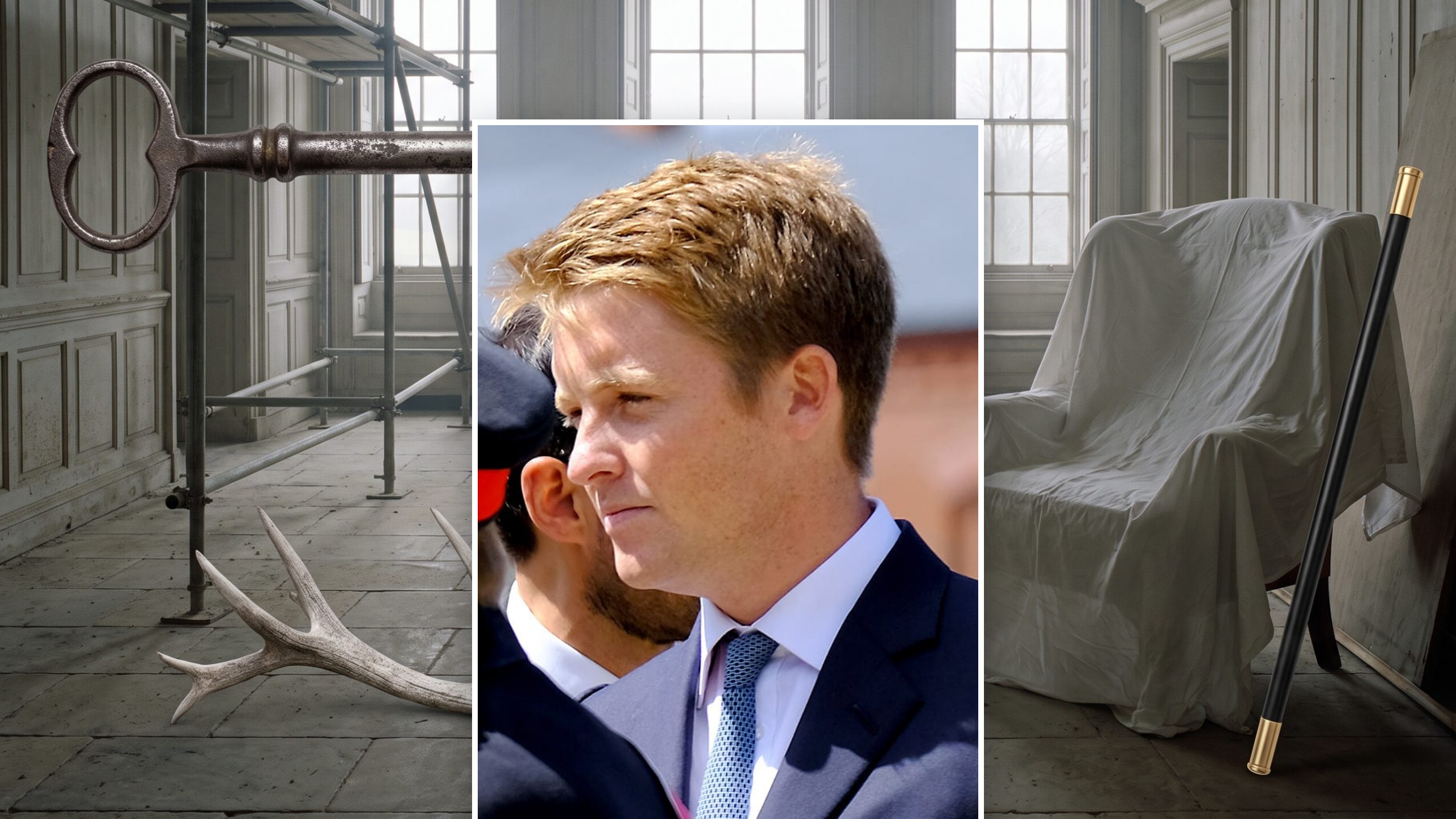
Hugh Grosvenor was born in London on 29 January 1991 and became an instant billionaire in 2016, when he inherited the title and control of the Grosvenor Estate from his father. The Sunday Times Rich List 2025 put the family fortune at £9.884 billion and crowned him the richest person in Britain under 40.
The estate is the reason. Spear’s records oversight of a property portfolio of more than 1,500 buildings, concentrated in Mayfair and along Park Lane, which is to say that a great deal of central London pays rent to a man who turned 34 in the year he topped that particular list.
He married Olivia Henson in 2024, in what Spear’s called “the society wedding of the decade”. He is also godfather to Prince George, second in line to the throne. His mother, Natalia, Dowager Duchess of Westminster, born Natalia Phillips in 1959, is a philanthropist and a winemaker.
Grosvenor is the only surname on this list whose fortune is counted in billions.
What does the Cavendish family own at Chatsworth?
Peregrine Cavendish, the 12th Duke of Devonshire, was born at Chatsworth House on 27 April 1944, the only surviving son of the 11th Duke and Deborah Mitford, youngest of the Mitford sisters. To friends and family he is Stoker. He married Amanda Heywood-Lonsdale in 1967.
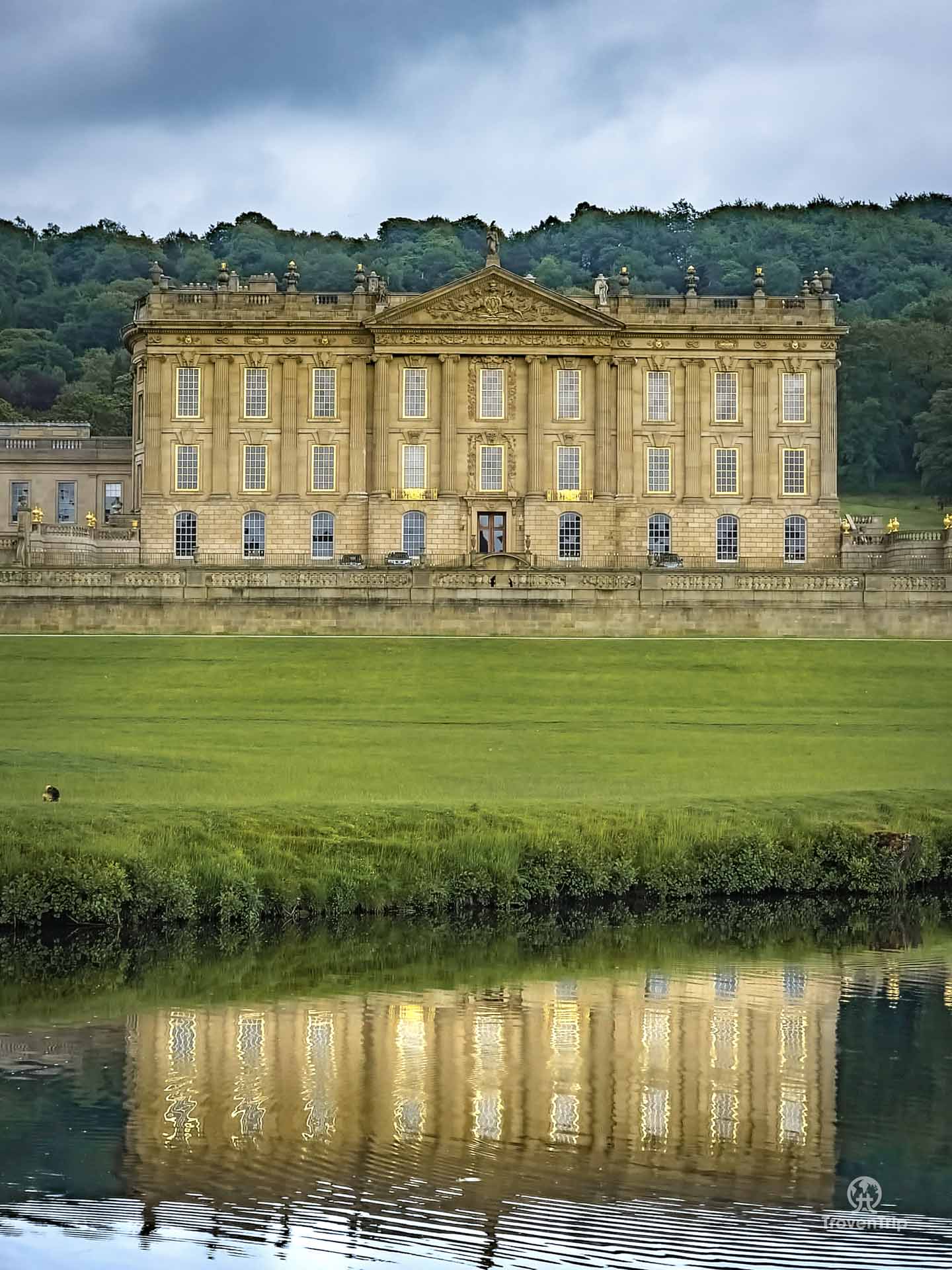
The Devonshire Group’s own description of the business is the useful figure here: the Chatsworth Estate comprises 35,000 acres in Derbyshire, taking in in-hand farms, forestry, renewable energy, hospitality and visitor operations, all arranged around a Grade I listed house and garden. The parkland alone runs to roughly 1,000 acres, and it is open to visitors free of charge, all year round.
No current net worth for the Cavendishes was confirmed by a named source for this piece, so none is given. The acreage is the fact that survives scrutiny, and in Derbyshire it is also the one that counts.
Why does the Cecil name still come with Hatfield House?
Hatfield House was built in 1611 by Robert Cecil, 1st Earl of Salisbury and Chief Minister to King James I, and it is still the family seat, which is a continuity most European dynasties would struggle to match. The present head of the family is Robert Gascoyne-Cecil, 7th Marquess of Salisbury, born 30 September 1946, Conservative MP for South Dorset from 1979 to 1987 and, in the 1990s, Leader of the House of Lords under the courtesy title Viscount Cranborne.
The money is the hardest to pin down of the six. Who Owns England reported in 2017 that the Marquess owned some 10,000 acres and received over a quarter of a million pounds a year in farm subsidies, and cited a Sunday Times Rich List placing of 352nd with £330 million. That reporting is now dated, and no newer named-source figure for the Cecils was located for this piece, so treat the number as a 2017 snapshot rather than a 2026 valuation.
Cecil is the name on this list most likely to be recognised from a history syllabus rather than a property page.
How much is the Percy family at Alnwick Castle worth?
Ralph Percy, the 12th Duke of Northumberland, was born at Alnwick Castle on 16 November 1956, the fifth child and second son of the 10th Duke and Lady Elizabeth Montagu Douglas Scott. He is head of the House of Percy, which has been producing northern landowners for considerably longer than the Rich List has been counting them.
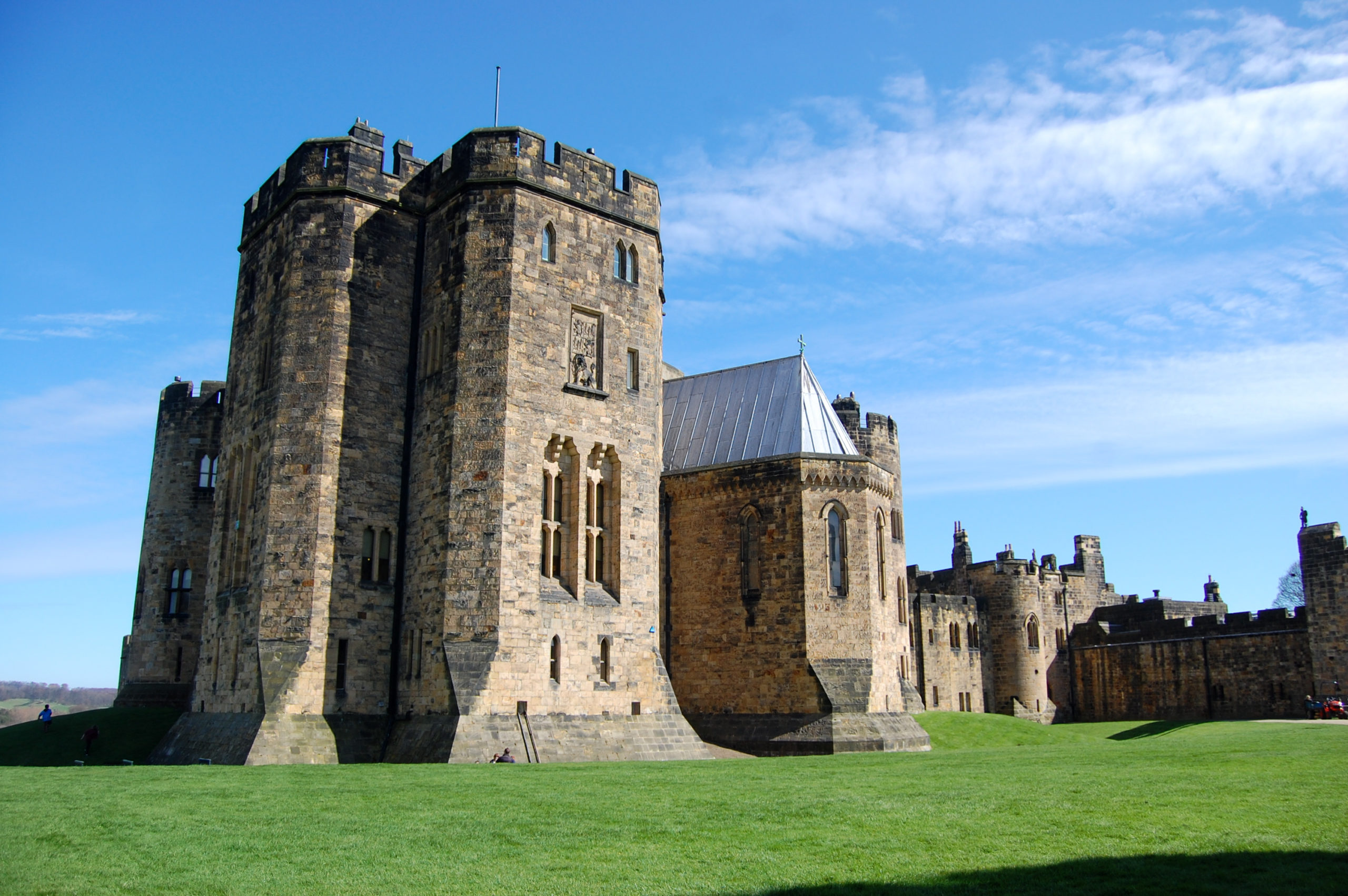
According to the Northumberland Gazette’s reporting of the 2025 edition, the Percy family’s estimated wealth stands at £517 million, up £8 million on the previous year, making them the fifth richest family in the North East and 269th nationally. An £8 million gain, in a year when the national billionaire count fell by double digits, is a decent advertisement for owning fields.
His wife, Jane Percy, Duchess of Northumberland, born Isobel Jane Miller Richard in Edinburgh in 1958, is best known for redeveloping the Alnwick Garden beside the castle. They married in 1979.
What does the Howard family do as Earl Marshal?
Edward Fitzalan-Howard, 18th Duke of Norfolk, inherited the dukedom in 2002 when his father Miles died, and with it the hereditary office of Earl Marshal, which has descended in the family since 1672. The job is to plan Britain’s major royal ceremonial occasions, according to Arundel Castle, the family’s ancestral seat in West Sussex. He was born on 2 December 1956.
Reporting carried by Yahoo Entertainment, citing a Telegraph estimate, describes him as a father of five who goes by Eddie to his friends, both the most senior lay member of the Catholic Church in Britain and its senior peer, and an extensive landowner reportedly worth over $124 million. It is a single estimate from 2023 and should be read as such.
Howard is the surname that appears, by right rather than by invitation, at every coronation and state funeral.
Why is the Russell family’s Woburn Abbey closed?
Andrew Russell, 15th Duke of Bedford, born 30 March 1962, is the son of Robin Russell, the 14th Duke, and Henrietta Tiarks. He married Louise Crammond in 2000; the heir is Henry Russell, Marquess of Tavistock. The dukedom was created in 1694 for William Russell, and the main estate has been at Woburn Abbey in Bedfordshire ever since.
Bedford Today, reporting the 2025 Rich List, placed the Duke at £884 million, fifth in East Anglia and 181st overall. The same report noted that Woburn Abbey is closed until spring 2026 while renovations are carried out.
A house worth visiting is a house worth shutting for a year.
What about Spencer, Stanley and Villiers?
These are the surnames readers expect on any list of this kind, and they are absent for one reason: no current, named-source figure for wealth or acreage was retrieved for the Spencers at Althorp, the Stanleys at Knowsley Hall or the various Villiers lines. Plenty of numbers circulate. None of them survived sourcing, so none of them appear here.
The same discipline removes the double-barrels and the particules, the de and du and von constructions that sound grand and signify nothing in particular without an estate attached. A hyphen is not an asset class. Gascoyne-Cecil and Fitzalan-Howard earn their place on this list because of Hatfield and Arundel, not because of the punctuation.
So is a posh surname actually worth anything in 2026?
The honest test is not how the name sounds at a dinner table but whether a named source has published a figure beside it. Six surnames pass that test, and the gap between first and second is roughly nine billion pounds, which tells you that “posh” and “rich” are two separate rankings that happen to overlap at the top.
The next revision comes with the next fully reported Rich List; the 2025 edition remains the most recent one used here, and the aristocratic entries tend to move by single-digit millions rather than by headlines. In the meantime, Woburn Abbey reopens in spring 2026, and Chatsworth’s thousand acres of parkland have been free to walk the whole time.