


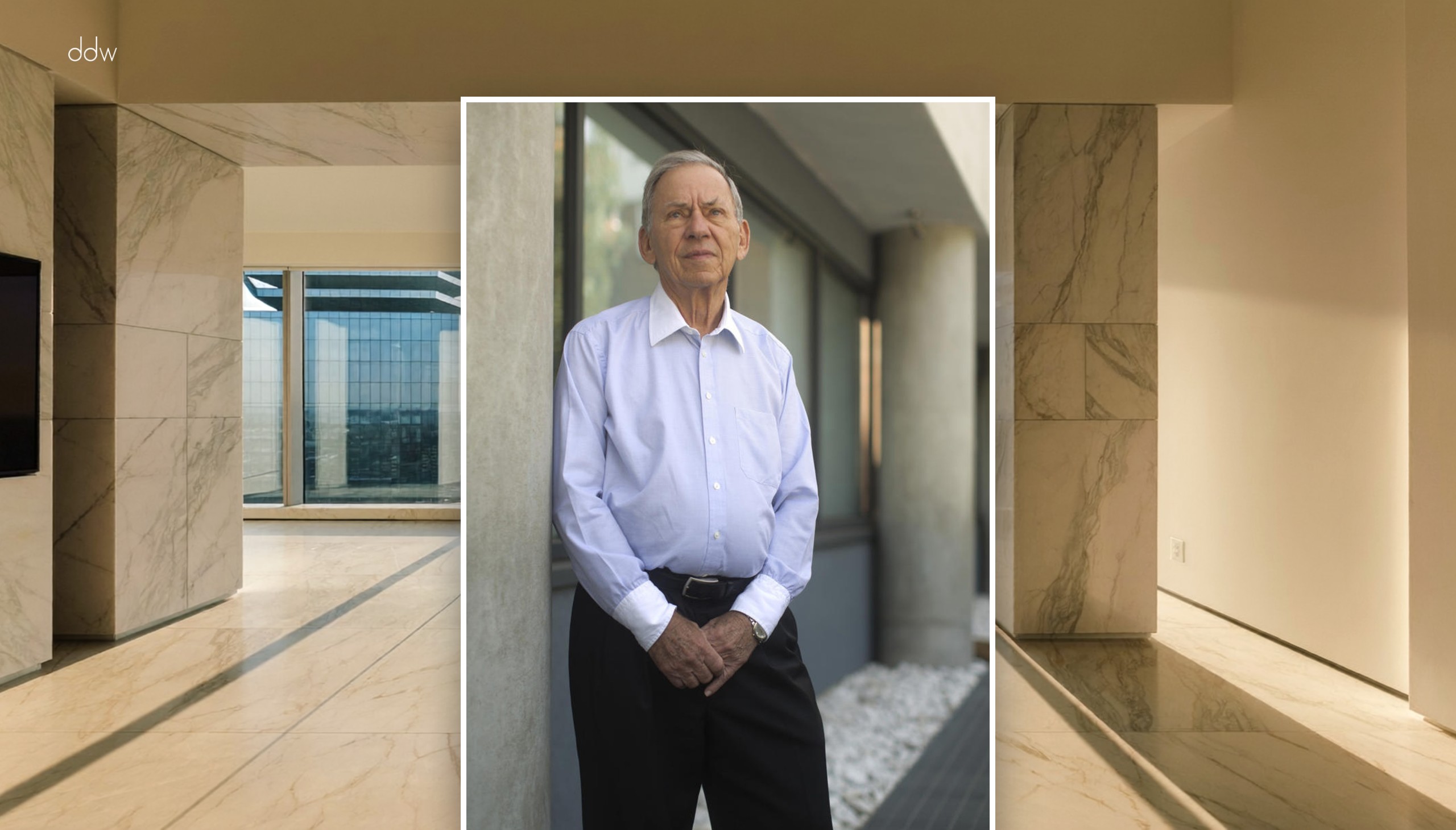
A chain of 166 warehouse stores almost nobody can name, a $29.1 billion deal with Sysco, and a 94-year-old whose family is now interviewing chief investment officers. The fortune was the easy part.
Sell the business at 94 and the obituary practically types itself: a corn mill in Swaziland, a single warehouse in Brooklyn, a cash-and-carry empire, a cheque from the largest food distributor in America. The Kirsh family read that ending and started recruiting.
The Wall Street Journal reported this week that representatives have been interviewing candidates for chief investment officer, investment committee members and advisers, along with a head of private investments and a head of public investments, as the family prepares to manage the proceeds. The report was picked up by Billionaires.Africa on 30 September 2026, which cited the Journal citing people familiar with the matter. The original sits behind the Journal’s paywall, which is roughly how everything involving Natie Kirsh has always reached the public.
Who is Natie Kirsh, and why have you eaten his food without knowing it?
Born on 6 January 1932 in Potchefstroom, South Africa, to parents who had emigrated from Lithuania. His father sold ostrich feathers before finding money in brewing. Kirsh graduated from the University of the Witwatersrand in 1952, took over the family’s small sorghum-malt business in Eswatini with a £1,200 inheritance, and in 1958 launched his own milling operation in Swaziland, securing an agreement with the local government that gave him a monopoly on buying and importing corn, according to the Financial Mail. Distribution followed in 1970 with Moshal Gevisser.
Then New York. He arrived in 1976 and opened one warehouse in Brooklyn under the name Jetro Cash & Carry, selling to the people who feed everyone else: bodega owners, pizzerias, caterers, the corner takeaway. In 1994 he added Restaurant Depot, aimed squarely at independents. Speaking to a class at the London Business School in 2011, Kirsh described the competitive landscape as nonexistent: “We literally have no competition.”
Entrepreneurial restlessness runs sideways in the family too. His brother Issie founded Radio 702 and Primedia.
What exactly did Sysco buy?
Sysco announced the acquisition of Jetro Restaurant Depot on 30 March 2026, valued at roughly $29.1 billion including debt. The business runs 166 warehouse stores and generated about $16 billion in revenue in 2025. Sysco intends to keep it as a standalone division, with the existing management team in place under president Richard Kirschner.
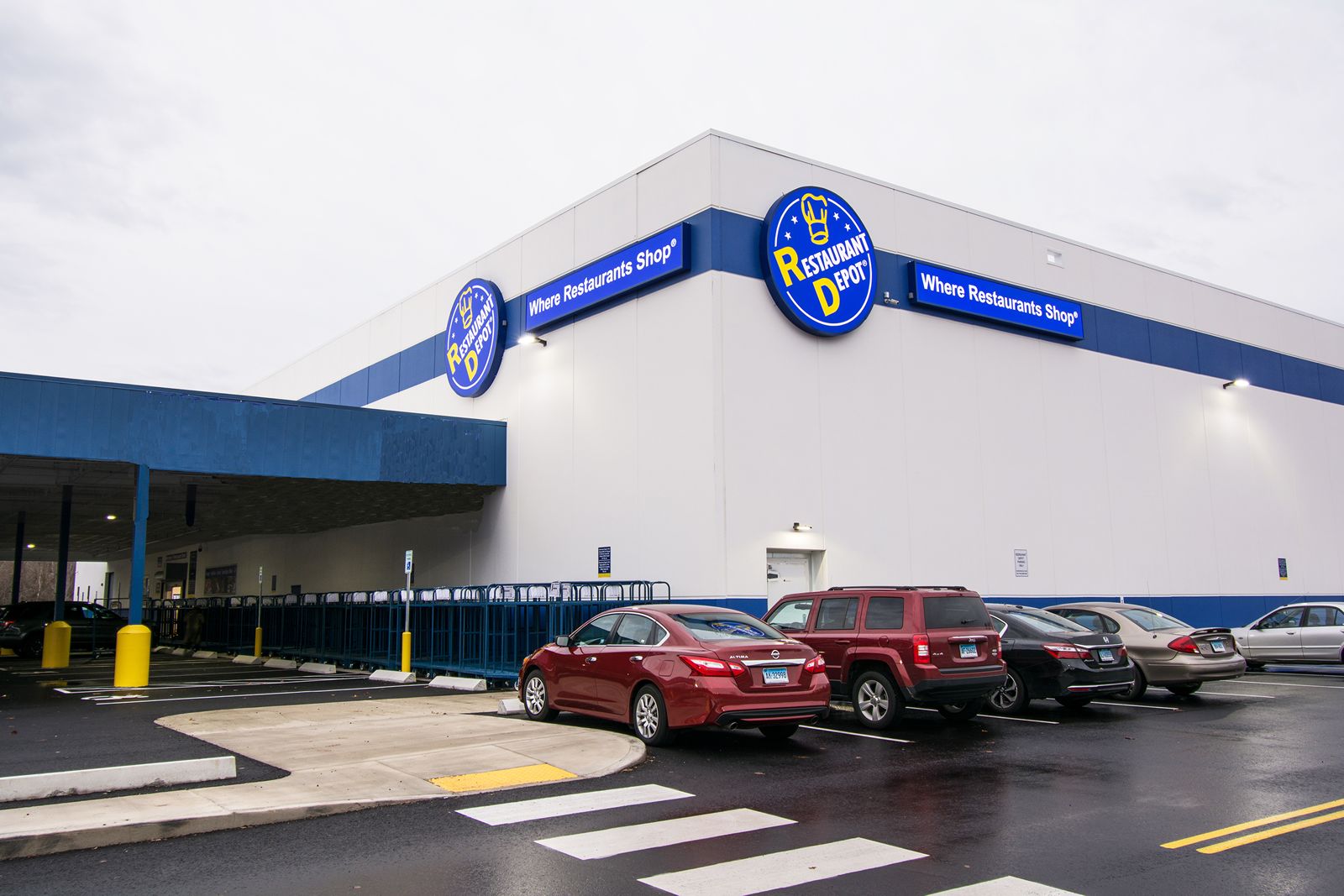
Nothing about the shopping experience changes. The man who owned it simply stops owning it.
How much of the $29.1 billion is actually his?
The reporting disagrees, and it matters. Forbes puts Kirsh’s stake at roughly 70 per cent, as cited in AOL’s account of the sale; Celebrity Net Worth works from 75 per cent, the figure repeated historically and the one attached to his holding in Jetro Holdings as of August 2018, when the group ran about 115 stores. Take the range and resist the precision.
On net worth, Forbes estimated $17.6 billion in April 2026. The Bloomberg Billionaires Index placed him near $17.1 billion on the day the Sysco deal was announced, having added about $5 billion in a single session. Celebrity Net Worth, using the 75 per cent figure, calculated a windfall of $21.8 billion. For scale: Bloomberg had him at roughly $10 billion in mid-2025, and at $6.2 billion in 2015.
What does a family office this size actually do?
The Kirsh Family Office is a single-family office headquartered in London according to the database Altss, which describes it as overseeing holdings in food distribution, property and private equity, with a mandate to preserve wealth across generations while pursuing opportunistic growth. The Journal described the current hiring as being for the family’s New York office, sometimes called Kifo. Trackers place the operation variously in London, New York and Sydney, and no one involved has clarified which address the money answers to.
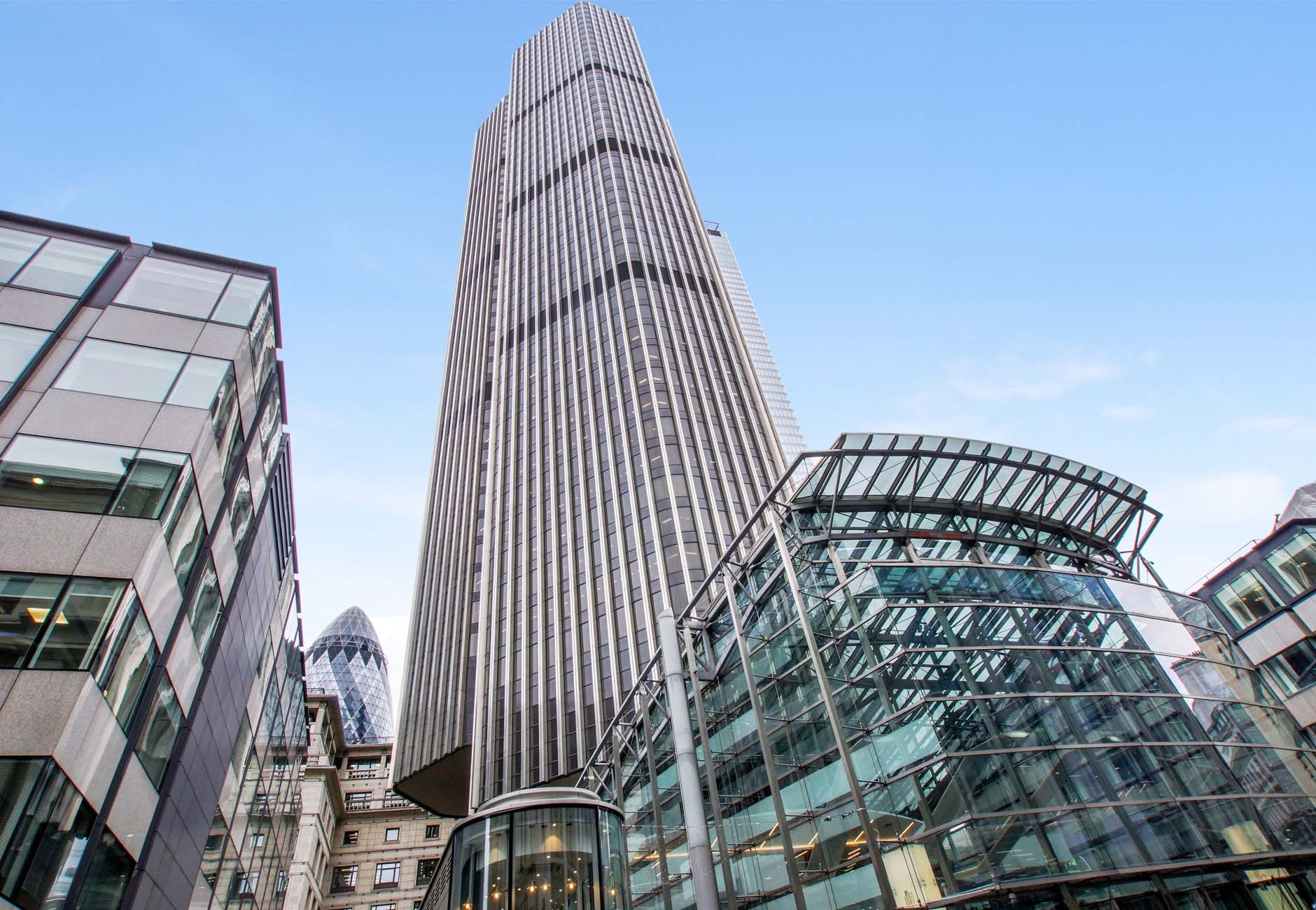
The property is real and spread across four continents. Today Africa lists London’s Tower 42 and Sydney’s Birkenhead Point among the holdings, and reports that Tower 42 was bought for £238 million. Through Kirsh Group the family also controls 52 per cent of the Sydney-listed Abacus Property Group, per its stock exchange filing of 16 September 2022.
What changes now is the composition of the balance sheet. For fifty years the fortune was one operating business plus some buildings. The hiring brief being described in the Journal’s reporting (public markets, private markets, an investment committee) is the architecture of a portfolio, not a company.
Why bring in the big titles only now?
The office already had a chief executive with a serious CV. Bradley Fried, a Cape Town native who worked at McKinsey in New York before joining Investec in London, resigning as its chief executive in 2010 to found Grovepoint Capital, and now a member of the Bank of England’s Court of Directors, joined the Kirsh family office as CEO in 2015. He took over from Ron Sandler, the former chief executive of Lloyd’s of London, who stayed on as a trustee and adviser.
Fried’s description of his new employer, at the time, was not the language of a man taking a quiet stewardship job.
> “I’ve met many chief executives, many who were outstanding at strategy, outstanding at execution. In Natie, I’ve found an extraordinary visionary. At the age of 50 I almost feel as if I’m being apprenticed all over again.” — Bradley Fried, in a telephone interview with Bloomberg in 2015
When Fried arrived, Bloomberg valued the fortune at $6.2 billion. The gap between that number and the Sysco cheque is the whole reason for the job advertisements.
Who is the machine being built for?
The family, per the Journal’s reporting relayed by Billionaires.Africa, means Kirsh, his three children and their families. His son Philip. His daughter Wendy Kirsh Fisher, a philanthropist who divides her time between London, New York and South Africa, with three adult children and five grandchildren. His daughter Linda Mirels, president of the UJA-Federation of New York, who also lists leadership roles at the Metropolitan Opera, Israel on Campus Coalition and the Tony Blair Institute for Global Change. Inside Philanthropy has raised the obvious question of whether the giving scales with the liquidity.
Building the institution before the inheritance arrives is the opposite of the usual order of events. Other families construct the office after the money has scattered, as a way of finding each other again: Consuelo Vanderbilt Costin has 800 relatives she has never met and wants them in one fund. Kirsh has three children and a search firm.
Restaurant Depot keeps opening its doors to caterers at six in the morning, under Sysco, under Richard Kirschner. The hiring is for whoever runs the money instead.