

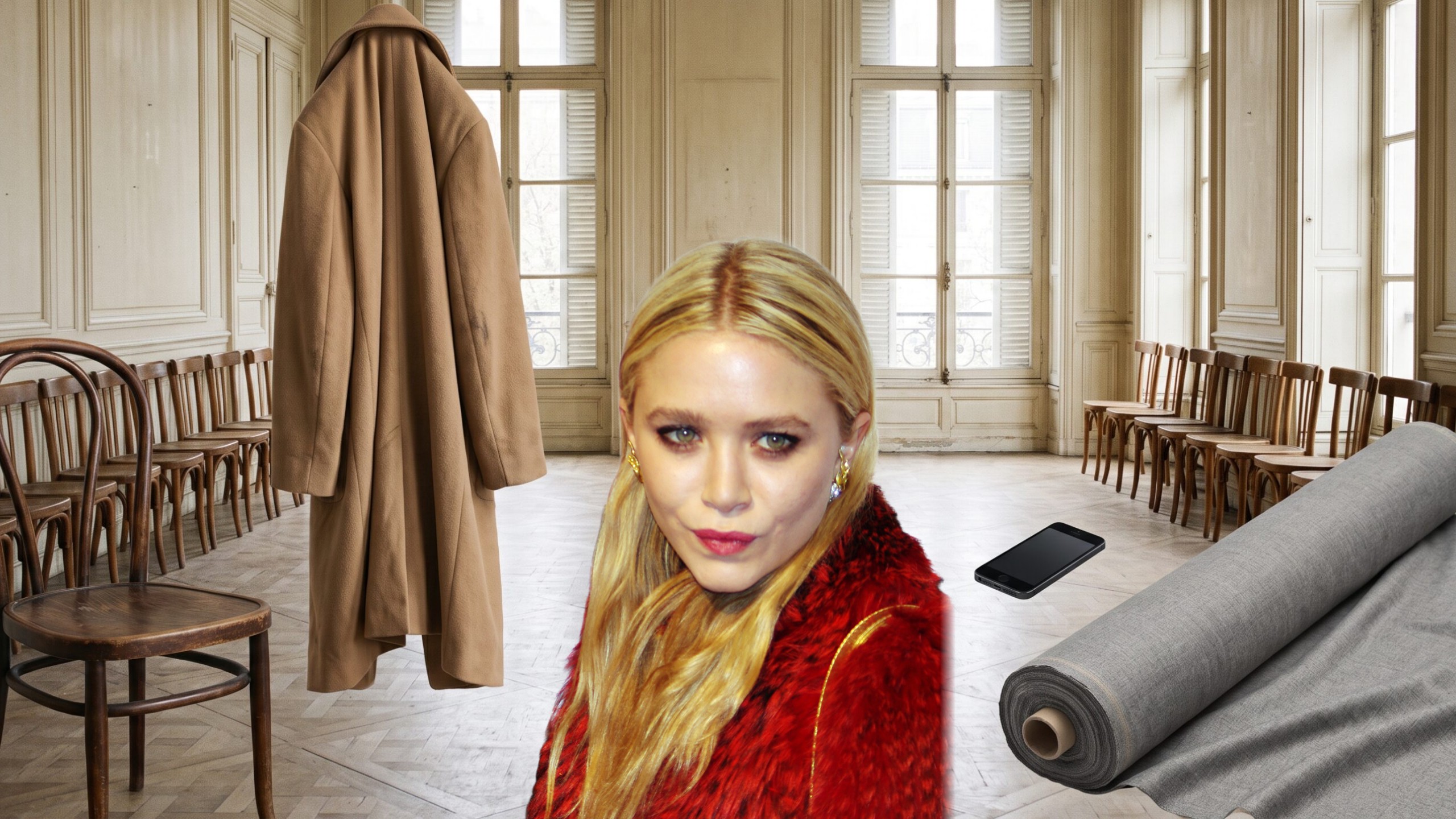
No advertisements, no social accounts, phones kept in pockets at the show. In September 2024 the family that owns Chanel and a L’Oréal heiress bought minority stakes anyway, at a valuation reported near a billion dollars.
Saying nothing has been the single most profitable decision of Mary-Kate and Ashley Olsen’s adult lives.
They give almost no interviews. They keep no public accounts. The label they started in 2006, at twenty, has never run an advertisement, and its name is a nod to Savile Row, a street built on the same principle: the client knows, and nobody else needs to.
Two decades of declining to explain themselves has produced the most valuable independent brand in fashion built almost entirely out of earshot. That is not an accident of temperament. It is the inventory.
Silence is the product
Ashley was born two minutes before Mary-Kate, on 13 June 1986 in Sherman Oaks, California, according to Biography. Everything after that was photographed. Which is probably the cleanest explanation for why the brand they built treats a camera the way other houses treat a counterfeiter.
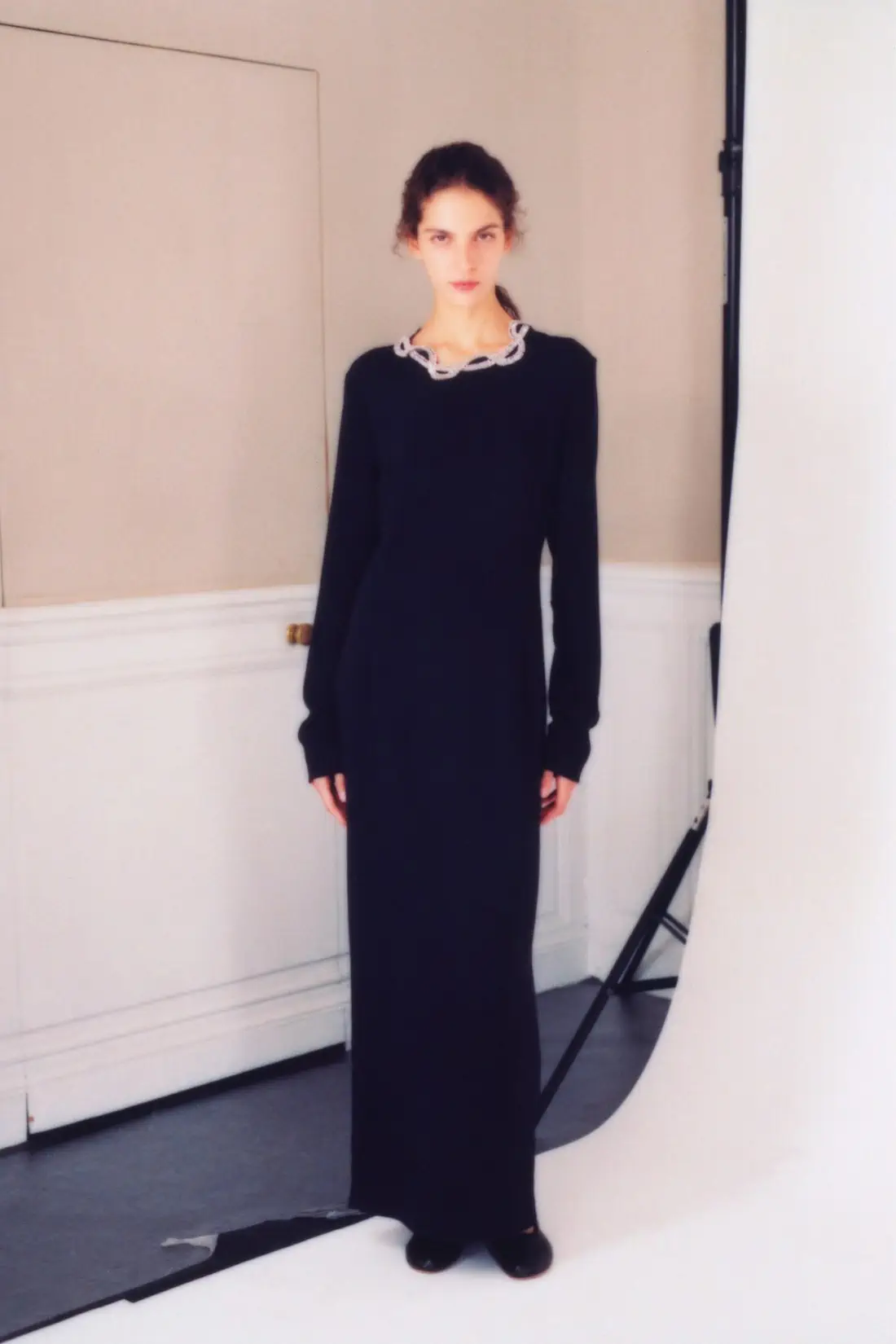
The Row asks its audience not to photograph its shows. Since 2024 the no-phone rule has been formal, and the Paris Fashion Week show on 2 October 2025 kept to it: no phones, no cameras, no footage circulating by lunchtime. In an industry whose economics now run on how many people saw the clip, a house that forbids the clip is either incompetent or operating on a different theory of value entirely.
The theory is simple enough. If nobody can see the thing, the people who were in the room become the only people who can describe it, and description by the right twelve people has always been worth more than distribution to twelve million. Scarcity of garment is easy. Scarcity of information about yourself is the harder trick, and the Olsens have been practising it since the era when they were the most photographed children in America.
What makes it unusual is the discipline, not the instinct. Most reclusive founders eventually give the one big interview, the long sit-down with the photograph in the atelier and the line about never having planned any of this. The Olsens have declined the trade for twenty years. Silence compounds; a single interview spends the whole balance.
What the Wertheimers actually bought
In September 2024, the money arrived, and it arrived from the quietest address available. The Wertheimer family, owners of Chanel, invested through their family office Mousse Partners. Françoise Bettencourt Meyers came in through Tethys Invest. Natalie Massenet’s Imaginary Ventures and Lauren Santo Domingo’s StDominique Capital joined the round, which The Impression reported boosted the valuation to around $1 billion while leaving the sisters with the majority stake and control of the house they founded.
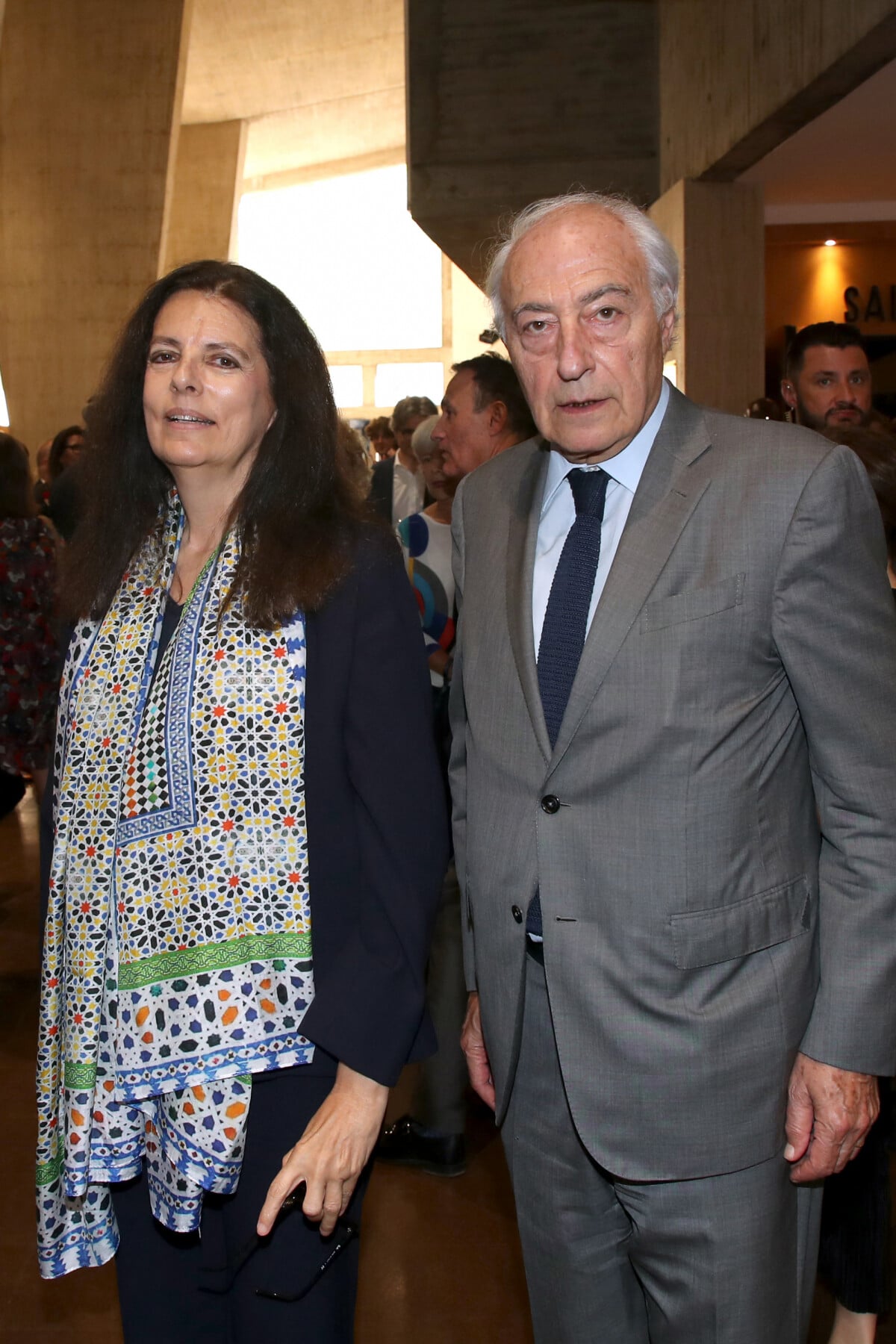
Read the cap table as a verdict. The buyers were not a growth fund with a reach thesis and a plan for TikTok. They were the two families most associated in Europe with keeping their heads down about an enormous amount of money, plus two women who spent their careers understanding exactly who buys a $4,000 coat and why she does not want to be asked about it. Nobody in that group was going to turn up at the next board meeting asking why the founders aren’t posting.
The revenue supports the arithmetic. Insiders estimate The Row generates $250 to $300 million a year, according to Celebrity Net Worth, which also puts each sister at around $500 million, an estimate rather than an audited figure. That is a business doing roughly a quarter of a billion dollars in sales without a single campaign image anyone can recall.
Minority stakes matter here more than the headline number. The sisters sold a slice and kept the house. Celebrity brands usually run the other way: the famous name takes the cheque, the operators take control, and within three years the founder is contractually required to be enthusiastic on camera. The Olsens structured the opposite deal. They were paid for the silence and got to keep it.
A playlist instead of a press release
The one channel they do use is a Spotify playlist. The Row has been posting monthly selections since April 2020, which Nylon noted at the time offered a rare insight into the twins’ musical tastes, and the Substack newsletter Vinyl reported last year that the playlists are said to be curated by the sisters themselves. That is the entire public voice of a billion-dollar brand: a track list, once a month, no commentary.
It works because of the vacuum around it. When a brand says nothing for fifteen years, a playlist is an event, and fashion writers will read a Bad Bunny track the way Kremlinologists read a seating plan. Give the same playlist to a house that posts four times a day and it is wallpaper.
The silence has a documented edge, too, and it is on the record rather than in the gossip. In 2020, former Row president David Schulte filed suit against the Olsens, The Row and Dualstar, citing potential causes of action including breach of contract, fraud and misrepresentation; The Fashion Law reported that the case was placed under seal, so no resolution details are public. Earlier, in 2015, former intern Shahista Lalani filed a class-action claim against Dualstar Entertainment alleging she worked 50-hour weeks for five months without pay or college credit, according to the research group FemFounded. Allegations, in both instances, and in the Schulte matter the public record stops at the seal.
A sealed docket is, in its way, the purest expression of the house style. The dispute happens, the lawyers are paid, and the only thing the audience is permitted to see is the absence of a statement. Other brands issue a line about respecting the process. These two issue nothing, and the story dies of starvation within a week.
Which is the uncomfortable part for everyone else in luxury. The industry has spent a decade building machinery to be seen: the ambassadors, the front rows engineered for screens, the campaign that exists mainly to be reposted. The Row declined all of it, priced its coats accordingly, and ended up with Chanel’s owners as minority partners and the founders still holding the majority.
On 2 October 2025 they did it again in Paris, in a room full of people who had agreed not to look at their phones. Nobody photographed it.