

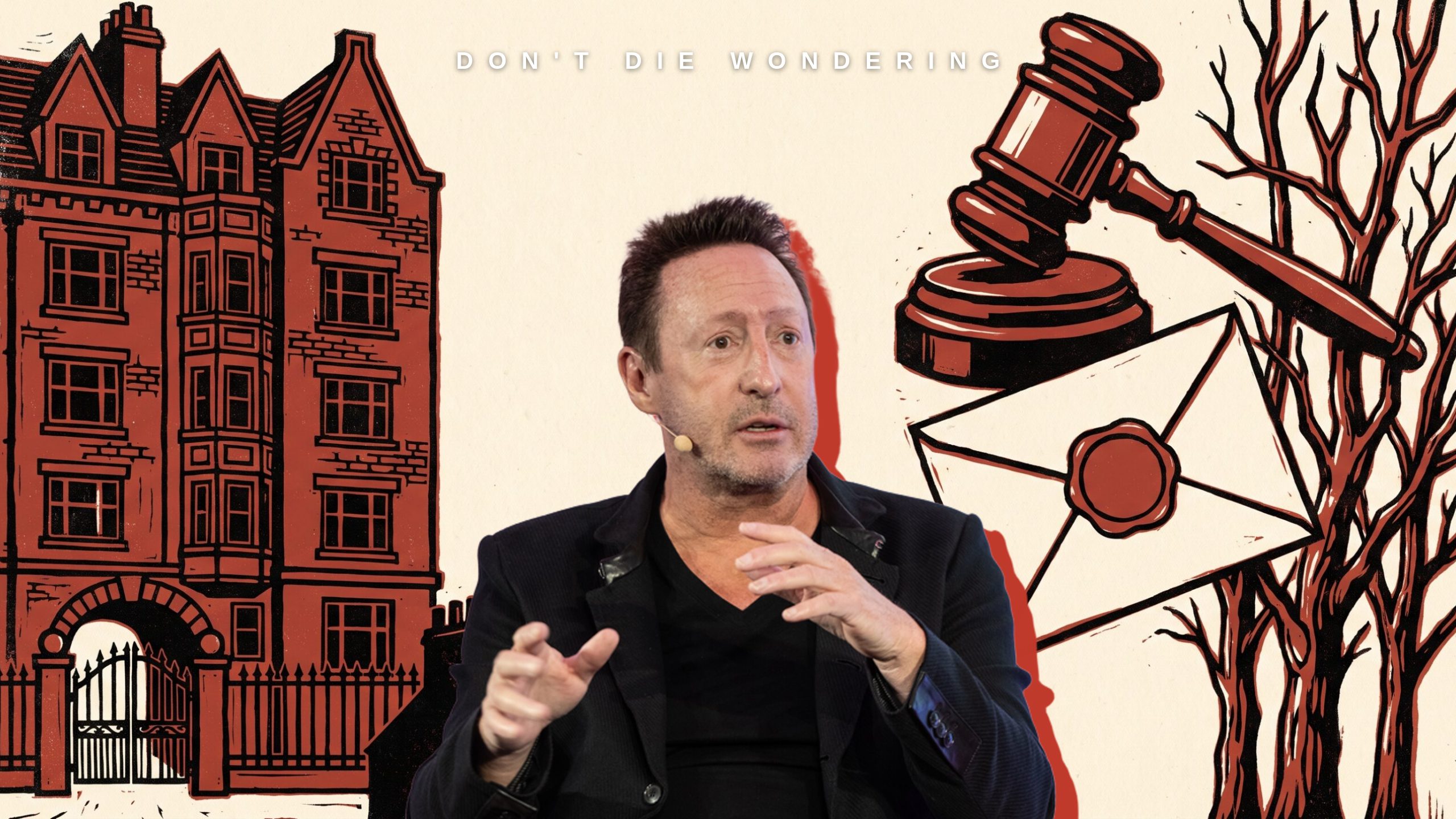
A birthday photograph posted at 3.28am, a stranger’s reply about who got cut out, and a one-line correction from the son who runs the estate. The will itself has never been published.
1963
Julian Lennon arrived first, born in Liverpool to John Lennon and his first wife, Cynthia. Sean Ono Lennon arrived twelve years later, in Manhattan, to John and Yoko Ono. Same father, different cities, different mothers, different decades of his attention, and eventually different lawyers.
Twelve years is a long gap in any family. In this one it also covers the distance between a Liverpool marriage that ended in 1968 and a New York household that outlived him, and the two boys spent their childhoods on opposite sides of it.
Everything that followed is a story about paper: what was signed in 1968, what was dated in 1979, and what was sealed in 1996.
1968
John and Cynthia divorced. Celebrity Net Worth, revisiting the terms this month, records that Cynthia received £100,000 and annual maintenance of £2,400, and that John established a separate £100,000 trust for Julian, the money intended to become available when he turned 21. The same account puts £100,000 in 1968 at roughly £1 million in present-day terms.
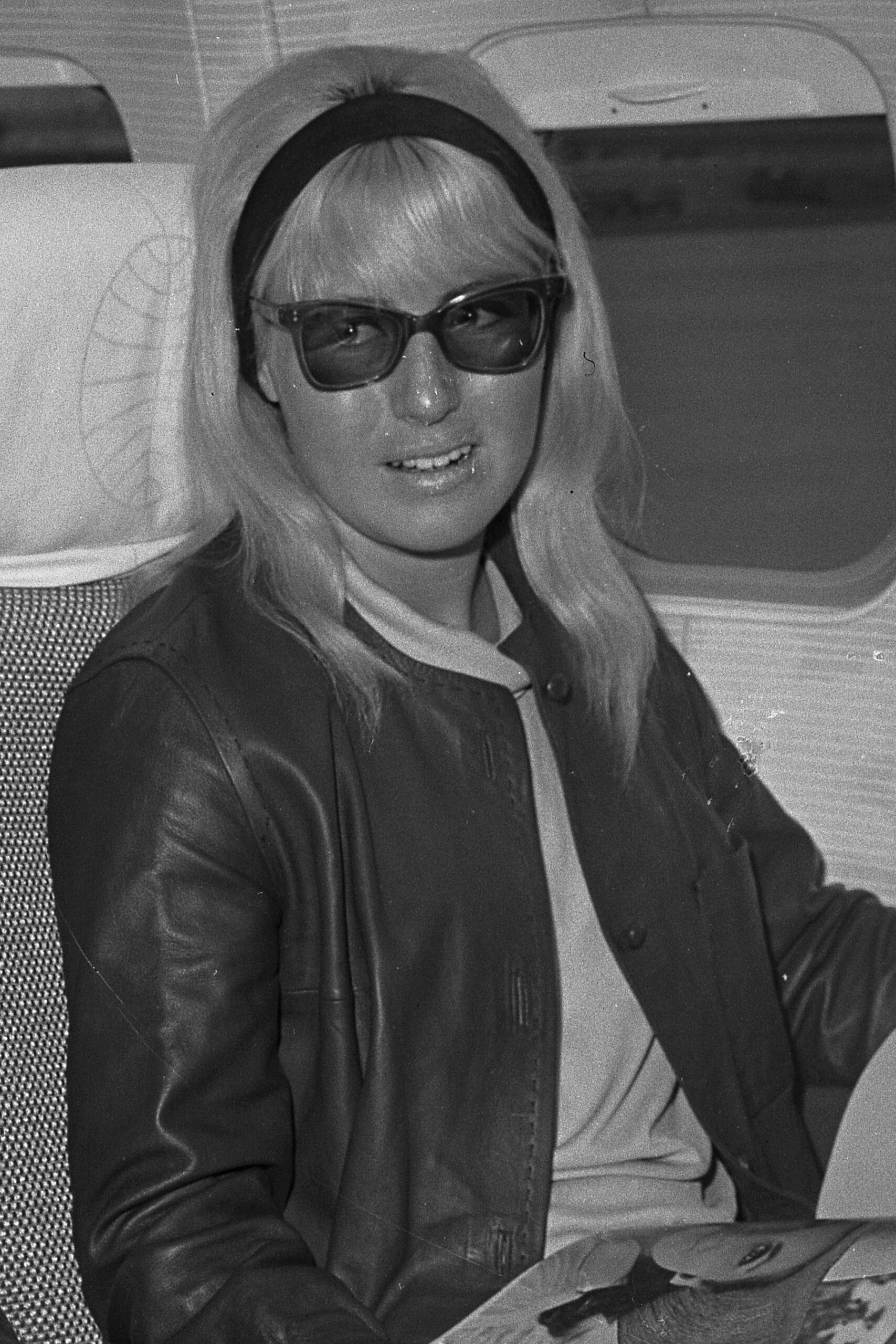
Julian was five years old when that money was settled on him, which made 1984 the year it came due. By then his father had been dead for four years. A trust written to open on a son’s twenty-first birthday is written by a man who expects to be in the room when it does.
12 November 1979
The will was dated that day, and the text of it has never surfaced in the public record. According to AOL’s account of the document, it left half of Lennon’s British estate to Ono and the remainder to a trust fund, and Julian was not named in it directly. Every version of this story since has been assembled from reporting rather than from probate.
Not named directly is a phrase doing a great deal of work. It can describe a son left out, or a son provided for elsewhere, under separate paper, in a structure that never needed to appear in the will at all. Without the document, both readings survive.
Thirteen months later the question of what the paper meant stopped being theoretical.
8 December 1980
Lennon was shot and killed outside the Dakota building in New York by Mark David Chapman. He was 40, and married to Yoko Ono, who was left in control of the estate.
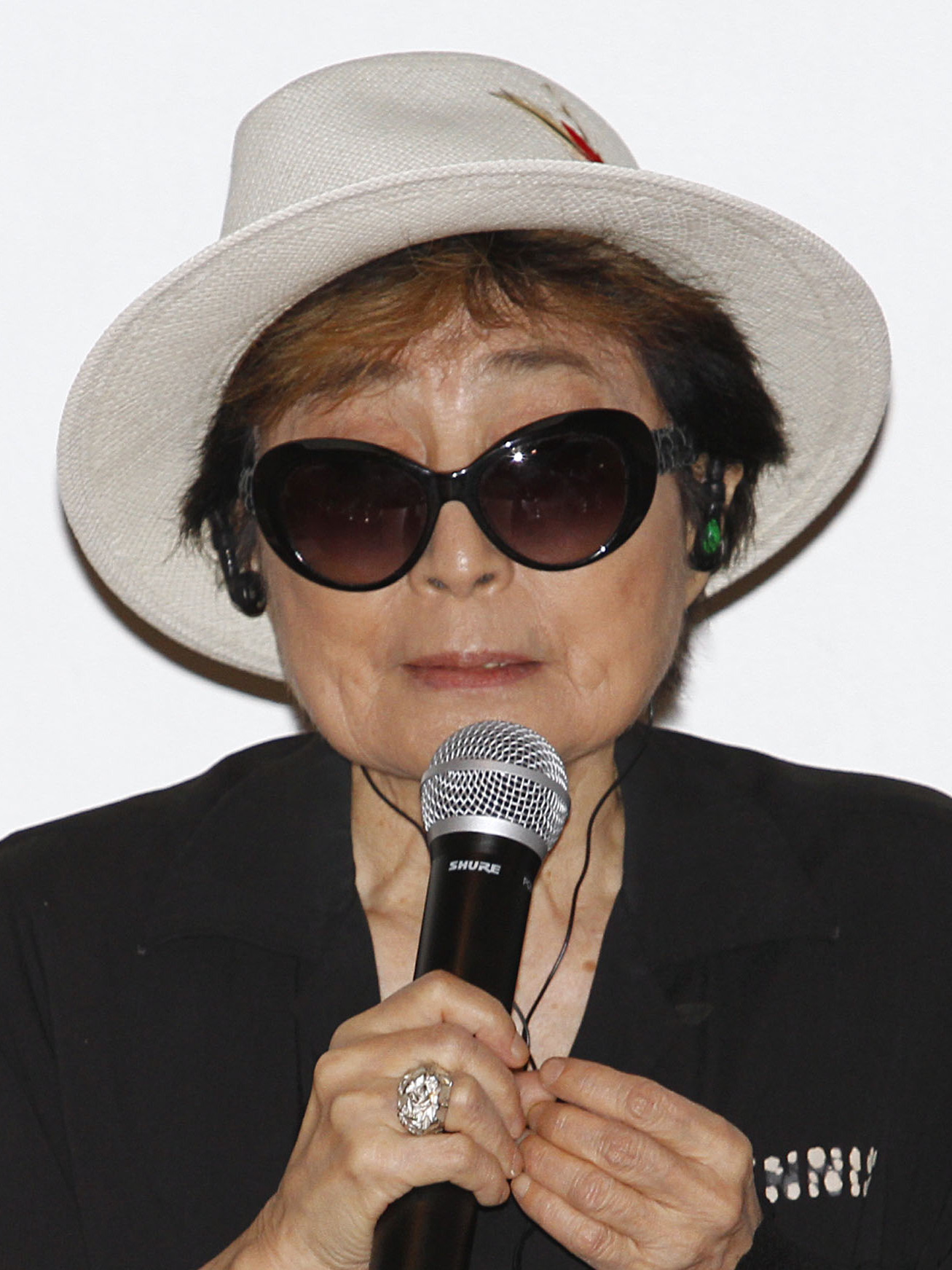
The fortune is usually given as an estimated $200 million at the time of his death. Higher figures circulate; none of them come from a filing anybody has published. The number that matters here is not the total but the structure: one widow holding the controls, one adult-in-waiting on the outside of them, one five-year-old asleep upstairs.
Control, in estates, outlasts cash. Whoever holds it decides which recordings are released, which photographs are licensed, and which claims are worth settling rather than contesting.
1980 to 1996
Sixteen years of legal proceedings, per the same AOL account, between Julian and the estate. Not a hearing, not a season, not a news cycle. Sixteen years is longer than Julian had been alive when his parents divorced, and longer than the Beatles existed.
Nothing in the public record from that period gives the shape of the claim or the schedule of the offers. Estates of this size are litigated in private because both sides want them to be, and both sides generally get what they want. What is known is the duration, and duration is its own form of evidence: nobody spends sixteen years on a matter that was resolved by the first letter.
1996
A settlement was reached that year, sixteen years after the shooting. The terms were never publicly disclosed, which has not stopped three decades of reporting from supplying a figure anyway: around £20 million in some accounts, £20 million to £25 million in others, each attributed to press reports at the time rather than to a document. Nobody outside the room has seen the number, and the room was sealed by agreement.
What Julian did with part of it is better evidenced than the sum itself. He began buying back, at auction, personal letters and handwritten lyrics his father had written for songs inspired by him, including “Hey Jude”. A man used his settlement to purchase the paperwork of his own childhood, at open market prices, against other bidders. Auction rooms do not care whose father wrote the lot.
That is the only Lennon inheritance anyone can actually point to.
2020
According to Finance Monthly, Sean Ono Lennon formally assumed responsibility for the estate’s creative and business operations around 2020, working with Universal Music Group and Sony Music Publishing on archival releases. The single public figure here is a job, not a stake: the precise split of control over the music and publishing between Ono-held entities and her son has never been set out in public. Running an estate and owning one are separate questions, and only the first of them leaves a trail in the trade press.
Succession in a music estate is rarely announced. It shows up in the credits of a reissue.
11 October 2026
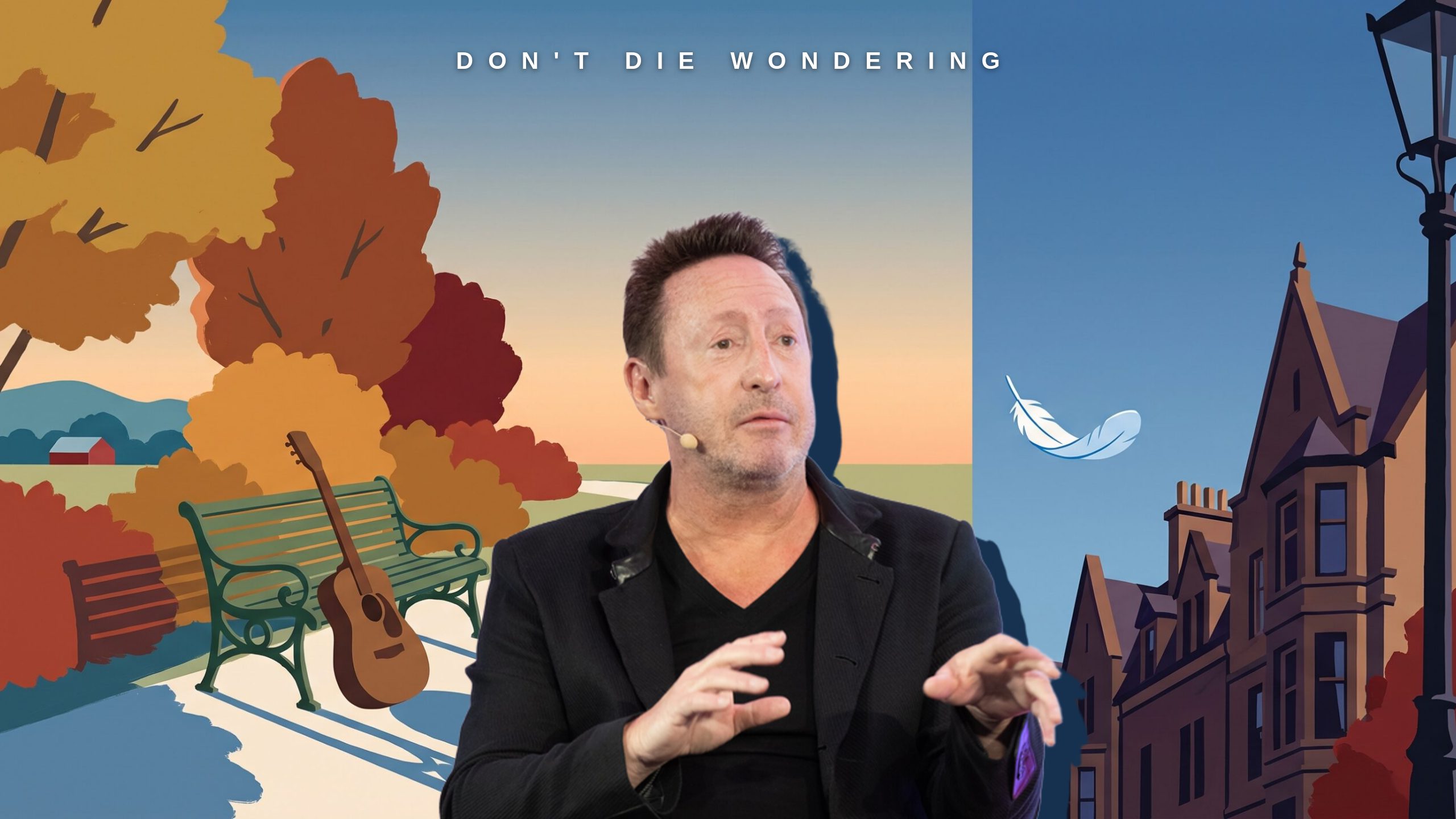
Sean posted a photograph with Julian at 3.28am, captioned with his brother’s handle and a note that they had spent his birthday together. He turned 51 the following day.
The reply that travelled furthest came from the political commentator Wesley Yang, who argued that one brother had inherited most of the estate while the other was largely cut out and pushed into decades of litigation for a comparatively small share, and found it remarkable that the two remained friends. It was framed as sympathy. It functioned as an accusation.
The rumour underneath it is older than most of the accounts repeating it, and it had never needed a document, only repetition.
12 October 2026
Sean answered it himself, at 3.01 in the morning, in three sentences.
Julian and I inherited the same amount from our dad. Our trusts were equal. Although his was slightly more, but negligibly so
That was posted as a direct reply on X, and picked up within hours by Billboard, Yahoo, AOL, Hola and the rest of the entertainment wires, which ran it as a correction of a decades-old rumour. He is the best-placed living person to know, and the only one answering at three in the morning.
Billboard added the caveat the rest mostly dropped: Sean did not specify amounts, and did not clarify whether he was comparing the brothers’ original trusts or what each ultimately received once Julian’s settlement with the estate was done. Those are two different claims. Equal trusts in 1980 and equal lifetime outcomes in 1996 can both be true, or only one, and the document that would distinguish them is the one nobody has.
The present-day numbers are no firmer. Aggregator estimates put Julian at around $50 million and Yoko Ono at around $700 million, and one UK radio outlet has published a figure for Sean that nothing else corroborates. None of it comes from a filing, a probate record or a company account, which is the standard DDW applies to a fortune before it treats a number as a number.
So the ledger stands where it stood: a 1968 trust of £100,000, a will from November 1979 that has never been published, sixteen years of proceedings, a 1996 agreement sealed by both sides, and a tweet at three in the morning from the brother who now runs the estate.
The will has still not been published. The “Hey Jude” lyrics went home with Julian.
Cover photograph: DavidPMaynard via Wikimedia Commons (CC BY-SA 4.0).