


Thirty men currently hold a dukedom in the peerages of England, Scotland, Great Britain, Ireland and the United Kingdom, which makes the odds of ever needing “Your Grace” small and the odds of botching it, when the moment arrives, excellent.
A note on method, because this is the sort of article people copy into an email at eleven at night. The forms below come from Parliament’s own guidance on addressing members of the Lords and from Debrett’s. Every money figure is an estimate, attributed to the outlet that published it and dated; none has been confirmed by the person it describes. Where no published estimate exists, this piece says so instead of supplying one.
1. A duke is “Your Grace”, and the richest one is Hugh Grosvenor, 7th Duke of Westminster
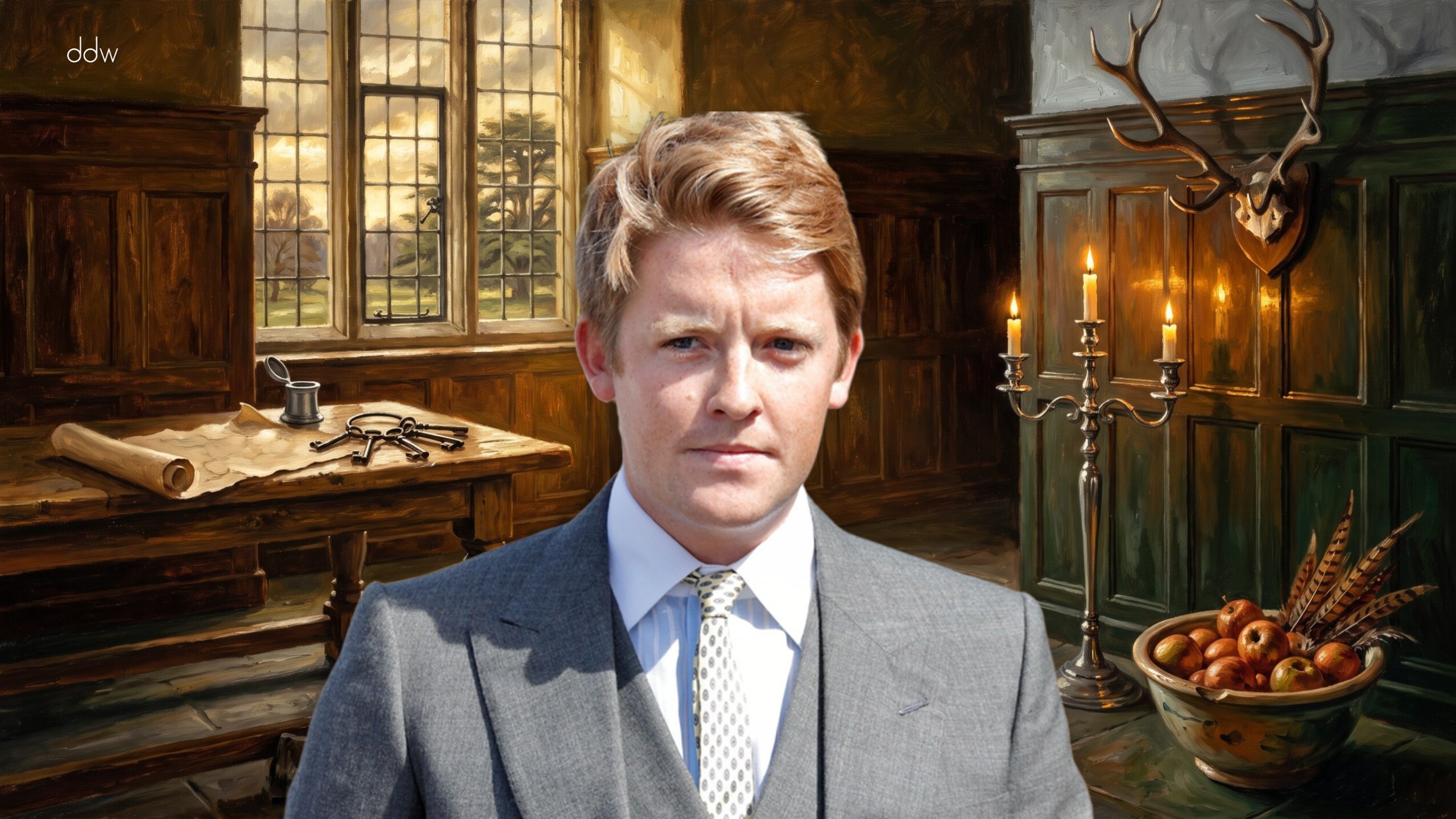
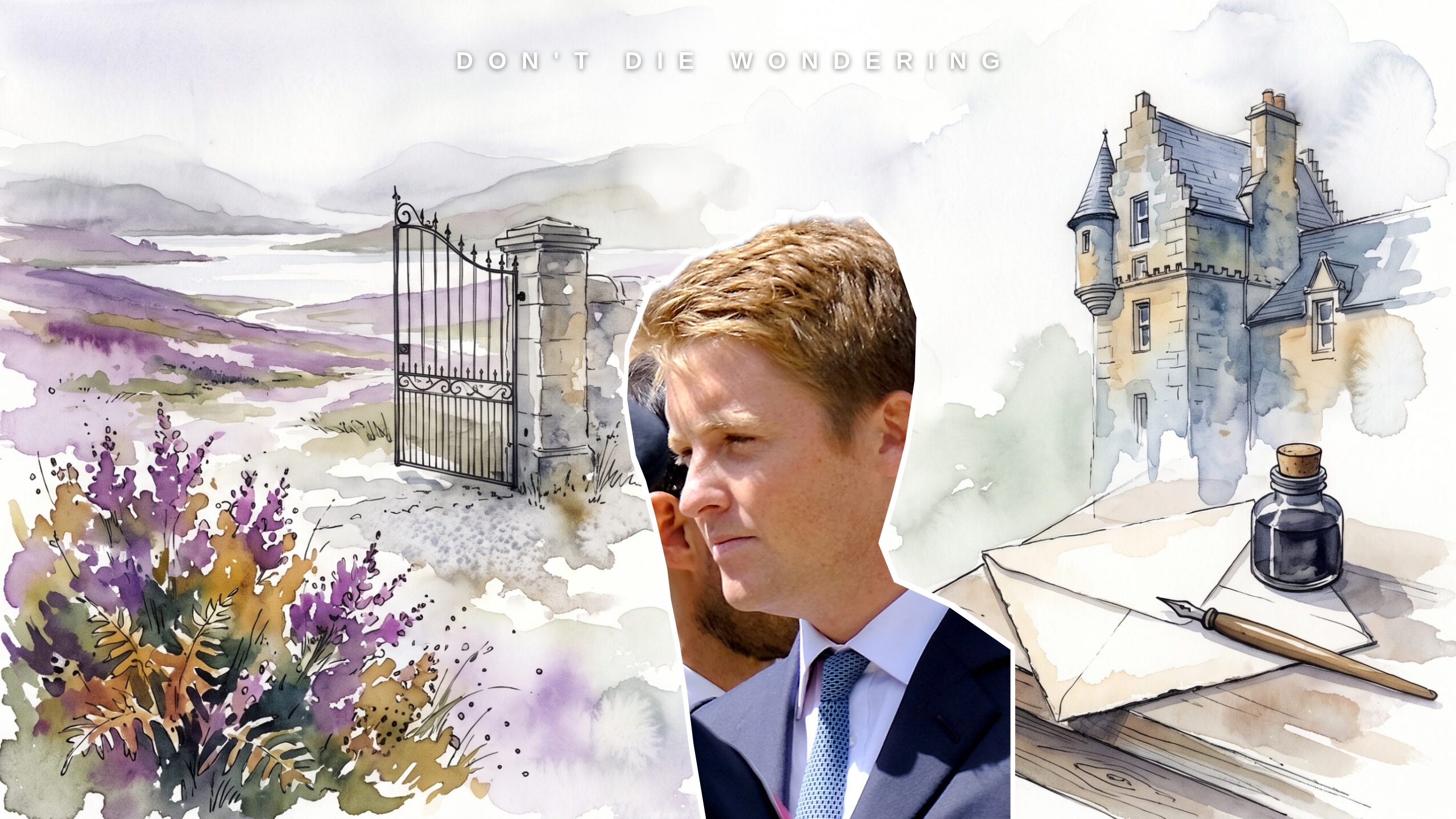
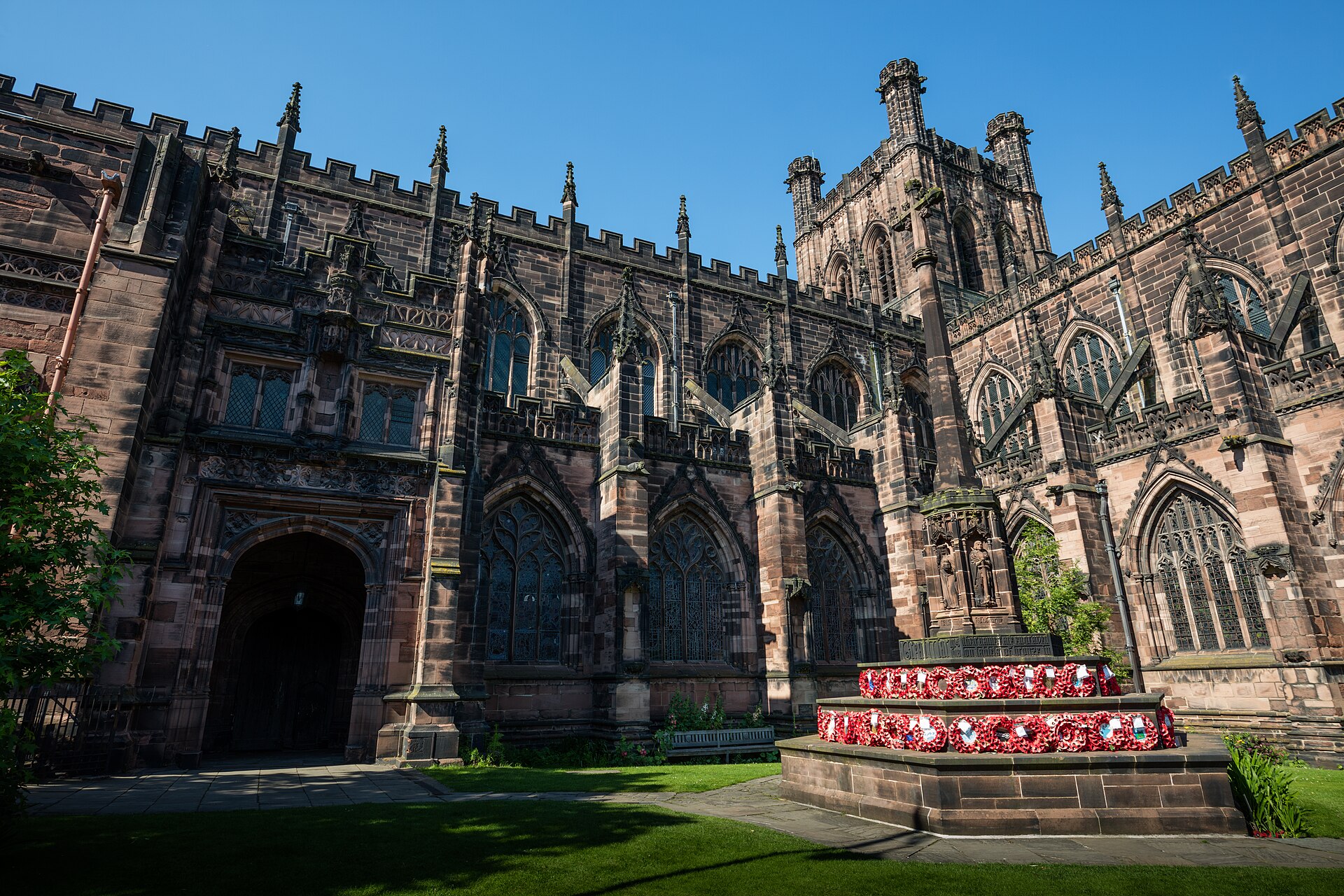
In speech and in writing, a duke is “Your Grace”; the envelope reads His Grace the Duke of X. The best-known test case is Hugh Grosvenor, who became 7th Duke of Westminster in 2016 on the death of his father Gerald, chairs the Grosvenor Group, married Olivia Henson at Chester Cathedral in June 2024 and is a godfather to Prince George. The Sunday Times Rich List 2026, published online on 15 May, put the Duke and the Grosvenor family at an estimated £9.677 billion, a fall of £207 million on the previous year and still the richest hereditary peer on the list, according to Chester’s Nub News. Much of it sits in family trusts set up decades ago, according to a syndicated report carried by Jang. The property is Mayfair and Belgravia. The salutation is two words.
2. “My Lord Duke” belongs on paper only, and his widow becomes a dowager
The one place “my lord” is correct for a duke is the opening line of a formal letter, which runs “My Lord Duke”. Say it to his face and you have demoted him by four ranks. The other half of this rule concerns what happens when a duke dies: his widow does not vanish from the stationery, she moves sideways. Natalia, Dowager Duchess of Westminster, born 8 May 1959, is the widow of the 6th Duke and the mother of the present one, and the “Dowager” is doing precise work, distinguishing her from the current Duchess rather than ageing her.
3. The Premier Duke of England is Edward Fitzalan-Howard, and no one has published what he is worth
The dukedom of Norfolk was created in 1483 and carries the hereditary office of Earl Marshal, which makes its holder the man responsible for royal ceremony. That is Edward Fitzalan-Howard, 18th Duke of Norfolk, 69, who acceded in 2002. Precedence and money are separate ledgers: the oldest surviving dukedom is Cornwall, created in 1337 and currently held by Prince William, and no serious outlet has put a current figure on the Norfolk fortune, so we are not about to invent one. “Your Grace” is owed either way.
4. The other dukes are older than you think, and the form does not scale with acreage
The living roster rewards memorising. Peregrine Cavendish, 12th Duke of Devonshire, is 82 and acceded in 2004. James Spencer-Churchill, 12th Duke of Marlborough, is 70 and acceded in 2014. Henry Somerset, 12th Duke of Beaufort, is 74, in post since 2017; John Seymour, 19th Duke of Somerset, is 73 and has held it since 1984; Charles Gordon-Lennox, 11th Duke of Richmond, is 71; Andrew Russell, 15th Duke of Bedford, is 64 and acceded in 2003; Henry FitzRoy, 12th Duke of Grafton, was 48 at the time of the current listing, having succeeded in 2011. David Manners is the 11th Duke of Rutland. None of them is addressed any differently from the Duke of Westminster.
5. A marquess is “Lord”, never “Your Grace”
One rung down and the Grace disappears. A marquess is addressed as “Lord [Title]” and his wife as “Lady [Title]”, which is the same construction used for an earl and a baron, and the reason so many people assume the whole system is interchangeable. It is not; it simply collapses below the top rank. The rule to carry out of this section is that “Your Grace” stops at the dukes, and using it on a marquess is the kind of over-promotion that announces you have been reading novels.
6. Scotland gives an heir presumptive a title England refuses: Lord Alistair Hay is Master of Tweeddale
Here the two systems genuinely part company. In English and UK practice, an heir presumptive, a brother, nephew or cousin who would inherit only if no son arrives, gets nothing at all by courtesy. Scottish peerage practice permits the style “Master of X” for the heir apparent or heir presumptive, which is why Lord Alistair Hay, brother of the present Marquess of Tweeddale, is styled Master of Tweeddale. A man can therefore be a Master in Edinburgh and a plain mister in the English convention, on identical facts.
7. An earl is “Lord [Title]”, and Charles Spencer has been one since 29 March 1992
The earldom of Spencer was created by George III in 1765. Charles Spencer, born 20 May 1964, succeeded as the 9th Earl on 29 March 1992 on his father’s death, having been styled Viscount Althorp from 1975 until then. He is addressed as Lord Spencer, not Earl Spencer, in speech; his wife would be Lady Spencer. He is also the younger brother of Diana, Princess of Wales, and an uncle to the Prince of Wales and the Duke of Sussex, which is why this particular earldom is the one most people have an opinion about. Nobody reputable has published a current figure for his fortune, so you will not find one here.
8. Viscount Althorp is a courtesy title, and Louis Spencer is legally a commoner
The eldest son of a duke, marquess or earl may use one of his father’s lesser titles by courtesy, which is how Louis Spencer, born 14 March 1994 and an actor by trade, is Viscount Althorp while his father holds the earldom. The courtesy title confers style and nothing else: he remains, in law, a commoner, unless a writ of acceleration is issued. His father used the same title for seventeen years before 1992. The viscountcy is real. The viscount, technically, is not.
9. A baron and a baroness are “Lord” and “Lady”, the same as an earl
The lowest rank of the peerage is addressed exactly like the two above it: “Lord [Title]” and “Lady [Title]”. This flattening is why a stranger’s name card tells you almost nothing about where they sit, and why Parliament publishes a guide at all. If you are writing to someone you know only as a peer, “Lord [Title]” is the form least likely to cause offence, since it is correct for everyone except a duke.
10. “Lady Mary” and “Lady Smith” are two different women, and Debrett’s says so
This is the error that actually happens, at weddings, in emails and on seating plans. “Lady [First name] [Surname]” is reserved for the daughters of a duke, marquess or earl; Debrett’s uses Lady Mary Crawley as its worked example. The Crawleys are fictional; the distinction is not. The wife of a baronet or a knight is “Lady [Surname]”, full stop, and calling her Lady Jane promotes her into a family she does not belong to. Daughters and younger sons of dukes and marquesses take the same first-name form. Everyone else does not.
11. Richard Scott is a duke twice over, Chief of Clan Scott, and holder of 217,000 acres
Scottish dukedoms arrive with extras. Richard Scott, born in Edinburgh on 14 February 1954, is the 10th Duke of Buccleuch and the 12th Duke of Queensberry, Chief of Clan Scott, and was appointed Chancellor of the Order of the Thistle by Charles III on 9 December 2023. He was Scotland’s largest private landowner at 217,000 acres, or 88,000 hectares, before being overtaken by the Danish retailer Anders Holch Povlsen at roughly 221,000 acres. On money the record is old and contradictory: the Scotsman, working from EU subsidy disclosures, reported an estimate of £213 million including a £150 million art collection containing a Leonardo da Vinci, a figure dating from around 2017; a far higher estimate published by the land-reform campaigning paper Socialist Worker rested on land value rather than liquid wealth and cannot be reconciled with it. Neither is current for 2026.
12. The cast refreshes: Charles Beauclerk became the 15th Duke of St Albans in 2026
Forms of address are stable; the people inside them are not. Charles Beauclerk acceded as the 15th Duke of St Albans in 2026, which means every reference book, every seating plan and every charity letterhead carrying the old holder’s details is now wrong. Successions do this quietly and without notice, and the only reliable fix is to check the rank before the name rather than after it.
The obvious follow-up is whether any of this changes year to year, and the answer is that two of the three variables do. The holders move, as St Albans did in 2026. The estimates move, as the Sunday Times Rich List did on 15 May 2026 when the Westminster figure came down by £207 million. The forms have not moved at all, and Parliament publishes them free. Beauclerk has been “Your Grace” from the day he acceded. What he is worth, nobody has published.
Cover photograph: UK Government via Wikimedia Commons (OGL 3).