


On stage at Y Combinator’s Startup School in 2013, Mark Zuckerberg said vesting had been news to him when Peter Thiel invested in Facebook and insisted that the founders sign up to it.
“that mistake probably cost me billions of dollars, but it’s fine” Mark Zuckerberg at Startup School, in Y Combinator’s upload of 25 October 2013
Facebook’s Form S-1, filed on EDGAR on 1 February 2012, gave Class B shares ten votes apiece and Class A shares one. In October 2013 the man those Class B shares were built around told Paul Graham, on stage at Y Combinator’s Startup School, that he had once not known what a vesting schedule was.
The S-1 says the two classes let Zuckerberg control stockholder votes even if he owns significantly less than a majority of the shares. Voting agreements set out in the filings add an irrevocable proxy over shares held by other stockholders, with limited exceptions. For someone who began without the vocabulary, he ended up with a great deal of the grammar.
Zuckerberg’s vesting schedule mistake, in his words
Y Combinator’s upload of the interview runs to 36 minutes and 22 seconds. The vesting passage comes in an answer about early mistakes, which is a generous category for a founder to be asked about in front of a room of other founders.
When Peter Thiel came in to invest, Zuckerberg said, Thiel demanded that the founders be on vesting schedules, and Zuckerberg “didn’t know what a vesting schedule was”. He went on to Eduardo, whom he described as “one of our founders who then left”, and said they had “hadn’t heard of vesting schedules” at the time. Nothing in his answer puts a mechanism or a sum on the cost. He offered “probably”, “billions” and then the shrug, and moved on.
The coda is the part people repeat. Few founders price an error in the billions and then declare it fine within the same sentence, and fewer can afford to.
Peter Thiel and the demand for vesting
In Zuckerberg’s telling, Thiel’s instruction was brisk. The transcript has him paraphrasing the investor as saying, more or less, that all of them had to be on vesting schedules. Zuckerberg did not give the year of the investment or its size in this answer, and Thiel’s side of the conversation is not on the tape.
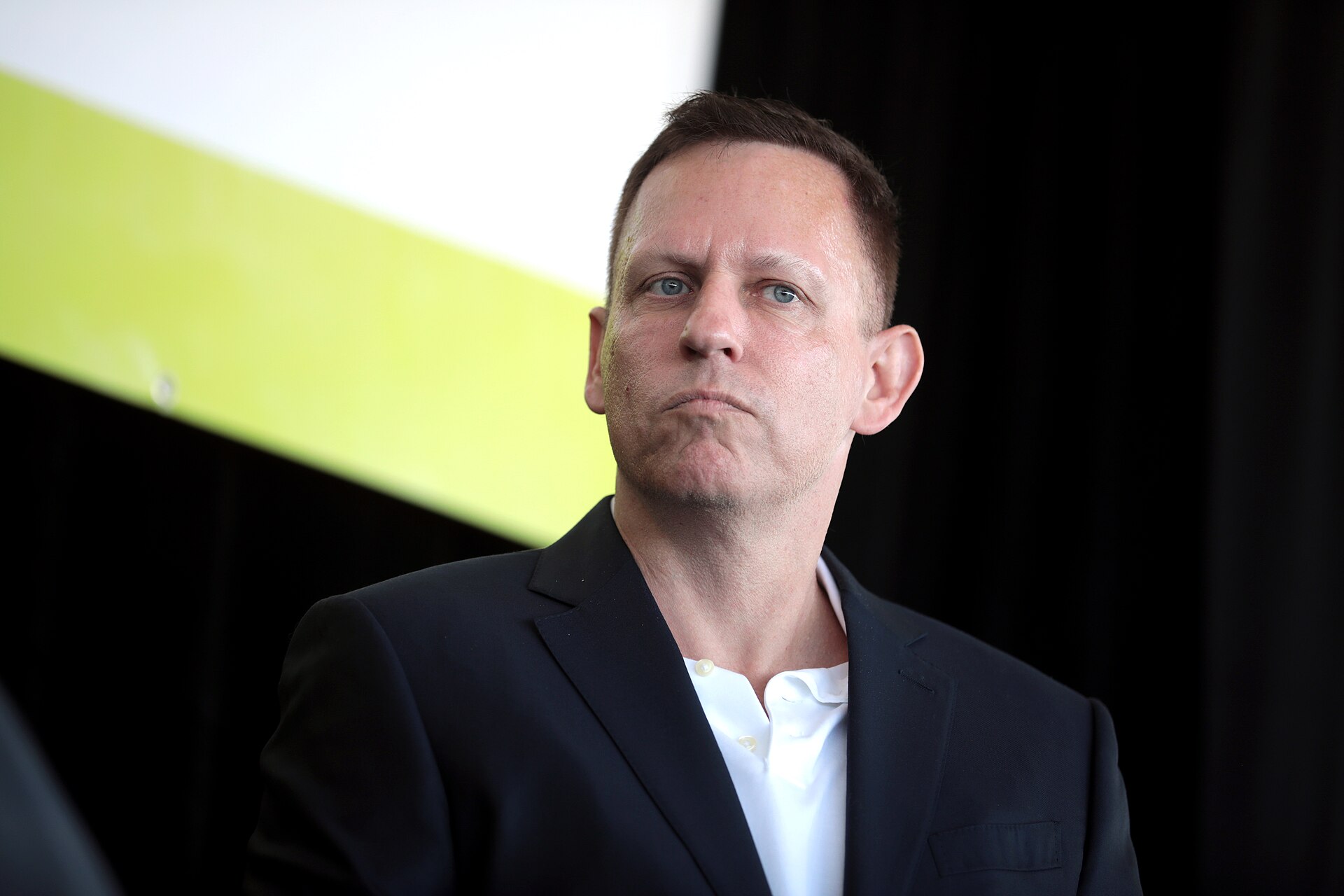
Graham’s next question, by YC’s own chapter list, turned to influence, and specifically to Thiel and Sean Parker. So the investor who introduced the word is the first person the interviewer asks about once the confession is done, which is about as neat a segue as a fireside chat produces.
A vesting schedule in plain terms
When Benzinga picked up the clip in August 2025, it explained vesting for its readers as a way of earning equity over time, so that people cannot simply leave with their full share. Those are Benzinga’s words, not Zuckerberg’s. That is the whole of it: shares arrive in instalments, and whoever stops showing up stops collecting.
Thiel was the investor in the story, and an investor buys into the people who will stay. Vesting is how that is written down. It is the rare billion-dollar error that can be put right with a definition.
Facebook’s S-1 and founder control
The 2012 filings read like the work of someone who had since learned every clause going. Beyond the ten-vote Class B shares and the proxy over other holders’ stock, the paperwork was amended repeatedly before the listing, and the voting percentage moved a little with each version. Amendment No. 8 to the S-1 states that Zuckerberg would hold or control about 55.8% of the voting power after the offering.
That figure belongs to 2012, the year Facebook went public, and describes the company on the day of its offering rather than Meta now. As to whether the mistake cost him control of the company he started, the filings Facebook made to list its shares answer that one: after the offering he would hold or control a majority of the vote.
Read Next: Six Gordon Ramsay Rules for His Children’s Inheritance in 2026