

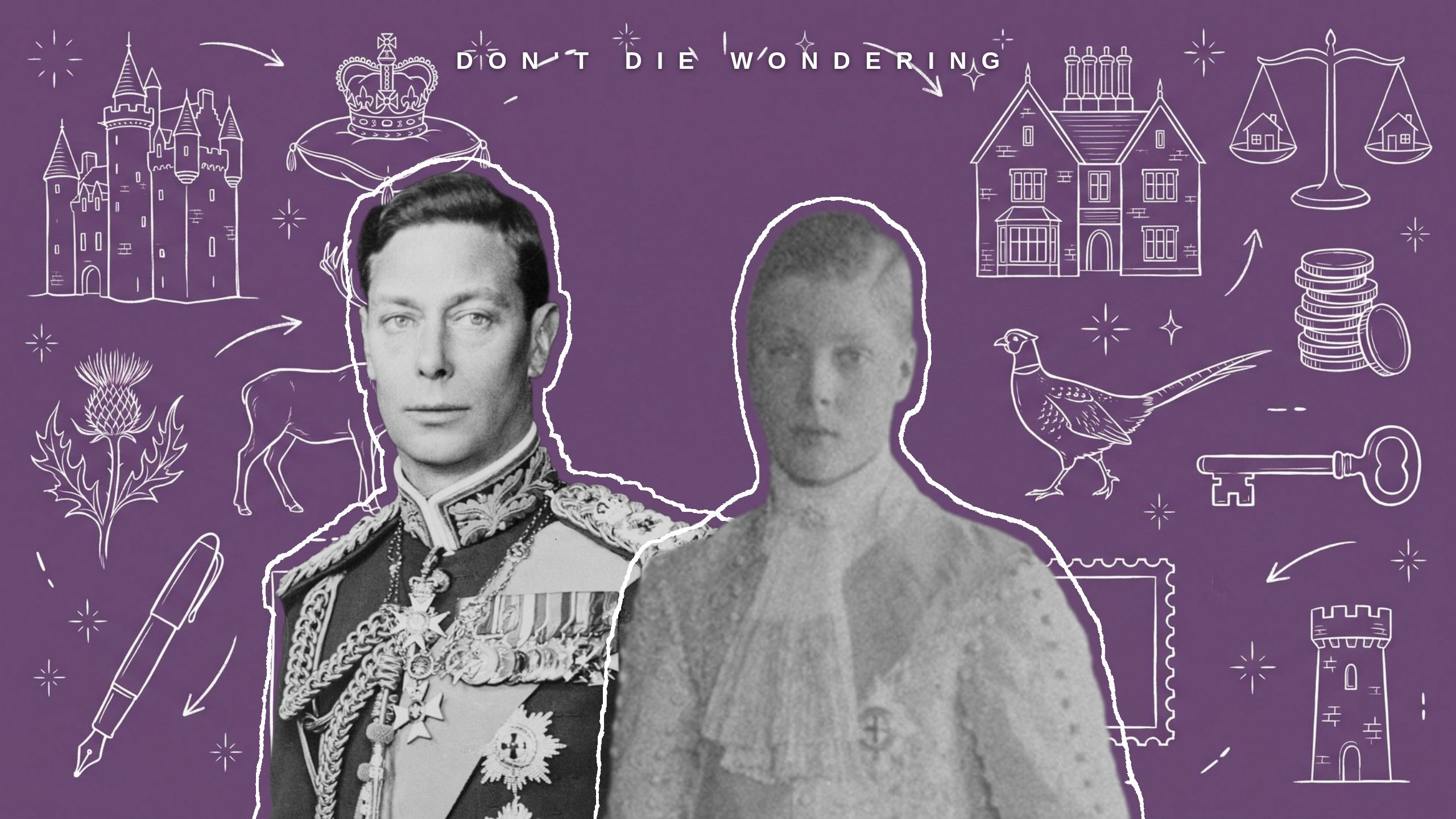
King Edward VIII signed away the throne in December 1936 and kept Balmoral and Sandringham, which his brother, King George VI, then bought from him for £300,000 of the monarch’s money.
The Edward VIII abdication settled who would be king in two days. Who owned the King’s houses was settled later, and of the two transactions the second is the better guide to how a royal fortune works.
A Commons Library briefing of 4 August 2025 records that when King Edward VIII abdicated in December 1936, Balmoral and Sandringham remained his. A throne can be given up by statute. A house has to be sold.
The cleanest number in the whole affair comes from Parliament’s own researchers, and it concerns a payment Parliament did not make. The rest of the abdication’s paperwork is the trail that led to it.
Two documents and three royal brothers
King Edward VIII executed his Instrument of Abdication on 10 December 1936, and Hansard for the House of Lords records it being reported that day. In it he styled himself King of Great Britain, Ireland and the British Dominions beyond the Seas, and Emperor of India, and declared his “irrevocable determination” to renounce the throne for himself and his descendants. The King’s message names the witnesses as his three brothers, the Duke of York, the Duke of Gloucester and the Duke of Kent. It also names his lawful successor, the Duke of York. The future King George VI, in other words, witnessed his own appointment. The schedule to the Act carries the endorsement “Signed at Fort Belvedere”, in the presence of “ALBERT”.
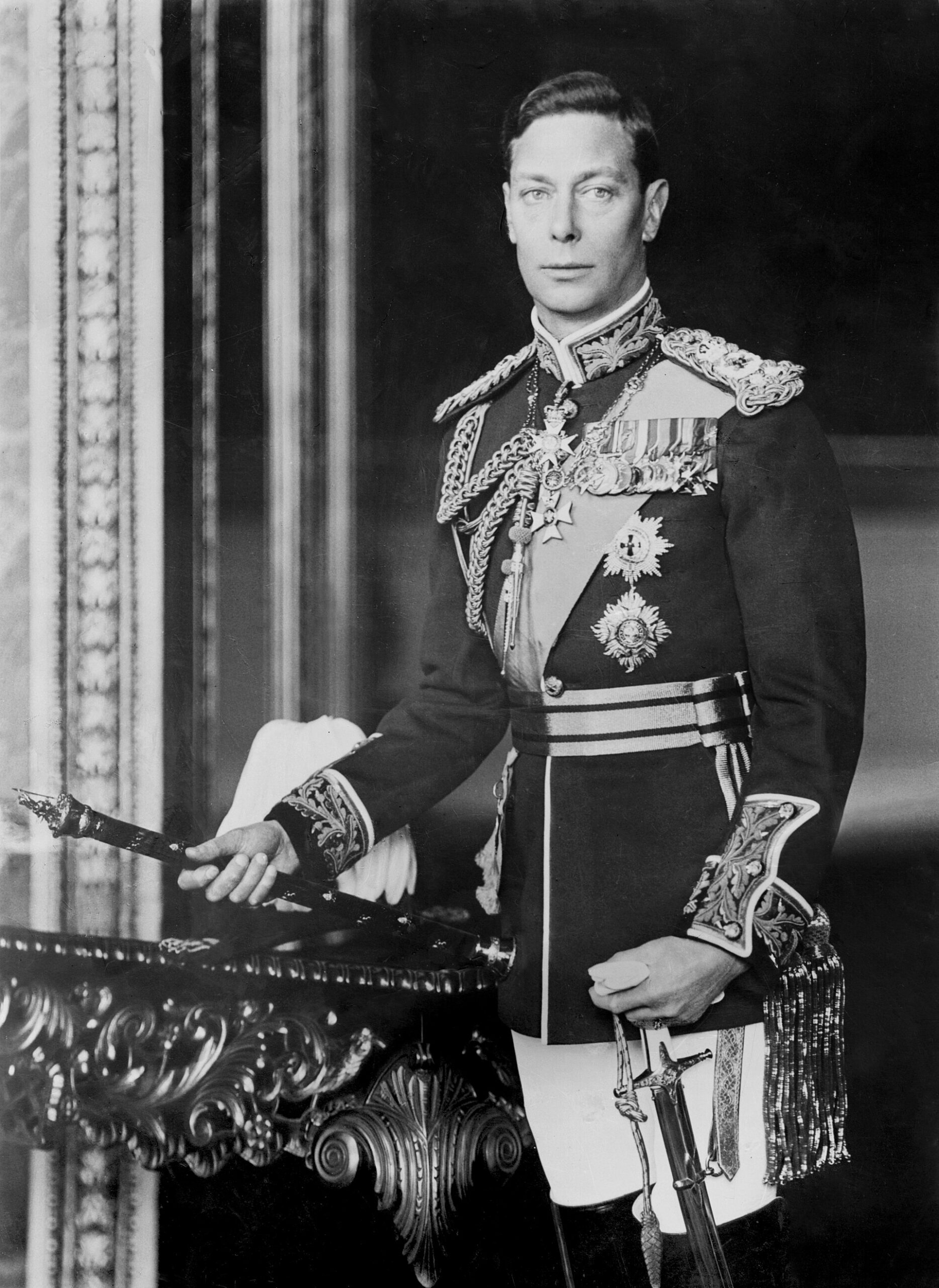
To the House of Commons the same day, Hansard records, the King said that “After long and anxious consideration” he had determined to renounce the throne.
A signature was not enough. The Commons Library explains that the abdication was a legal demise of the Crown and needed legislation, because the Act of Settlement made no allowance for abdication. The King signed instruments for each Dominion as well, and His Majesty’s Declaration of Abdication Act 1936, dated 11 December, gave them legal effect in the United Kingdom. Section 1 of the Act removes any right, title or interest in the succession from him, his issue and their descendants, and then releases all of them from the Royal Marriages Act 1772. That is a rare statute, one that takes away a privilege and a chore in the same section.
The new reign also had to be proclaimed abroad. The National Archives of Australia, in its 2020 research guide to royalty and Australian society, notes a Gazette Extraordinary issued on 14 December 1936 on behalf of the new King.
Balmoral and Sandringham remained his
Neither estate belonged to the Crown in the way the throne did. Prince Albert bought Balmoral in 1852, and the Prince of Wales, the future King Edward VII, bought Sandringham in 1862, the Commons Library notes. Both had passed through the family as private property, and private property does not change hands because a man stops being king.
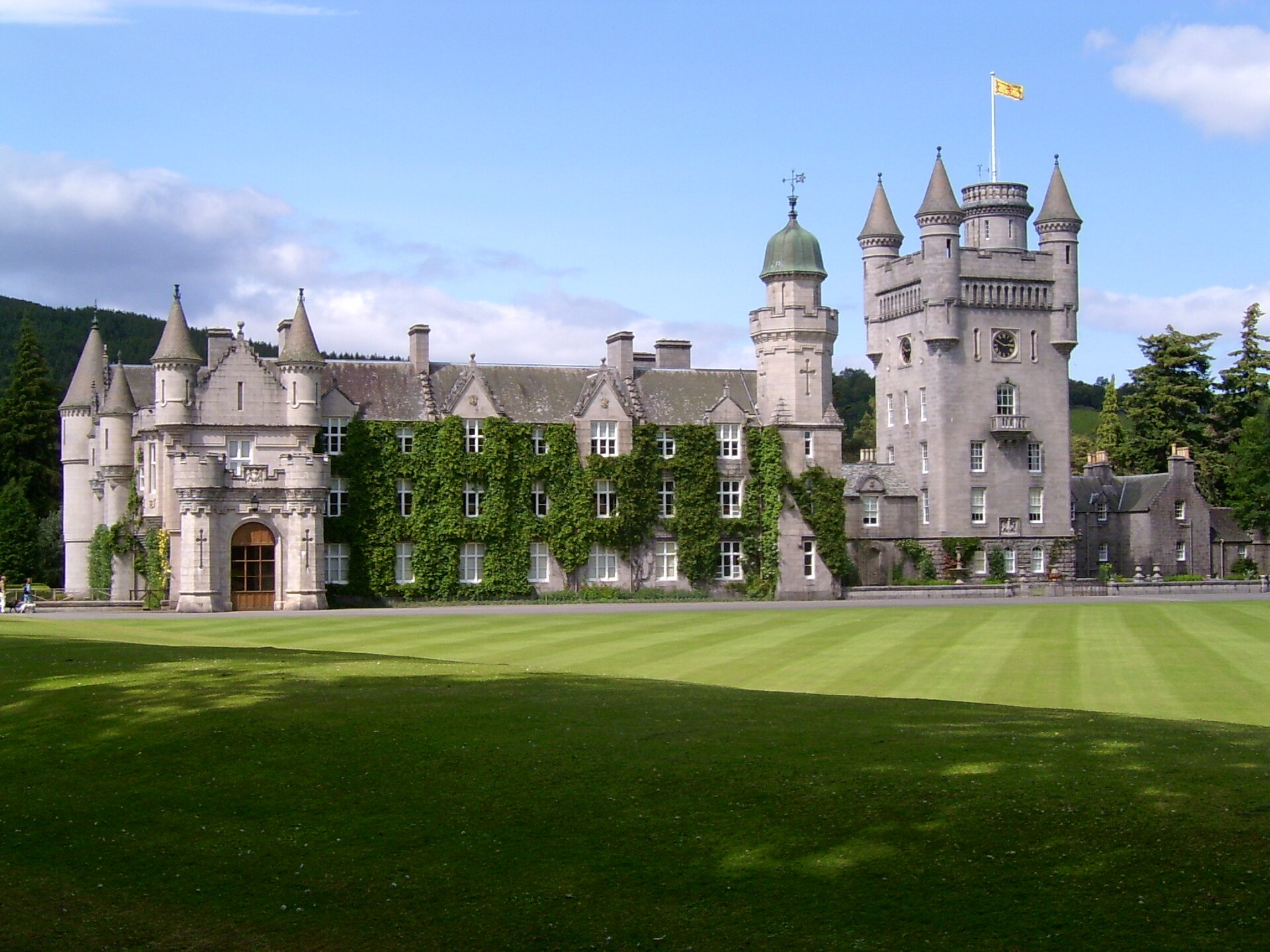
The Commons Library goes on to say that a financial arrangement was reached under which King George VI bought both estates from his brother. The man who had just been handed the throne now had to pay for the houses.
Prince Albert had bought Balmoral once already, so the family had now paid for it twice.
A sale paid out of the royal pocket
By the time of the sale the seller was the Duke of Windsor, and the Commons Library briefing on the finances of the monarchy, published on 30 June 2026, puts it plainly. The Duke kept ownership of Balmoral and Sandringham on abdication and “eventually” surrendered both to King George VI for £300,000, paid by the monarch rather than the government.
Parliament, which had needed an Act to let the King go, did not have to find a penny to let him sell. The £300,000 for the two estates was paid by King George VI, and the transfer was a private sale between two men who had been witness and signatory to the same abdication document.
Still the sovereign’s private estates
The purchase is the reason the two houses sit where they do in the royal accounts today. The 2026 briefing describes the sovereign’s personal wealth as privately owned estates, Balmoral and Sandringham, along with art and jewellery outside the Royal Collection, a stamp collection, investments and private savings. The two estates head the list, ahead of the stamps.
The follow-up question everyone asks is what Edward VIII got for giving up the throne. The one figure Parliament’s researchers record is the £300,000 King George VI paid for the houses; secondary accounts of a yearly allowance give conflicting sums. The Crown passed to King George VI by Act of Parliament, and Balmoral and Sandringham passed to him by purchase, which is why they still belong to the monarch and not to the state.
Read Next: Lawrence Stroll Sits on Both Sides of Aston Martin
Cover photographs: Geoff Charles via Wikimedia Commons (CC BY-SA 4.0); Matson Photo Service via Wikimedia Commons (Public domain).