


The 5th Earl of Carnarvon gathered his Egyptian antiquities in London and Paris salerooms, from a Luxor dealer and at his own excavations at Thebes, and his widow, Almina, sold the majority to the Metropolitan Museum of Art.
Purchase, Edward S. Harkness Gift, 1926
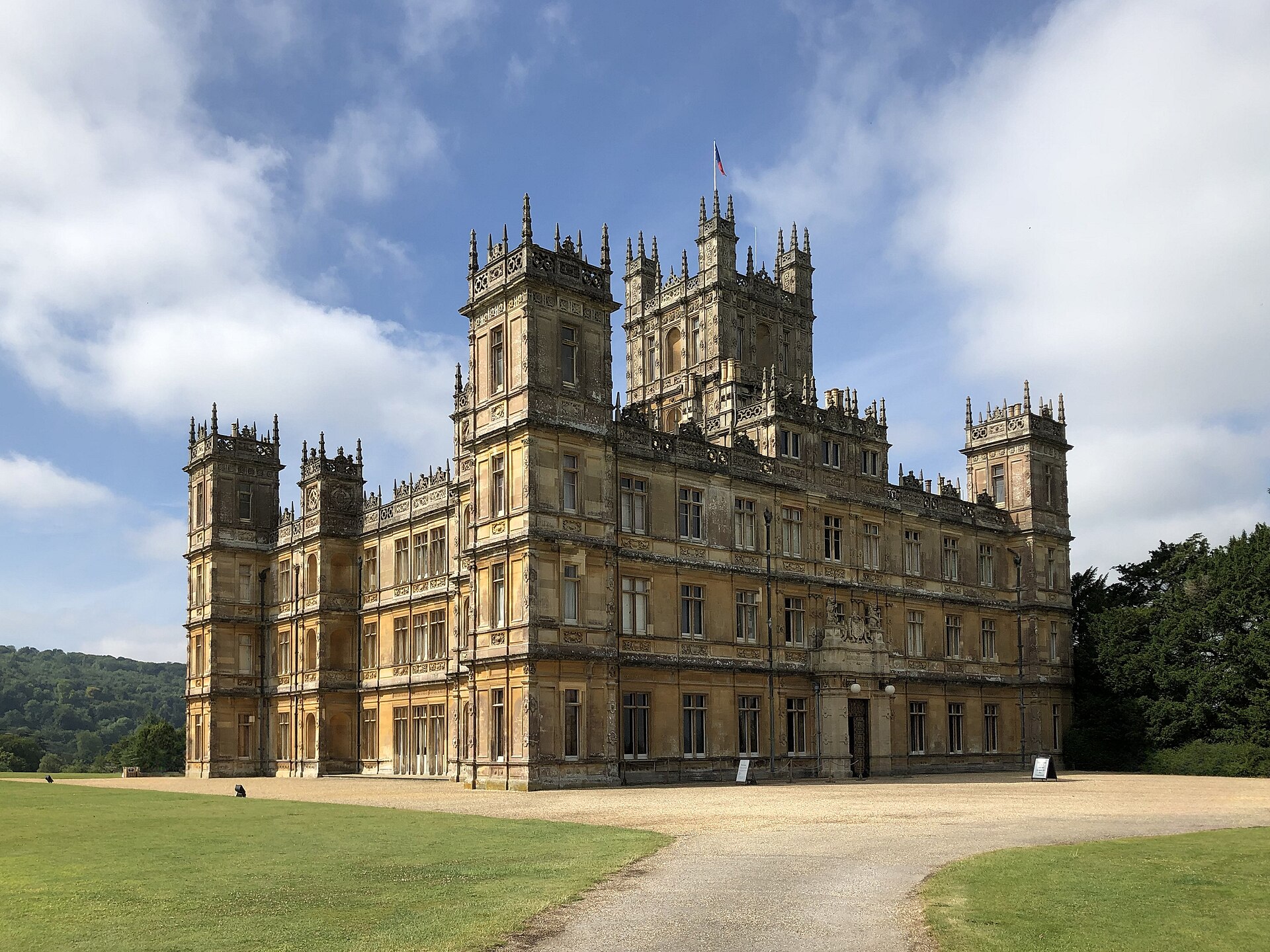
Most of the 5th Earl of Carnarvon’s Egyptian collection sits in New York under that credit line, printed beneath object after object at the Metropolitan Museum of Art, while a smaller part of its story is shown in the cellars of Highclere Castle.
A motor accident and a Theban habit
George Edward Stanhope Molyneux Herbert was born on 26 June 1866, became the 5th Earl in 1890 and married Almina Wombwell in 1895, by the dates kept in the Griffith Institute’s Tutankhamun Archive at Oxford. He carried five names into a life that would be remembered for one tomb.
After a serious motoring accident in 1901 he wintered in Egypt regularly from 1903. From 1906 he excavated at Thebes, where, with the aid of Howard Carter, he made many important discoveries.
Paris and London salerooms, Luxor and Thebes
The Met’s provenance notes are the best biography the collection has, and they show a collector who was as busy in the saleroom as at the dig. In June 1912 Lord Carnarvon bought a faience ram at the Dattari Collection sale in Paris. That same year he and Carter excavated Tomb CC 51 at Asasif, in Thebes, and a limestone statuette of Taweret came to him in the division of finds.
The finest pedigree belongs to a gold finger ring “likely belonging to Queen Tiye”. Petrie excavated it in 1891 to 92 and received it in the division of finds, Lord Amherst then had it from Petrie, and Lord Carnarvon bought it as lot 879 at the Amherst sale, held by Sotheby, Wilkinson & Hodge in London in 1921, according to the Met’s catalogue. By the time it reached him, it had been an archaeologist’s share and a peer’s possession, which is more references than most rings can offer.
A striding figure of Thoth followed from the Macgregor sale at Sotheby’s in London in 1922, the year the tomb of Tutankhamun was found. Luxor supplied the rest of the shopping. A fragmentary head of a king was bought there from the dealer Mohammed Mohassib, and a small gold object, recorded as coming from the Tomb of the Three Foreign Wives of Thutmose III, was purchased in Luxor before 1923.
Almina, death duties and the Met
Lord Carnarvon died on 5 April 1923, a few months after the tomb of Tutankhamun was found.
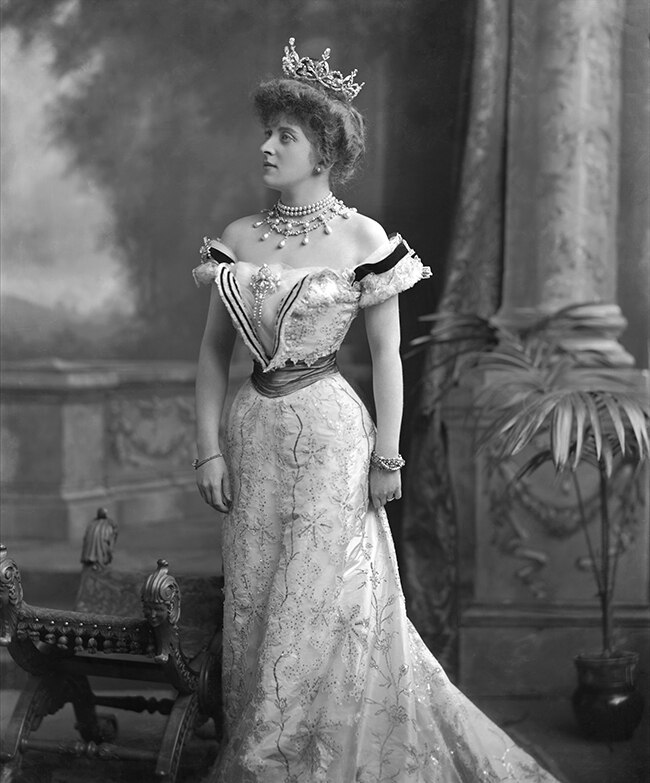
In 1926 the Met bought the Carnarvon Collection from his widow, Almina, Countess of Carnarvon, in a purchase credited to the Edward S. Harkness Gift. Every piece carries an accession number beginning 26.7, so the year of the sale is written into the label of each object. The present Countess of Carnarvon’s website says the majority, some 1,400 items, went to the museum to pay death duties, in a post that was drawing readers’ comments by October 2017.
Arrival in New York did not guarantee a spotlight. A Roman-period faience theatrical mask from the collection is listed by the Met as not on view.
Highclere’s cellars and the Egyptian Exhibition
Not everything crossed the Atlantic. Items that had stayed at the house were rediscovered in 1987, and accounts of that year disagree over who knew of them and over whether they lay in cupboards or in a false part of a doorway. One version puts them in the cupboards between the double doors from the Drawing Room to the Smoking Room. The Drawing Room itself was a gift to Almina from her father, Alfred de Rothschild, in 1895, so on that telling the Earl’s finds were kept safe in the walls of her father’s present.
Highclere sends visitors down the old servants’ stairs into the cellars, where the Egyptian Exhibition tells the story of the discovery of Tutankhamun’s tomb and holds antiquities from earlier tombs in the Valley of the Nobles and the Valley of the Queens. The 2026 summer opening ran from 12 July to 3 September, with one ticket for the Castle, the Egyptian Exhibition and the Gardens, and the house closed to the public on Fridays and Saturdays, a weekend that starts a day early. The next date in Highclere’s ticket shop is a Wintertime guided tour in January 2027, Egyptian Exhibition included, at £145 per person.
Read Next: Casa Encantada, Peter Thiel and a Pomona Plaza
Cover: illustration, DDW. Photograph: Harry Burton (Public domain), via Wikimedia Commons.