
Call Her Daddy began in 2018 with two roommates in New York and a three-year Barstool contract. Eight years later one of them runs a company built on its audience, and the other has published her side.
Alex Cooper and Sofia Franklyn started the sex and dating podcast as roommates in October 2018 and signed with Barstool Sports. When their partnership came apart in 2020, the name stayed where the contract had put it.
That one clause explains a good deal of what followed. Cooper carried the show on alone and built a business around it. Franklyn started again under her own name and, six years later, wrote a book.
The paperwork is also the clearest way into the story. DDW reads it as a run of contracts in date order: Barstool in 2018, Spotify in 2021, SiriusXM in 2024 and the outside money that came into Unwell in 2026.
Two roommates started Call Her Daddy in 2018
Franklyn’s publisher calls her the show’s co-creator. The blurb for her memoir gives the sequence in New York as roommates, best friends, business partners, and adds that they moved quickly. In most partnerships the order runs the other way, and the paperwork comes last.
In their case the paperwork arrived early. Barstool Sports signed the pair in 2018 to a three-year deal, which gave a young podcast the backing of a company that already knew how to sell an audience to advertisers. It also gave Barstool the show’s intellectual property, and nobody signing a first contract tends to dwell on that line.
Barstool has published no figure for that first contract. In what later became a well-priced history, it is the one line with no number beside it.
Barstool kept the show when the partnership broke
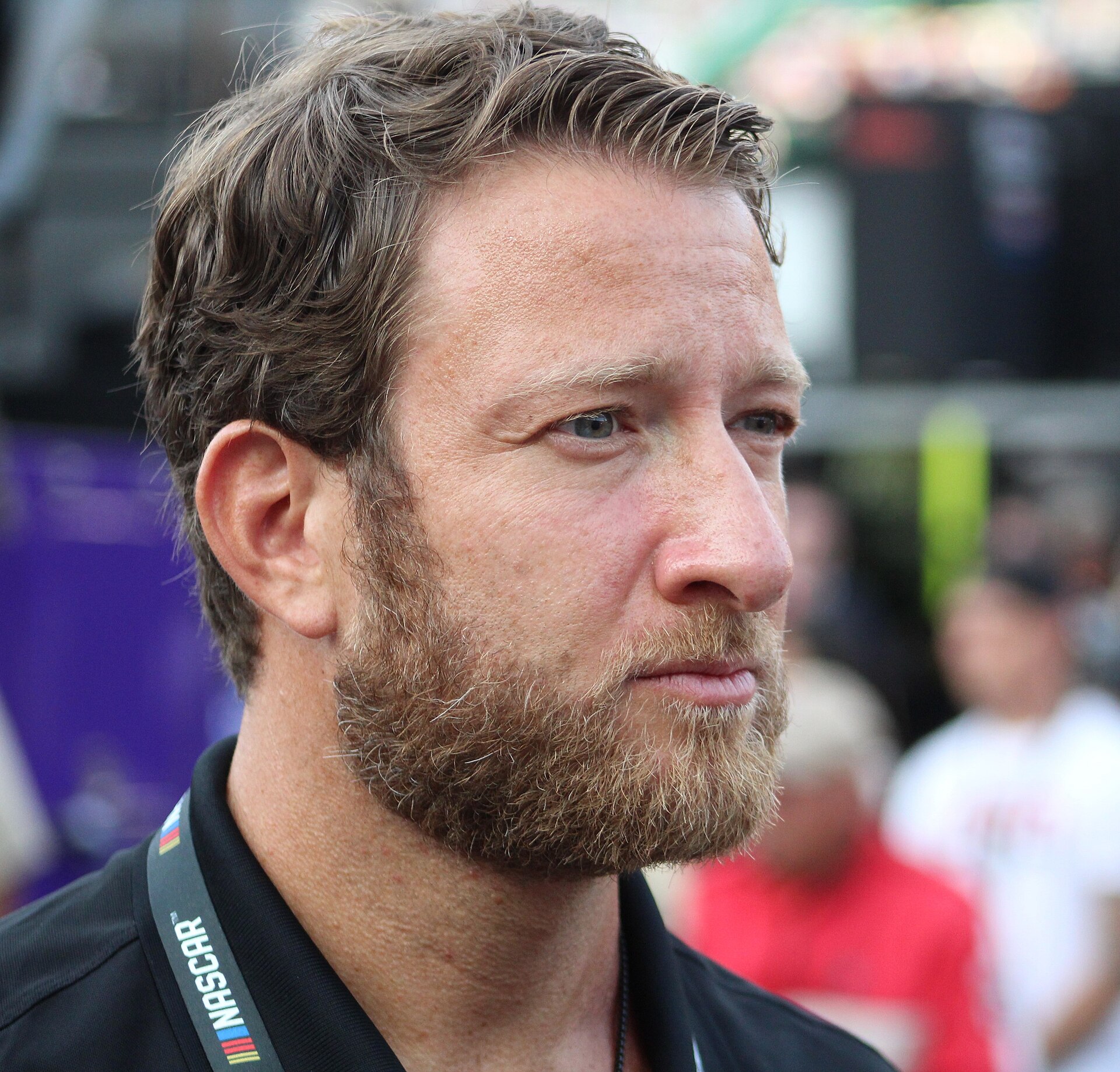
In 2020, two years into the three-year deal, the hosts tried to renegotiate. New episodes stopped in April. About a month later Dave Portnoy, the founder of Barstool Sports, posted a thirty-minute update on the show’s own platform. That is a long time for the head of a sports and media company to spend on a podcast he did not host, and it says something about what the podcast had become.
By May 2020 Cooper had taken the reins of Call Her Daddy on her own. The intellectual property stayed with Barstool, so the show went on under its old name with one host where there had been two.
Who wanted what from that renegotiation, and in what order, is the ground both women have since gone back over, separately and in different media. Neither version settles the other, and the contract itself has never been published.
A friendship can end in a week. A contract runs until its last clause.
Sofia Franklyn started again under her own name
After the split Franklyn launched Sofia with an F. Her publisher’s description of her says the show opened at number one on Apple’s podcast chart. Most new podcasts never see that, and she managed it without the name she had helped invent.
Her memoir, Daddy Issues, is her first book. Simon & Schuster published it on 10 November 2026. The publisher presents it as her telling her side for the first time after years of silence, and says the book is “not a story of revenge”. A reassurance of that kind has never once slowed a reader on the way to the middle chapters.
The title also does a quiet piece of work. It borrows the shape of the show’s name while belonging entirely to her, which is about as close as a former co-host can get to the brand without a lawyer’s letter.
Spotify and SiriusXM paid for Cooper’s audience
The first big cheque after the split came from Spotify. Variety reported in June 2021 that Cooper had signed a three-year exclusive worth more than $60m. Barstool was not a party to it. From 21 July 2021 new episodes were available only on Spotify, and that exclusivity ended in January 2024.
Seven months later the show moved again. Variety put the SiriusXM agreement, in August 2024, at up to $125m over a little more than three years. The two companies did not disclose the terms themselves, so the figure rests on Variety’s reporting and is best read as a ceiling.
Both sums are the value of a deal over its whole life, spread across distribution, advertising and the cost of making the thing. Neither is a salary, and both are a measure of how much a platform will pay to have a particular audience turn up on its app rather than someone else’s.
In audio, the listener is the asset, and exclusivity is the rent charged for her.
Unwell’s valuation prices the company
Cooper founded Unwell in 2023 with Matt Kaplan, who serves as her co-founder. The two self-funded the company and still hold a majority stake between them. Unwell says it has been profitable from its first day, and it produces work beyond the podcast, including Cooper’s own documentary.
On 12 August 2026 Variety reported an investment from Patrick Whitesell’s WTSL that values Unwell at $500m. The figure is Unwell’s own, and the amount WTSL put in was not disclosed. Cooper’s statement on the deal treated audience trust as the thing being bought:
“Trust has become the ultimate distribution channel and 70 million women a month tune into Unwell.” Alex Cooper, Variety, 12 August 2026
A valuation is the price investors set on a whole company. Unwell has more than one owner, so the number describes the business and not anyone’s bank balance.
By our count the business has run on four contracts: Barstool’s three-year deal in 2018, Spotify’s exclusive in 2021, SiriusXM’s agreement in 2024 and WTSL’s investment in Unwell in 2026. The last three carry a published figure, and each is larger than the one before, though the fourth prices a company and the other two price a show. DDW’s reading is that the unpriced first contract did the most work of the four, because it decided where the name went when the partnership ended. Everything Cooper signed afterwards was built on making the audience follow her, whatever the show was called.
A Hulu series and a memoir followed
Call Her Alex is a two-episode Hulu series from 2025, directed by Ry Russo-Young and produced by Unwell. Hulu’s press site gives its premiere as 10 June 2025, and the series covers her rise from podcast host to chief executive. Because her own company produced it, she settled in advance who chose the lighting.
Franklyn’s book followed ninety days after Unwell’s valuation was announced. DDW draws no verdict between them, and the contracts that could settle the detail remain private.
Franklyn’s version runs to 256 pages from Simon & Schuster. Cooper’s runs to two episodes on Hulu, with her own company in the producer’s credit.
Read Next: Phil Collins Divorce in 2026 Still Turns on a Newspaper Estimate