


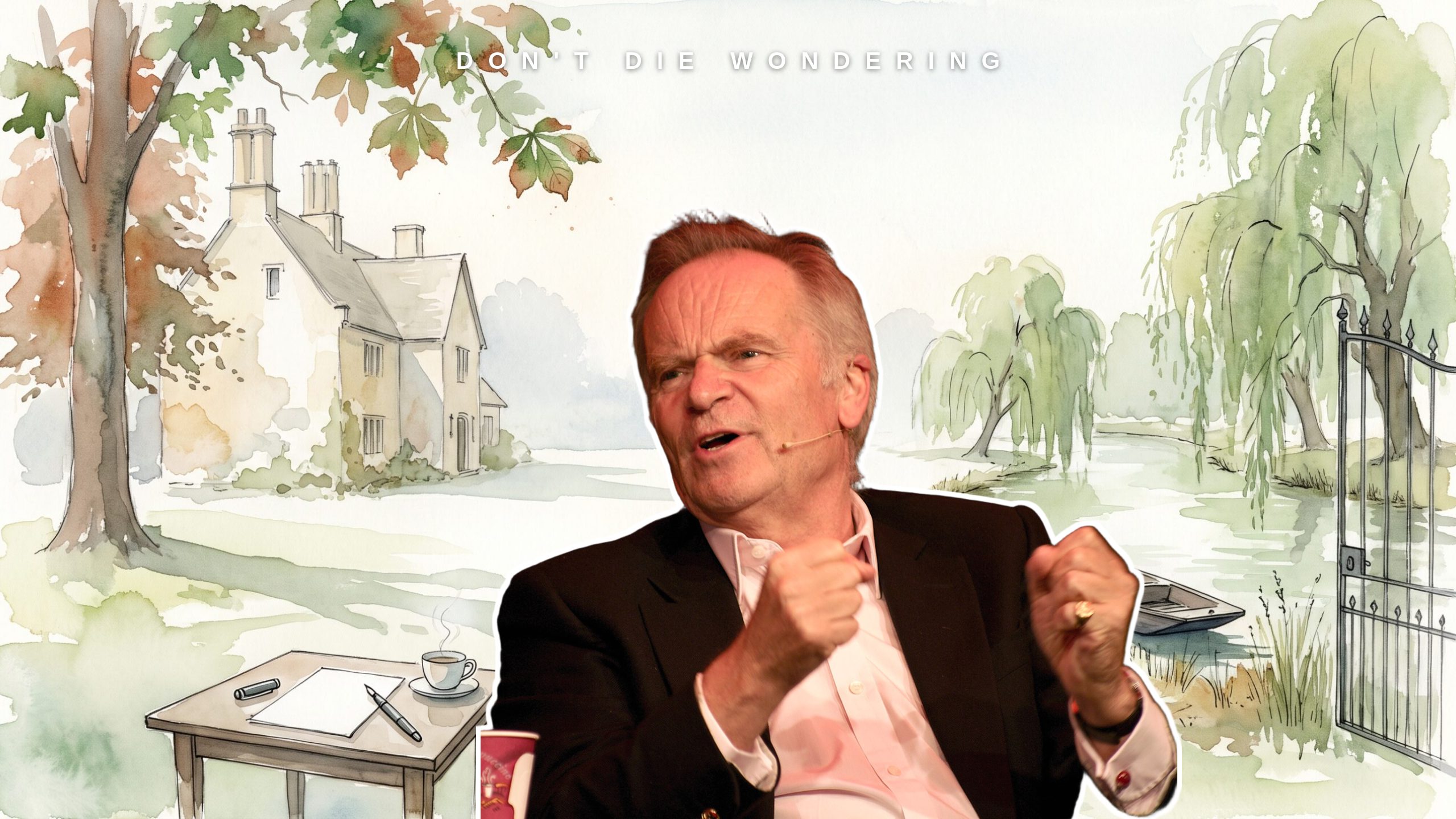
A sold-out theatre on the Sunday, a publisher’s statement on the Monday, the fiftieth novel in the shops on the Tuesday. Jeffrey Archer never did leave a gap in the schedule.
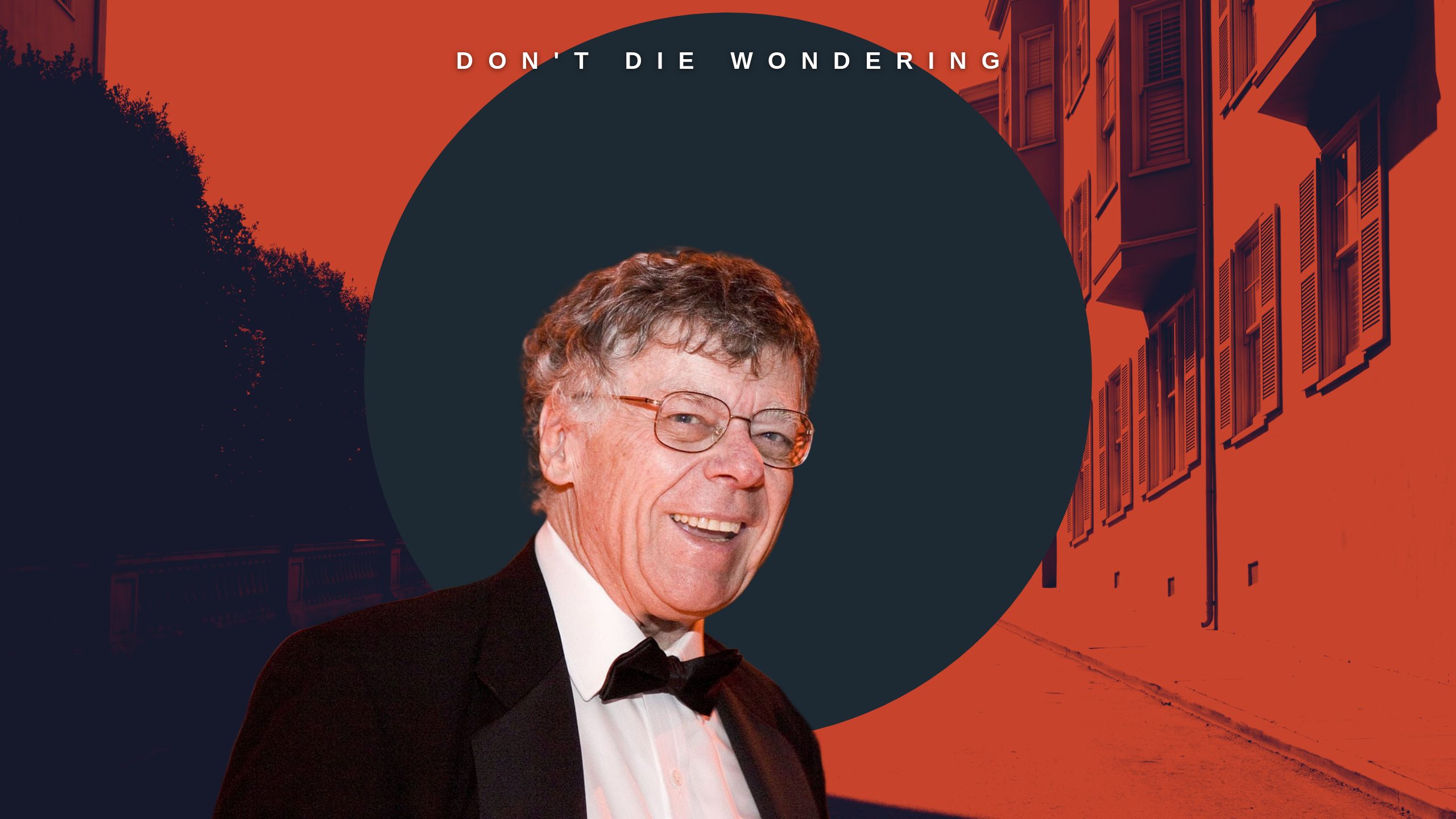
Every seat at the Leicester Square Theatre had gone for a Sunday-night conversation about a novel that would not be in the shops for another forty-eight hours. Gyles Brandreth hosted the evening. The room was not there for Brandreth.
Jeffrey Archer was on stage in what his host later described as wonderful, ebullient form, telling a packed house that this book, his fiftieth, was to be his last. He was 86. He had been doing versions of that evening for half a century, and the audience knew the beats: the anecdote, the timing, the small immodesty delivered as if it were a confession.
The following day HarperCollins said he had died suddenly and peacefully at home on the Monday, “between writing sessions”. Nothing further has been said about the cause. The novel, Adam & Eve, was published on the Tuesday.
Louth, 1969
He joined the Conservatives as a student at Oxford and, a year after leaving, took a seat on the Greater London Council in 1966, Al Jazeera recorded in its account of his rise. Three years later he won a by-election in Louth, Lincolnshire, and arrived in the Commons at 29. The ascent took roughly as long as a publisher’s lead time.
It ended in 1974, when an investment in a Canadian industrial cleaning company collapsed and took him to the brink of bankruptcy. A man of thirty-four, out of Parliament, owing money. What he did next is the single most Archer fact in the file: he wrote a novel about four men conspiring to recover money from a fraudster, pound for pound, and called it Not a Penny More, Not a Penny Less. It came out in 1976.
The debt was a plot device before it was ever a disgrace.
Grantchester, December 1979
In December 1979 the Old Vicarage at Grantchester, Rupert Brooke’s house, was bought by Mary Archer, newly appointed to a position at Cambridge University, and her husband. The same year he published Kane and Abel, which ITV put at more than 33 million copies sold worldwide in its account of the novels that made the money; in a Gulf News interview in 2013 Archer himself cited 37 million and a ninety-seventh reprint, which tells you something about both the book and the man counting.
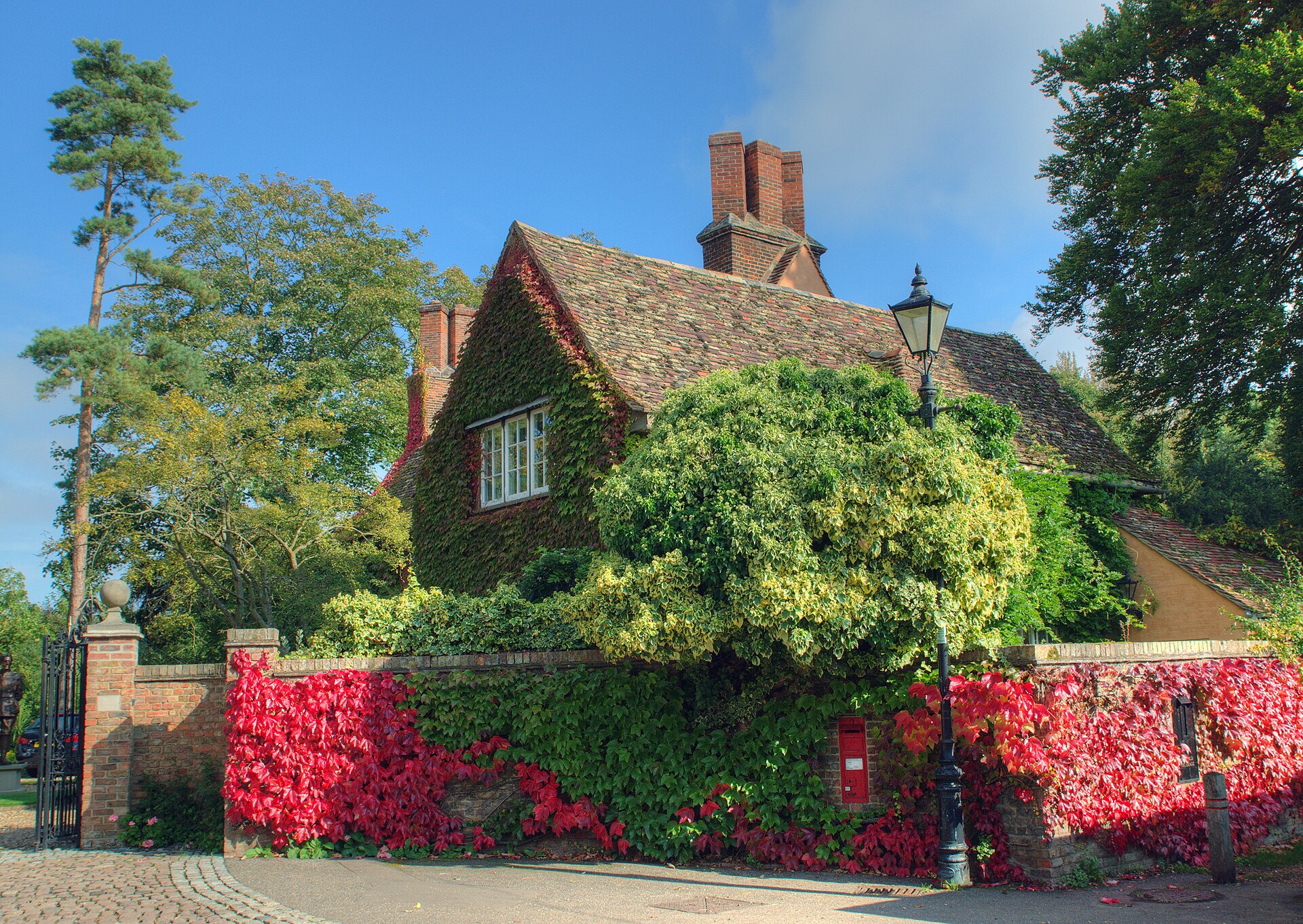
What hung on the walls became its own legend. Picasso, Warhol, Hockney, Lowry, Pissarro, Monet: in 2018 he put the collection at £100 million, a figure reported by Celebrity Net Worth and never tested against any valuation on the public record. The same site lists homes in London, Grantchester and Mallorca. These are the best numbers anyone has.
Which is the quiet scandal of the Archer estate. For a man whose publisher counts his sales in hundreds of millions, the celebrity-finance sites that attempt his fortune cannot agree within a hundred and thirty-five million dollars: $195 million, $200 million, $250 million, $330 million, none citing a filing, a probate record or a Rich List entry. No will has been published. Nothing is known about what passes to his sons, and anyone telling you otherwise is guessing.
The High Court, 1987
The Daily Star had published a story alleging that Archer paid for sex with Monica Coghlan. He sued. The trial was heard in 1987 before Mr Justice Bernard Caulfield, whose summing-up has outlived almost everything else said in that building that decade, not least because he turned to the subject of the plaintiff’s wife:
“Remember Mary Archer in the witness box. Your vision of her will probably never disappear. Has she elegance? Has she fragrance? Would she have, without the strain of this trial, radiance?” (Caulfield’s summing-up, as reprised in the obituaries)
Mary Archer, a scientist who would go on to chair the Cambridge University Hospitals NHS Foundation Trust, became a national adjective against her wishes. The jury awarded her husband £500,000, a record at the time. He was, for thirteen years, a man who had been publicly vindicated at the highest possible price.
Old Bailey, July 2001
The second trial was about the first one. An Old Bailey jury found that Archer had lied in the libel action he brought in 1987, and in July 2001 Sir Humphrey Potts sentenced him to four years for perjury and perverting the course of justice. The conviction concerned what he had done in that courtroom. The allegation the Star originally printed was never the subject of a criminal conviction, and the distinction matters more to lawyers than it ever did to headline writers.
Monica Coghlan died in a car crash in April 2001, shortly before the perjury trial began. She never saw him in the dock.
He had been the Conservative candidate for the first London mayoral election in 1999, a selection that collapsed as the perjury allegations resurfaced. He served two years of the sentence. Inside, he wrote A Prison Diary, and was released in 2003.
The man who had built a career on reversals of fortune finally got one he had not plotted.
Back in the Lords, 2003 to 2024
He had been made a life peer in July 1992, Baron Archer of Weston-super-Mare, and after his release he returned to the House of Lords, where he sat until his retirement in 2024. No party could have scripted it. The novels went on, the Clifton Chronicles running from 2011 to 2016, the signings filling rooms in countries where nobody had ever heard of the Daily Star.
HarperCollins put the career at more than 300 million copies in 119 countries, with a combined five and a half years spent on The New York Times bestseller lists. Reading those three figures together is the only reliable way to understand why the net-worth estimates are so wide: the income arrived from everywhere, in dozens of currencies, across fifty years, and none of it was ever obliged to appear in one place.
Brandreth, speaking to the BBC’s World Tonight, called him a “huge character” who “became a gentler person after prison”.
Tuesday, 6 October
Adam & Eve reached the shops the day after he died, which is the kind of timing a novelist would be told to cut from a manuscript as implausible. He had announced it as his fiftieth and final book, and had said so again on the Sunday night, to a theatre that had paid to hear it.
He and Mary Archer celebrated their sixtieth wedding anniversary this year. He is survived by her, by their sons William and James, and by five grandchildren. The picture wall, the Old Vicarage, the valuations that nobody has ever audited: all of that now belongs to a process that happens privately and slowly, and about which not a line has yet been published.
The Irish Times reported he had been due at the Cheltenham Literature Festival on the Saturday, to talk about the new one.
Cover photograph: Bjørn Erik Pedersen via Wikimedia Commons (CC BY 3.0).