

Greek Street in 1995, £105m in 2008, a $420m New York listing in 2021 and a $2.7bn buyout that almost died in January 2026. Soho House has changed hands four times, and the founder kept a board seat.
Since 29 January 2026 the answer has been Ron Burkle, and it has not been Nick Jones for some time. On that date Soho House & Co Inc. completed its merger with EH Parent, an affiliate of Burkle’s Yucaipa Companies, ending the company’s life on the New York Stock Exchange and returning the club Jones opened above his Café Boheme restaurant on Greek Street in 1995 to private hands. Jones remains a board director and the group’s founder. He is not the largest shareholder, and has not been since 2008.
A note on figures. Prices, valuations and dates here come from the company’s own announcements, the 2021 listing prospectus coverage and Forbes’ real-time billionaire tracker. Percentage stakes are given as they were last reported before the delisting, because a private company does not publish a beneficial-ownership table, and no primary filing setting out the post-close split has been made public.
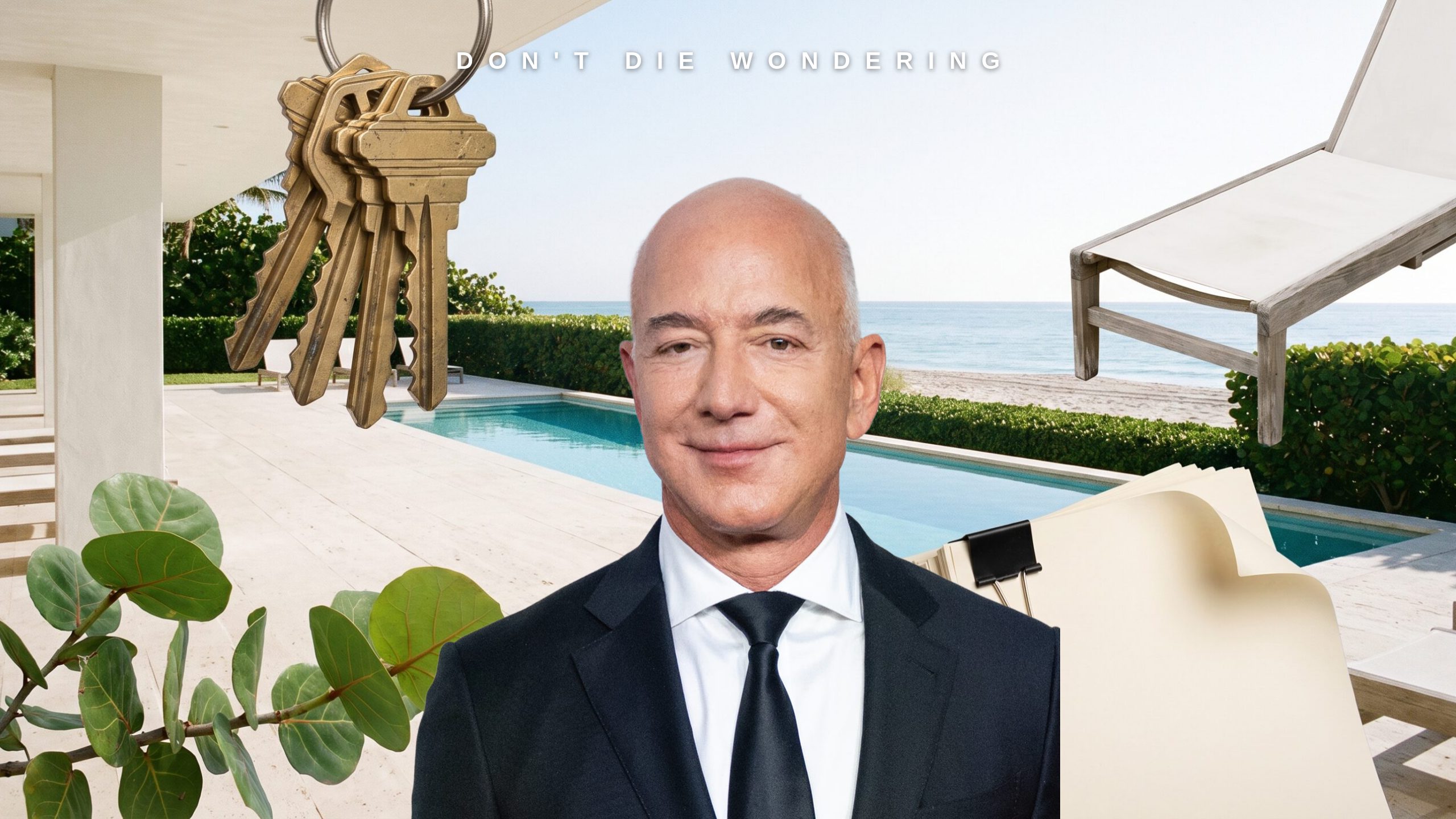
1. Ron Burkle, the Yucaipa billionaire who bought Soho House twice
Burkle, born in Pomona, California in 1952, founded the Los Angeles private equity firm Yucaipa in 1986 and bought his way into Soho House on 13 January 2012, taking 60% of the group for £250 million, a price reported that day by the Financial Times. That purchase left Jones with 10% and Richard Caring with 30%. Burkle became executive chairman and stayed through the 2021 listing, the 2024 slump and the whole of the take-private saga. On 19 December 2024 Yucaipa proposed buying the rest of the company at $9.00 a share, an 83% premium to the previous day’s close, arguing that the “inherent value of the company is not reflected in its current share price”. When the deal nearly died in January 2026, Yucaipa assembled the replacement money: $50 million more from Morse Ventures, another $50 million through an amended rollover stock agreement and roughly $220 million from expanded unsecured note facilities, according to The Real Deal. Forbes’ real-time tracker put his net worth at $3.4 billion on 15 October 2026 and lists his residence as London.
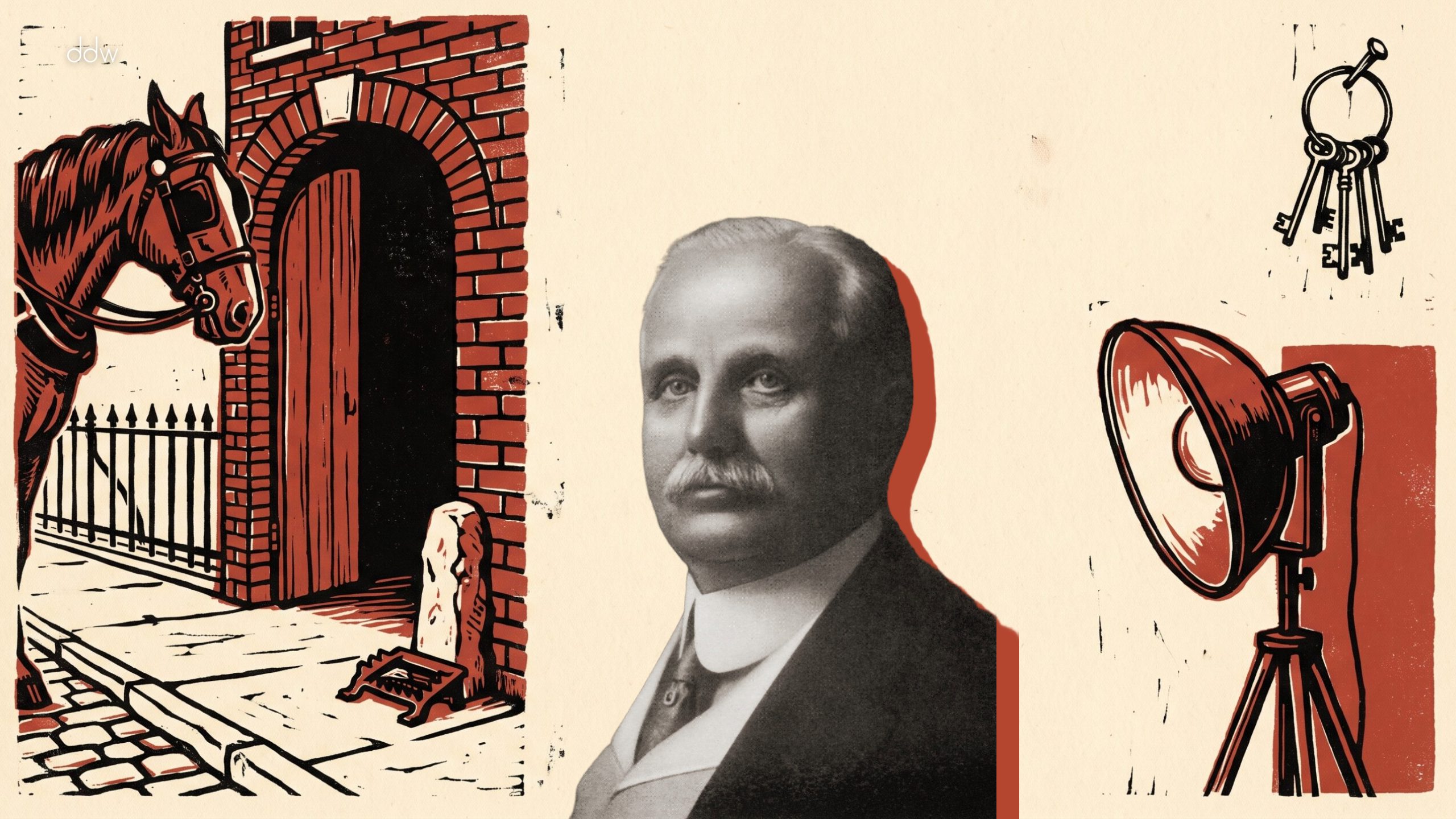
2. Richard Caring, who paid £105m in 2008 and never fully left
The restaurateur behind Caprice Holdings, The Ivy, J Sheekey, Annabel’s and Wentworth bought 80% of Soho House for £105 million in February 2008, the deal that first took control away from the founder. Four years later he sold the bulk of it on to Burkle and kept 30%. Dilution and time whittled that down: BM Magazine reported in August 2025, before the delisting, that Caring held 21%. He has given no interview explaining why he stayed in a business he once controlled outright, through a stock-market listing he did not need and a buyout he did not lead. His personal fortune is widely guessed at and nowhere reliably published, so no figure is given here.
3. Nick Jones, the founder whose stake went from 100% to a single digit
Jones opened the first house above his own restaurant in 1995, bought Babington House in Somerset in 1998, took Soho House to New York in 2003, bought Cecconi’s in Mayfair in 2005 and launched the Soho Home line in 2016. He has described his upbringing in Cobham, Surrey as suburban, stockbroker middle England, which is roughly the thing the club was invented to be the opposite of. His holding fell at every round: 20% after Caring, 10% after Burkle, then further after the 2019 raise of $100 million from Simon Property Group and Raycliff Capital, which valued the company at $2 billion and diluted all three principals. BM Magazine put him at 5% in August 2025. He stepped down as chief executive on 16 November 2022 following a prostate cancer diagnosis and recovery, staying on the board, and Time Out reported in 2026 that he was opening a new London hotel, the St Clement. No serious outlet has put a figure on his personal fortune.
4. Goldman Sachs Alternatives, the bank that stayed in the room
Goldman Sachs held 8% of Soho House immediately before the take-private, according to BM Magazine’s August 2025 report, and Goldman Sachs Alternatives was named in the company’s own deal announcement as continuing its support through the transaction. That is the quietest line in the whole ownership chain and arguably the most durable one: the bank has outlasted two chief executives, a ticker change and a short-seller. It is also the reason a members’ club in Shoreditch has a capital structure with a hybrid tranche in it.
5. Apollo Global Management, which wrote a cheque and then wrote a smaller one
Apollo was named in the August 2025 definitive agreement as the provider of hybrid capital for the buyout, the kind of instrument that sits between debt and equity and costs accordingly. When the financing was rebuilt in January 2026, Apollo’s commitment was cut from $50 million to $30 million, according to The Real Deal, with Yucaipa and the note facilities filling the gap. The implied enterprise value of the whole thing, per the company’s own announcement of the deal, was approximately $2.7 billion including roughly $700 million of debt.
6. Tyler Morse and MCR Hotels, the lead partner who could not fund the close
Morse, chairman and chief executive of MCR Hotels, was the headline new money of August 2025: his firm led the investor group and he was to join the board as vice chairman. On 8 January 2026 MCR disclosed it could no longer provide the $200 million closing commitment it had pledged, and for about a fortnight the largest private-members business in the world had a signed deal and no buyer of record. Morse Ventures then put $50 million into the rescue package, according to The Real Deal, and shares jumped nearly 13% when the replacement financing emerged. Pulling out of a deal and then helping save it is a manoeuvre very few people get to attempt twice.
7. Ashton Kutcher, the actor with a board seat
Kutcher joined the buyout consortium as an equity investor alongside a group of strategic investors and took a seat on the Soho House board, per the company’s August 2025 announcement of the definitive agreement. The size of his cheque was not disclosed, and nothing in the public record puts a number on it. What is on the record is the structure he bought into: a $2.7 billion enterprise value, around $700 million of debt and a controlling shareholder who had already run the company for thirteen years.
What the public shareholders got, and what happened before the exit
The 2021 listing is the part members tend to forget. On 15 July 2021 the company floated on the NYSE as Membership Collective Group under the ticker MCG, selling 30 million Class A shares at $14 and raising $420 million. The stock fell 9.6% on debut to close at $12.66, valuing the company at about $2.5 billion. It was renamed Soho House & Company on 20 March 2023 and the ticker became SHCO. In February 2024 the short-seller GlassHouse Research published a critical report on the company’s finances; the stock fell sharply and Soho House publicly disputed the report, describing it as containing factual inaccuracies, analytical errors and false and misleading statements. In March 2024 the Pomerantz law firm announced it was investigating claims on behalf of investors; that investigation was an announcement of inquiry rather than any finding, and no outcome has been reported. By March 2024 the shares had fallen nearly 60% from their debut, recovering only when the merger was announced in August 2025, according to the Los Angeles Business Journal. Anyone who bought at $14 and held to the end was cashed out at $9.
So can anyone buy into Soho House now?
Not on an exchange. The merger closed on 29 January 2026, the NYSE listing ended with it, and ownership now sits with a private consortium controlled by Yucaipa, with Caring, Jones, Goldman Sachs Alternatives, Apollo, MCR’s principals and Kutcher’s group around it in proportions the company is no longer obliged to publish. Andrew Carnie, chief executive since November 2022, emailed members on the day it closed to call the move a positive step and to say the freedom it brought would go into the houses and the membership. The final public scorecard, from the quarter ended 28 September 2025, showed 46 houses worldwide, 17 of them in the Americas, 14 in the UK and 15 across Europe and the rest of the world, and 213,830 Soho House members inside a total membership of 269,606.
That is the last count anyone outside the company has.