

A Greek silversmith’s shop, opened in Rome in 1884, became a block of new LVMH shares over one weekend in 2011, and the founder’s grandson stayed on as chairman of the company he had sold.
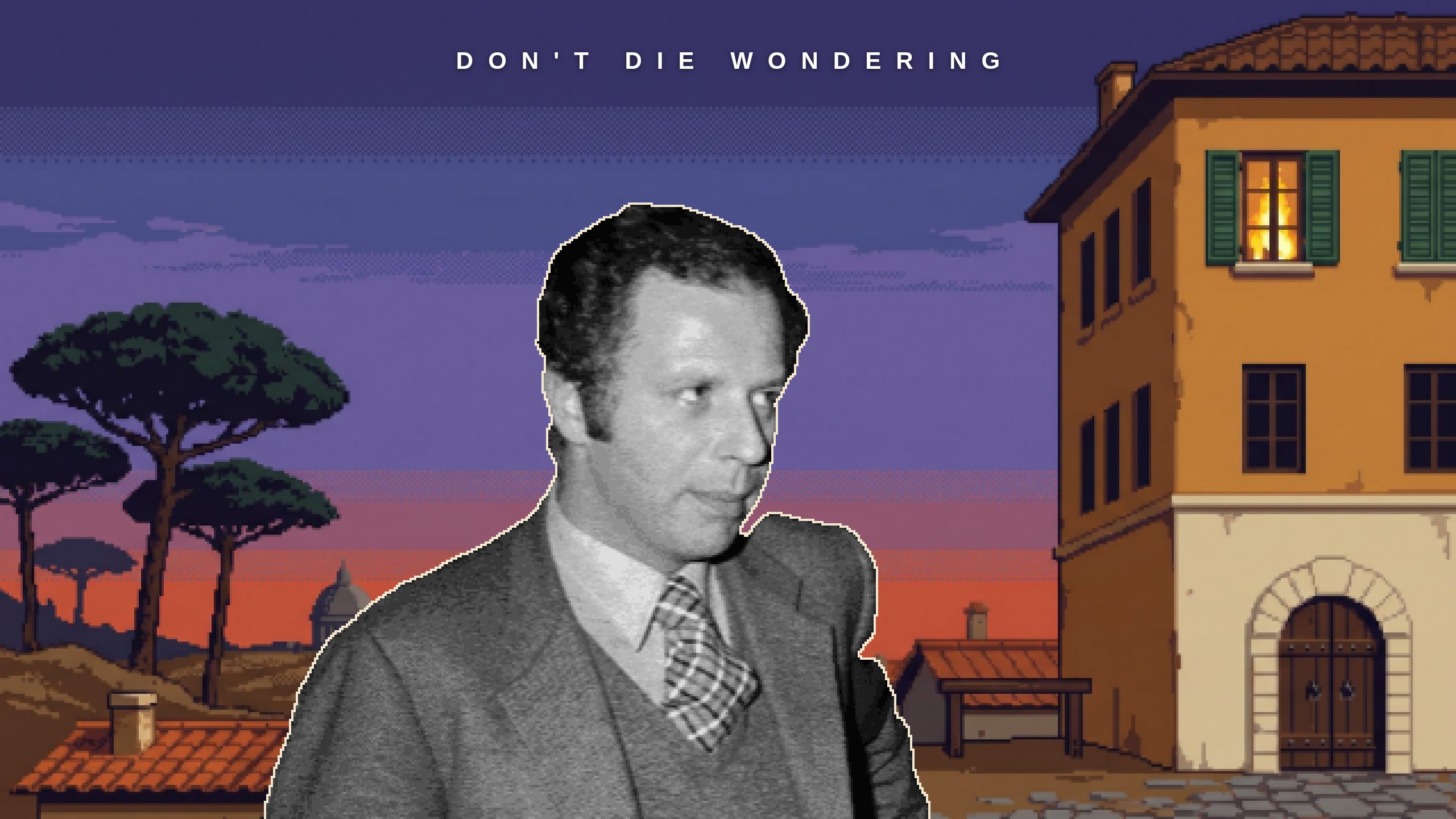
Paolo Bulgari sold his family’s jeweller and kept its chair. He was born in Rome on 8 October 1937, one of the four children of Giorgio Bulgari, and was a grandson of Sotirios Voulgaris, the Greek silversmith who opened a shop in Rome in 1884. He joined the business in 1960, working beside his father. He became chairman in 1984 and, with his brother Nicola and his nephew Francesco Trapani, took the house abroad. He died in Rome on 21 November 2026, aged 89.
The house now writes its name Bvlgari, as LVMH’s 2025 annual document does. The family, and the company LVMH bought in 2011, are Bulgari. The sale is best measured in shares, because shares are what the family was paid in.
LVMH paid the family in its own shares
The agreement was concluded over the weekend of 5 and 6 March 2011. LVMH’s board approved it unanimously on the Sunday evening, and the deal was announced on Monday 7 March. The filing published that day by the AMF, France’s market regulator, set an exchange ratio of 0.108407 new LVMH shares for each Bulgari share. The opening tranche was 16,530,588 new LVMH shares for 152,486,348 Bulgari shares, issued in favour of what the filing calls the “Bulgari – Trapani Family”.
That figure rose before the transaction closed. LVMH’s own page gives the final count: 18,037,011 new LVMH shares for Bulgari shares representing 55.03% of Bulgari’s issued capital.
The consequence for the family’s position came in the first day’s reporting. Forbes wrote on 7 March 2011 that the Bulgaris would become the second-largest family shareholder of the LVMH Group. A family that had owned a jeweller became part-owner of the group that bought it.
Outside shareholders were offered cash instead
Control triggered a mandatory tender offer for every remaining Bulgari ordinary share. Under the AMF filing, shareholders who tendered received €12.25 a share in cash.
The two sides of the same sale therefore ended in different places. The family exchanged its jeweller for a stake in LVMH, while everyone else who tendered was simply paid and left the register. For a dynasty, the choice of currency mattered as much as the price.
Paolo and Nicola Bulgari kept the chairs
LVMH’s 2011 release set out who would stay. Paolo Bulgari was to remain chairman of the Bulgari S.p.A. board and Nicola Bulgari vice chairman. The family could appoint two representatives to the LVMH board. Francesco Trapani, Bulgari’s chief executive, was to join LVMH’s executive committee and run the group’s enlarged watches and jewellery business from the second half of 2011.
Trapani was the son of the eldest Bulgari sister and had run the house as chief executive for three decades. After the integration he became senior adviser to Bernard Arnault and sat on LVMH’s board until 2016. He died at his home in Rome in September 2025, aged 68.
The family gave up control and kept the titles on the letterhead, plus a seat in the buyer’s boardroom. In 2011 that was a better bargain than most founders’ heirs are offered.
Bvlgari now sits inside LVMH’s jewellery arm
The company the family sold belongs to LVMH. The group’s 2025 Universal Registration Document, published on 1 April 2026, lists Bvlgari among its watches and jewellery houses, alongside Tiffany & Co., Chaumet, Fred, TAG Heuer, Hublot, Zenith, Repossi and L’Epée 1839.
The shop Sotirios Voulgaris opened in 1884 now appears in LVMH’s annual document between Tiffany & Co. and Chaumet.
Read Next: Abbas Sajwani’s Car Wash Story Holds Up in 2026
Cover photograph: The Associated Press via The Independent.