Jason Momoa has never announced a move to New Zealand; he has simply bought into a Queenstown bar, a share of an Auckland film studio and, for NZ$15m, a Dalefield house said to have been Sir Sam Neill’s.
Arriving somewhere properly takes years, and Jason Momoa has spent several of them arriving in New Zealand without once saying so. He has bought into a Queenstown bar and put money into a West Auckland film studio with two friends. Now, according to the Otago Daily Times, he has paid NZ$15m for a 4.92-hectare lifestyle property on Mountain View Rd in Dalefield, on the rural fringe of Queenstown. The property is reported to have once belonged to Sir Sam Neill, and the internet has run with that clause rather faster than the newspapers that printed it.
Momoa has made no official announcement about relocating, and nobody needs to write one on his behalf. The sequence is clear enough on its own: first a shareholding, then a studio, then a lease, and finally a title. Each step has also been reported by someone other than Momoa, the bar by the NZ Herald and the house by OneRoof and the ODT. Queenstown has always been kinder to people who turn up gradually.
Rent first, sign later
The ODT understands Momoa had been renting the property for some time before he bought it on 12 September. OneRoof, which broke the story, said he had taken ownership in the week before its own report, and the NZ Herald republished that report on Monday 19 October. The two calendars do not quite line up. On the order of events, the ODT’s account is the one that matters, and its account has the tenant becoming the owner. On either reading, the purchase was complete well before most people heard about it.
This is the most sensible property advice there is. You live in the place through a season or two. You learn where the light falls in the evening, how long the drive into town takes, and whether the view still holds your attention after the novelty wears off. Then you make an offer. Most buyers cannot afford to be that patient, and the few who can usually decide they do not need to be.
The offer was not timid. OneRoof reported that the sale came in NZ$3.5m above its rating valuation. The NZ Herald ranked it the second-biggest residential sale in Queenstown-Lakes this year, behind a NZ$16.5m trophy lodge on Mooney Rd in Speargrass Flat. Spread across 4.92 hectares, house included, NZ$15m comes to a little over NZ$3m a hectare. A premium of that size is the price of no longer being a guest.
Domain, writing for an Australian audience, converted the price to $12.13m, which made it sound almost thrifty. The same house reads a little differently on each side of the Tasman. Domain also described Dalefield as a rural area known for large homes and mountain scenery, which is about as specific as anyone has been willing to get. The ODT added that nobody has said whether an agent was involved, or whether Momoa used New Zealand’s Active Investor Plus scheme. A buyer who rents first rarely needs a shop window.
Sir Sam’s name, carefully held
The Neill connection is where the story gets its pull, so it is worth reading the papers closely. The ODT is the most definite: it says Sir Sam gave the property to his former wife before the sale. OneRoof says only that the property is “understood” to have once been his. The NZ Herald says it is “believed” to have been. Three outlets offer three degrees of certainty, and none of them describes an inheritance. “Understood” and “believed” are the words reporters choose when they are confident enough to print a name and careful enough to leave themselves room.
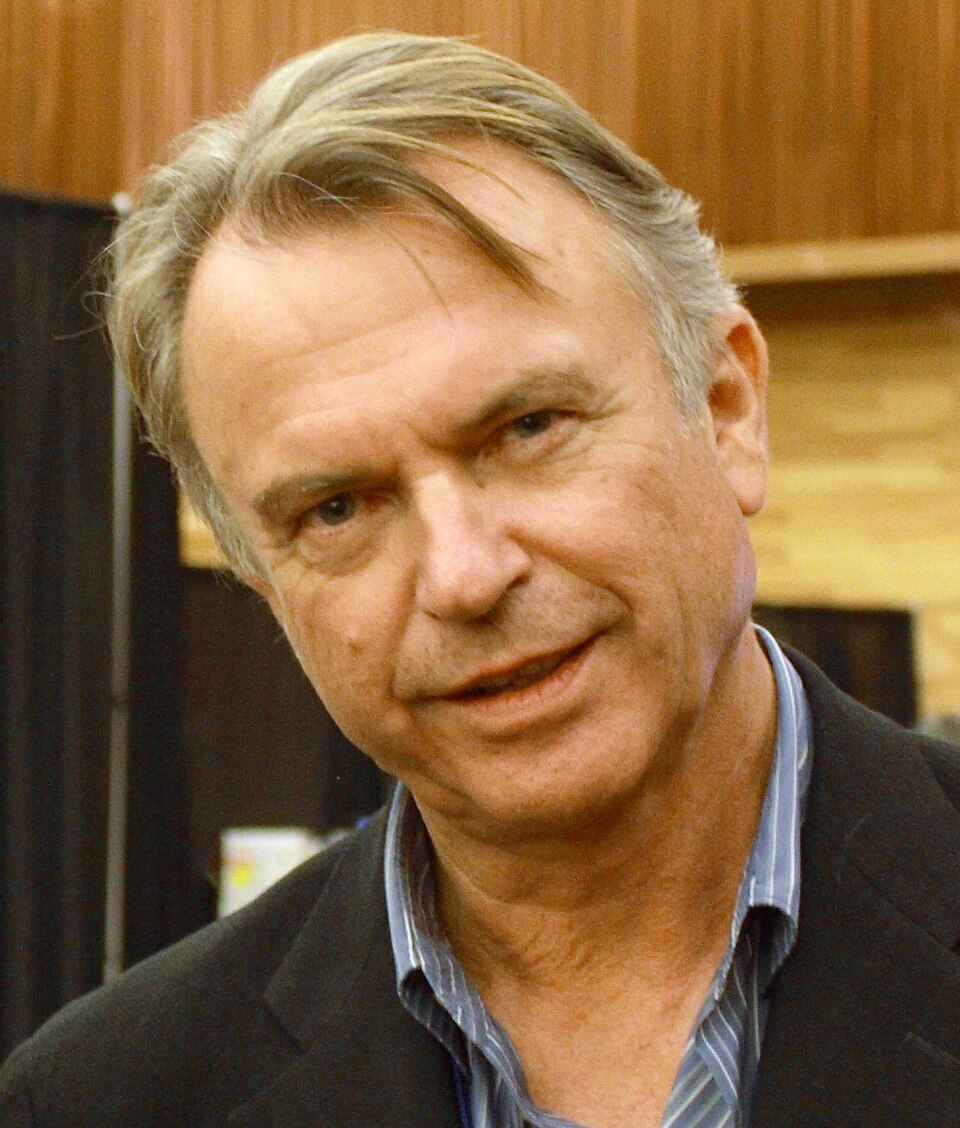
Momoa inherited nothing. He bought a house on the market, and according to the ODT it had already left Neill’s hands before it reached him. No serious outlet has said who the vendor was, or when the property passed to Neill’s former wife. Whether it was ever his main home is also unclear, which is why “Sam Neill’s estate”, a phrase now attached to many of the photographs, is more generous than the facts.
Neill died in Sydney on Monday 13 July 2026, aged 78, his family announced. Philip Grenz, his agent of 19 years, confirmed on 16 July that the cause was pneumonia. He is survived by four children and eight grandchildren. Earlier that year, in April, he had said he was cancer-free after almost five years of treatment, so the end came as more of a shock than the long illness had prepared people for.
He was, of course, also a winemaker, with several vineyards in Central Otago under his Two Paddocks label. Several aggregators have quietly folded the Dalefield house into that business and called it a vineyard hideaway. No source says the sale included a single Two Paddocks vine or a square metre of its land. The wine is still his, in the sense that a label outlives the man who chose it, and the house was always a separate matter.
Neill’s name stays on the story because people want it there. A famous former owner adds something to a listing that no amount of square footage can, and Queenstown lives on that kind of association. The local papers, to their credit, have kept hedging, and the hedges are the most accurate account available.
A bar, a studio, then the house
Go back to 2025 and the outline is already there. That year the NZ Herald found, from company records, that Momoa had become a shareholder in Grey Door Ltd, the company behind the Queenstown bar and restaurant The Bunker. Multiple sources told the same paper he was house-hunting in the area with a view to something more permanent. At the time there was no announcement, and there still isn’t one.
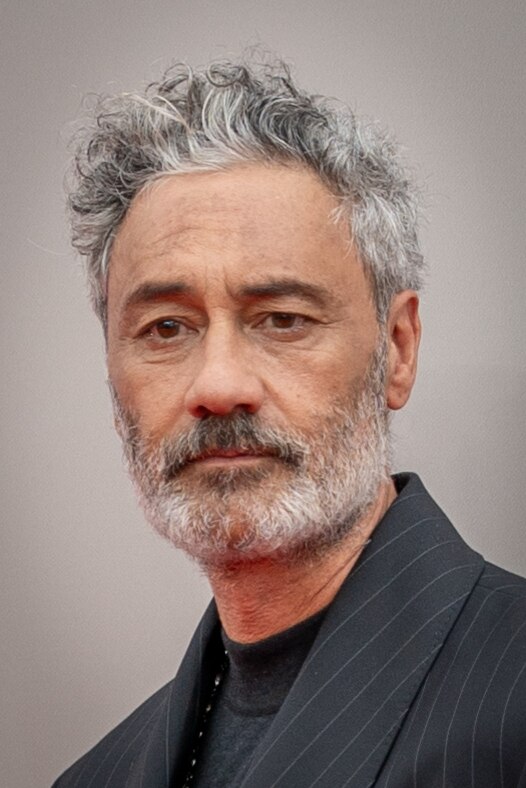
Then, in April 2026, Āriki Group bought Studio West, the West Auckland film studio. Āriki is owned by Momoa, Taika Waititi and Cliff Curtis. Nobody has published how the shares are split or what the studio cost, and the three owners seem content to leave it that way. As a statement of intent it says plenty: a bar for the evenings, a studio for the work, and now somewhere in Dalefield to come back to.
This is the shape of a settled life rather than a trophy purchase, assembled in the order a careful person would choose. The bar stake gave him a table in town. The studio tied him to the country’s film industry alongside two of its best-known names. The rental let him try the house before he paid for it, and the premium shows he liked what he found. Each step was small enough to pass without much notice and specific enough to show up in a company filing.
Read in order, the list does the work an announcement would have done: Grey Door Ltd, The Bunker, Āriki Group, Studio West and a 4.92-hectare block on Mountain View Rd. None of it required a press release, and none of it came with one.
Queenstown has a long memory for people who came, bought loudly and left. It is less practised at the other sort, the buyer who appears in the shareholder register of a local bar years before appearing on a title. Momoa has given it a quieter example to study, at NZ$3.5m over the valuation.
The keys, by the ODT’s reckoning, have been his since 12 September.
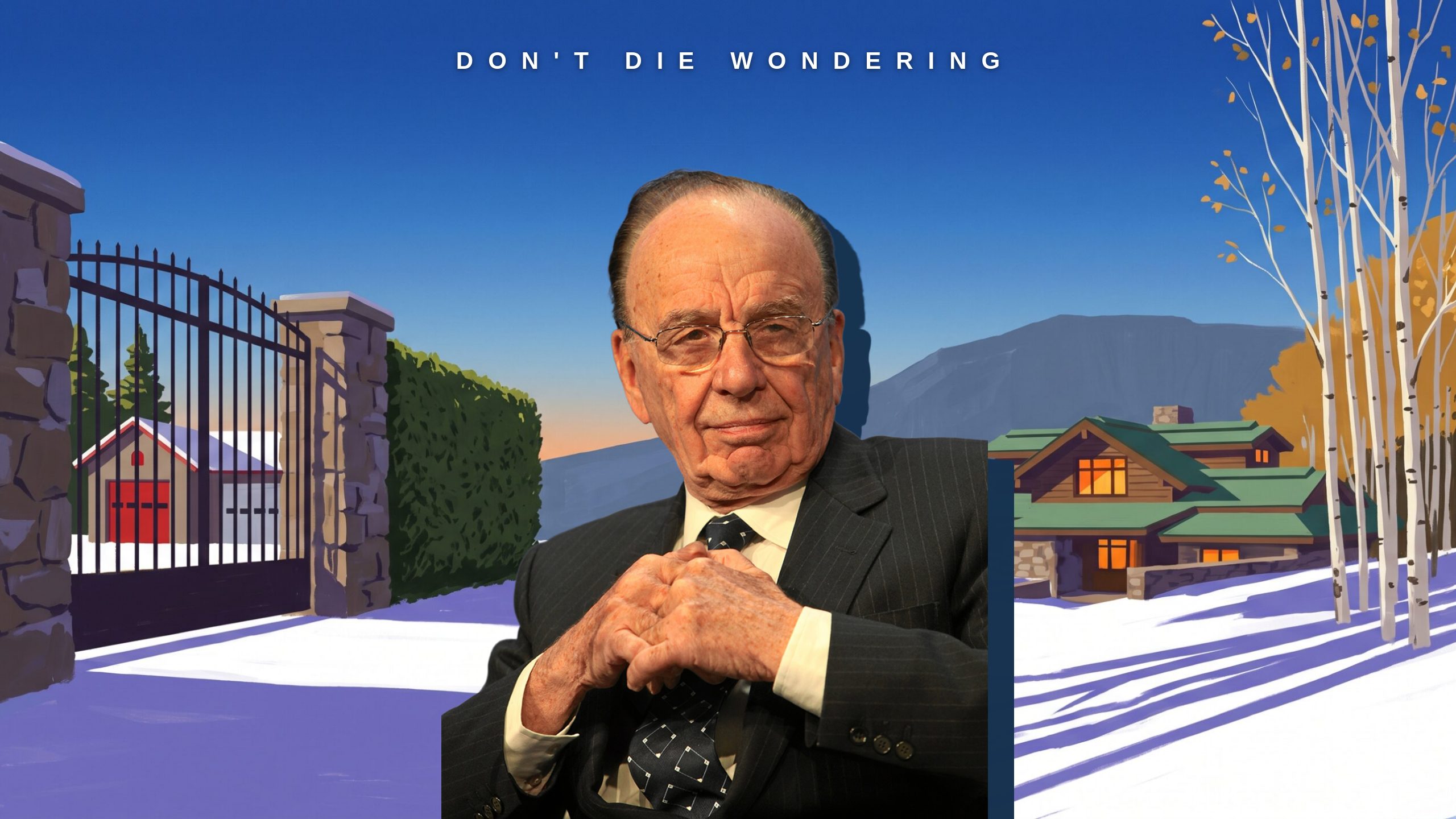
Cover photograph: Gage Skidmore from Peoria, AZ, United States of America via Wikimedia Commons (CC BY-SA 2.0).