


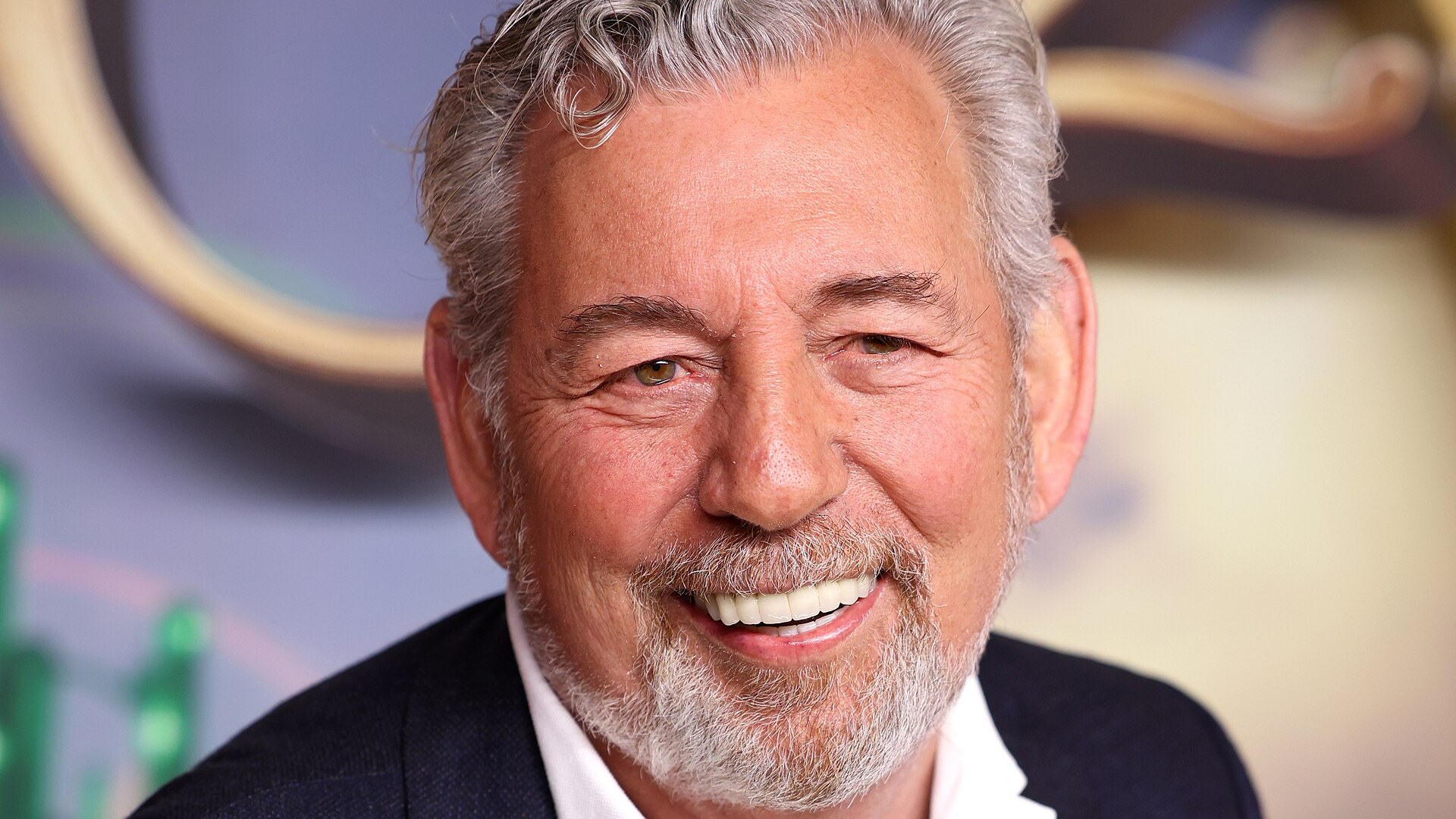
A franchise Forbes values at $9.75 billion, a championship banner at last, and the story New York repeats is an email offering staff a free ring that, according to The Athletic, was a phishing test.
The very rich are remembered for their smallest sums, and James Dolan has just added his name to the list. John Rockefeller gave away at least a tenth of his income and is still pictured pressing a dime into a child’s hand. Paul Getty bought a great house in Surrey and is remembered for its payphone. Dolan’s Knicks raised a championship banner at Madison Square Garden on Tuesday night, and by Thursday the story was about an email. According to The Athletic, MSG staff were invited in late September to choose the design of a complimentary championship ring, and the link was a phishing test. The assistant coaches left banner night without rings, and many longtime employees will not receive one at all.
Some of this has a dull explanation, and the dull explanation will not travel, though the ring will.
A ring in your inbox
Several outlets have relayed The Athletic’s report. The email went to a long list of MSG staff and opened with “Congratulations, your Employee Championship Ring is here.” It offered two designs, Championship Gold and Garden Classic, and made a point of the ring being complimentary. Joe Vardon, The Athletic’s Knicks reporter, described it as a phishing test sent by the Garden to find out which employees would click. Those who did were offered no jewellery in either finish and were sent to a mandatory cybersecurity class instead. Sources described the exercise as helping to satisfy Dolan’s cybersecurity concerns, and the reporting goes no further than that.
As lures go, it was well made. A phishing email works best when it offers something the recipient believes they have earned, and at a sports company in the autumn after a title, little feels more earned than a ring. Whoever wrote it understood the building, and understood that a Garden employee who had lived through a title run would want very much to see the word complimentary.
Banner night itself came with a home opener against the Philadelphia 76ers. Seven league sources told The Athletic that the assistant coaches did not receive rings that evening. Two said the assistants had learned earlier in the day that none were coming, which surprised nobody, because they had not yet been fitted. The Athletic also reported that boxes without rings were a late addition to the ceremony, and that the assistants were not surprised by those either. Team sources put their reactions somewhere between genuine anger and annoyance, which in a coaching office covers most of the working week.
The assistants have been told their rings will come eventually, and there is precedent for patience. Oklahoma City did not give its assistants and some executives rings on opening night after its 2025 title. Vardon put that delay down to sizing, and the Thunder’s assistants got theirs in the end. The Athletic received conflicting information on whether the head coach, Mike Brown, collected his on Tuesday, and could not verify it either way.
The staff are in a harder position. Team sources told The Athletic that many longtime MSG employees, including some in Knicks business operations, will not receive rings at all. The Athletic noted that most NBA team employees typically do get one, even if it is plainer than the players’. Yahoo Sports reported that the story quickly drew angry reactions online, which is what happens when a free ring becomes a training module.
The Knicks then lost to the 76ers, 106–100.
What a dime buys a reputation
Rockefeller’s small-change legend is the dime. The US National Archives’ Hoover Library blog records that he handed shiny new dimes to people he met, children especially, and that one source estimated he gave away $35,000 in dimes. The same post notes that he practised tithing, giving at least 10 per cent of his income away. The tithe was the serious money. History kept the dime.
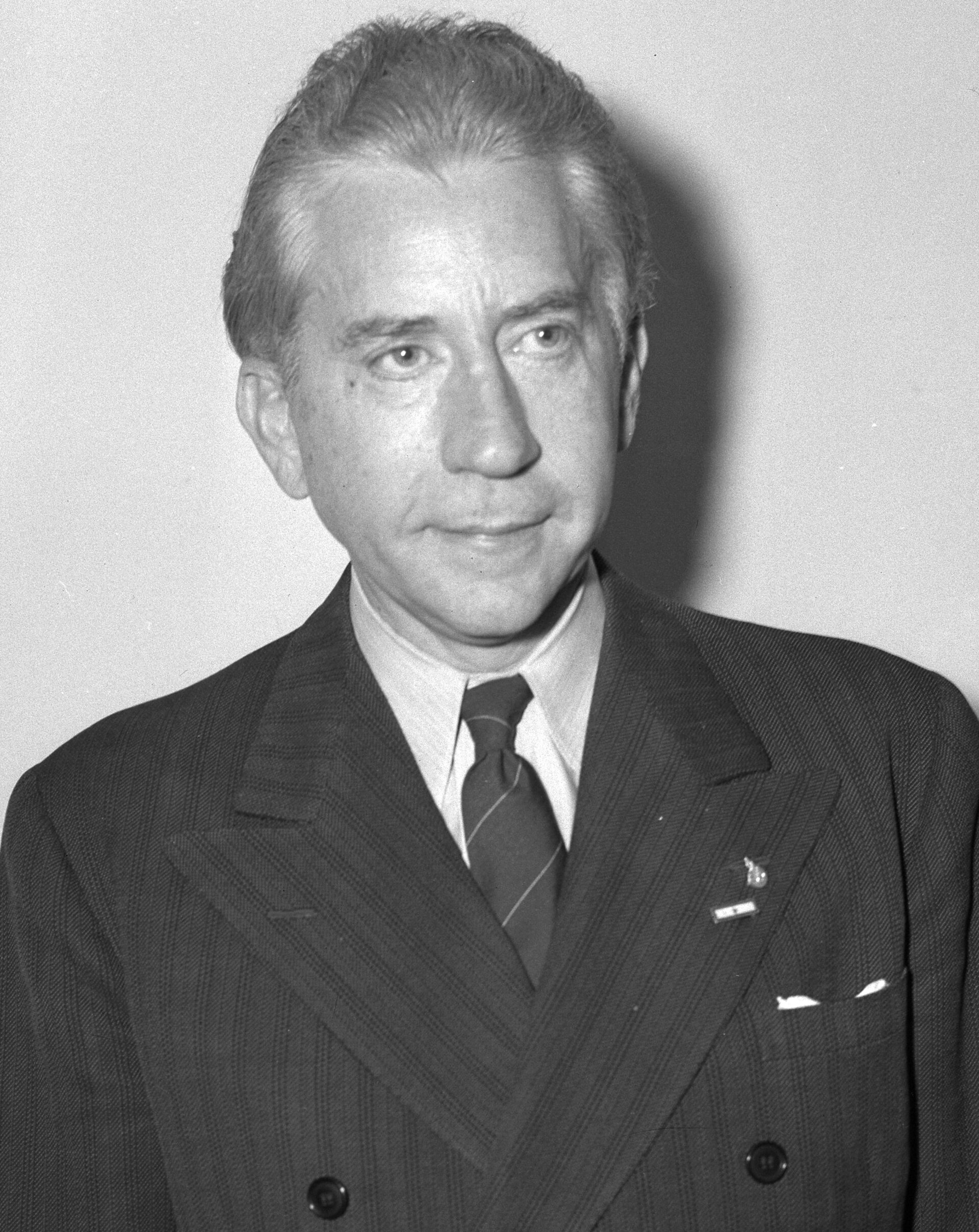
Getty’s legend is a telephone. He bought Sutton Place in Surrey in 1959 for £60,000, The Art Newspaper reported, and installed a pay-telephone for guests with an enamelled “Public telephone” sign. Encyclopedia.com calls it the most famous of the penny-pinching stories, and says Getty offered various explanations while the public read it as a symbol of stinginess. A man who could buy Sutton Place could have paid for his guests’ calls many times over, and the coin box made sure nobody forgot that he chose not to. Accounts even differ on whether the phone went in during the renovations, which tells you how much attention one coin box can hold.
Hetty Green turned an inheritance, about $5 million to $7 million by varying accounts, into a larger fortune through real estate and railroads, according to the Library of Congress. Forbes put that fortune at $100 million when she died in 1916. Forbes also recorded the habits that made her name: she rented flats in Hoboken and Brooklyn while her peers kept Fifth Avenue mansions, and she ate oatmeal warmed on a radiator.
In fairness to all three, the record does not cast any of them as mean to the people who worked for them. The payphone was for guests, Green’s thrift was largely her own affair, and the dimes were presents. Their legends rest on symbols, and symbols outlast accounts. Few people ever read a balance sheet, but everyone understands a coin.
Dolan’s ring belongs to the same family of stories, and it carries the same caveat. Nothing reported says he ordered the email or meant it to sting. Sources linked the test to his concerns about security, the assistants were told to expect their rings later, and the Thunder kept theirs waiting too. None of that context fits as neatly into a sentence as the rest of the story does.
Seven billion dollars and six families
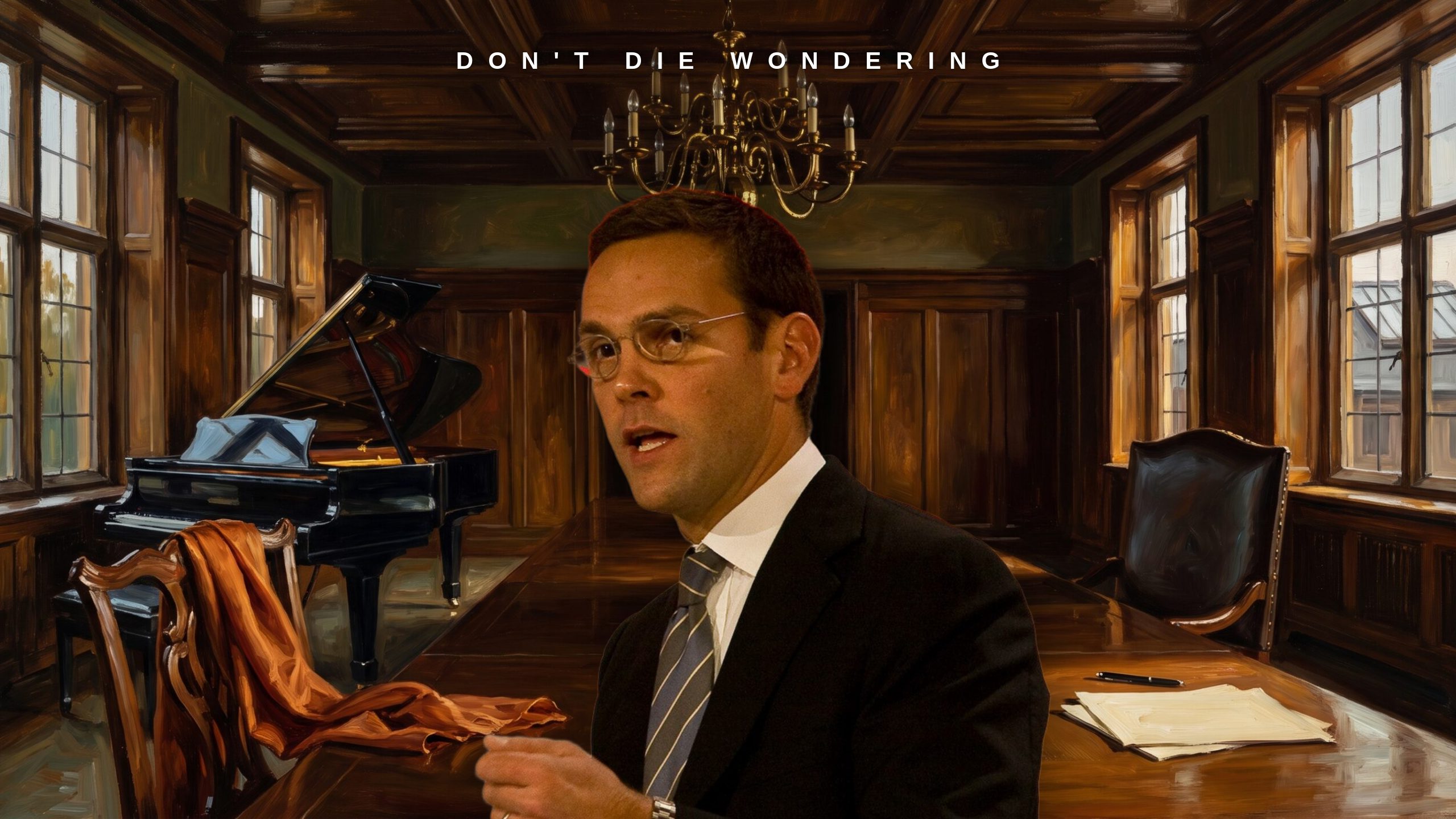
The money behind the banner is old by sporting standards. Charles Dolan built Cablevision and helped launch HBO, and Forbes estimated his net worth at $5.4 billion when he died in 2024, aged 98. His son took over the family business in 1999. Forbes still calls him a 71-year-old Cablevision heir, a label that has survived a quarter of a century in charge. Yahoo Sports gives his titles as executive chairman of MSG Sports and governor of the Knicks.
In June, Forbes valued the Knicks at $9.75 billion, third in the NBA, and the Rangers at $4 billion, second in hockey. Forbes also noted that the two teams together were worth more than the $9.26 billion market capitalisation of publicly traded MSG, whose stock had risen 103 per cent over the previous year. The teams, in other words, are worth more than the listed company that holds them, the kind of arithmetic only very old money finds unremarkable. The magazine puts the family fortune at $7 billion, divided among Dolan and the families of his five siblings.
Against figures of that size, a ring for every long-serving clerk, ticketing manager and analyst would barely register. That is why the rings that are missing register so loudly. Nobody outside the building knows what the rings cost or how the company decided who would get one. On Thursday evening an MSG Sports spokesperson gave the company’s position: “We are not disclosing anything about the rings,” as The Athletic reported.
The assistants have been told theirs will come eventually.