



Meet the Nigerians who are succeeding in London across fields as diverse as design, sport, law and public relations. But among these high achievers, there are mixed feelings about the British capital from a deep love to a desire to do business elsewhere.
London has been home to Nigerians for many years – and in 1960, the west African country’s independence heralded an exciting new era. The UK offered visa-free access to Nigerian citizens, attracting a wave of brilliant talent to the capital.

Today, London’s Nigerian community is close to 200,000 people, making it Europe’s largest African diaspora. Their success stories are as impressive as they are diverse. For some, London has allowed them to thrive, while for others, better opportunities may lie beyond the UK.
The stereotypes of wealthy Nigerians living it up in the UK – as reinforced in the 2016 documentary Lagos to London: Britain’s New Super Rich – have created a narrative far removed from the reality behind many success stories across the diaspora. Instead, these pioneers embody a spirit of determination, creativity and enterprise while staying connected to their Nigerian roots.
For the love of London
For Nigerian pioneers, London serves as a vital catalyst for connection and enterprise. Luxury interior designer Augustine Atobatele, who grew up between London, Switzerland and the US, highlights the city’s unique energy: “One of the beautiful things about London is that it’s an incredible melting pot. There are so many opportunities to connect with other creatives, to collaborate and do incredible, amazing work.”
Christina Banjo, founder of a creative freelance community and a second-generation Nigerian Londoner, agrees that “you can make any kind of creative community happen” in the city. Whether your passion is music, fashion or art, Banjo notes, “there’s just so much happening – you can find it here if you’re an entrepreneur that wants to go from start-up to growth.”
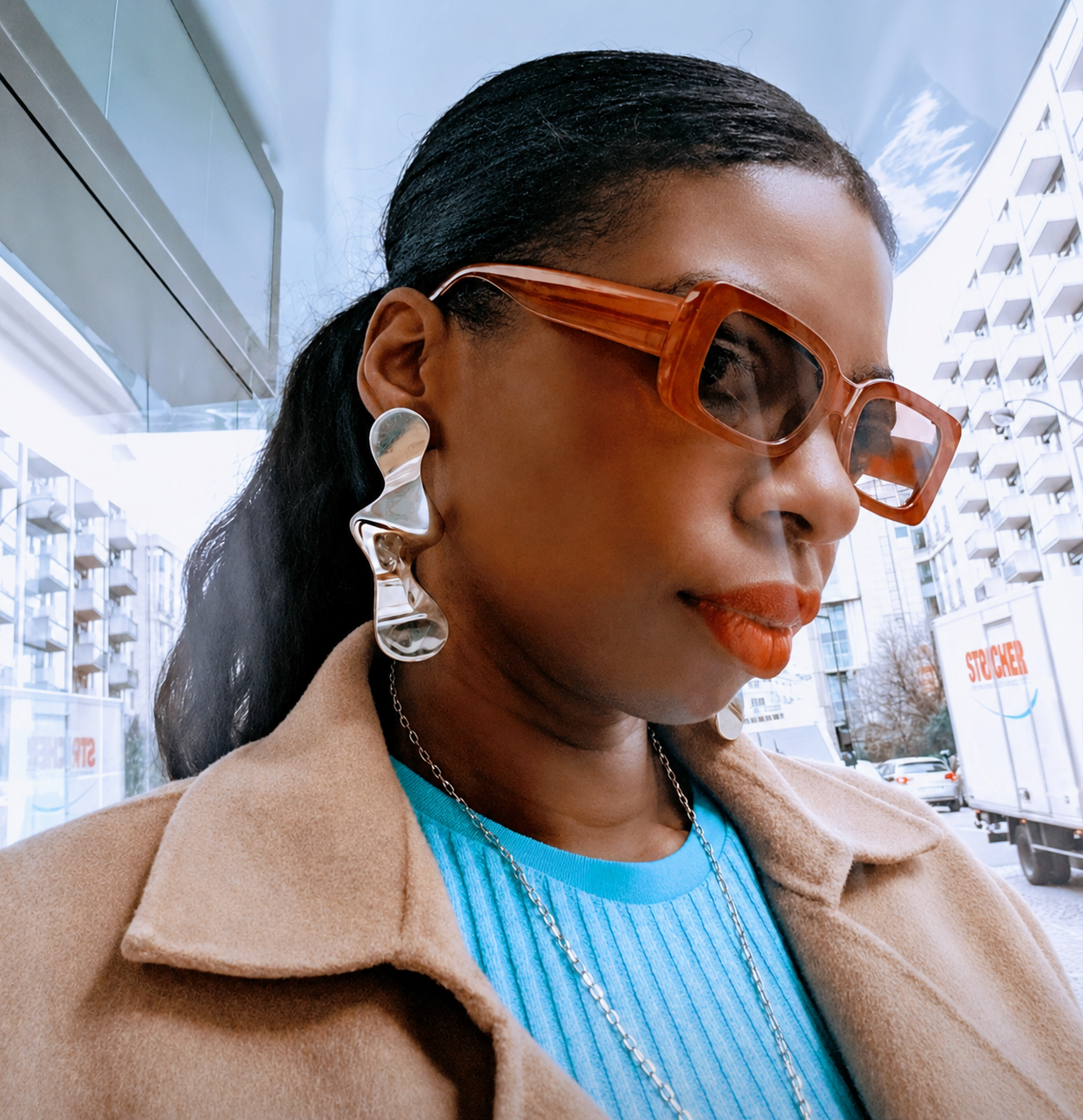
Beyond business, Banjo thrives on the city’s vibrant lifestyle: “I love the restaurant scene here, I love finding out what’s happening in London, whether it’s an event or a show. I love hanging out with people at industry events, great community events and membership events – I’m a member of Soho House.”
This cultural richness is echoed by Toks Aruoture, creator of The Baby Cot Shop, who says the city allows you to “find out about different cultures and having different experiences from all over the world without even leaving London.” After the 2008 recession closed her US company, Aruoture rebuilt her business in London. She pivoted online, secured a concession at House of Fraser, opened a flagship store on Chelsea’s Kings Road, and furnished the prestigious Lindo Wing.
For Buki Koshoni, founder of the independent studio RAW, London’s environment is fundamental to his success in film, music and fine art: “London hasn’t just been good for my career; it’s been absolutely crucial in terms of networking and infrastructure, and in terms of the more intangible aspects, the serendipity, bumping into the right people in the coffee shop, sitting next to someone of interest on a bus, buying a drink for someone and you realise they’re the art director of a magazine you’ve always loved – that’s what London brings.”
The city’s impact extends far beyond the arts. International boxer Patricia Mbata started her career after a simple Google search led her to ABC boxing gym in North London. Now an English and Nigerian national champion, as well as a 2024 African Games gold medallist, she balances her sport with working as a construction project manager and being part of the Women’s Sports Trust Unlocked programme. For Mbata, “It’s an amazing platform for female athletes from all disciplines to talk about their sport and what issues they may have; it’s a great forum of like-minded people to come together and create something.”
No matter where she competes, she insists, “I travel quite a lot, but every time, I can’t wait to get back to London – we’re just so lucky to be in a place where you can do everything.”
In the legal sector, family barrister Queenet Asewu relies on London as a diverse hub: “I’m quite fortunate in my job that I meet a wide variety of people, whether it’s clients, other barristers, solicitors, judges, everyone’s different and they bring something different; London just gives you that meeting point.”
Similarly, Yield Initiatives founder Rebecca Osewa uses London’s networks to build sustainable textile supply chains in Africa. She credits the British African Business Network with connecting her to “entrepreneurs and business leaders who champion collaboration, share opportunities, and support businesses creating meaningful social and economic impact.”
Cultural connections
Staying connected to Nigeria is vital for success among London’s diaspora. From food to fashion to family, every success story is supported by west African roots.
Just as Osewa is boosted by the British African Business Network, Banjo stays connected through social media and local networking. She is uplifted by a “cool, creative community of Nigerians in London” that she connects with on Instagram and at local events.
Atobatele, founder of Studio Augustine, stays culturally connected by drawing inspiration from his Nigerian heritage, incorporating a love of bold colours into his design aesthetic.
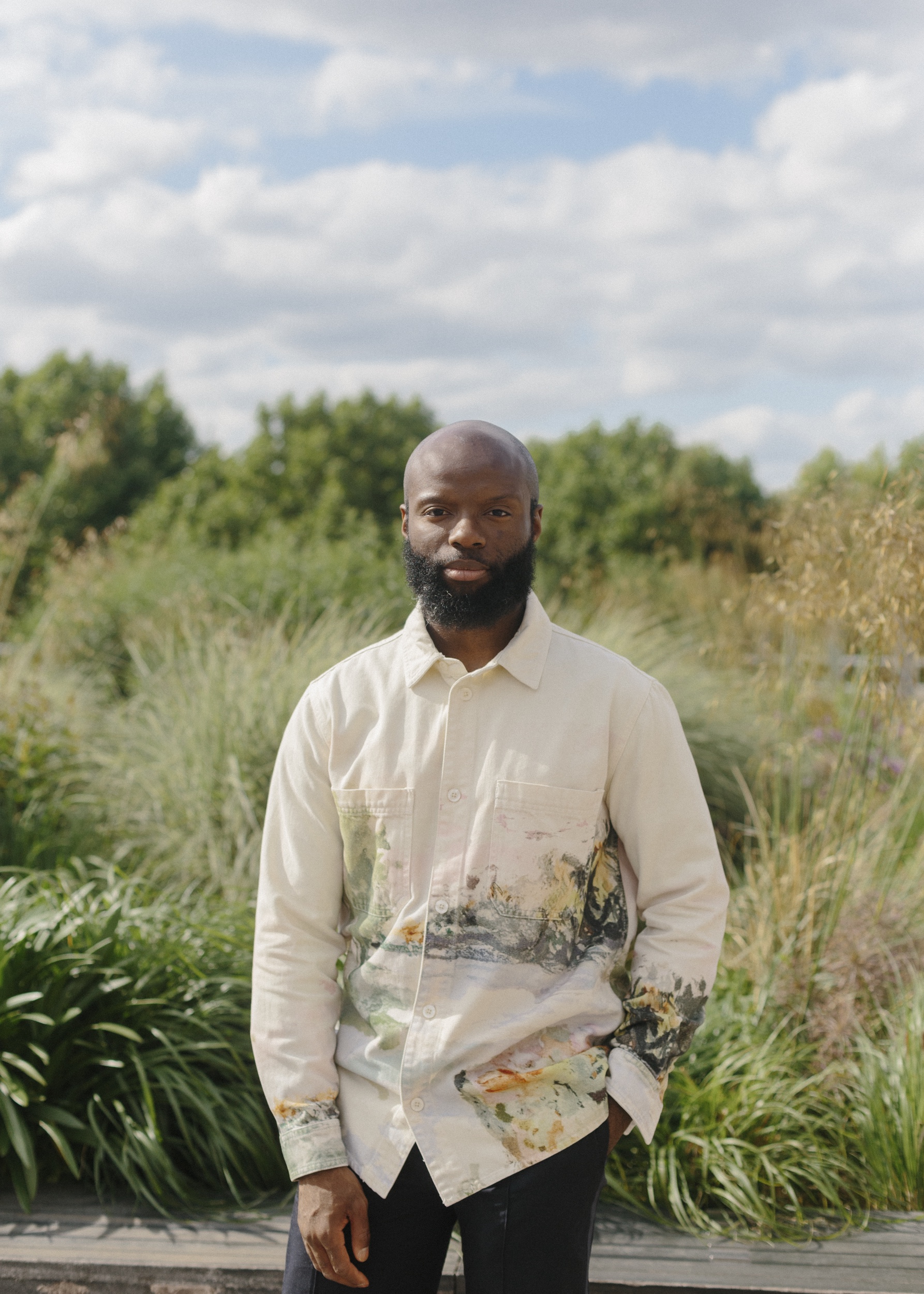
“I could do the beige sort of design, but it always has colour, because I’ve been brought up and lived predominantly in places with colour,” says Atobatele.
He also channels his Nigerian roots through his passion for cooking and started a supper club inspired by his heritage. The dinners are hosted around a table for 12 in his home.
“I love the whole experience – in the Nigerian culture, we feed you, sort of like the English way where if you’re upset, someone will offer you a cup of tea,” Atobatele muses. “And in Nigeria, we just offer you food, more food and even more food.”
Mbata echoes Atobatele’s sentiments: “You can’t escape the Nigerian heritage, it’s constant, the culture follows you everywhere and I absolutely love it, whether it’s wearing an African-inspired outfit to an event, or the food – for me, Nigerian food is the best with restaurants like London’s 805 – and there’s a running group that is bringing Nigerian diaspora athletes and people of Nigerian descent together.”
Being Nigerian is a driving force for Osewa as she looks to expand her company: “My Nigerian heritage is at the heart of who I am and has given me a strong sense of purpose. It is the inspiration behind Yield Initiatives and my commitment to reviving Africa’s cotton and textile industry, while creating opportunities for farmers and communities.”
Aruoture’s heritage has started to inspire her work and it keeps her grounded, especially through regular trips to Nigeria, where she was raised after being born in Scotland.
“I am really, really Nigerian; I love everything about our culture, our tradition, our ways, our personalities, just the vibe that Nigerians give,” she enthuses. “If I got a chance to come back to Earth and God said, ‘What nationality would you like to be?’, I will 100% choose Nigeria, because Nigerians are very creative and such a unique group.”
“I tell stories about my country wherever I can, I always refer back to my childhood and my growing up there, I draw strength from there, I draw lessons from there.”
In her business, Aruoture says “it’s only recently that I’ve actually started to allow my Nigerian groups to inform design in our business”, explaining that when she started her company, she assumed that it would be better for her bottom line if she hid her identity.
“Our products are incredibly beautiful and of high quality and people would pay any amount just to get their hands on them, so it’s only recently that I’ve started to allow infusions of my culture to sink into the design,” she reflects. “I’m not all the way there yet, it’s gradually happening.”
In the conservative world of law, Asewu is proud to stand out as a woman of Nigerian heritage in a chambers with a Nigerian leader. Born in the UK, Asewu’s mother was “very intentional in ensuring that my siblings and I understood where we came from.”
“She would always speak Yoruba to us, she always cooked Nigerian food for us and recently, I’ve started going to Nigeria by myself to explore the country,” says Asewu. “I can tailor my trips to the things I enjoy and, fashion-wise, I don’t buy clothes in the UK anymore, I buy all my clothes from Nigeria now.”
For Koshoni, his Nigerian roots are essential: “They’re the foundation of my value system, they’re the foundation in my creativity, the foundation in my confidence, my sense of self.”
“London moves at 100 miles an hour, Nigeria moves at 110,” he continues. “We are born serial entrepreneurs, born creatives, and taking that mindset and mentality, keeping my sentiments and thought processes anchored within that keeps me hungry and keeps me sharp.”
Beyond the British Capital
For Banjo and Osewa, London is no longer the only market that matters. Banjo describes London as “a great stomping ground to test out your ideas,” adding that “there’s so much more I could be doing and I’m thinking there are other places that could work better for me.”
Her platform and community works with brand agencies to connect freelance creatives, as well as expanding to events and consulting with agencies and brands on resource management and creative operations: “My business has changed and in that space, I think there is room for me to explore other territories – I’m excited, I’m interested in the Middle East, I’m interested in Africa.”
Developing her business without the foundation of generational money has been a challenge for Osewa: “Building Yield Initiatives without generational wealth or inherited capital has required resilience, determination and a long-term vision.”
“My goal is to create sustainable economic opportunities that not only grow the business but deliver lasting social impact across Africa’s cotton and textile value chain,” she says, adding that she may look for opportunities in new markets beyond the UK and Nigeria.
But for other Nigerians in London, the city is still the place they call home and they have no intention of leaving any time soon.
Aruoture urges her fellow Londoners to appreciate the UK capital because it can “feel like you don’t see enough of the beauty of the city of London, unless you’re watching it on TV and there’s a drone view because you can’t see the skyline from miles and miles away, unlike Dubai, for example, which has a lot of high-rise buildings.”
“Sometimes in London, you don’t realise what you’re walking past because everything is so close together, so sometimes we don’t get the fullness of the beauty of London’s architecture,” she reflects.
London’s energy keeps Koshoni in the capital: “From the architecture to the people to the clients to the fellow artists, I can have a coffee with a group of punks and goths in Camden, and then I can go east and have an amazing night out with a bunch of independent artists, then I can take my pitch deck to West London, and talk about brand partnerships – every single aspect of every single village that you need to facilitate creative life is in London.”