



Banner image courtesy of Surface
Have you ever felt like traditional therapy is out of reach? It’s always too expensive, too far away, or too rigid. So, what’s the solution if you’re tight on a budget or can’t commute? Try virtual therapy. Not only can you talk to a therapist in your pajamas with a cup of tea in hand, but you can expect no traffic jams, scary receipts, or awkward waiting rooms.
Here is how virtual therapy reshapes mental health care (spoiler alert: it’s way more affordable, convenient, and personalized).
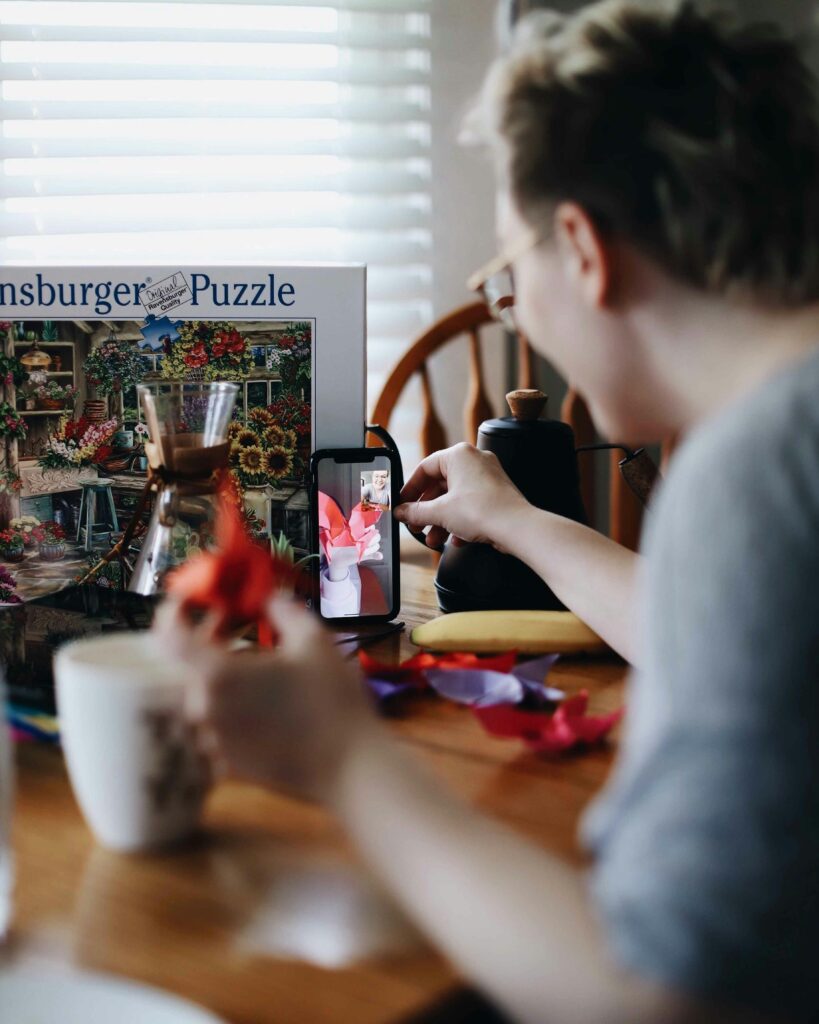
But first, what is virtual therapy?
Virtual therapy, also called online therapy, teletherapy, or e-therapy, is the practice of receiving mental healthcare services via video calls, phone calls, chat, or even AI-driven platforms. Yeap, all you need is a digital device and the Internet 😉.
For some, online therapy feels even more natural as it’s taking place in their familiar surroundings: at home, on the couch, or wherever they feel safe. Similar to traditional therapy, online sessions help you navigate anger in relationships, manage stress and burnout, process childhood trauma, and more. And it’s just as effective as in-person sessions!
But convenience is only part of the story. A quick look at Liven app reviews on Reddit shows how digital tools are making therapy more accessible, affordable, and personalized. All in all, meaningful support doesn’t have to be bound by four walls.
Online therapy fits your wallet
Unfortunately, skyrocketing costs have always been one of the biggest barriers to mental health care services: you’ll have to pay up to $200 or more for a traditional therapy session without insurance. Meanwhile, prices for online sessions range from $40 to $100 depending on the format you choose.
Online therapists no longer need to pay rent for an office or commute, and, naturally, prices drop. On top of that, the majority of online therapy platforms offer flexible subscription-based models, making your sessions even more predictable and easier to budget for.
Accessibility goes beyond money, though. No more three-hour drives to the nearest clinic if you live in rural or underserved areas: your therapist is just a click away.
Virtual therapy is safe, secure, and transparent
Trust is everything when it comes to mental health. First, you don’t have to worry about eavesdroppers as your sessions are encrypted end-to-end. Second, some platforms even allow you to leave reviews so you can share your experience and recommend a particular specialist to others (or advise against them). And sure, you can report unethical practices.
Last but not least, a reputable virtual therapy platform runs background checks to make sure therapists are properly licensed, therefore, protecting clients from fraud.
⚠️ Nonetheless, we advise you to check as many reviews regarding the platform you want to join as you can.
Online therapy fits your life with flexible hours and formats
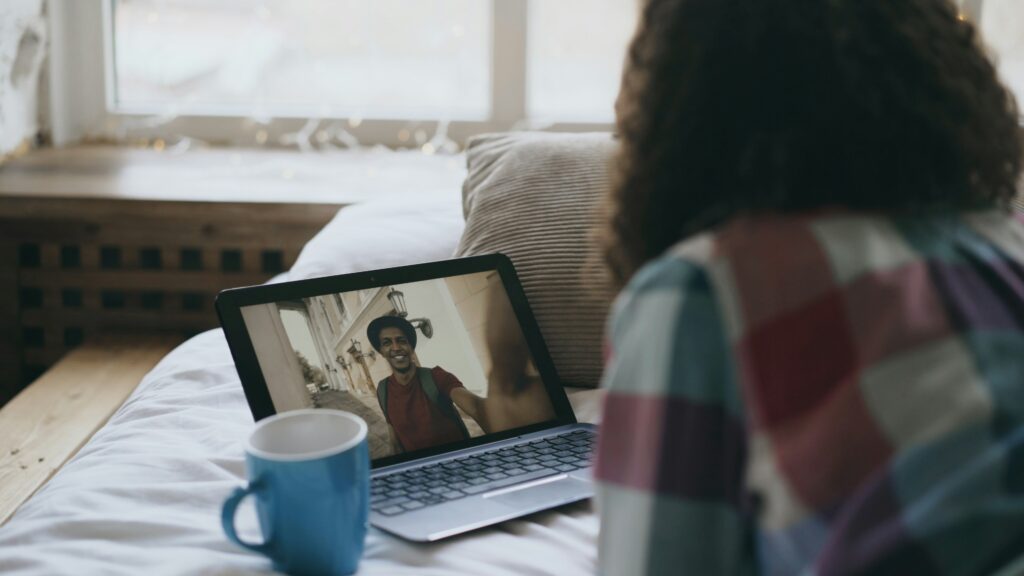
You no longer have to rush across town for a 50-minute session neatly squeezed into your lunch break. Instead, you can join sessions from your living room, your office, or even while traveling.
Plus, online therapists often offer hours that go beyond the 9-to-5 range. You can find sessions early in the morning, late in the evening, or even on weekends — something traditional brick-and-mortar offices rarely provide.
Oh, and you don’t have to waste your time on looking for a therapist yourself! Most platforms now use AI-driven matching algorithms to suggest therapists based on preferences like gender, therapeutic approach, language, hourly rate, and even personality traits.
Then there are chatbots like Liven’s Livie assistant, which provide instant 24/7 support for those who need a listening ear during odd hours.
Sure, chatbots can’t replace human therapists. Still, they can act as a bridge, offering grounding exercises, journaling prompts, and immediate coping strategies.
Want even more convenience? 🤔 Some platforms offer online psychiatric assessments and prescriptions. This practice definitely reduces waiting lists, all while being safe and secure, and completely discreet.
📚 Interesting fact: People who opted for online sessions instead of traditional therapy report higher attendance levels, simply because of flexible scheduling.
E-therapy sessions are highly personalized
It’s such a cliché 🙄; yet, we repeat it: there is no one-size-fits-all in therapy. Simply because every person heals differently.
The good news? Virtual therapy thrives on personalization. You don’t have to sit on the couch and talk if you don’t like it. Instead, you can choose from the list of formats that are most comfortable:
- Text-based therapy for those who love communicating via writing
- Audio-only calls if video feels overwhelming
- Video calls for those who value face-to-face connection
Plus, you’re no longer stuck with the handful of therapists in your zip code, as you can easily connect with the right specialist who lives across the globe.
🍎 Some platforms go one step further and offer evidence-based wellness courses alongside therapy, such as stress management programs, guided meditations, or CBT skill-building exercises you can do between sessions.
Online therapy is a ‘therapy-in-context’
What we mean is that a virtual session is a window into your daily life. For a therapist, this perspective is eye-opening as they can easily spot your stressors, habits, and supports, and have a better understanding of what you’re dealing with.
For instance, a therapist might notice how clutter in your space is affecting your anxiety, or how caring for a pet is supporting your emotional regulation.
This extra layer of context helps therapists offer deeply practical strategies.
Final thoughts
You can heal without breaking the bank — that’s why virtual therapy is such a great option: highly affordable, accessible, and flexible.
Forget long commutes, long bills, or long waiting lists. Whether it’s a text message to your therapist, a guided course between sessions, or a late-night chatbot check-in, help is no longer out of reach.
Please remember that your mind deserves the same care as your body.
You’ve got this! 💚