



From rags to riches, then near-miss? Desigual’s audacious journey: is it a comeback or a calculated crash?
Desigual, a name synonymous with kaleidoscopic prints and audacious design, has carved a unique path in the fashion industry. Born in 1984 on the gritty streets of Barcelona’s Raval neighbourhood, the brand rose from humble beginnings – a single jacket crafted from leftover denim scraps by Thomas Meyer, a self-proclaimed “creative animal.” This revolutionary act of upcycling signaled Desigual’s core values: embracing individuality and celebrating imperfection.
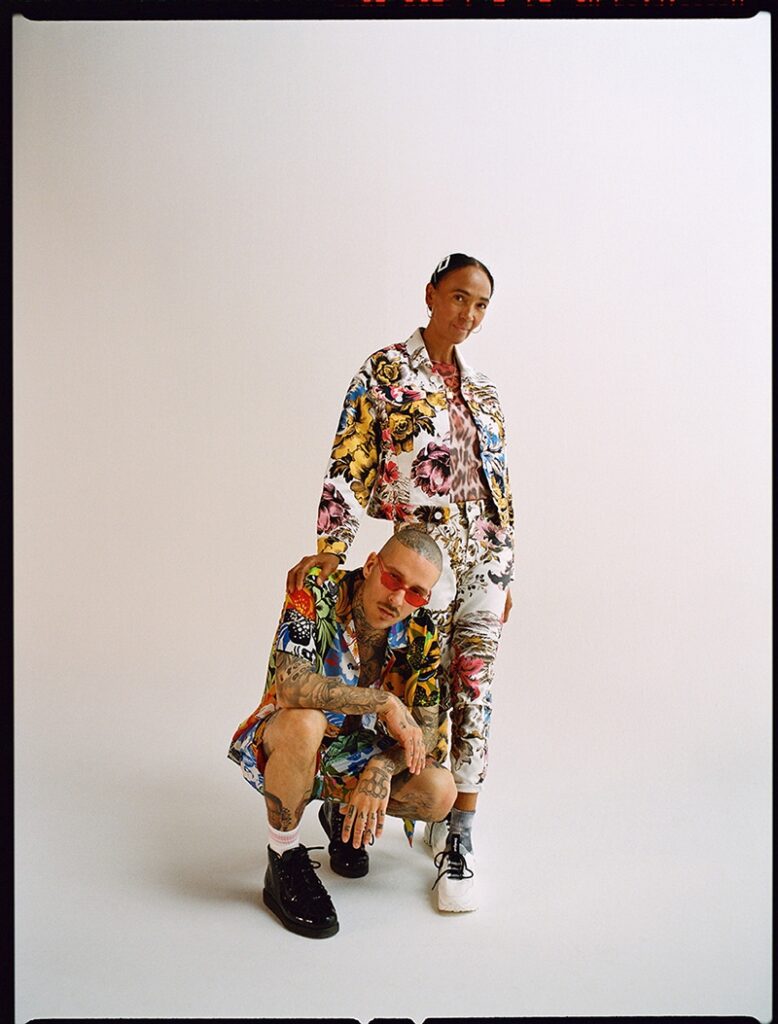
The early years were a testament to Meyer’s relentless spirit. Desigual’s collections defied the prevailing minimalist trends, bursting with a riot of colours and textures. Their first store in Ibiza, opened in 1986, became a haven for free spirits seeking a sartorial escape from the mainstream. By the early 2000s, Desigual had become a global phenomenon.Their runway shows, pulsating with theatricality and vibrant colours, were must-see events. The iconic 2009 “La Vida es Chula” (Life is Cool) campaign, featuring a naked couple embracing, ignited a firestorm of controversy but undeniably propelled them into the international spotlight. Sales figures skyrocketed, reaching a reported €1.1 billion by 2014. Desigual stores became ubiquitous in major cities, and celebrities like Sarah Jessica Parker and Eva Longoria were spotted sporting their signature bold prints.
However, the fashion tide began to turn. As minimalism and a more muted aesthetic gained traction, Desigual’s maximalist approach started to feel dated. Critics pointed to a perceived decline in quality, and some found the designs repetitive. Marketing campaigns, while undoubtedly attention-grabbing, occasionally sparked controversy, blurring the lines of good taste. By 2020, Desigual’s sales had plummeted, forcing a harsh reality check and a strategic overhaul.
Unravelling the Threads: What Caused Desigual’s Downturn?
Several factors likely contributed to Desigual’s decline. A Failure to Adapt: The brand struggled to adjust to the evolving fashion landscape, clinging to their signature maximalism while consumers craved a more sophisticated yet comfortable aesthetic. Quality Concerns: Whispers of declining quality control began to surface, eroding consumer trust in a brand that once prided itself on its unique, well-made pieces. Marketing Missteps: While Desigual’s campaigns were undeniably eye-catching, some bordered on offensive, alienating a portion of their audience.
A Deep Dive: Desigual’s Calculated Reinvention
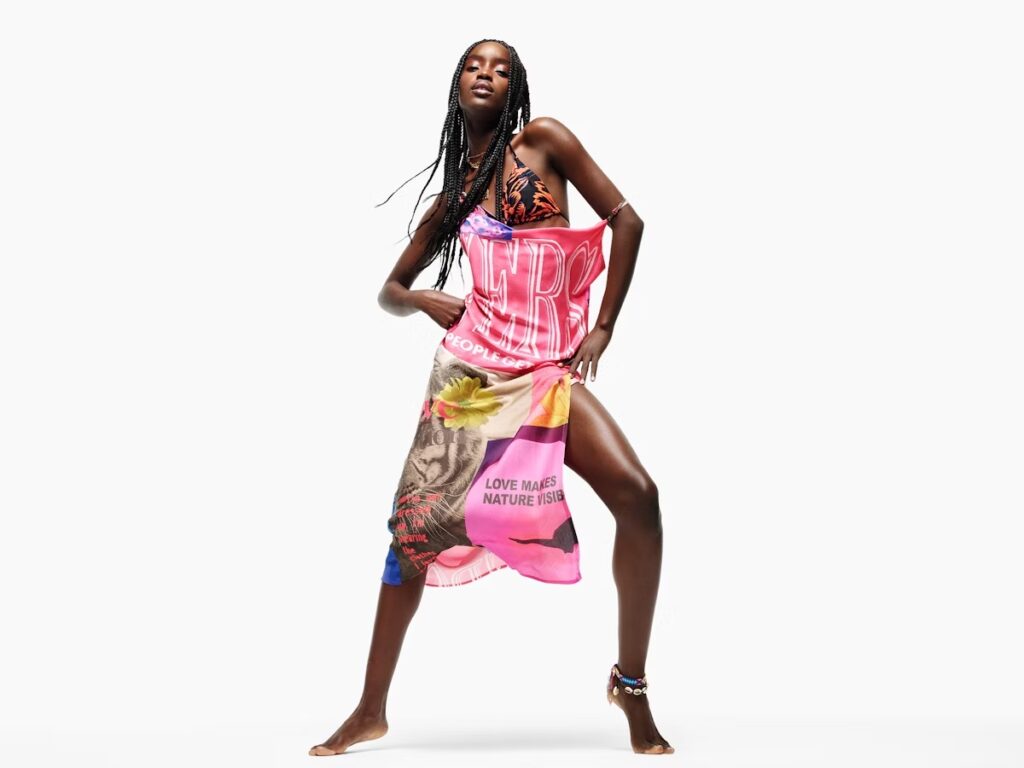
Desigual’s response to its decline has been a masterclass in calculated reinvention. Since 2021, the brand has embarked on a transformative journey. The iconic logo was flipped upside down, a symbolic gesture of their willingness to challenge convention. Sustainability has become a cornerstone of their philosophy, with collections focusing on eco-friendly materials and ethical production practices. The “more is more” approach has been replaced with a more sophisticated yet playful aesthetic, incorporating current trends like bold prints, jumpsuits, and a touch of their signature vibrancy.
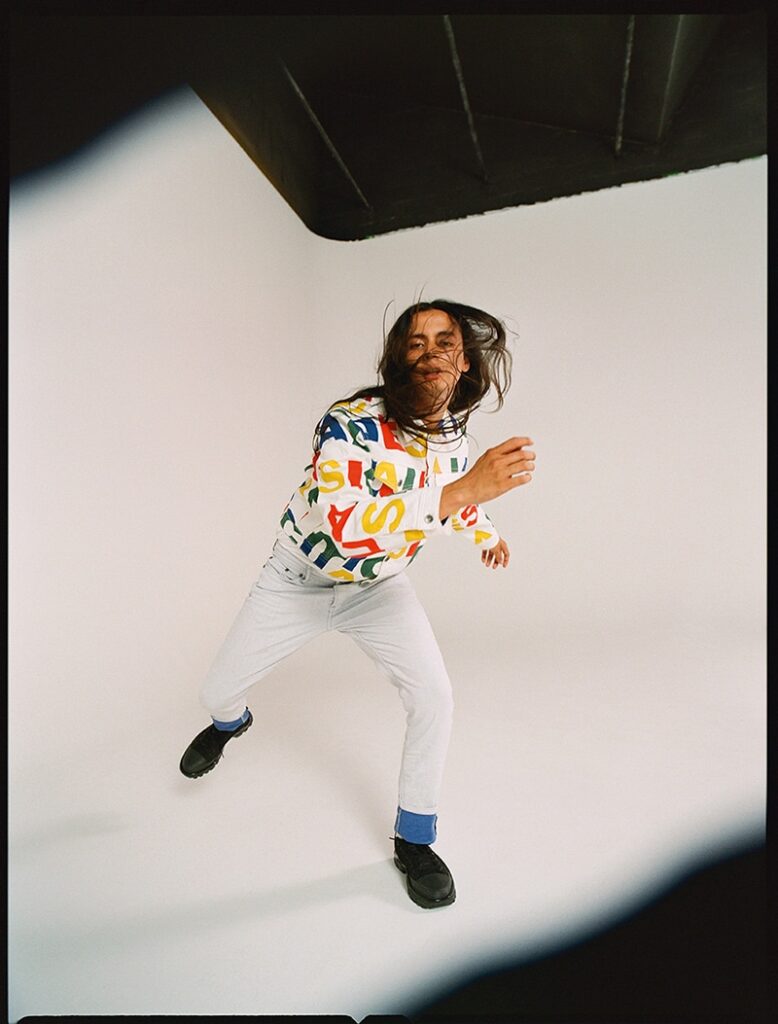
Collaboration is King: A crucial element of Desigual’s resurgence is their focus on partnerships with young, innovative designers. Collaborations like the Spring/Summer 2023 collection with Alphonse Maitrepierre, inspired by the universe and crafted from sustainable materials, perfectly exemplify this shift.
Courting a New Generation: Desigual is actively courting a younger audience through strategic social media campaigns and influencer marketing. Their 40th-anniversary celebration in Barcelona, attended by celebrities like Amelia Gray and Ester Expósito, sent a clear message – Desigual is back, and it’s hipper than ever.
Desigual’s Future: A Symphony of Sustainability and Strategic Partnerships?
Desigual’s story offers valuable lessons for fashion brands. It highlights the importance of adapting to changing consumer preferences and embracing sustainability. Their calculated reinvention, with its focus on collaborations and social media savvy, showcases a brand determined to reclaim its crown. The future of Desigual looks promising, a vibrant tapestry woven with sustainability, strategic partnerships, and a renewed connection with a younger generation.One question remains: will Desigual be able to maintain this delicate balance and navigate the ever-evolving fashion landscape? Only time will tell, but with a renewed commitment to its core values and a willingness to adapt, Desigual is well-positioned to reclaim its place as a leader in the world of bold and individualistic fashion.
Updated July 2026
This article ended on a hedge: comeback, or calculated crash?
Two years later there is a paper trail, and it answers the question. Desigual closed 2024 with €332 million in turnover and a €3.1 million pre-tax profit, reported in April 2025, after posting a €61.4 million net loss in 2023. Turnover remains below its 2022 level, so this is not a boom; it is something rarer, a maximalist brand that stopped bleeding by design.
The collaboration strategy previewed in an earlier capsule has since become a repeatable playbook. By mid-2026, Desigual had rolled out capsules with Botter, Egonlab, Masha Popova, and Ottolinger, with the Ottolinger project explicitly described as part of an ongoing collaboration strategy and built around Desigual’s archives.
Desigual Studio, launched in September 2025, made that premium pivot explicit: it was introduced as the brand’s most premium, limited-edition line, debuted with a Barcelona runway show that drew about 500 guests, and was described as a see-now-buy-now release with selective distribution in a small number of stores. Fernanda Blasco said the line was inspired by Barcelona and the brand’s archives and framed it as a creative laboratory / way to celebrate design at its highest form.
Behind it all sits the founder this piece began with. Thomas Meyer has been Desigual’s sole owner since he bought back Eurazeo’s 10% stake in August 2018, making him the company’s only shareholder. The business is now funding its next phase through heavier investment: in 2024, marketing spend reached 10% of turnover, reportedly the highest level in the company’s history, and Desigual’s strategic plan now runs to 2029.
So, is Desigual cool again? Well, it certainly is profitable, premiumising, and paying more than it ever has to make the case — and in fashion, that combination has a way of becoming indistinguishable from cool.