



Sooner or later, almost every well-known creative gets the pitch. First it was tequila, fragrance and candles. Now it is increasingly a supplement.

Behind most of these launches sits a contract manufacturer rather than a celebrity’s own lab. A firm such as Superior Supplement Manufacturing makes products for other people’s brands, in formats from capsules and tablets to gummies, powders and liquids. The founder brings the name and the vision. The rest is shared.
None of what follows is health advice, and nothing here suggests a supplement does anything for anyone.
Why Are Creatives Launching Supplement Lines?
The FDA describes a market worth more than 60 billion dollars, with as many as 100,000 different products available to consumers. A known face cuts through in a way a new logo cannot.
WellSignal’s global wellness industry statistics by sector report GWI’s estimate of $1.148 trillion for healthy eating, nutrition and weight loss in 2024. That broader global category should not be confused with the US dietary-supplement market or treated as evidence that an individual product works.
The rest is about how creative careers now earn money. Anyone who has watched how travel influencers make money knows the pattern: a following becomes a portfolio. A product line is the most permanent version of that move.
It is also the riskiest. A brand deal ends with the contract, but a product with your name on it stays in search results for years.
What Does a Famous Name Actually Control?
In a private label arrangement, the founder owns the brand and the manufacturer runs production. Superior’s FAQ is plain that nobody needs a recipe before the first call: “No, you do not have to have a custom formulation ready.”
What sits with the founder:
- The concept, meaning who the product is for and why it exists.
- The format, since a gummy and a capsule feel like different brands.
- The look, from the bottle shape to the typeface on the label.
- The story, and every word used to tell it in public.
What sits with the factory and the rulebook:
- Manufacturing to the federal good manufacturing practice requirements.
- Batch consistency, so each bottle contains the ingredients on its label.
- Packaging, where the homepage lists droppers, sachets and blisters among its formats.
The company says it does “not offer custom label design in-house” but has a few designers it can introduce. The visual identity stays in your hands, or in your own studio’s.
How Does a Launch Fit Around a Tour or a Release?
Creative calendars run on fixed dates. A launch timed to an album, a show or a tour needs the factory calendar worked out backwards.
On the manufacturer’s FAQ, an order can be “produced, packaged, shipped and received within 3-4 weeks,” depending on the customer’s country. A 50% deposit is due when production starts, with the balance at completion and shipment. The same page says there are no setup fees for its private label services.
Minimum orders shape the drop as much as the date does. For tablets, that FAQ sets the floor at 250,000 tablets or 2,500 units (60-count). Regular capsules and gummies start at 150,000 pieces in bulk, or the same 2,500 bottled units. Powders begin at 1,500 units or 1,000 kilograms.
A run of 2,500 bottles is modest for an artist with a large following. It is still a real commitment if demand turns out softer than the comments promised. Decide early whether this is a permanent line or a one-off moment.
What Can the Bottle and the Caption Say?
FDA’s supplement oversight is blunt on the first point. “FDA does not approve dietary supplements or their product labeling before they are sold to the public,” the agency says. Companies that make or market them are responsible for safety, and for label claims being truthful and substantiated.
Structure and function claims are allowed, with conditions. The label must carry a disclaimer that the statement has not been evaluated by FDA. It must also say the product is not intended to diagnose, treat, cure or prevent any disease. Certain new ingredients need a safety submission at least 75 days before marketing.
The FTC’s Endorsement Guides require that an unexpected connection between endorser and seller be disclosed “clearly and conspicuously”. Such connections “can include a business, family, or personal relationship”, as well as payment or free products. One of the rule’s examples flags a physician who “owns part of the company” being promoted. Four points follow for a launch post:
- Disclose the connection in the post itself, clearly enough for followers to judge it.
- A disclosure on a podcast does not cover a separate social post.
- Free or discounted products count, even when no post was required in return.
- Brands should advise the people promoting them to disclose, and check that they do.
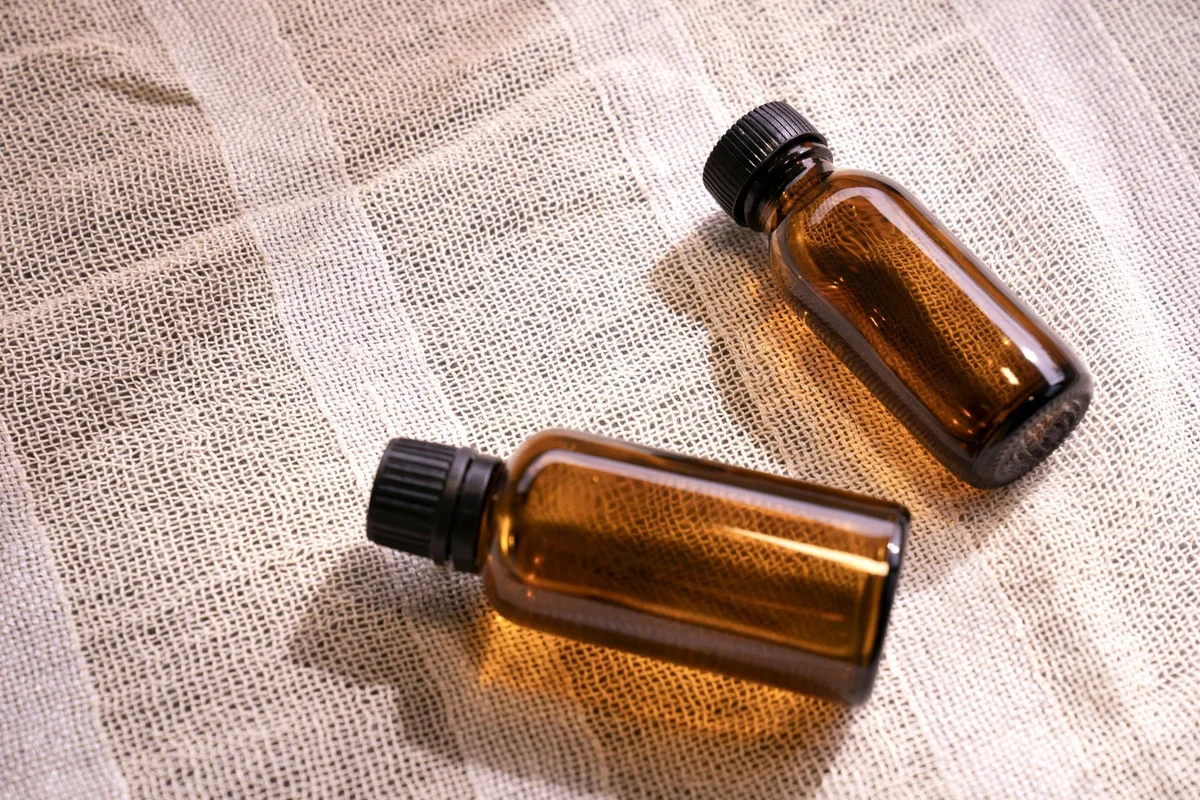
A caption about how a gummy makes you feel can turn into a health claim very quickly, and the FDA disclaimer rules above still apply.
Who Answers When Something Goes Wrong?
The founder’s name does. Dietary supplement manufacturers are required to report serious adverse events to FDA, and the agency inspects facilities to check manufacturing and labeling.
All of that lands on the artist’s reputation. Fans do not search for the contract manufacturer’s name. They search for yours.
Questions worth asking before signing:
- Which facility will make this product, and which certifications does it hold?
- Who keeps the batch records, and how quickly can you see them?
- Who handles customer complaints, and who tells you about them?
The manufacturer’s FAQ says certifications “vary by facility” and lists options such as GMP, NSF, NPA, Organic, Kosher and Halal. Its homepage describes facilities across the US. Ask which ones apply to your product, in writing.
A Name Is the Last Ingredient
A wellness line can sit comfortably beside a body of creative work. The ones that last tend to follow the logic of a supermodel’s healthy lifestyle rather than a campaign: quiet, consistent and unglamorous.
The name goes on last, but it carries everything before it. Get the format, the order size, the dates and the words right first, and the launch post becomes the easy part.
Frequently Asked Questions
Does a Famous Founder Need FDA Approval to Launch?
No. FDA does not approve dietary supplements or their labels before sale. The companies that make and market them are responsible for safety and for truthful, substantiated claims.
Can a Small First Run Work for a Limited Drop?
Superior’s FAQ lists minimums such as 2,500 units of a 60 count for tablets and gummies. Plan the drop around that number rather than the other way round.
Who Handles the Label Artwork?
Superior says it does not offer custom label design in-house. It introduces clients to designers it works with, so a founder’s own studio can lead the look.
What Should a Launch Post Disclose?
Any business, family or personal connection the audience would not expect, and owning part of the company counts. Disclose it clearly in the post itself, because a podcast mention does not cover a separate social post.