

Sicily is not one holiday but three, and the house you rent decides which one you get.
People who return to Sicily year after year rarely talk about hotels. They talk about a house: the farmhouse above Scopello with the cistern pool, the townhouse in Ortigia where the shutters open onto the harbour, the old lemon estate on the slopes below Etna. The island rewards the person who chooses a base well and punishes the one who tries to see it all from a single address. It is the largest island in the Mediterranean, and the drive from Trapani in the west to Syracuse in the south-east takes the best part of four hours.
So the first decision is not which villa. It is which Sicily.
The west: salt, tuna and quiet coves
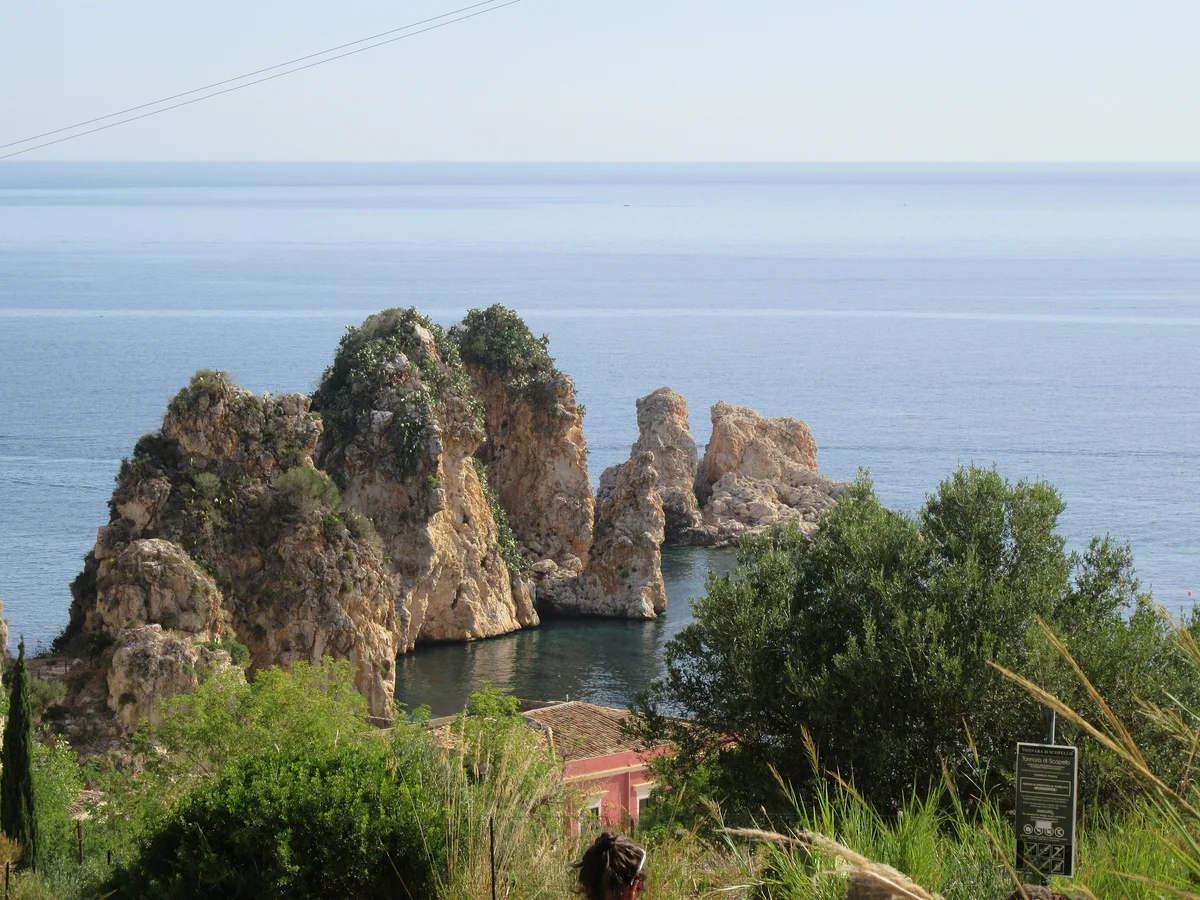
The west is the Sicily of the salt pans at Marsala and Trapani, of the old tuna fisheries and of a coastline that still feels like a secret. Scopello, with its sea stacks rising out of clear water, sits at the gate of the Zingaro nature reserve, the island’s first, where there is no coast road at all and the coves are reached on foot. Here the house to look for is a baglio, the fortified farmhouse of the west, built around a courtyard against wind and visitors, often with a few hectares of olives and a view of nothing but the sea.
The west suits people who want to be left alone. Palermo is about an hour away for an evening of street food and baroque churches, and the islands of the Egadi are a short ferry from Trapani. It suits families less well if the children want a town square to wander into after dinner.
The south-east: baroque towns and long beaches
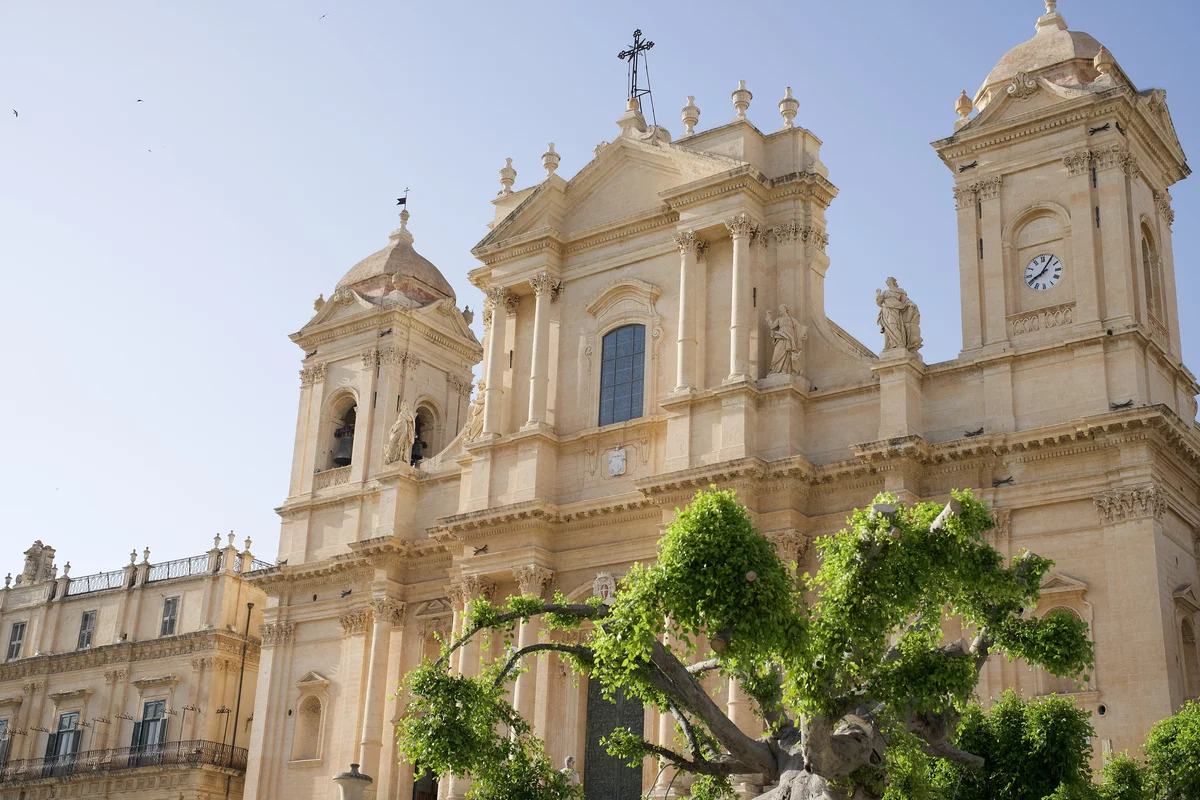
If one corner of the island has become the address of the moment, it is the south-east. After the earthquake of 1693 flattened the towns of the Val di Noto, they were rebuilt in a single burst of honey-coloured baroque, and eight of them, Noto, Ragusa, Modica and Scicli among them, are now a UNESCO World Heritage Site. Between them run stone walls, carob trees and some of the best beaches on the island, from Vendicari’s reserve to the fishing village of Marzamemi.
This is masseria country: the working farm turned family house, with a long table under a pergola and a pool cut into the old threshing floor. It is also where the island’s best kitchens are concentrated, so a house within twenty minutes of Noto or Modica means dinner out without a long drive home in the dark.
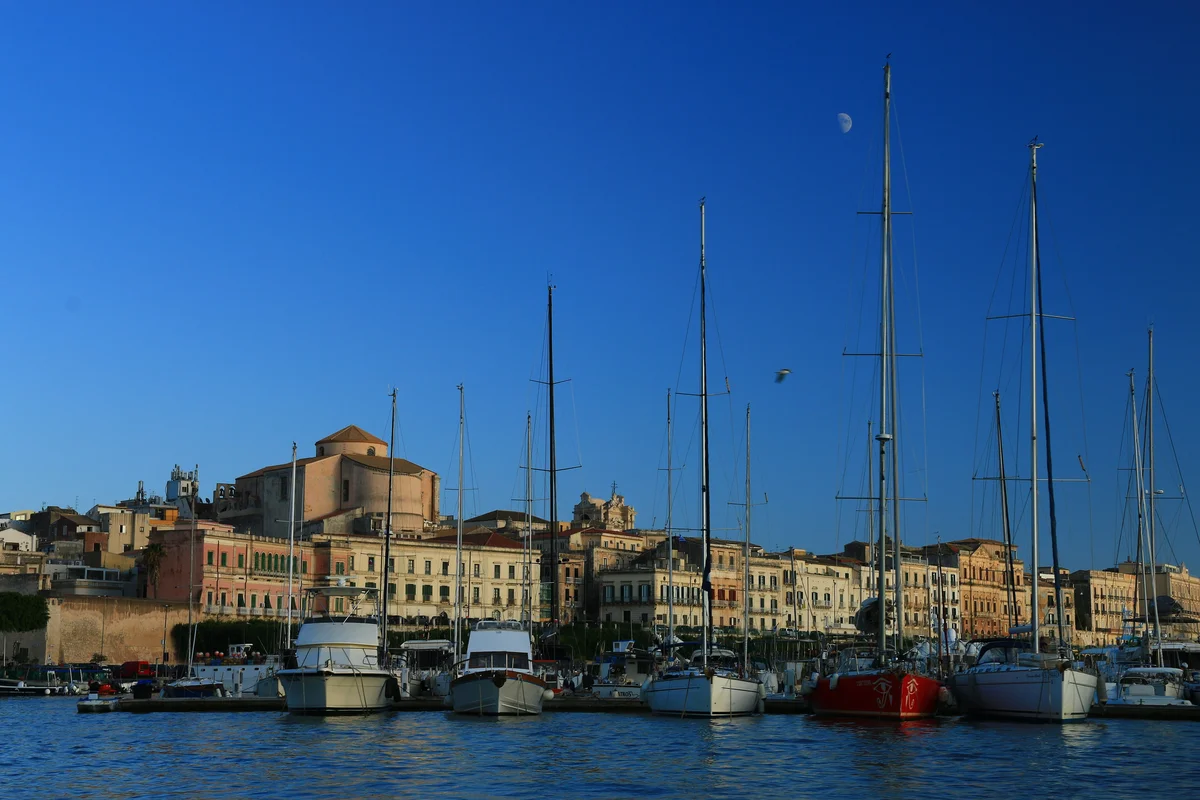
Ortigia, the old town of Syracuse on its own small island, deserves its own mention. A townhouse or a top-floor apartment here gives you the market in the morning, a swim off the rocks before lunch and the Greek theatre in the evening, all without a car. For a couple, or for a few days at the start or end of a villa fortnight, it is hard to beat.
The east: Etna and Taormina
The east coast has the most famous postcard. Taormina has drawn travellers since the days of the Grand Tour, and its terrace above the Bay of Naxos made a second career for itself on screen when The White Lotus filmed its second season at the San Domenico Palace hotel. The town is beautiful and, in high summer, very full.
The better choice for a house is usually the slope behind it. Villas on the flanks of Etna, among the vineyards around Linguaglossa and Castiglione di Sicilia, are cooler at night, close to the Etna wine estates that have become some of the most talked-about in Italy, and still within half an hour of the sea.
How to choose the house itself
Once the corner is settled, a handful of questions sort the good house from the photogenic one.
Ask how far it really is. Listings measure distance as the crow flies. Sicilian country roads do not. Ask how long the drive to the nearest town takes, and whether the last stretch is a dirt track, which matters with a hire car and matters more after dark.
Check the water. Parts of the island have suffered serious drought in recent summers, and some country houses rely on their own cisterns or on delivered water. A good owner will tell you plainly how the house manages in August and whether the pool is filled before you arrive.
Look for shade, not just a view. The view sells the house; the pergola, the loggia and the thick old walls are what make it bearable at three in the afternoon. Air conditioning in the bedrooms is worth confirming rather than assuming.
Mind the calendar. August is the month the Italians take their own holidays, and Ferragosto on the 15th is the peak of it: prices are at their highest and the beaches at their fullest. Late May, June and September give you warm sea, open restaurants and far more choice. The sirocco, the hot wind from Africa, can arrive at any time from spring to autumn and is a fine excuse to stay by the pool.
Compare before you book. The same house is often listed on several sites at different prices, and comparing them takes minutes. Meta-search platforms gather the listings in one place; browsing holiday rentals in Sicily that way is the quickest route to seeing what a fortnight in a baglio in the west costs against a townhouse in Ortigia or a farmhouse outside Noto, and it makes plain which corner of the island suits the budget.
One house, or two
The regular visitors have a habit worth borrowing. Rather than one fortnight in one villa, they split the stay: a week in the countryside with the pool and the long lunches, then a few nights in Ortigia or Palermo for the markets and the evening passeggiata. It costs a second set of linen and an hour in the car. In return you see both of the things Sicily does better than almost anywhere: doing nothing at all, and the town square at nine o’clock at night.