


Image courtesy of Tim Marshall
There’s a version of surf travel that pretends it’s about discovery.
It isn’t.
Surfers have already decided where to go. The map exists. It just doesn’t get marketed in the same way as everything else. No big reveal, no “hidden gem” language, no urgency to explain itself. Just a loose circuit of towns that keep pulling people in. Places where you arrive for a few days and end up rearranging your life around swell charts and cheap dinners.
These are the hotspots, the ones that hold the culture together.
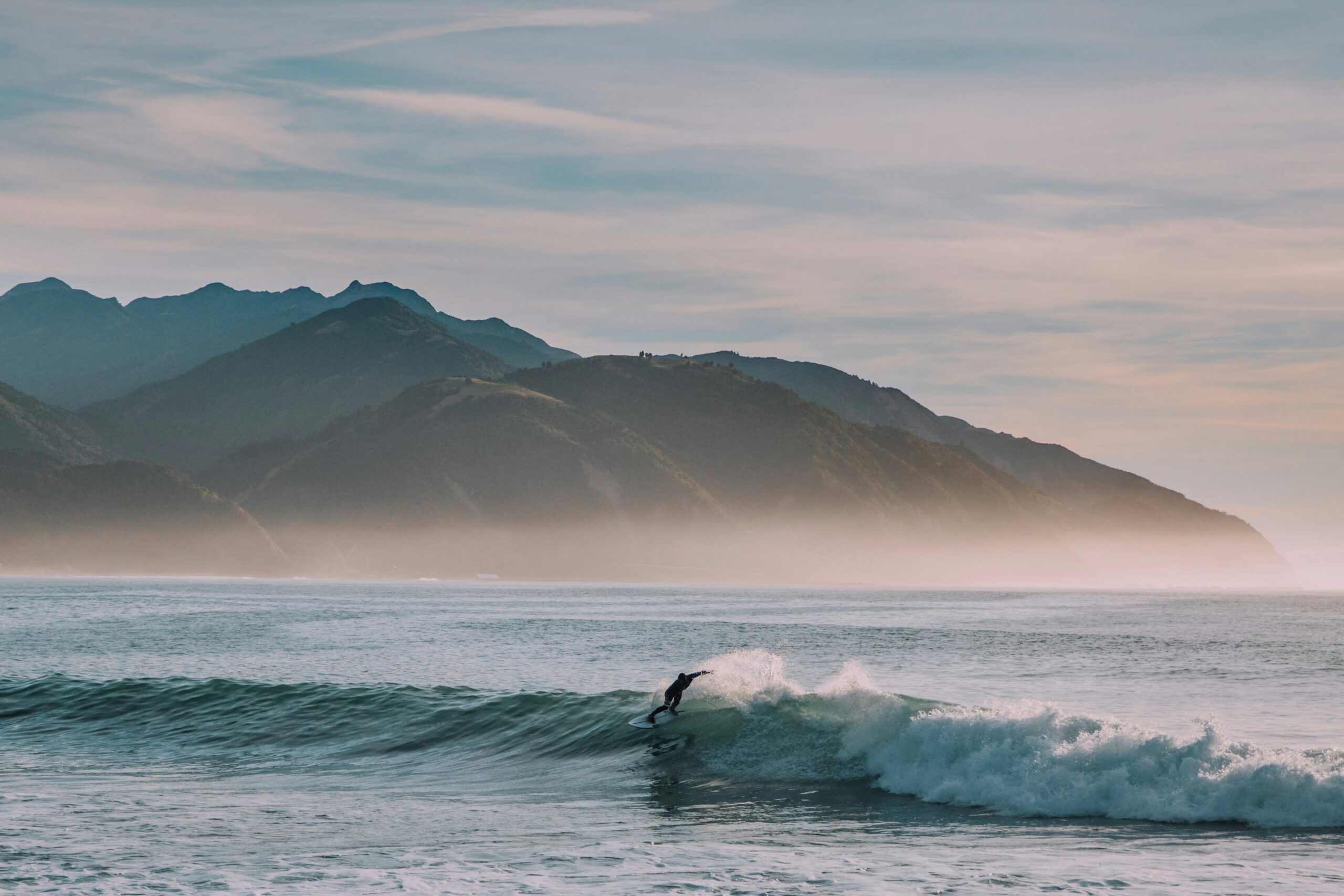
Morocco comes first.
Naturally. Every surf trip with a decent PR team begins in Tamraght, where the waves are accessible, the water is warm, and the general mood suggests everyone has agreed not to mention money. Banana Beach, Banana Point, Devil’s Rock: the coast is neatly labelled, as if to reassure you that adventure can still be organised into a list.
You base yourself there and move up and down the coast depending on the day, the swell, and the amount of optimism remaining in your body. You surf, you return, you do it again. The rhythm arrives quickly, which is helpful, because no one is especially interested in doing much else. Mornings become sessions, afternoons become tagines, and evenings dissolve into the kind of conversation that sounds meaningful largely because everyone is tired and a little sunburnt.
This is where a lot of surf trips begin because it is easy, and because the easiest places are often the first to be described as “special.”
Then France.
Hossegor is where the tone changes and everyone starts speaking more quietly, as if the ocean might overhear.
The waves are fast, hollow, and fully committed to humiliating the unprepared. People come here for barrels, and the town accommodates this with appropriate seriousness. Conversations revolve around sandbanks, tide windows, and whether it is “on,” a phrase that in Hossegor functions less as a forecast than as a moral test.
From September to May, the place fills with surfers who already know exactly what they want, which is usually the first sign that the rest of us are in trouble. The standard rises. So does the pressure. You either keep up or develop a profound interest in sitting on the beach and pretending this was always part of the plan.
Either way, it leaves a mark.
Portugal comes next.
Ericeira or Peniche, depending on how much decision-making energy you have left.
Portugal works because it is competent. There is variety, consistency, and enough waves to make you feel like your life is holding together. You can surf every day and still believe you are exercising freedom, which is one of travel’s more durable delusions.
The towns have adjusted accordingly. Cafés full of laptops and wetsuits. People hovering in that deeply modern condition of being both employed and spiritually unavailable. Locals, expats, long-stayers, and temporary converts all share the same streets, which is how a place begins to look like a lifestyle deck.
And yet it works. That is the annoying part.
South Africa raises the stakes.
Jeffreys Bay is one of the few famous surf spots that does not seem embarrassed by its own reputation. Long right-handers keep rolling through with a kind of indifferent elegance, as if the ocean has made a decision and sees no reason to revisit it. You sit in the lineup waiting your turn, which is how surf spots remind you that humility remains an available option.
There are softer waves nearby, but nobody is really there for those. Everyone has travelled for the same reason, and the reason is usually some variation of: because this is where the good one is.
The landscape is bigger too, less upholstered. The ocean carries weight. You feel it, even when nothing dramatic is happening, which is often how the better places work.
Indonesia is where the whole thing becomes slightly ridiculous.
Bali first, of course. Crowded, obvious, unavoidable. Also excellent, which is irritating. The waves are consistent, the infrastructure is in place, and the island can absorb almost any version of a surf trip, from solemn dawn patrols to the more popular form involving excellent coffee and tactical complaining.
People like to act above Bali, usually from Bali, which is one of the more efficient traditions in travel.
Then the Mentawais, if you still have the energy to maintain the fantasy that this trip is about purity.
More effort, fewer people, better waves. The world recedes. Days collapse into surf, eat, sleep, repeat. It is hard to pretend you are doing anything noble out there, because the setup is so obviously designed to remove all friction and most excuses.
Which is, frankly, the point.
Sri Lanka comes after as a kind of behavioural correction.
Weligama or Ahangama, depending on how much punishment you feel you deserve.
The waves are forgiving. The pace slows. No one is trying to prove very much, which can feel oddly refreshing after Indonesia, where even leisure has a faintly competitive posture. Here you surf because it is enjoyable, a concept many places pay lip service to without fully delivering.
The towns reflect this mood. Cafés on the sand. Boards leaning everywhere. Conversations that begin with the forecast and, if all goes well, never really end. People arrive exhausted from somewhere better known and leave convinced they have recovered something important, though it is usually only sleep.
It serves its purpose.
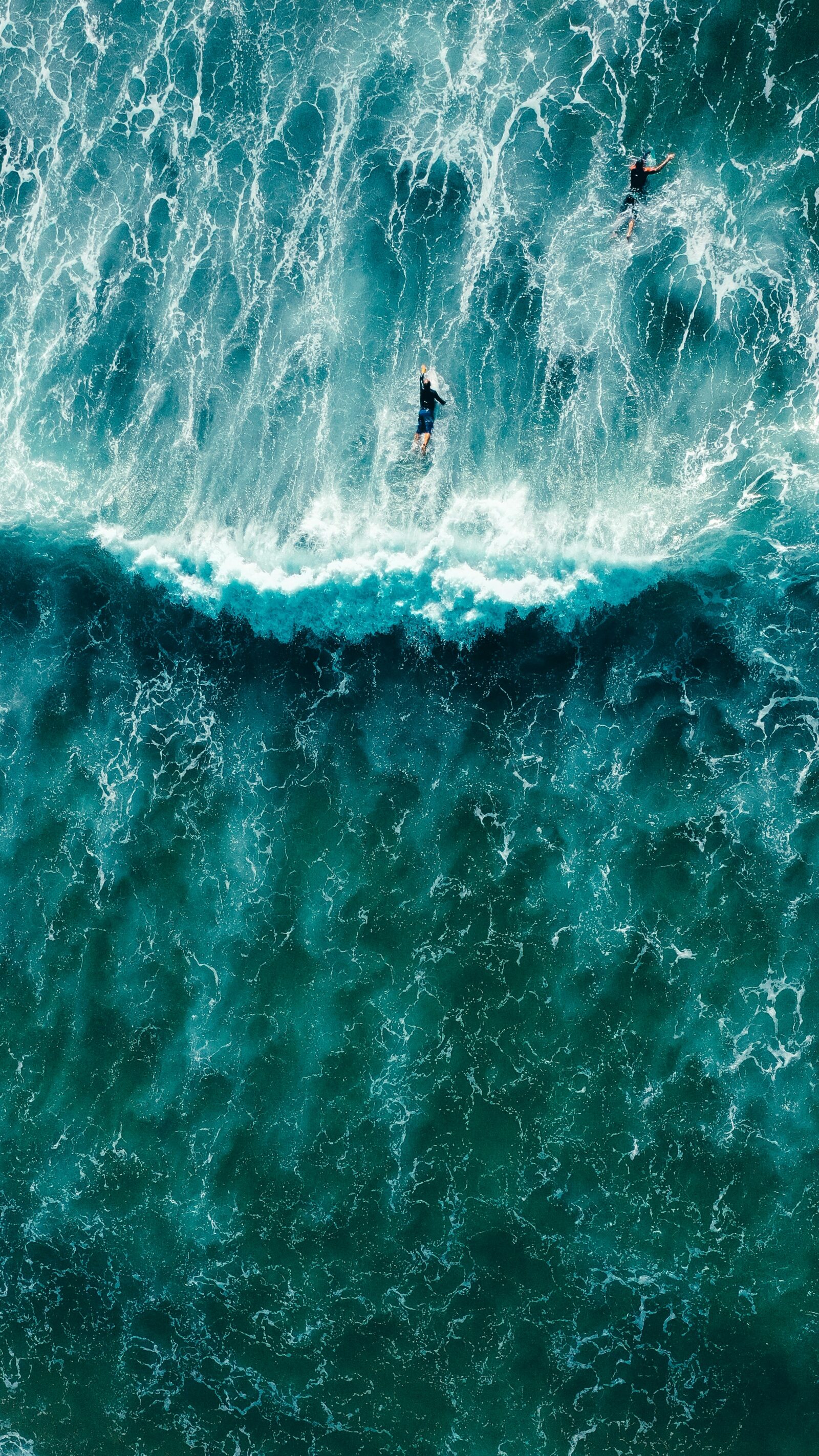
Costa Rica holds the middle ground.
Santa Teresa is the kind of surf town that has been so thoroughly described as “laid-back” that it is now impossible to tell whether that is a compliment or a zoning strategy.
The waves are dependable. The setting is attractive in an aggressively legible way. The infrastructure is sufficient to make you comfortable without creating the impression that anything too chaotic might happen. You wake, surf, eat, repeat, and gradually begin to suspect you are living a life. This is how Costa Rica gets people.
There is very little friction, which is often mistaken for harmony.
Then Hawaii.
Oahu’s North Shore.
This is where the itinerary stops pretending to be casual.
Pipeline, Sunset, Waimea: names with enough cultural weight to make even the confident slightly self-conscious. You arrive with respect, or you learn it quickly and somewhat publicly. The level is high, the history is deep, and the whole place seems designed to remind visitors that surfing is not, in fact, an aesthetic.
You spend time watching. Then maybe paddling out. Then, if circumstances are kind, reassessing your understanding of the word “possible.”
It is less about comfort than about scale. Which, after a while, is the same thing.
This route does not exist on paper, but it absolutely exists in practice.
Surfers move through these places year after year, adjusting the order, overstaying in one country, underestimating another, returning to the same beaches as if repetition is a form of insight. The logic stays the same: warm-up, pressure, consistency, scale, refinement, reset, ease, peak.
You do not have to follow it exactly. Almost no one does. The point is not discipline; it is drift with good branding.
But spend enough time chasing waves in enough countries and the pattern becomes obvious. These towns are not especially interested in performing for you.
They just work.
Which, in a world that cannot resist over-explaining itself, is a fairly radical gesture.