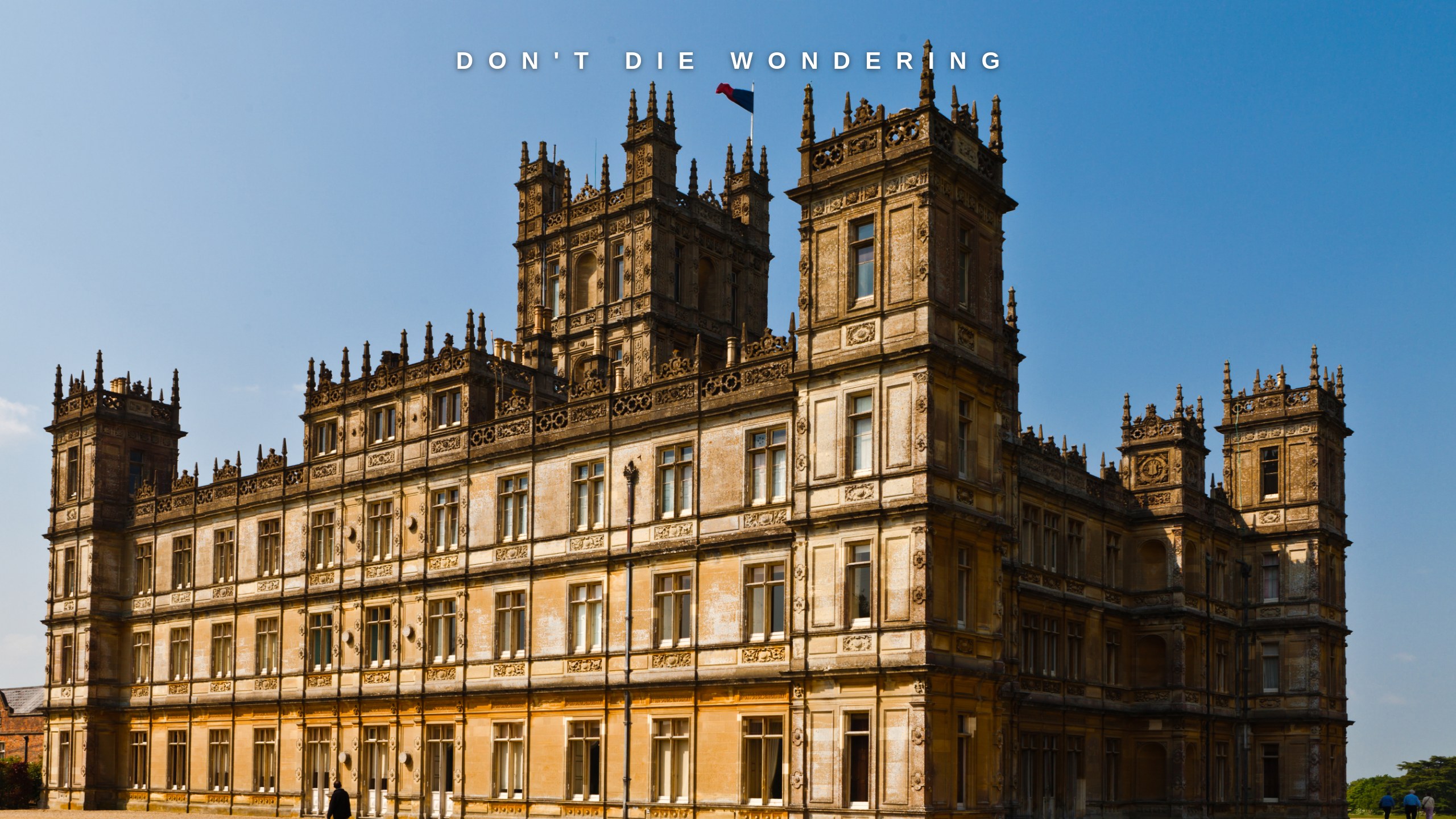




There’s a moment, usually in the last week of July, when London simply gives up. Parliament rises, the good tables stop being hard to get, and anyone ringing a certain kind of household gets told — by somebody paid to say it — that the family is away until September. Note the phrasing. Not on holiday. Away.
The city doesn’t empty, of course. It fills with everyone else. What leaves is one particular stratum, and it leaves with the discipline of a migrating bird. Where it all goes is far more interesting than the fact of the going — because the August of old money has a fixed geography, every bit as scheduled as the season that comes before it, and almost none of it is where you’d think to look.
North, obviously — but a particular north
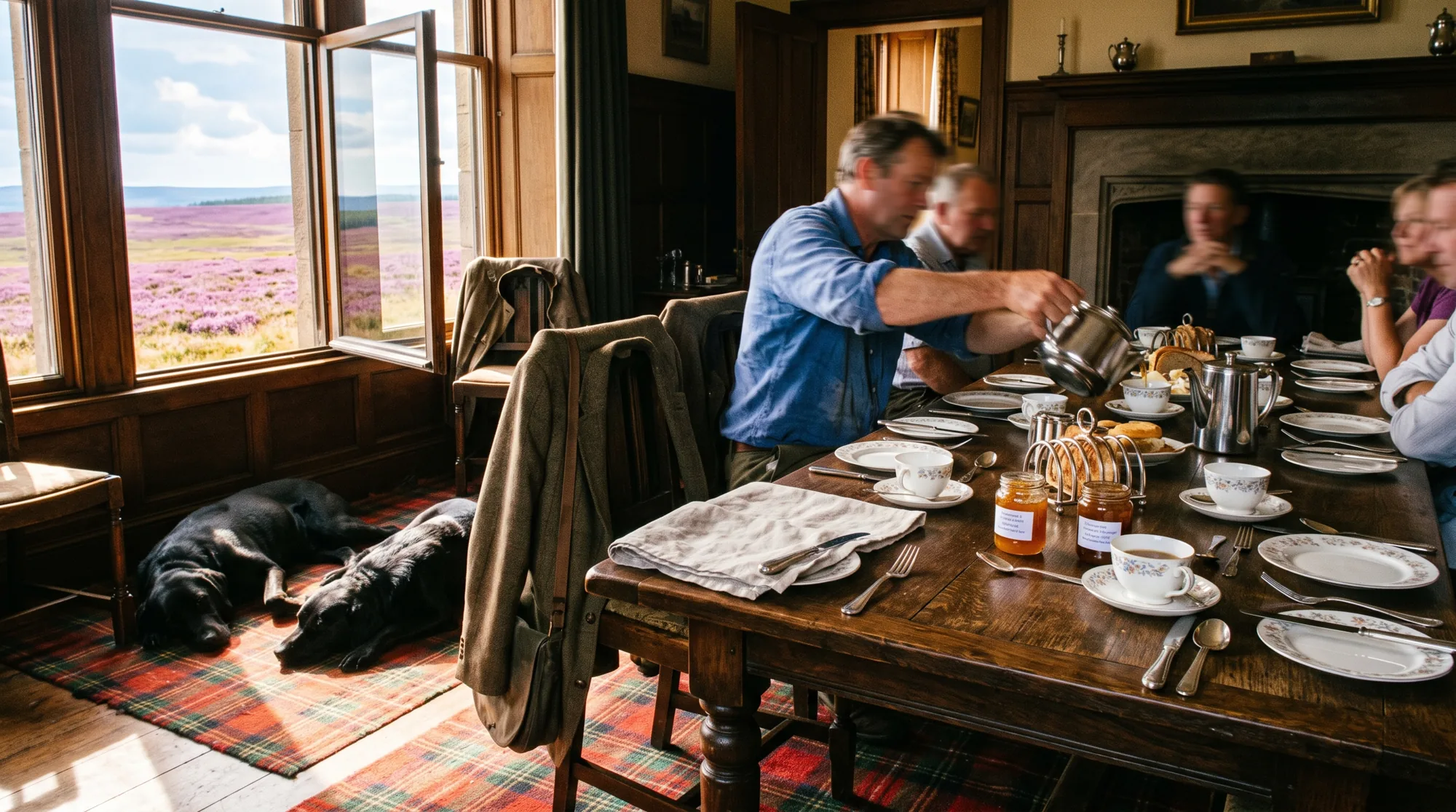
One date matters: the twelfth. Grouse shooting opens on the Glorious Twelfth of August, and for families with a moor — their own, a cousin’s, or one borrowed through that elaborate economy of favours that never, ever touches actual money — the weeks around it are the real high season. The same houses fill with the same guests they filled with last year, and the year before that. Dinner’s early. The dress code is warmth. The conversation is birds, dogs, and the misbehaviour of whoever couldn’t make it.
Here’s the tell: nobody involved would call any of this a holiday. It’s simply where August happens. Hotels barely come into it — the whole point is the house. Draughty, inherited, and impossible to book.
The house party, decoded
The Scottish house party runs on rules nobody will explain to you, which is rather the point. You arrive Thursday and leave Monday; arriving Friday marks you as busy, which is worse than it sounds. You never ask who else is coming — you’ll find out at dinner, which is the fun of it. You bring wine nobody will drink and a book you won’t open. There will be one bathroom for every four bedrooms and nobody has ever complained.
And you write afterwards. On paper. The thank-you letter is the one piece of August admin that has survived every technology invented to replace it, and its arrival — three days later, second class, slightly damp — is how your hosts know you were properly brought up.
The Mediterranean, on repeat
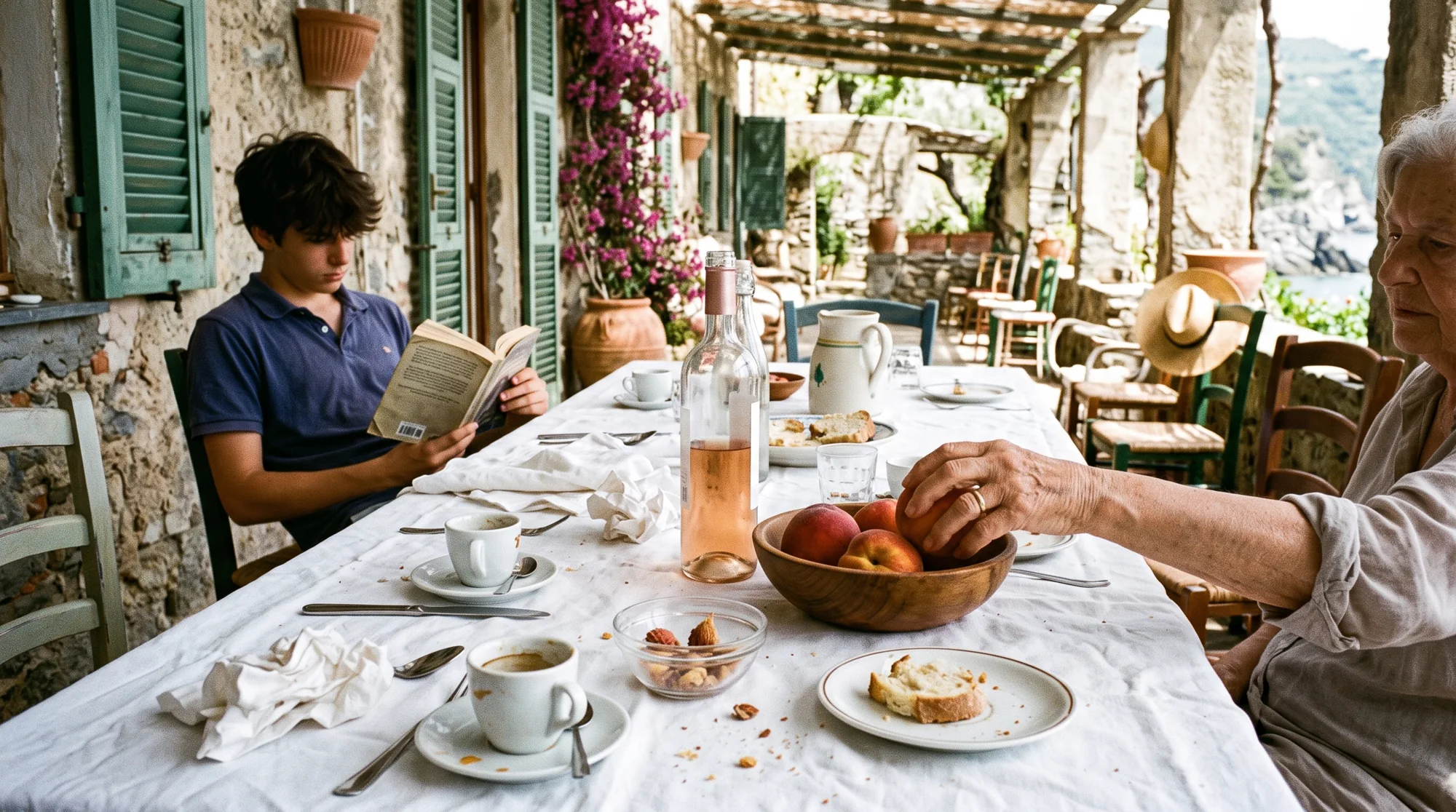
There’s a Mediterranean August that involves discovering somewhere new. Then there’s the other kind: the same villa, the same fortnight, the same corner table at a restaurant that has never once been fashionable, where the waiter has watched three generations of one family argue over the bill without ever being allowed to see it settled.
Repetition is the whole point. Novelty is for people who are still choosing; this crowd chose decades ago — a stretch of Ligurian coast, a Greek island nobody influences from, a Provençal farmhouse bought when it cost nothing and now worth too much to admit. If there’s a boat, it’s wooden, old, and slightly too small for the party. Nothing gets geotagged. The fortnight ends when it has always ended, and next year it will happen again, identically, on purpose.
The English alternative
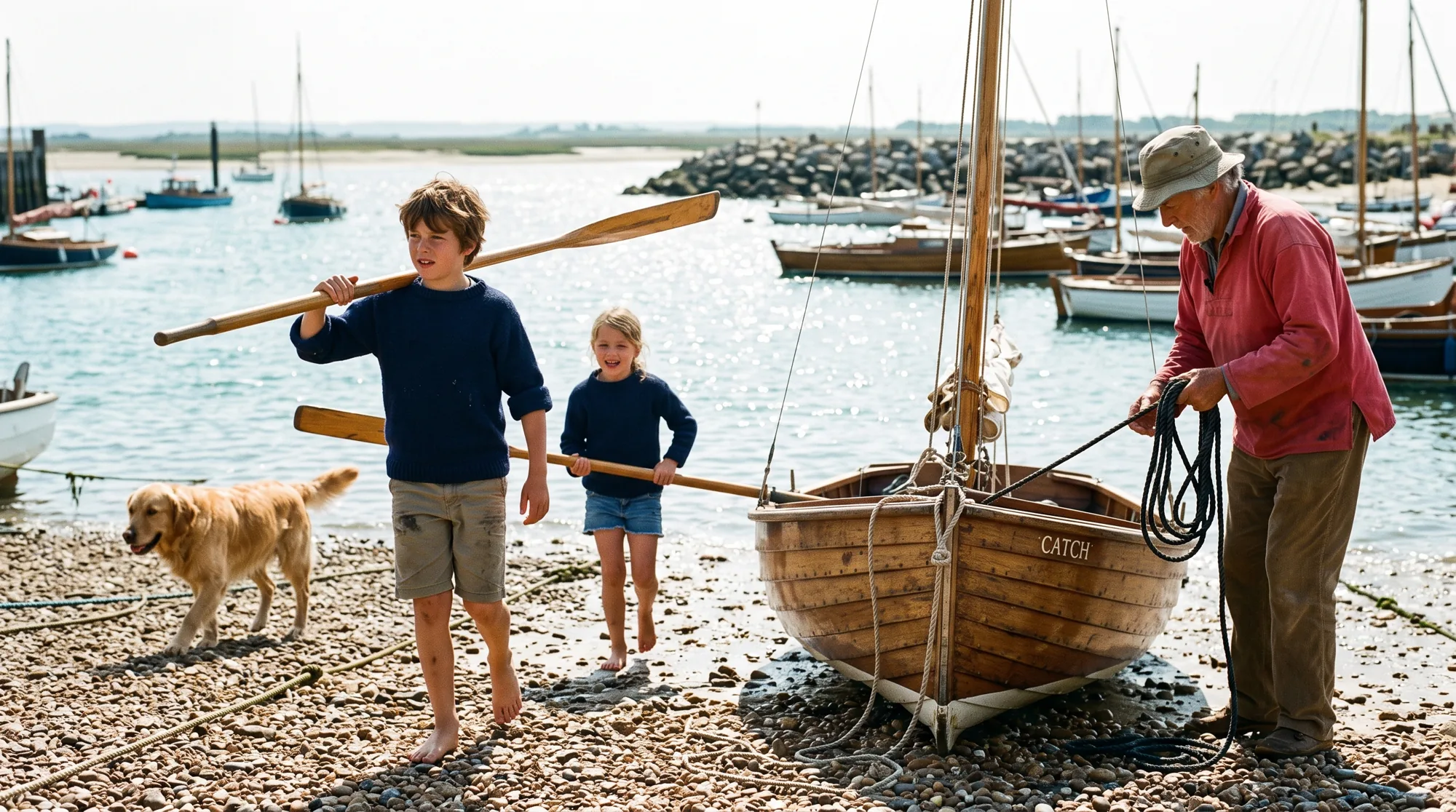
A quieter faction never crosses the Channel at all. It heads for the coast — north Norfolk, the Cornish estuaries, the west of Scotland by sea — to villages that look, quite deliberately, like nothing at all. The uniform is thirty years old: fraying guernseys, sailing smocks, a car full of dogs and damp towels. Cowes fills with serious sailors in the first week of August; after that, the serious money scatters to anchorages you’ve never heard of and won’t be told about.
This is the defiantly unglamorous August, and it might be the most confident of the lot. It takes a certain kind of security to spend the smartest month of the year somewhere with one shop. The children are given jobs — sails to fold, ponies to muck out, younger cousins to mind — because nothing in this world is more carefully manufactured than the appearance of a hardy childhood.
Where they absolutely are not
It’s worth being precise about the places this migration avoids, because the list is instructive. Not St-Tropez in August — that stopped being possible somewhere around 1973, and everyone who matters agrees to pretend it was earlier. Not Mykonos. Not anywhere with a beach club that has a brand partnership, a DJ before sunset, or a queue of any kind. Not, heaven forbid, anywhere new.
The rule underneath is simple: if a place is having a moment, old money has already left. A moment implies arrival, and arrival is the one thing this crowd never wants to be seen doing. The whole architecture of the quiet August — the borrowed moor, the unfashionable villa, the village with one shop — exists so that nobody can accuse anyone of turning up.
The wardrobe gives it away
You can read the whole system in the luggage. Nothing is new. The leather suitcases predate the airline weight limit and are carried in defiance of it. The swimwear is faded to colours no brand would sell. Jumpers are darned, deliberately visibly, because a mend says continuity in a way a label never could. If anything is purchased for August at all, it is bought in the village when the weather turns, which is half the reason the village shop survives.
The one item that is always immaculate: the wellingtons. Green, unbranded to the untrained eye, and replaced quietly every few years like a state secret.
How to tell the difference
The August of achievement is a long weekend, photographed. The August of inheritance is a month, undocumented. One counts experiences; the other counts repetitions — same month, same house, same faces, some of them on their fortieth consecutive year and still complaining about the mattresses.
If you’re ever unsure which one you’re looking at, count the photographs. The fewer there are, the older the money.
London, meanwhile, belongs to everyone else until September — which is either the price of admission or the best-kept secret of the whole arrangement, depending on where you’re standing. Worth knowing where everybody went, either way. Dying wondering would be worse.