


Exor’s economic stake in Iveco is 27.06 per cent. Its share of the votes is 43.19 per cent.
That gap is the Agnelli method in a single line, and John Elkann has agreed to give it away for nothing. Tata Motors opened an all-cash tender at $16.41 (€14.10) a share, valuing Iveco at about $4.4 billion, after the Italian regulator Consob approved the offer document. Exor has signed an irrevocable undertaking to tender its holding, worth roughly $1.2 billion, and to vote for the resolutions at an extraordinary general meeting on 16 October. On settlement, the special voting shares that converted barely a quarter of the equity into control go back to Iveco for no consideration, according to Billionaires.africa’s account of the undertaking.
Families like this one do not usually sell the machinery. They sell the shares and keep the levers.
Control was always the cheaper asset
Loyalty shares are the polite European instrument for owning less and deciding more, and Turin has used them well. The point of the Iveco transaction is not that a truckmaker changed hands, but that the Agnellis have priced their own control at zero and walked, on a published timetable, with a countersigned undertaking. Acceptances run to 26 October, with a possible five-day extension to 6 November.
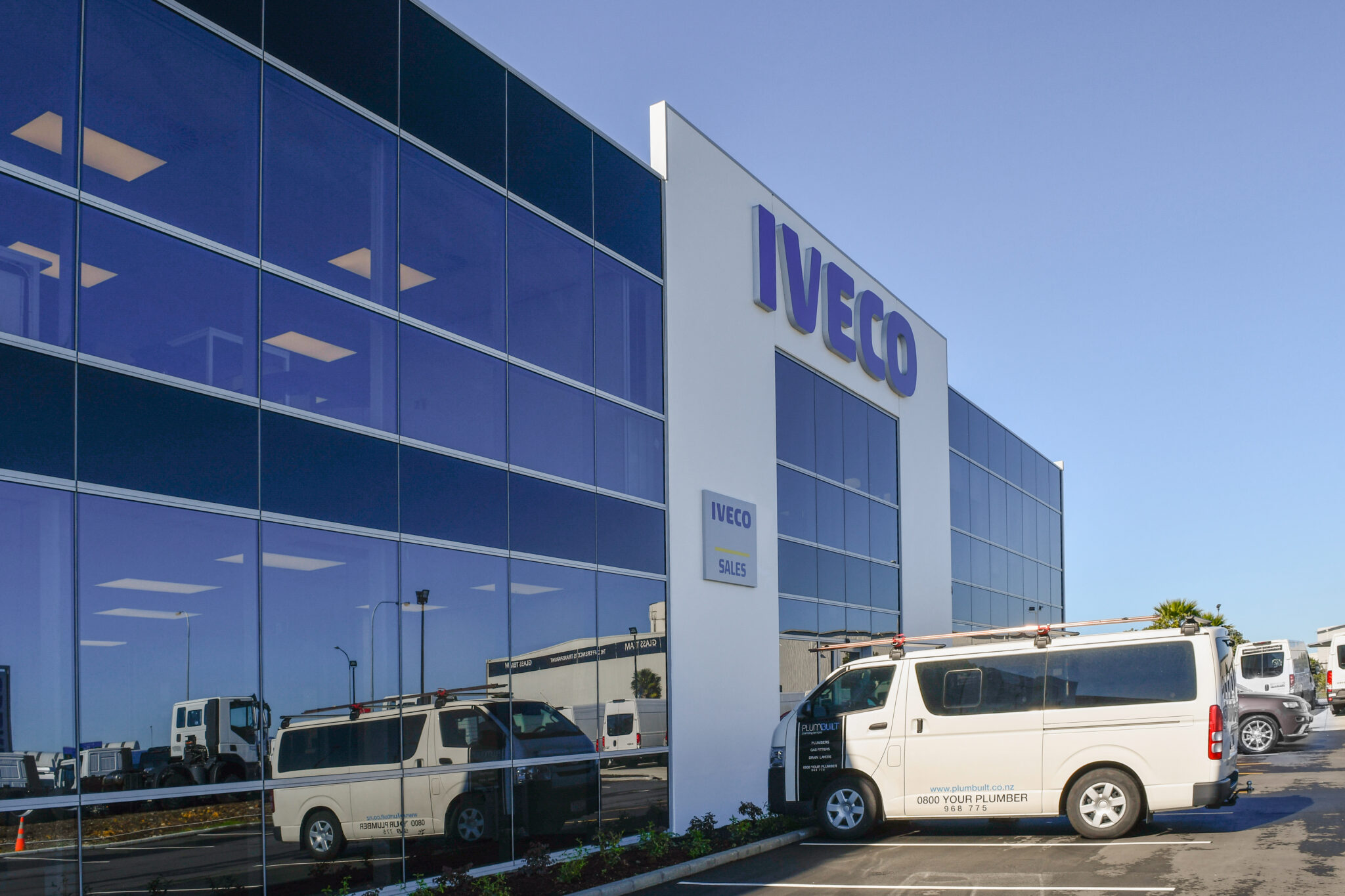
The mechanics have the tidy look of something drafted by people who intend to finish. The offer requires 95 per cent acceptance, falling automatically to 80 per cent if shareholders pass the Back-End Resolution at the October meeting; above 95 per cent Tata proceeds to a Dutch legal squeeze-out, and between 80 and 95 it intends a post-offer demerger and liquidation, the same source reports. Iveco board members holding about 0.14 per cent have also agreed to tender. Nobody is staying behind to see how it goes.
Tata is paying with money it has already lined up. Regulatory filings show fully committed bridge financing of up to €3.825 billion arranged through a syndicate involving Morgan Stanley Bank, Morgan Stanley Senior Funding and MUFG Bank. Girish Wagh, Tata Motors’ managing director and chief executive, has framed the combination as a globally competitive commercial vehicle business able to fund next-generation technology. On the numbers reported by Reuters, the enlarged group would sit alongside Traton and Volvo Group on global truck share, with roughly €22 billion in annual revenue.
Turin got its terms in writing
The Italian state cleared the sale conditionally on 31 October 2025, according to a parliamentary document cited by Reuters. The conditions read like a list dictated over a long lunch: headquarters to stay in Turin, jobs and production sites protected by binding non-financial covenants, no layoffs and no plant closures for at least two years, the existing board largely preserved with independent oversight.
The sensitive part had already been removed. Under terms agreed in July 2025, Iveco’s IDV and ASTRA defence businesses went to Leonardo in a separate €1.7 billion transaction, completed in March 2026 and excluded entirely from Tata’s acquisition perimeter. Defence, being defence, stays at home.
So the trucks leave with a two-year guarantee and a nameplate that remains in Piedmont. Il Fatto Quotidiano reported that between the Tata sale and the Leonardo carve-out, Exor stands to collect €5.5 billion in total. That is a considerable sum for a family that spent a century being told what its industrial obligations were.
Shopping with €3.5 billion
Iveco is not an isolated exit; it is one line in a year of subtraction. An analysis by The Investor’s Podcast counts Exor’s 2026 divestments as Iveco, GEDI, Lifenet and NUO, worth around €2 billion combined at a 1.4x multiple on invested capital. The GEDI sale, to the Greek group Antenna, was announced on the evening of 23 March, with the shareholder letter following immediately after: the family let go of its Italian newspapers and its trucks in the same calendar year, and issued a letter about it.
What replaces them is quieter and, on Exor’s own account, better behaved. The holding company increased its stake in Philips to more than 19 per cent over the course of 2025, an investment its shareholder letter says has delivered an annualised return of nearly 12 per cent. The same letter raises the war chest: liquidity available for investment of more than €3.5 billion, earmarked, in Exor’s phrasing reported by Il Sole 24 Ore, for a new significant investment similar in size and ambition to Philips. That letter also recorded net asset value down 13 per cent, to €33 billion.
Against that, The Investor’s Podcast puts Exor’s market capitalisation at roughly €14 billion, meaning the underlying assets trade at about a 60 per cent discount, with the Ferrari holding alone worth nearly the entire market value of the company. Exor controls around 20 per cent of Ferrari’s shares and roughly 30 per cent of its votes. When one asset is worth the whole house, the rest of the house starts to look like clutter.
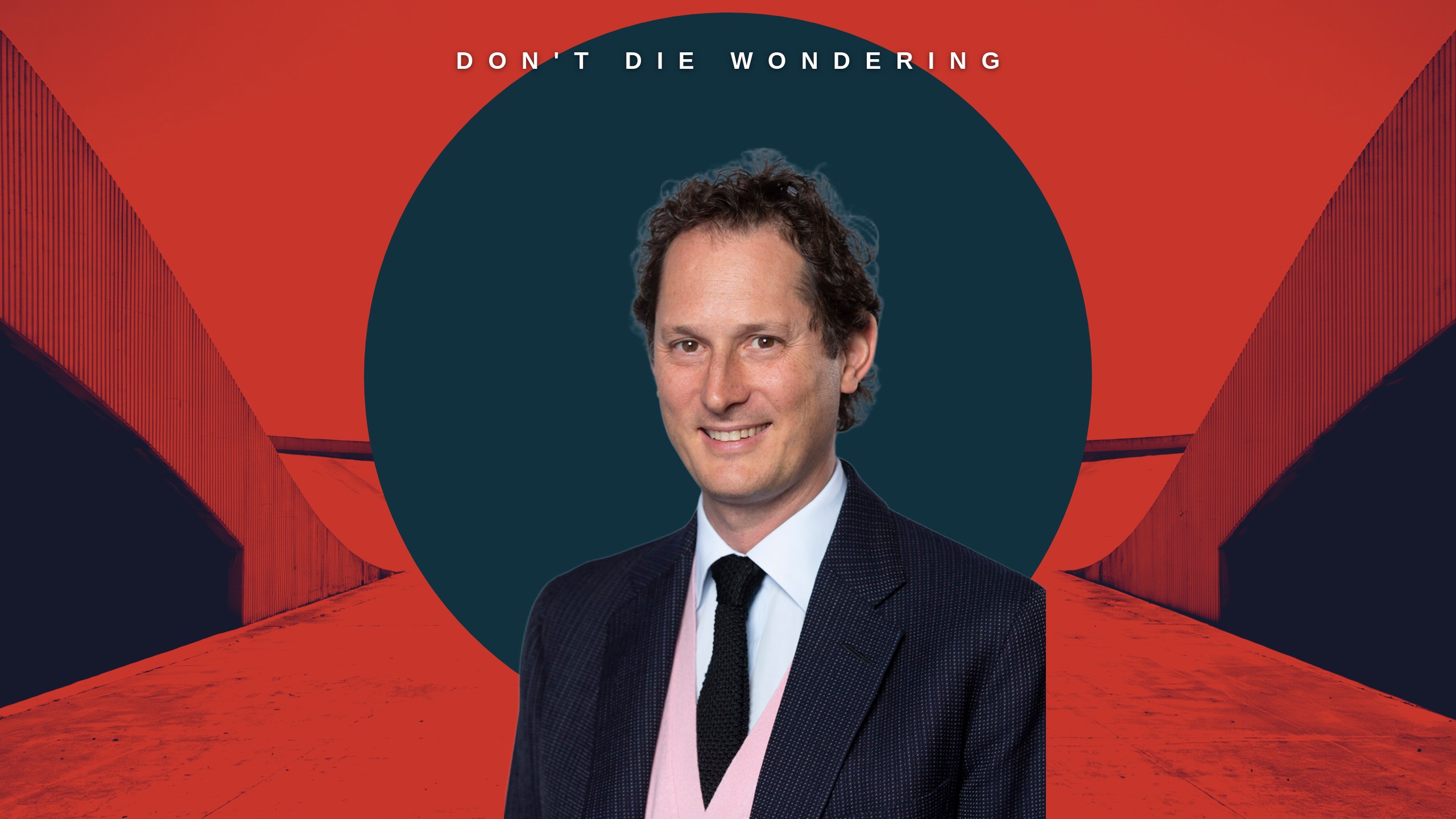
Elkann himself is chief executive of Exor, chairman of Stellantis and chairman of Ferrari, and ranks 1,676th on Forbes’ 2026 billionaires list. He became Gianni Agnelli’s chosen heir in 1997, after the death of Giovanni Alberto Agnelli, and has led the family since 2004. Two decades of that inheritance have been spent in lawyers’ offices. In September 2025, Bloomberg reported that John, Lapo and Ginevra Elkann paid €183 million to Italy’s revenue agency to settle a probe into their grandmother Marella Caracciolo’s estate, valued at around €800 million; Elkann agreed to a year of community service as part of the resolution. Under Italian law the settlement carries no admission of guilt, and a spokesperson said it was concluded without any admission, not even tacit or partial. A separate civil inheritance case remains before the courts in Turin, pitting Margherita Agnelli, who inherited €1.2 billion, against three of her eight children, including her eldest.
Read the divestments next to that record and a pattern appears. An empire of loyalty shares, family pacts and national-interest assets is expensive to inherit and slow to divide. Cash in Amsterdam is neither. Elkann is converting a structure that required a dynasty to operate into one that requires a bank account.
The votes go back to Iveco on settlement day, and Tata pays nothing for them.
Cover photograph: Marco Alfa via Wikimedia Commons (CC BY-SA 2.0).