



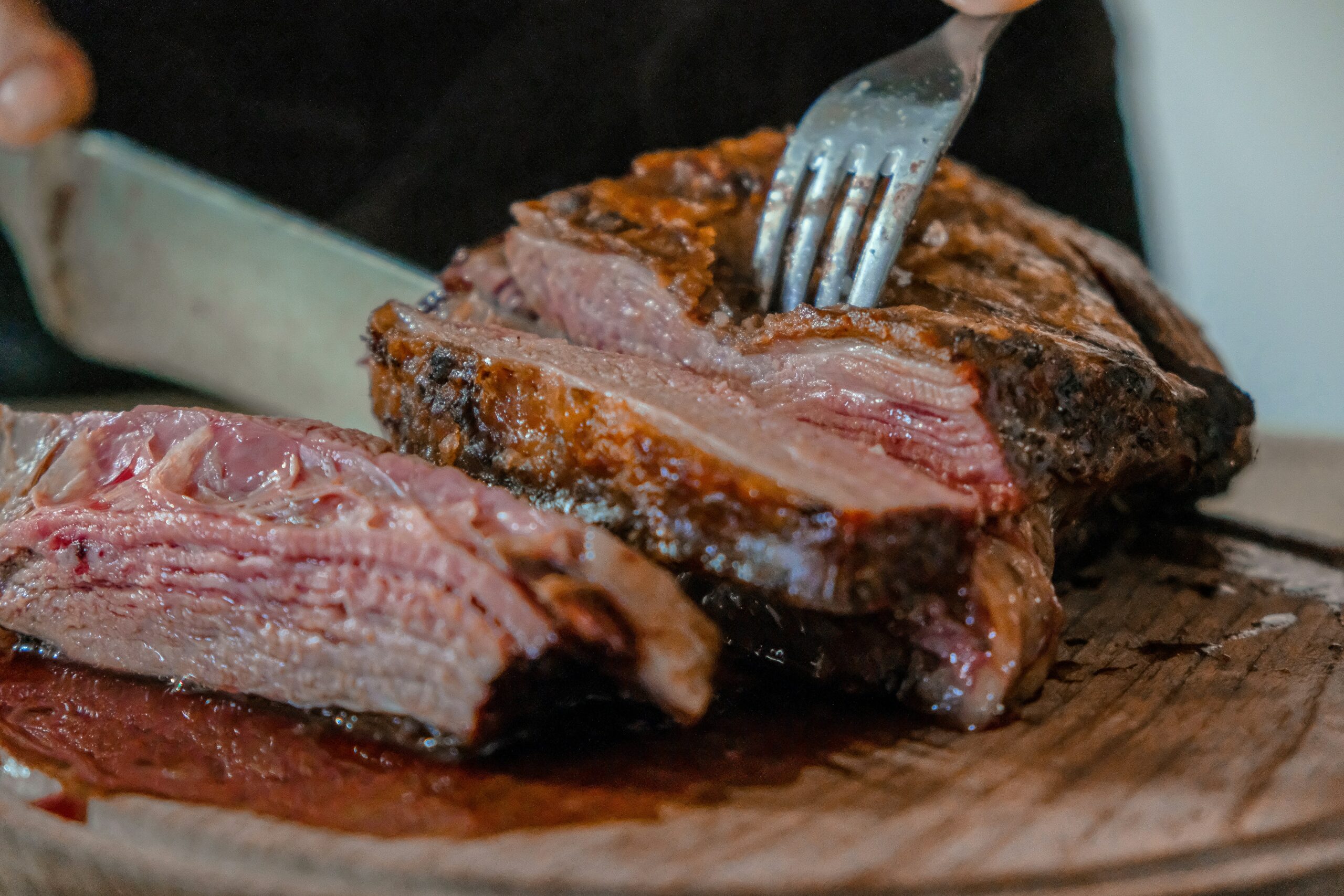
Banner image courtesy of José Ignacio Pompé
A first-rate steak crust is built through control of moisture, heat, timing, and surface contact. Skilled cooks treat searing as a precise cooking event with visible, audible, and aromatic cues. The goal is a dark brown exterior with a dry, fragile snap, while the center stays supple and moist. Each stage, from drying the cut to resting after cooking, affects protein tightening, fat rendering, and the final texture on the plate.
Dry Surface, Better Browning
Anyone comparing steak restaurants Greensboro, NC, can spot crust quality quickly, because color, aroma, and surface texture reveal kitchen skill. Strong browning starts before seasoning meets the meat. A dry exterior, controlled heat, and patient early contact determine whether the outside forms a crisp shell or remains gray, damp, and soft.
Heat Must Be Ready First
Hot metal matters more than many home cooks expect. A steak placed on a barely heated pan sheds moisture faster than the surface can brown. Steam then collects, which slows crust formation and weakens color. Skilled kitchens preheat until the pan gives clear signals: a faint shimmer, light smoke, and immediate sizzling on contact.
Moisture Is the Main Rival
Surface water is the main obstacle to good searing. Cooks blot steaks thoroughly, then leave them uncovered for a short period when extra drying helps. That brief air exposure reduces free moisture without affecting internal juiciness. Once the cut meets the pan, less water means faster browning, cleaner flavor, and a firmer outer layer.
Salt Timing Matters
Salt does more than season the meat. Applied at the right moment, it supports browning by helping the exterior dry in a controlled way. Added too late, it can sit unevenly and leave wet patches. Left too long, it changes the surface texture. Skilled kitchens choose a timing method, then repeat it with consistency.
Fat Helps Transfer the Heat
A thin film of high-heat fat improves contact between the steak and the cooking surface. That layer fills tiny gaps and helps energy move evenly across the meat. Excess oil can pool, spit, and soften the sear. Too little oil leaves pale patches. Good cooks use only enough to support browning without masking direct heat.
Thickness Changes the Approach
Cut thickness shapes the whole searing plan. Thin steaks can brown quickly, yet they often overshoot the desired internal temperature before the crust deepens enough. Thicker portions give cooks more control over exterior color while protecting the center. For that reason, strong kitchens adjust pan temperature, finishing method, and timing according to the steak in front of them.
Contact Counts
Full contact produces a more uniform crust. If a steak arches slightly, cooks may press it gently for a second to flatten it. That brief correction improves contact across the surface. Repeated pressing does the opposite, because it drives juices out and interrupts steady browning. Proper technique uses pressure once, then leaves the meat alone.
Movement Can Ruin the Set
A crust needs uninterrupted contact to form its first stable layer. Moving the steak too early can tear the surface and strip away color before it sets. Skilled cooks watch for the natural release instead of forcing the turn. When browning has developed properly, the meat loosens from the pan with much less resistance and retains a better crust.
Browning Is Built in Stages
A dark crust should taste savory, not charred. That result comes from building color gradually, rather than pushing hard for darkness in one pass. Cooks often look for a deep golden brown before taking it further. This staged approach preserves the meat’s natural richness and keeps bitter compounds from overpowering the flavor of the finished steak.
Butter Comes Later
Butter adds aroma, gloss, and a gentle nuttiness, yet it burns quickly at high heat. Many skilled kitchens wait until the crust has already formed before basting with butter, herbs, or garlic. That timing keeps milk solids from blackening too soon. It also lets the seared surface stay crisp while the fat adds fragrance near the end.
Resting Protects the Crust
Resting does more than hold juices inside. It also preserves the exterior that the cook worked hard to build. Slicing too soon releases steam and liquid rapidly, which can soften the browned surface within seconds. A short rest steadies internal pressure, keeps the outside drier, and helps the crust remain intact during carving and plating.
Equipment Still Needs Judgment
Heavy pans, open grills, and overhead broilers can all produce an excellent crust. Equipment alone, though, does not guarantee quality. Cooks still rely on judgment, using sound, aroma, color, and resistance as live signals. Those cues show whether the steak should stay put, turn, baste, or come off the heat before any timer can.
Conclusion
The best seared steak crust comes from disciplined cooking, rather than luck. Skilled kitchens manage drying, salting, heat transfer, surface contact, and resting as linked parts of one process. Each decision affects color, texture, and flavor at the next stage. Diners notice the crisp exterior first, yet that final bite reflects a chain of careful actions that began well before the steak ever touched the pan.