



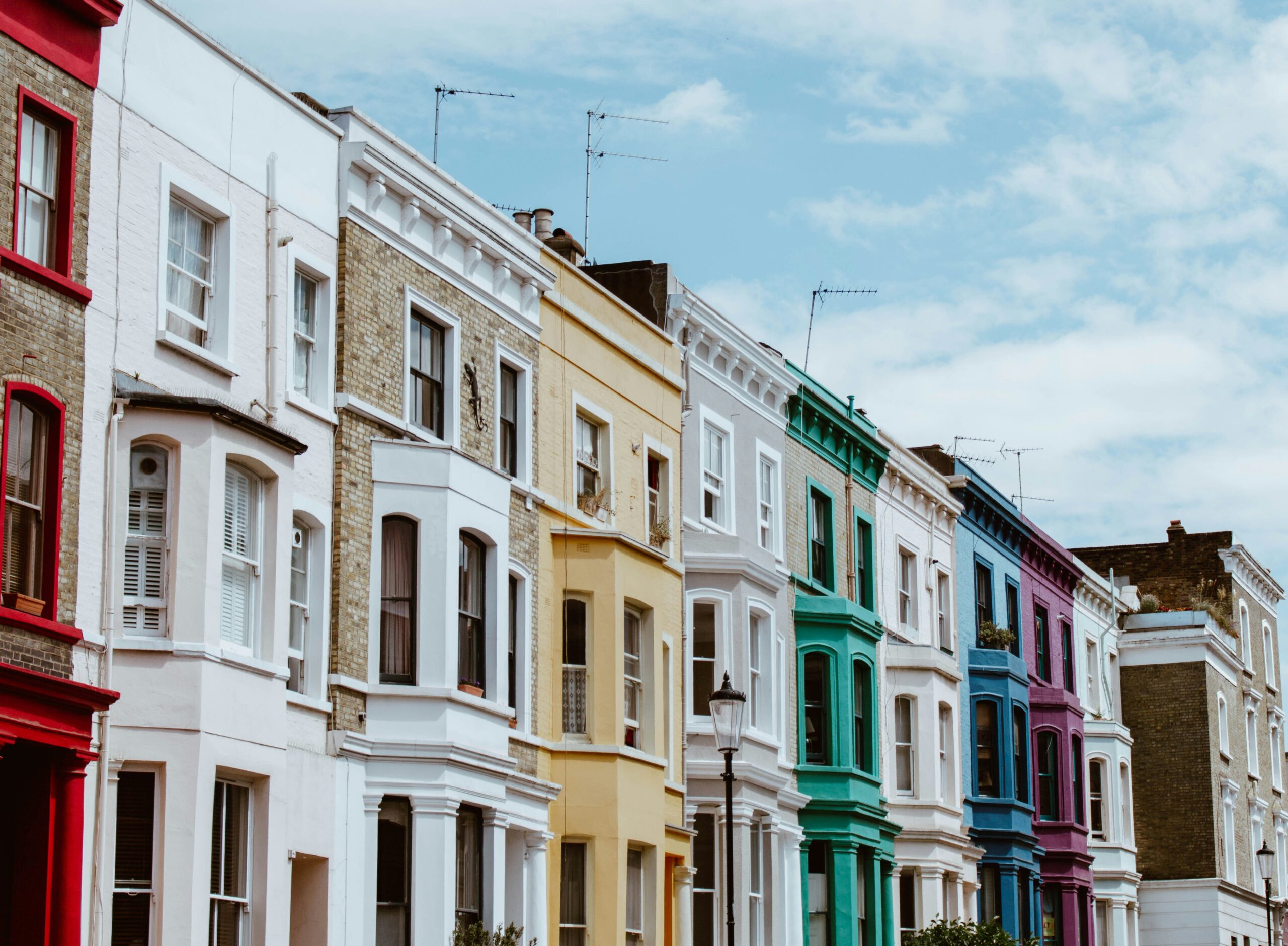
Banner image courtesy of Bethany Opler
For decades, purchasing a home in the capital was dictated by rigid, traditional metrics: maximising square footage or ensuring proximity to a specific Tube line for the daily office commute.
However, a significant shift in buyer motivations has emerged. Today, Londoners are increasingly embracing lifestyle-led property buying, prioritising how a home integrates with their daily well-being and long-term personal happiness over conventional brick-and-mortar statistics.
Understanding Lifestyle-Led Property Buying
Lifestyle-led property buying refers to a mindset in which the property itself is viewed as a holistic foundation for one’s everyday routine. Buyers are actively seeking spaces that align with their values rather than adjusting their lives to fit a building.
Modern priorities have pivoted toward development amenities, communal cohesion, and physical well-being. A prime example of this trend is the Verdica Camden development by Countryside Homes.
Instead of offering standard, uniform flats, these new homes are deliberately designed around a tranquil, landscaped residents’ courtyard. This creates a peaceful wellness sanctuary that seamlessly bridges the gap between private relaxation and the surrounding neighbourhood’s energetic, creative lifestyle.
Key Motivations Behind the Shift
Hybrid and remote working models have boosted this structural change. With professionals spending significantly more time inside their own four walls, the boundary between professional and personal life has dissolved.
The demand for a healthy work-life balance has surged as a result. Buyers are no longer willing to sacrifice access to green open spaces, local independent coffee shops, and vibrant social opportunities. The home is no longer just a place to sleep after a long day in the City; it must serve as both an efficient office and a base in a fulfilling local community.
How Developers Are Responding
Property developers across the capital are adapting their strategies to satisfy these sophisticated demands. Rather than focusing solely on internal dimensions, modern blueprints now give immense weight to shared lifestyle features. New developments regularly feature dedicated co-working lounges, secure bike storage, concierge services, and integrated rooftop gardens.
Marketing campaigns have similarly evolved: instead of just listing bedroom counts and kitchen specifications, developers are telling a story about the day-to-day experience of living in the neighbourhood, emphasising health and connectivity.
The Future of London’s Property Market
Over the next five years, lifestyle-led buying is set to dictate the trajectory of London’s residential development. As buyers continue to demand homes that support a high quality of life, older, inflexible properties may face tougher competition from forward-thinking new-builds. While balancing premium lifestyle features against affordability remains a challenge for the market, the opportunities are vast.