


Banner image courtesy of Cat Han
We all have a vision of what a great gathering looks like. Maybe it’s a sprawling dinner party, maybe it’s just a cozy movie night with a few close friends. In either case, the home itself plays a crucial, quiet role. It’s the setting, the container for the memories we’re trying to make. But often, the design choices we make, or inherit, don’t quite align with the life we want to live. Our homes can feel more like museums or places to simply sleep, not vibrant hubs for connection.
This feeling, that your home isn’t quite ready for company, is a common experience. We see beautiful, minimalist spaces online and assume that’s the gold standard, but the truth is, a truly modern home is one that serves the people in it. It’s got to be beautiful, yes, but it must also be functional, comfortable, and most importantly, reflective of your own personality and priorities. Modern hosting isn’t about perfect linens or complicated recipes; it’s about intentional design that makes both you and your guests feel completely at ease.
The Myth of the “Perfect” Space
Before we talk about design changes, we’ve got to address the mental barrier. So many people avoid hosting because they believe their space isn’t grand enough, clean enough, or stylish enough. They wait for the perfect moment or the perfect renovation that may never come. This is a profound misunderstanding of what hospitality truly is.
Hospitality is an offering of self, a welcoming into your real life. Your home doesn’t need to look like it belongs in a magazine. It needs to look like your home, the place where you genuinely live. When you focus too much on perfection, you create a sterile environment. Guests feel obligated to tiptoe around, and you spend the entire evening policing crumbs instead of connecting with people.
The design goal, then, is not perfection. The design goal is flow and feeling.
Creating Flow: Where Walls Come Down
In the past, homes were organized into rigid, separate compartments: a formal living room, a closed-off kitchen, and a separate dining room. This worked for a more formal, structured society, but it actively works against modern, casual hosting. Think about the last time you hosted a small party. Where did everyone end up? In the kitchen, watching you cook, or clustered awkwardly in a doorway.
Modern design embraces the open concept for a reason. It’s because it encourages the mingling that makes gatherings successful. When the kitchen and the main living space are connected, the host is never isolated. Guests can talk to the cook, and the energy remains centralized.
If a full structural renovation to achieve an open concept isn’t feasible right now—and for most of us, it isn’t- there are other ways to improve flow:
- Rethink Furniture Layout: Move large pieces away from doorways or main pathways. Create smaller, conversational groupings instead of one giant, sprawling arrangement.
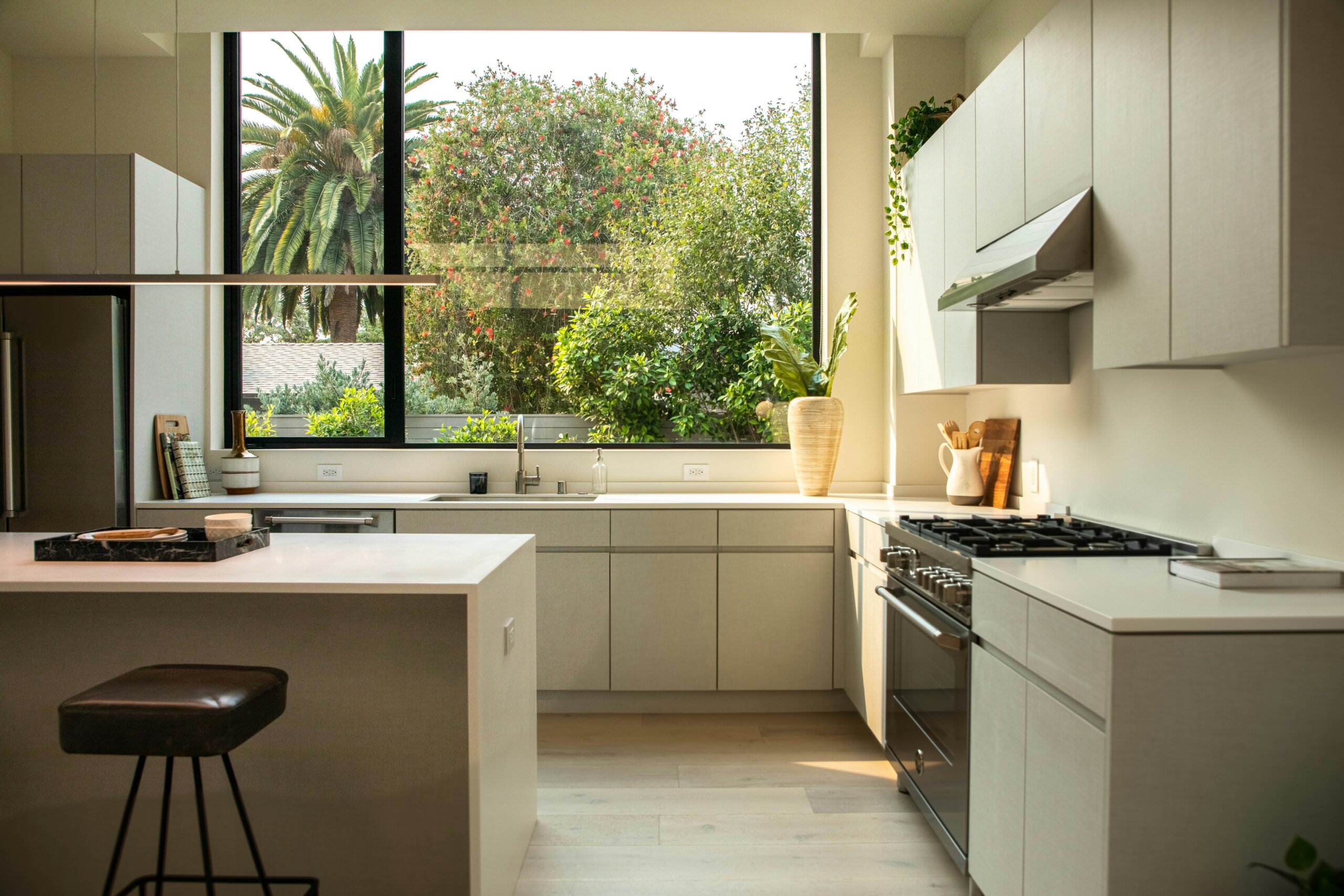
- The Kitchen as a Gathering Point: If your kitchen counter is where everyone stands, lean into it. Add comfortable, well-designed bar stools. Make the counter surface clear and inviting, essentially turning it into an impromptu bar or buffet area.
- Visual Continuity: Use the same or complementary color palettes and flooring across connected rooms to make them feel like a single, cohesive space.
Sometimes, achieving this flow might require a significant financial investment, like a structural change or a major kitchen overhaul. This is where many homeowners pause, feeling constrained by existing mortgages or savings. But if the goal is truly to live in a home that supports the life you want, exploring funding options can be a smart, strategic move. One option is to approach the project in phases, start with the changes that unlock the biggest shift in how the space feels (lighting, seating, sightlines), and let the bigger upgrades follow when the timing is right. For homeowners who want to move sooner without draining every savings bucket, flexible home equity loan terms can make it easier to match the cost of a meaningful improvement to a monthly payment that still leaves breathing room. The point isn’t to chase a magazine-perfect reveal; it’s to create a home that makes saying “come over” feel effortless.
Layering in Comfort: The Tactile Elements
Once the flow is established, the next layer is comfort. A gathering-ready home is one that encourages people to sit down, put their feet up, and stay a while. This is where the tactile elements come into play.
- Seating Depth: Look for deep, comfortable couches and chairs, not stiff, purely sculptural pieces.
- Lighting: Harsh, overhead lighting kills warmth. Invest in layered lighting: lamps, sconces, and dimmers. Use warm-toned bulbs (around 2700K) to cast a flattering, inviting glow.
- Texture: Introduce textures that beg to be touched—a soft velvet throw, a woven rug, wooden or stone surfaces. Texture makes a room feel rich and personal.
This is the anti-minimalist move. It’s less about having nothing on the surfaces and more about having meaningful things that create a sense of history and belonging.
Maintaining Your Vibe: Personality in the Details
The final, essential stage in modern hosting design is ensuring the space still feels distinctly yours. A gathering-ready home shouldn’t feel generic, like a hotel lobby. Your personality should be present everywhere.
- Display Your Passions: Do you love books? Let them spill onto the floor. Do you collect art or unique ceramics? Give them pride of place. These items are conversation starters. They offer your guests a peek into your inner world.
- The Unscripted Corner: Dedicate a small area to a slightly imperfect, lived-in feel. A shelf of mismatched mugs, a reading chair with a stack of magazines. This signals that not everything must be perfect, giving guests permission to relax.
- The Host’s Station: Designate a simple area—a small side table, a bar cart—that is entirely devoted to the act of hosting. This might hold the drink pitcher, the bottle opener, and some small plates. This intentionality simplifies your work and makes guests feel well-tended.
The ultimate goal of modern hosting design is to create a backdrop for connection, not a showcase for stuff. By prioritizing flow, layering in deep comfort, and weaving in your personal story, you transform your house from a dwelling into a dynamic home. You’ll find that when your home genuinely supports the act of gathering, you’ll naturally want to host more, because the friction has been removed. The design is doing the work for you, leaving you free to focus on the people who matter.
It’s an investment in your social life, your relationships, and your happiness. And that’s a renovation worth making.