
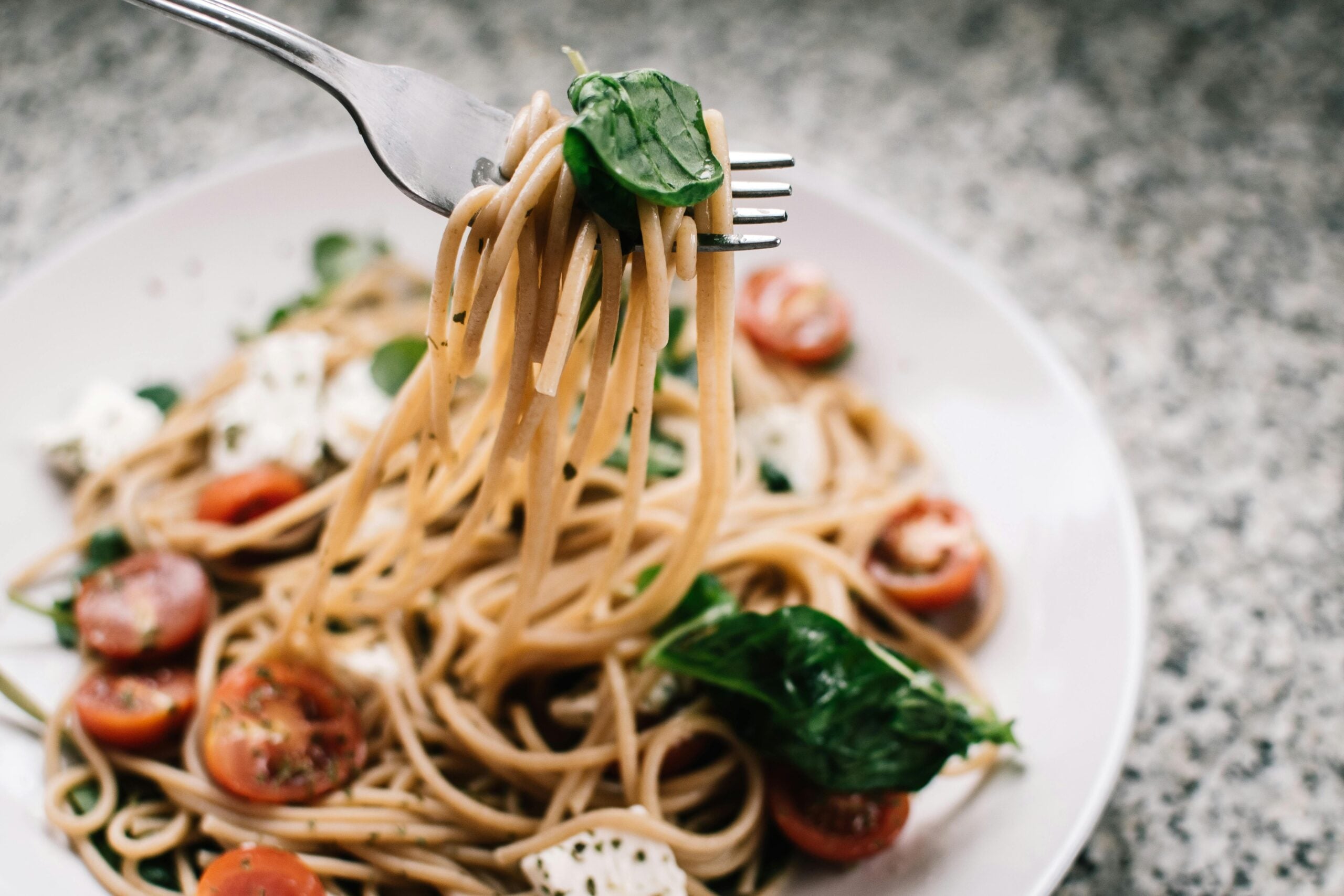
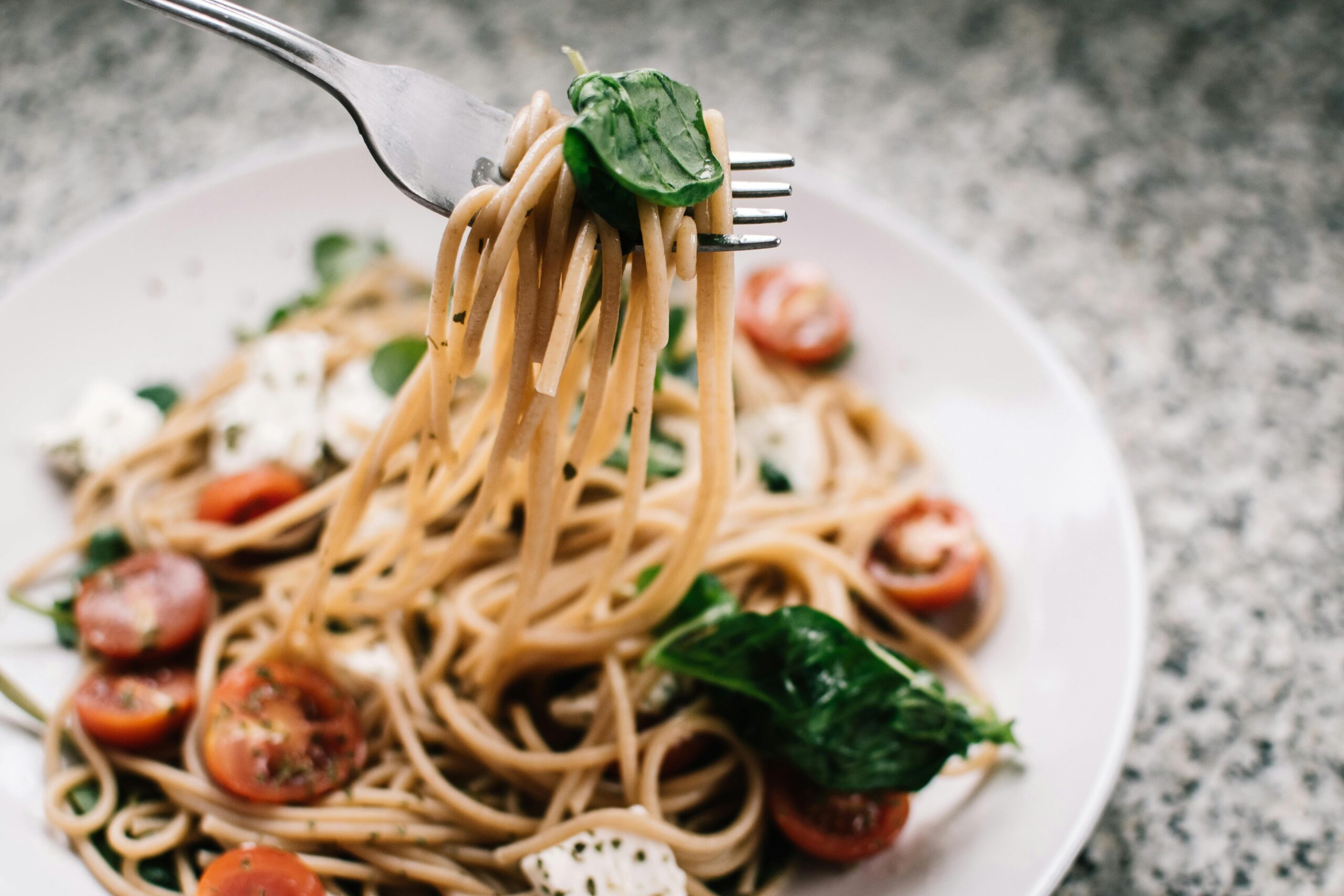
Banner image courtesy of Lisa from Pexels
Traveling to a new destination opens up a world of possibilities, but perhaps no experience captures the essence of a place quite like its food.
While traditional sightseeing focuses on monuments and museums, food tours offer something far more intimate and authentic: a direct connection to the heart and soul of a city through its culinary traditions.
From bustling street markets to hidden neighborhood gems, food tours provide travelers with an unparalleled window into local culture, history, and community life.
A Journey Through Culture on Every Plate
Food is culture distilled into its most essential form. Every dish tells a story of migration, adaptation, trade, and tradition that spans generations. When you participate in a food tour, you’re not just sampling local cuisine; you’re experiencing living history.
The spices used in a particular curry might reflect ancient trade routes, while a seemingly simple sandwich could represent waves of immigration that shaped a neighborhood’s identity.
Food tours allow travelers to understand cultural nuances that guidebooks simply cannot convey. The way locals interact with street vendors, the ritual of sharing meals, the pride that small restaurant owners take in their family recipes – these experiences provide genuine insights into how communities function and what they value.
Unlike museum exhibits that preserve culture behind glass, food tours let you participate actively in cultural traditions, making you a temporary member of the local community rather than just an observer.
Discovering Authentic Local Experiences
One of the greatest challenges facing modern travelers is distinguishing between authentic local experiences and commercialized tourist attractions. Food tours excel at breaking down this barrier by taking participants to establishments that locals actually frequent.
Professional food tour guides possess insider knowledge that takes years to develop, knowing which family-run restaurants serve the best traditional dishes and which markets offer the freshest ingredients.
These tours often venture into residential neighborhoods where tourists rarely tread, revealing the everyday dining spots that form the backbone of local food culture.
You might find yourself in a hole-in-the-wall taco shop that’s been serving the same community for decades, or sampling homemade preserves at a farmers market where vendors know their customers by name. These authentic encounters create memories that far surpass any restaurant recommendation found in travel magazines.
Understanding Regional Specialties
Every destination has its own unique relationship with geography, climate, and available ingredients that shapes its culinary identity.
When visiting a city like Orlando for the first time, for example, you would definitely have seafood on your culinary agenda, and have plans to visit the best sea food spots in the city like Big Fin Seafood Kitchen, and Ocean Prime, etc., because it’s a coastal city and Floridians are seafood lovers.
So depending on the city you’re going to, try to know the food culture and make a list of what to try out. Food tours excel at explaining these regional connections, helping travelers understand why certain ingredients predominate in local cuisine and how geographical factors influence cooking methods.
In coastal cities, you’ll learn about fishing traditions and seasonal seafood availability. In mountain regions, guides might explain how altitude affects cooking techniques or why certain preservation methods developed. Agricultural areas showcase the journey from farm to table, while urban centers often highlight fusion cuisines that emerge from cultural diversity.
Social Connections and Shared Experiences
Food has an extraordinary power to bring people together, and food tours capitalize on this universal truth. Unlike solitary sightseeing activities, food tours create natural opportunities for social interaction among participants.
Sharing meals breaks down barriers between strangers, encouraging conversation and connection that might never occur during traditional tourist activities.
These shared culinary adventures often result in lasting friendships and travel companions for exploring other parts of the city. The communal aspect of food tours mirrors how locals actually experience their cuisine – as a social activity that strengthens community bonds. Participants frequently exchange recommendations, share travel stories, and create informal networks that extend far beyond the tour itself.
Moreover, food tours facilitate meaningful interactions with local vendors, chefs, and restaurant owners who take pride in sharing their culinary heritage. These conversations provide personal perspectives on local life, current events, and cultural traditions that no guidebook can replicate. The informal atmosphere of sharing food creates opportunities for genuine cultural exchange that enriches both visitors and locals.
Practical Benefits
From a purely practical standpoint, food tours offer remarkable efficiency for travelers with limited time. Instead of spending hours researching restaurants, deciphering menus in unfamiliar languages, or wandering aimlessly in search of good food, participants can sample multiple cuisines and establishments in a single organized experience.
This efficiency allows travelers to make informed decisions about where to return for full meals later in their visit.
Food tours also solve common practical problems faced by solo travelers or those unfamiliar with local dining customs. Guides can explain ordering procedures, recommend portion sizes, and help navigate cultural etiquette around dining. This guidance proves especially valuable in destinations where dining customs differ significantly from visitors’ home cultures.
Additionally, many food tours include visits to markets and specialty shops where participants can purchase ingredients or products to take home.
Guides can recommend the best vendors, explain how to transport perishable items, and suggest ways to recreate local flavors after returning home. This shopping component extends the food tour experience well beyond the actual tour duration.
Creating Lasting Memories Through Sensory Experiences
Food engages all the senses in ways that visual sightseeing simply cannot match. The aroma of spices in a bustling market, the sound of sizzling street food being prepared, the texture of fresh bread, the visual presentation of artistic plating – these multisensory experiences create powerful memories that remain vivid long after other travel experiences fade.
Food tours transform eating from a necessity into an adventure, turning each meal into a discovery.
The combination of novel flavors, cultural learning, social interaction, and exploration creates complex, layered memories that capture the essence of a destination more completely than photographs or souvenirs ever could.
Conclusion
For travelers seeking authentic, educational, and deeply satisfying ways to explore new destinations, food tours represent the perfect synthesis of cultural immersion, practical efficiency, and pure enjoyment.
They transform the simple act of eating into a comprehensive cultural education, making every bite a step deeper into understanding what makes each city unique and memorable.