

Nude Project: from a dorm room project to an internationally recognized streetwear brand.
Every fashion brand has to start somewhere, but few start with two complete strangers, 600 euros, and a college dorm room. Or so you think. Spain’s Gen-Z fashion market is full of “grassroots” labels exploiting social media for accessible marketing, and it seems to be working. Benefiting from something that many major labels seem to lack, Gen-Z are uprooting the way labels are born, making clothes by themselves, for themselves. And whilst we have seen it happen in many successful companies in the Spanish market, namely Eme Studios, Cold Culture, or Disorder Wave, none have managed to tap into the market quite as well as Nude Project.
Beginnings and Founders’ Vision
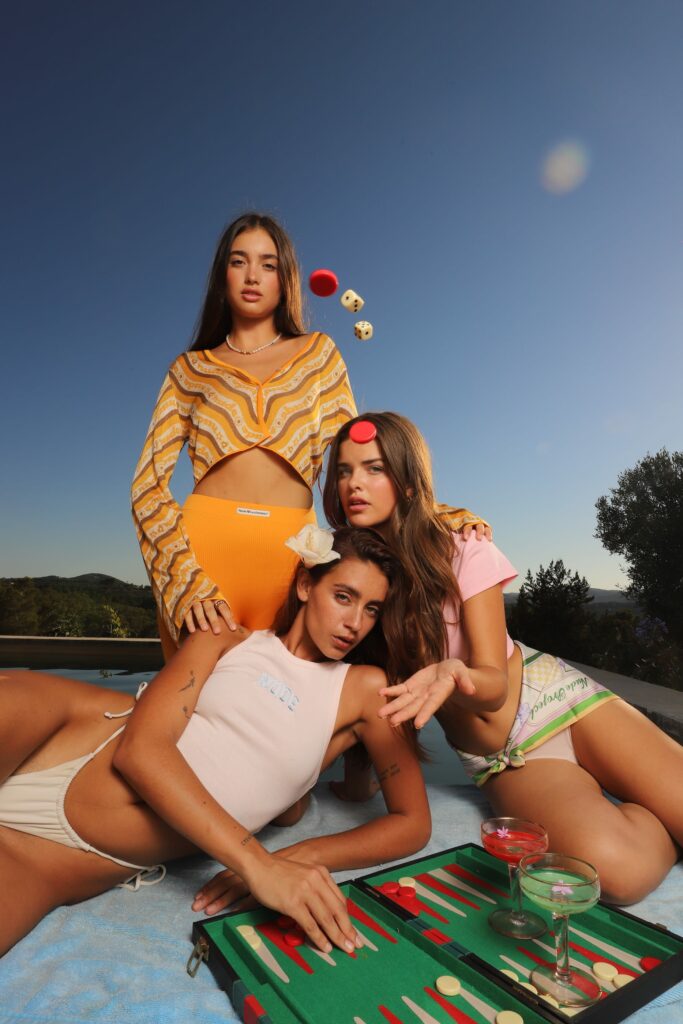
Nude Project was established in 2019 as an independent streetwear clothing brand in Barcelona by Bruno Casanovas and Àlex Benlloch. The founders, both born in 2000, met through social media and shared little more than a birth year, but set off in creating a streetwear fashion community they could identify with. With an initial investment of just 600 euros (300 each), they began designing and selling their clothing, initially to friends and acquaintances.
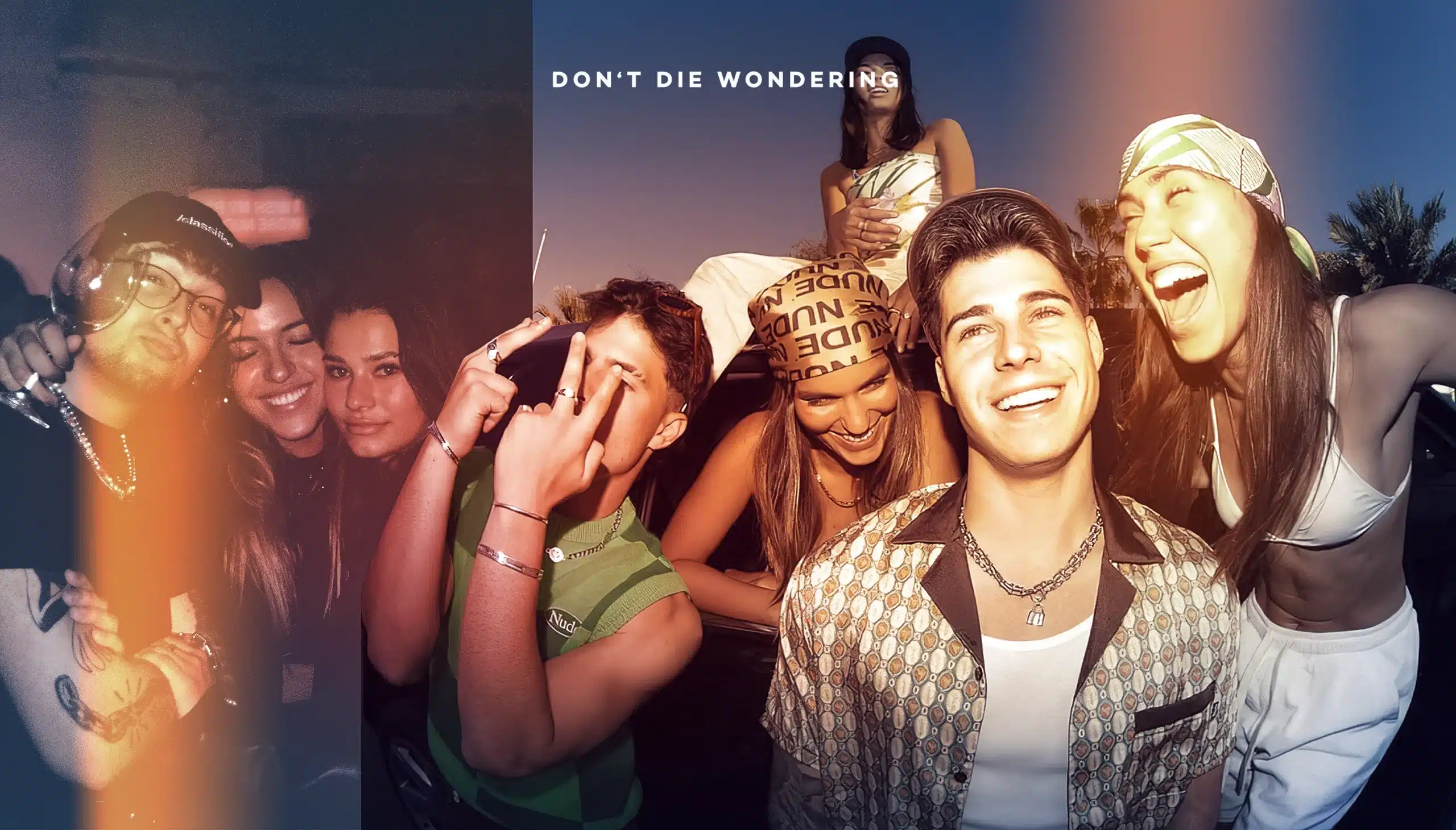
The brand quickly gained popularity, largely due to its effective use of social media, particularly Instagram, where the brand was quick to go viral. Tapping into a market Spain was deficient in, they combined their savvy understanding of Gen-Z trends through eye-catching posts. These then evolved into collaborations with key figures in urban music, such as Rauw Alejandro and trap artist Kidd Keo, which is how the brand expanded its reach and solidified its presence.
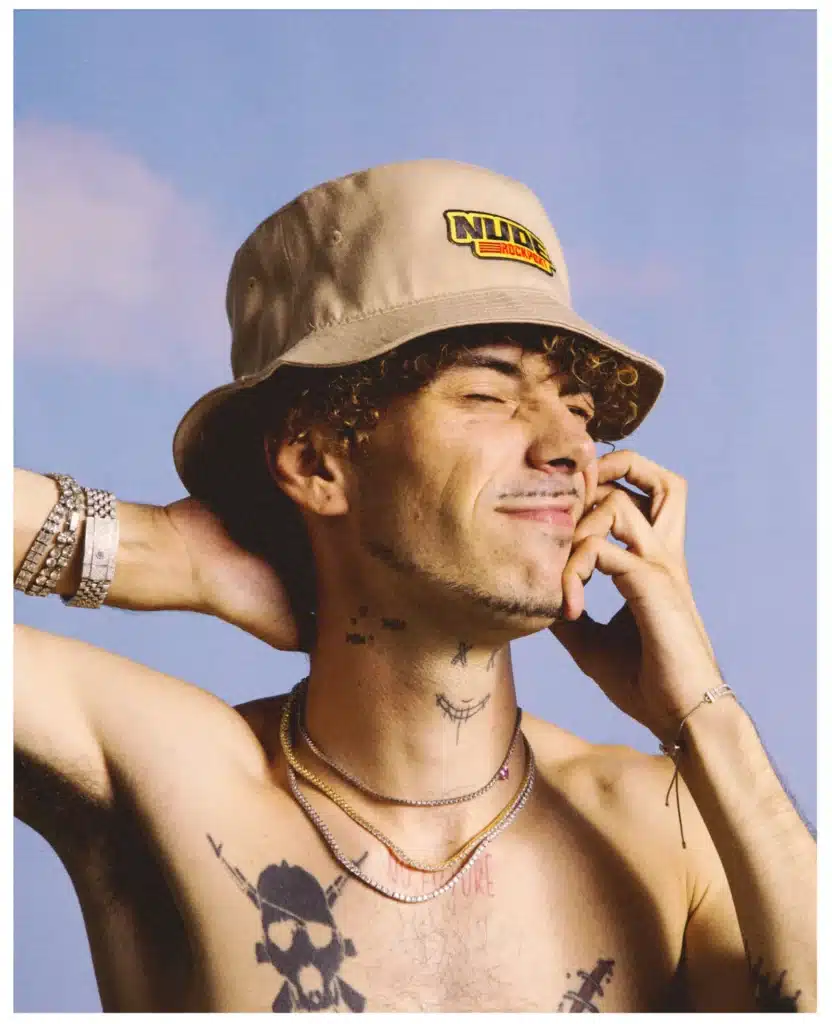
Later down the line, celebrities like Bad Gyal, Quevedo, and the director and actor Paco León also wore their clothing, contributing to the brand’s growth and popularity.
Not Just a Brand, but a Lifestyle
Today, Nude Project has left the online realm and ventured into several physical stores, opening locations in Madrid, Valencia, and other major Spanish cities. However, their approach to physical shopping – an act that is arguably becoming less lucrative – resembles more that of an artist on tour than a traditional fashion label. Their strategy involves pop-up events across Spain, rather than permanent brick-and-mortar stores, which taps into hype culture, and society’s need for the unexpected.
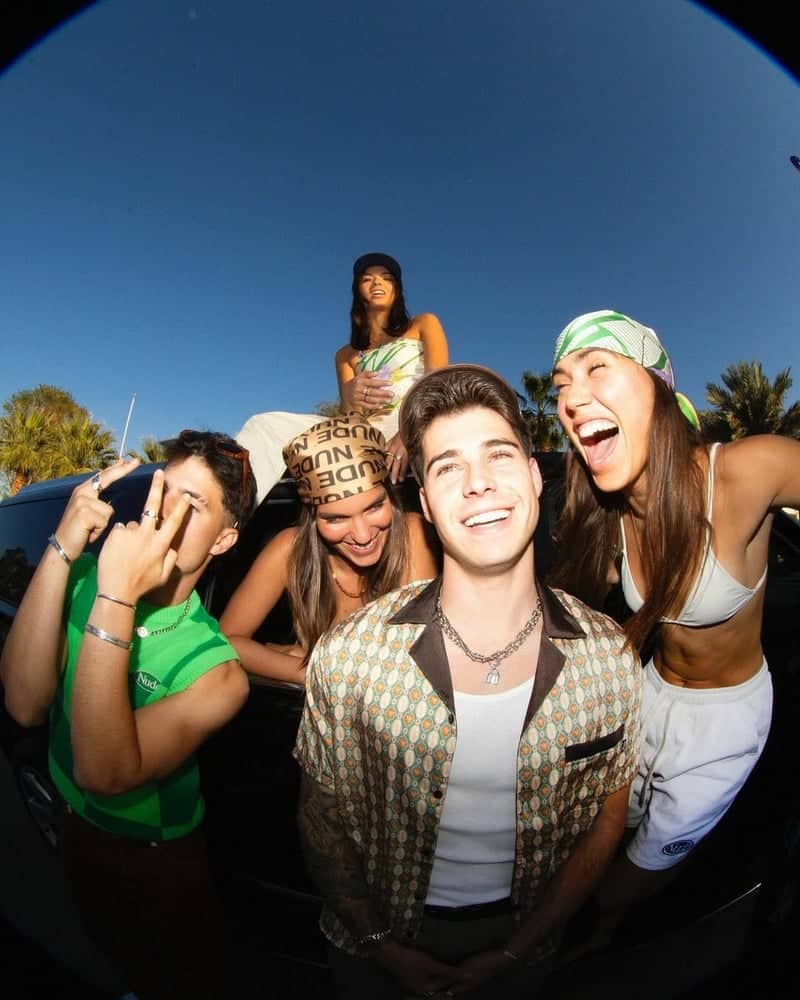
But it’s not just clothing. We told you a year ago, that fashion is no longer confined by the realms of stitches and fabric; a brand is nothing without its lifestyle. For Nude Project, this takes the form of a popular podcast helmed by the brands’ founders, where they invite personalities from various sectors to discuss current topics. The Nude Project podcast has featured various notable personalities such as Nacho Vidal, Frank de la Jungla, Quevedo, Aitana, Juan Magan, “Pequeño Nicolás”, and Marc Gasol.
Analysing The Marketing
Nude Project’s meteoric rise in the fashion industry can be attributed to its masterful deployment of digital marketing strategies that resonate deeply with the digitally savvy Gen Z demographic. At the heart of its success is the brand’s adept use of social media, particularly Instagram, to build a vibrant and engaged community around its streetwear offerings. By leveraging social media platforms not just for marketing but as a channel for storytelling, customer engagement, and community building, Nude Project has created a brand that feels personal and relatable to its audience. Its strategic use of influencer partnerships, innovative campaigns like impactful raffles, and seamless integration of online hype with offline experiences, such as pop-up events and the opening of physical stores, have further solidified its market position. This holistic approach, grounded in understanding and catering to the desires of a younger, more connected consumer base, showcases Nude Project as a case study in how digital-first strategies can be used to build a fashion brand that not only sells products but cultivates a loyal community.
Updated July 2026
When this piece first ran, the numbers were a rumour and the vibe was the real story. The receipts have since arrived, and they are unusually clean: roughly $30 million in revenue by 2023 on Forbes’s accounting, profitable from the first year, and — the detail that separates the founders from nearly everyone else in streetwear — not a cent of outside money, ever. That €600 remains the only investment Nude Project has taken. Bruno Casanovas and Àlex Benlloch still own all of it.
The ‘Spain-only’ map where the brand operates has now also become obsolete. The brand now runs somewhere between seven and a dozen stores across Spain, Italy and Portugal — the count depends on the month and the outlet — and in October 2025 it attempted the thing Spanish streetwear does not usually attempt: America. A two-week pop-up in Miami’s Design District, Mediterranean interiors on a block shared with Brunello Cucinelli, Loewe and Balenciaga, drew more than 2,000 people on opening day — the longest queue in the brand’s history. Los Angeles followed in April 2026, a Melrose Avenue pop-up styled as an American fraternity fever dream, arcade machines included, with Becky G hosting the opening dinner and Riqui Puig among the guests. Both were, by the founders’ own account, scouting missions: the stated ambition is a permanent American presence, though none exists yet.
The company the brand keeps has widened to match. The original roster of Spanish urban-music names now reads almost provincial next to Ronaldinho, whose 30-piece “Lil Kid, Big Dreams” capsule with the label arrived in February 2025, or the reported wardrobe sightings on Madonna and Lil Nas X. And Casanovas, in a July 2026 interview, described the plan in terms that confirm what the retail strategy above always implied: a “universe” — the podcast, the Mansion events, categories with nothing to do with hoodies. The clothes were never entirely the point.
In other words, the marketing thesis this piece closes on has been upgraded from theory to stress test, and Miami’s queue is the strongest evidence yet that the hype travels. For the wider mechanics of the genre, see our history of logomania and the evolution of the graphic tee.