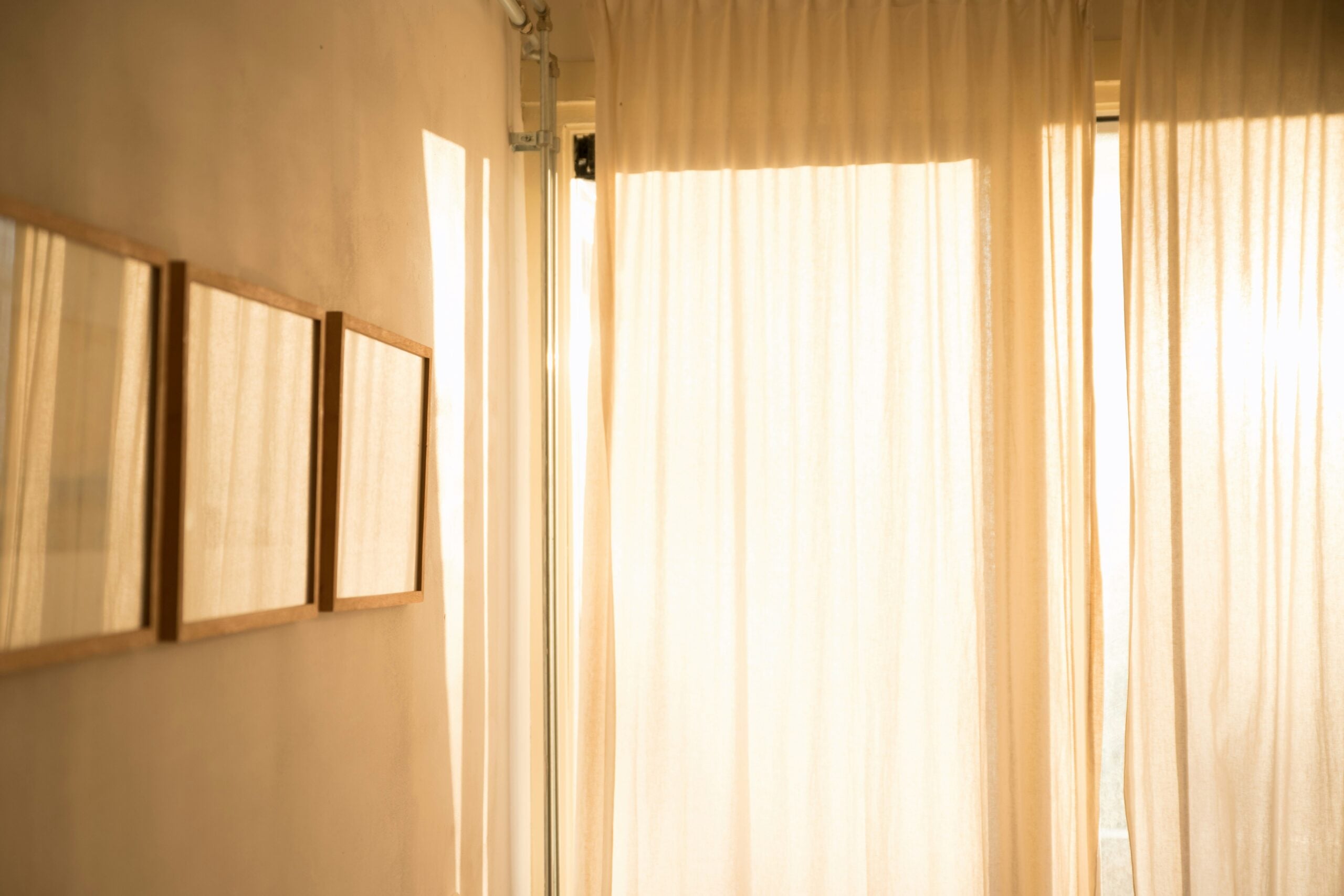
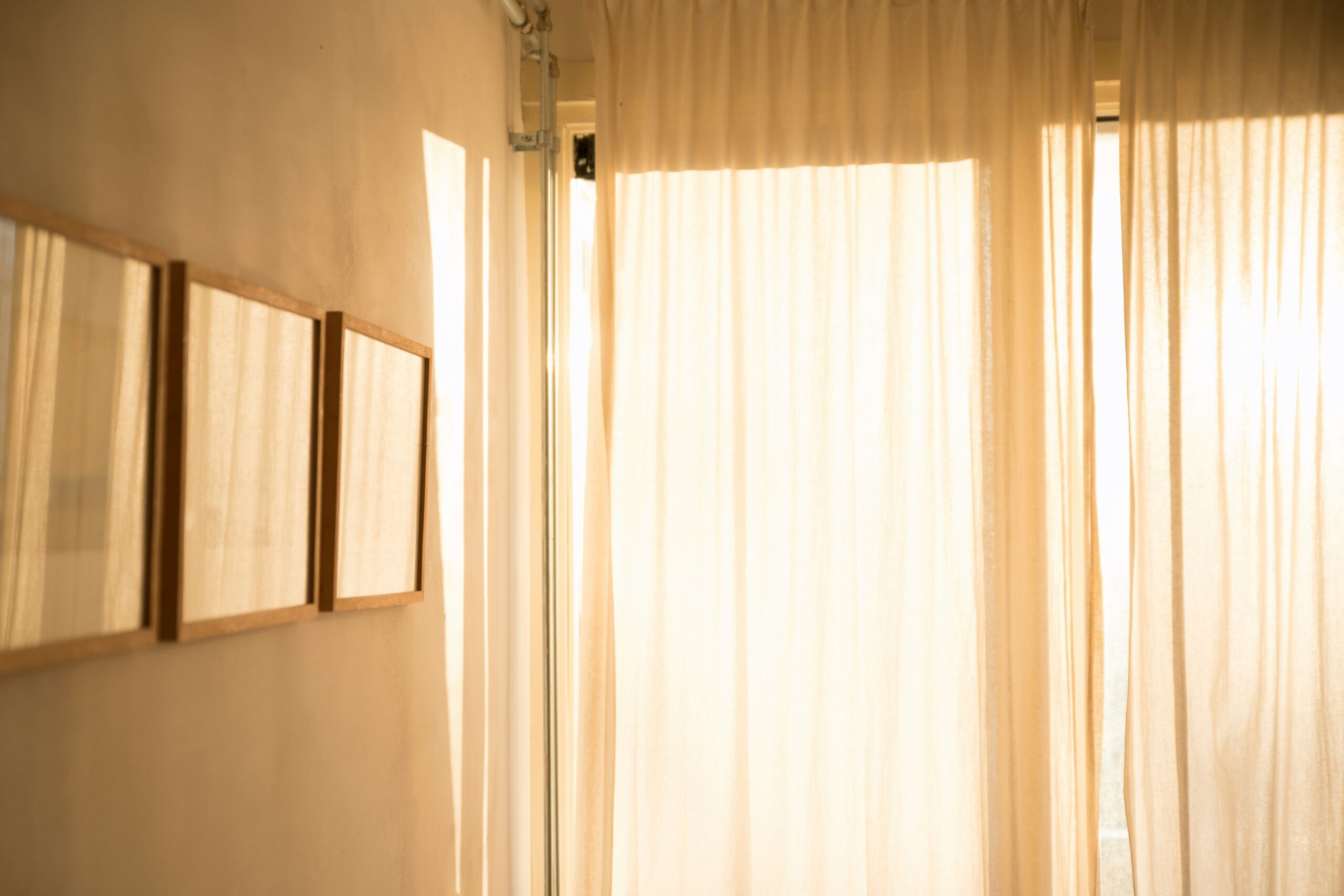
Banner image courtesy of Tycho Atsma
Wave curtains are gaining new attention for 2025, standing out for their sleek lines and modern appeal. The latest trends for wave curtains in 2025 highlight clean, architectural headings, minimal hardware, and a range of fabrics, making them ideal for both contemporary and classic interiors. With ripple folds and soft waves, these curtains bring a balanced mix of structure and softness, complementing large windows and open-plan spaces.
Designers are embracing sustainable materials, layered textures, and smart technology features, reflecting growing consumer interest in style and functionality. Wave curtains now come in eco-friendly textiles, bold color choices, and even remote-control options, making them as practical as they are decorative.
Key Takeaways
- 2025 wave curtains focus on clean lines and ripple fold designs.
- Popular features include sustainable fabrics and smart tech integration.
- Layered textures and bold colors help wave curtains fit diverse interiors.
Key Trends in Wave Curtains for 2025
Wave curtains in 2025 feature clean-lined designs, striking colors, and smart layering techniques. Advances in materials and mounting methods are influencing both function and style in window treatments, with sustainability and modern aesthetics driving many choices.
Modern Wave Headers and Panel Designs
Modern wave headers continue to define the look of contemporary curtains, providing a crisp, architectural appearance. This style is especially suited for large windows or sliding doors because the evenly spaced folds create an uninterrupted, fluid line across wide expanses. Their smooth operation and ability to stack neatly when open make them highly functional for busy households or commercial spaces. For example, custom wave curtains from UK manufacturers, as well as those from other countries, are growing in popularity, allowing homeowners to tailor both the header style and panel dimensions to suit their unique interiors. Minimalist and geometric designs in wave curtains are favored, as they enhance the minimalist appeal of modern homes. Unlike traditional pleated curtains, wave headers deliver a more refined and subtle look, blending easily with a range of decor styles, from urban lofts to natural-inspired interiors.
Bold Colors and Patterns for Statement Decor
In 2025, bold colors are taking center stage in curtain trends, replacing the dominance of understated neutrals from previous years. These vibrant hues—such as deep greens, saturated blues, and terracotta—are used not only to accent a room but to anchor the overall color scheme of the space. Patterned wave curtains also gain traction, with geometric prints, abstract motifs, and retro-inspired patterns making notable returns. The goal is to create window treatments that act as decorative focal points, introducing personality while aligning with the broader home decor theme.
For those looking to make a unique statement, designers are pairing bold-colored curtains with muted walls or monochromatic furniture. The result is a dramatic, yet cohesive, look that feels both fresh and intentional. Fabrics selected to support these striking palettes include velvet and textured woven blends, which add depth and interest to modern curtains.
Layering with Sheers and Textured Fabrics
Layering remains a major strategy in interior design, especially with wave curtains. Sheer fabrics are frequently incorporated as the innermost layer to filter light gently, ensuring privacy while maintaining a soft, airy ambiance. Over these, thicker wave curtains in textured materials or bold prints provide structure and insulation, contributing both visually and functionally.
Textured fabrics—such as slub linen, organic cotton, and eco-friendly blends—are steadily replacing synthetic materials. Sustainability matters, and many consumers are seeking curtains made from recycled or low-impact fibers. This not only reduces environmental impact but also adds tactile interest to the window treatments.
Innovative Features and Complementary Styles
Wave curtains in 2025 feature improved technology, flexible installations, and striking compatibility with a range of alternative window treatments. Emphasis on automation, minimalist forms, and layering with blinds brings both function and modern style into home design.
Smart and Motorised Curtain Technology
Smart curtains and motorised wave curtain systems are seeing a strong surge in popularity. Homeowners can operate these curtains remotely using smartphone apps or connect them to voice assistants for hands-free use. This tech-driven feature is particularly beneficial for high or hard-to-reach windows.
Automated curtain tracks allow precise daily scheduling, light management, and energy efficiency. Users are also turning to motorised curtains for increased security—curtains can open and close even when no one is home. Modern motorised wave systems often integrate seamlessly with smart home ecosystems, suiting requests in multiple languages such as “eur,” “en,” or “es.”
Floor-to-Ceiling and Minimalist Neutrals
Floor-to-ceiling wave curtains create a visual impression of height and elegance. This design supports a seamless, tailored look that makes living spaces appear larger and more cohesive. The use of minimalist neutrals—shades like off-white, grey, taupe, or muted earth tones—remains trendy for 2025.
The combination of wave heading and understated tones delivers both bold presence and understated refinement. Textures such as linen weaves or recycled fabrics further enhance the appeal, providing sustainability without compromising style.
Conclusion
Wave curtains remain a strong choice for 2025, balancing minimalist design with modern function. Their uniform folds, smooth operation, and space efficiency make them ideal for various interiors. Current trends highlight a preference for layered textures, earth-toned colors, and innovative header styles like S-fold and goblet pleat designs. Many homeowners also value light control and easy maintenance.
For those seeking a contemporary window treatment, wave curtains provide a combination of style, practicality, and adaptability. These elements position them well for ongoing popularity in modern and smart home settings.