
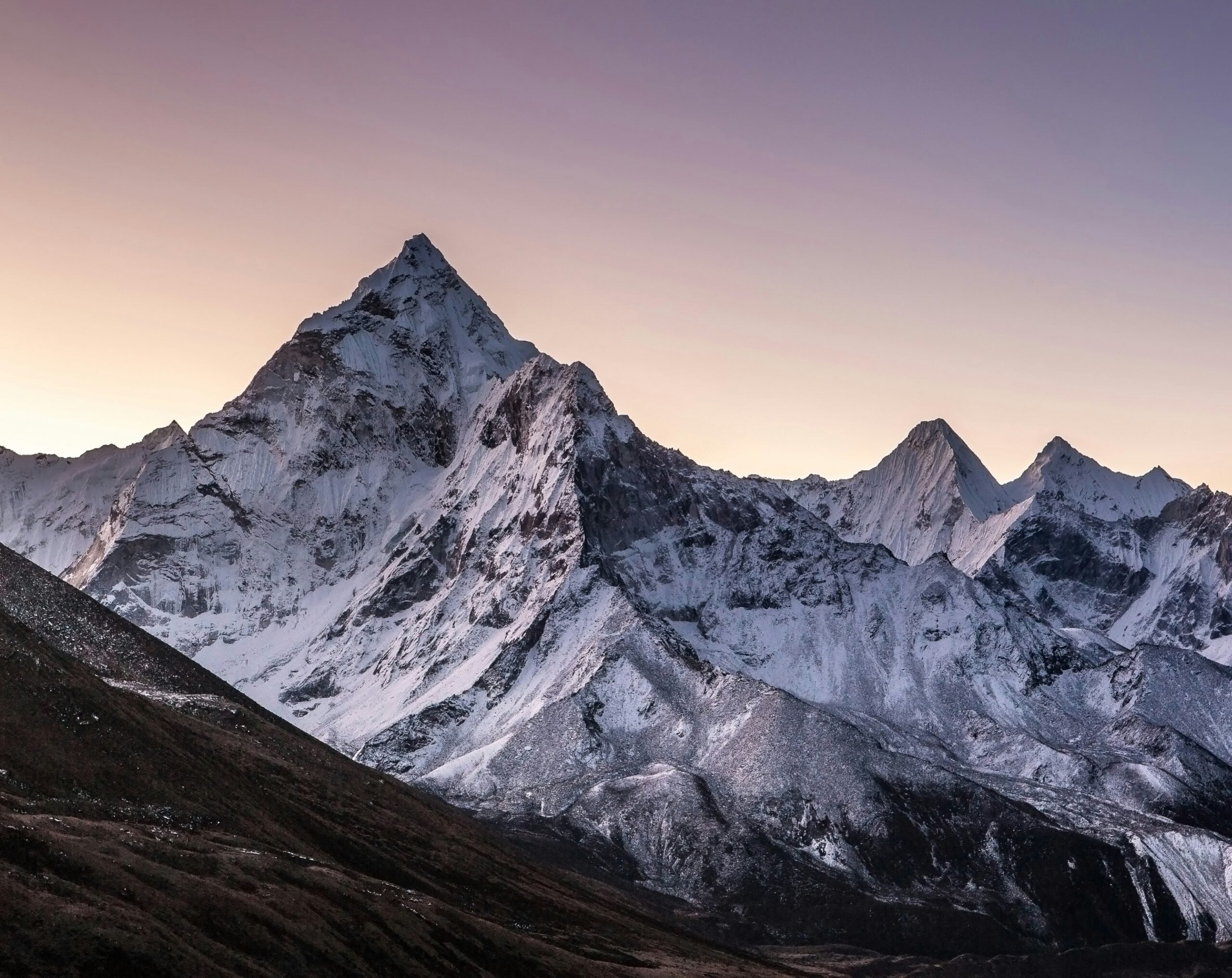
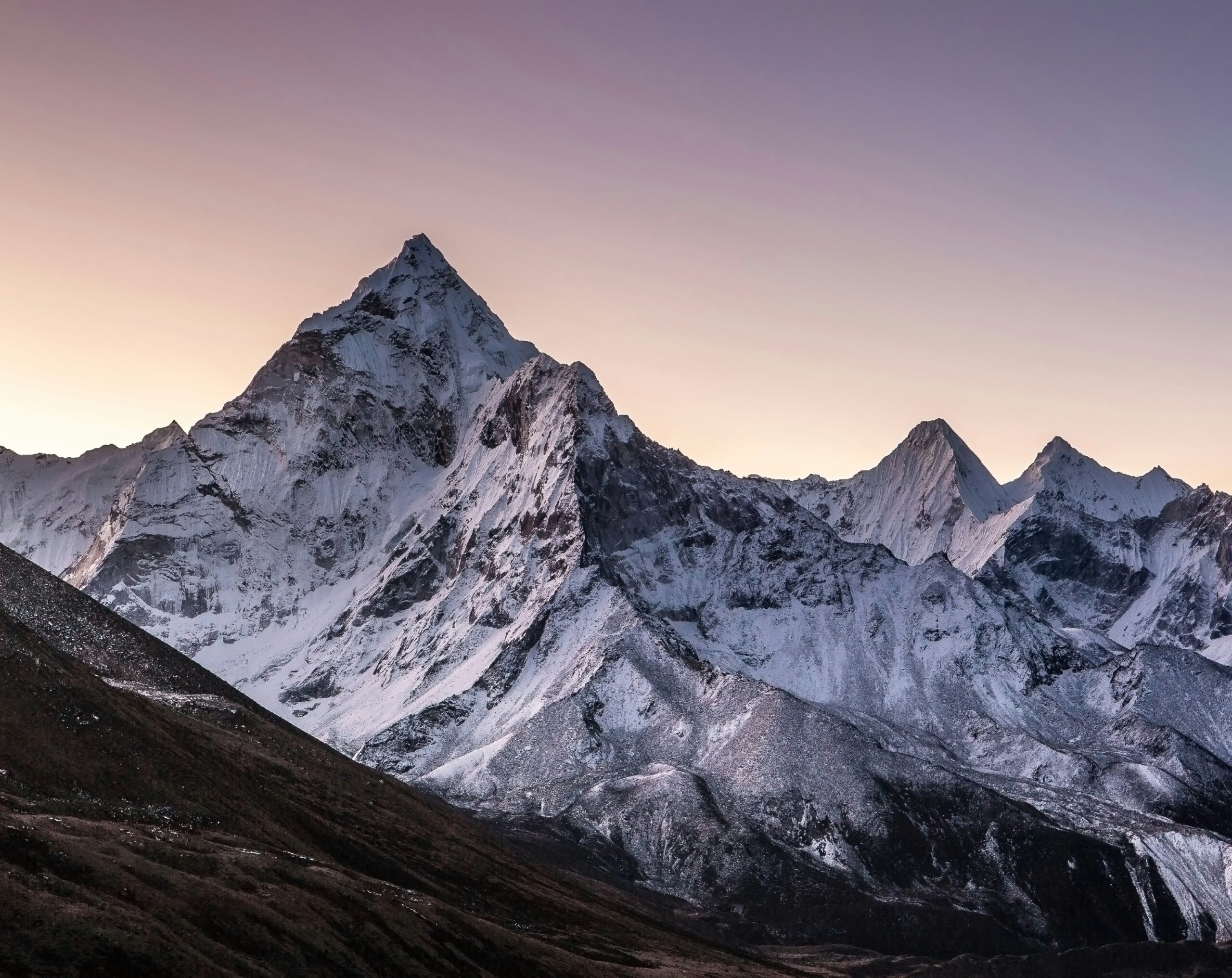
Banner image courtesy of Eugene Ga
After hours of trekking through rugged trails and thin mountain air, few things matter more than a hot meal and a warm drink. When you’re pushing your limits at high altitude, food isn’t just fuel—it’s comfort, motivation, and sometimes, a lifeline.
That’s why knowing what kind of food and drinks are available on the Everest Base Camp trek is essential. Whether you’re a seasoned hiker or a first-time adventurer, understanding your dining options can make or break your experience. From traditional Nepali dal bhat to surprising Western favorites like pizza and apple pie, the variety might surprise you—but so will the challenges of eating well at 5,000 meters.
This post answers a question every trekker eventually asks: What can I actually eat and drink on the way to Everest Base Camp? You’ll learn how meals are prepared in remote tea houses, what to expect in terms of nutrition and safety, and how to plan around dietary restrictions. We’ll also cover hydration essentials, including safe drinking water options and the role of hot beverages in combating altitude sickness.
Whether you’re curious about the menu or concerned about staying healthy on the trail, this guide will help you prepare for one of the world’s most iconic treks—one meal at a time.
What to Expect from Meals on the Everest Base Camp Trek
Who Prepares the Food on the Trail?
While trekking to Everest Base Camp, meals are primarily prepared by local cooks in teahouse kitchens. These teahouses, which double as lodges and restaurants, are family-run establishments scattered along the trail. The cooks are often experienced in preparing meals for trekkers from around the world and understand the importance of hygiene and nutrition at high altitudes.
While food safety standards may not match those of a commercial kitchen in the West, most teahouses follow basic hygiene practices. Ingredients are stored properly, and food is usually cooked fresh to order. You’ll often see open kitchens, giving you a glimpse into the cooking process. Boiled water is used for cooking and washing vegetables, especially at higher elevations where water safety is critical.
Teahouse staff are accustomed to catering to international trekkers, so they’re familiar with common dietary preferences and restrictions. However, don’t expect gourmet meals—simplicity, warmth, and nourishment are the priorities.
Typical Meals Served at Teahouses
Everest Base Camp food is hearty, carb-rich, and designed to fuel your trek. Breakfasts typically include:
- Porridge (plain or with apple, cinnamon, or raisins)
- Pancakes (plain, apple, or chocolate)
- Toast with jam, honey, or peanut butter
- Eggs (boiled, scrambled, or omelets)
- Tibetan bread or chapati
Lunch and dinner options are often similar and include:
- Dal Bhat (rice, lentil soup, and vegetable curry)—a staple Nepali dish
- Fried noodles or rice with vegetables or egg
- Pasta with tomato or cheese sauce
- Momos (Tibetan dumplings filled with vegetables or meat)
- Sherpa stew (a thick soup with vegetables, potatoes, and noodles)
Vegetarian food is widely available and often the safest choice due to limited refrigeration. Non-vegetarian options like chicken or canned tuna are sometimes offered at lower altitudes, but meat becomes scarce and less fresh as you ascend. Many trekkers choose to go vegetarian for the duration of the trek.
You’ll also find occasional Western treats like pizza or burgers, though they’re often local interpretations. Don’t expect authentic Italian pasta, but you’ll be surprised at the variety given the remote location.
Is the Food Safe to Eat While Trekking to Everest Base Camp?
How Is Food Prepared at High Altitudes?
At high altitudes, cooking becomes more challenging due to lower air pressure and colder temperatures. Water boils at a lower temperature, which means food takes longer to cook. Most teahouses use gas or kerosene stoves, and some still rely on wood-burning stoves, especially in more remote villages.
Boiling is the most common method for cooking and sterilizing water. Soups, stews, and boiled rice are popular because they’re easier to prepare under these conditions. Baking is rare, though some teahouses offer baked goods made in stove-top ovens or solar ovens.
Because fresh produce is limited, many ingredients are dried or preserved. Vegetables like potatoes, cabbage, and carrots are common because they store well. Eggs are usually sourced locally and are safe when cooked thoroughly.
Teahouse staff are trained to cook meals slowly and thoroughly, which helps reduce the risk of undercooked food. While refrigeration is limited, high-altitude temperatures often act as a natural cooler.
Tips for Avoiding Foodborne Illness
Food safety at Everest Base Camp is generally reliable, but precautions are still necessary. Here are some key tips to stay healthy:
- Stick to freshly cooked meals. Avoid raw vegetables or salads.
- Choose vegetarian options to reduce the risk of spoiled meat.
- Avoid dairy unless you’re sure it’s pasteurized. Yak cheese is common but can be rich for sensitive stomachs.
- Always wash your hands before eating. Bring hand sanitizer as a backup.
- Use your own utensils or sanitize shared ones if hygiene is a concern.
If you have a sensitive stomach, consider discussing travel health recommendations with a healthcare provider before your trip. Probiotics or activated charcoal tablets may help manage minor digestive issues.
What Drinks Are Available on the Everest Base Camp Trek
Safe Drinking Water Options
Safe drinking water is essential on the Everest Base Camp trek. Bottled water is available at most teahouses but becomes increasingly expensive as you gain altitude—up to $4–5 per liter in higher villages like Gorak Shep.
To save money and reduce plastic waste, many trekkers opt for boiled water, which teahouses offer for a small fee. It’s safe and reliable, though you’ll need a reusable bottle or thermos.
Water purification tablets and filters are also popular. Brands like Aquatabs or Sawyer filters are lightweight and effective. If you’re using tablets, note that cold water takes longer to purify—up to 30 minutes or more.
Another option is UV purifiers, such as the SteriPEN. These are fast and effective but require batteries or charging. Always carry a backup method in case one fails.
Hot Beverages to Keep You Warm
Hot drinks are a daily comfort on the trek. Most teahouses offer a wide variety of teas, including:
- Ginger tea (great for digestion and altitude adjustment)
- Lemon tea
- Mint tea
- Masala tea (spiced Nepali chai)
Coffee is usually instant, though some places offer French press or drip coffee at lower elevations. Hot chocolate is a favorite among trekkers, especially after a cold day on the trail.
You can also find unique local drinks like butter tea (salty and made with yak butter) and seabuckthorn juice, which is rich in vitamin C.
Should You Drink Alcohol at High Altitude?
Alcohol is available at some teahouses, particularly in lower villages like Namche Bazaar. Choices include beer, raksi (a local spirit), and imported liquors.
However, drinking alcohol at high altitude is generally discouraged. It can impair acclimatization, dehydrate you, and increase the risk of altitude sickness. Speak with your doctor before the trek if you plan to consume alcohol at altitude.
If you want to try local alcohol, save it for after your trek or during your descent. Most trekkers avoid alcohol until they’re back at lower elevations.
How Much Do Food and Drinks Cost on the Everest Base Camp Trek
Price Variation by Altitude
Everest Base Camp food prices increase with elevation due to the difficulty of transporting goods. Everything is carried up by porters or yaks, which adds to the cost.
Here’s a rough idea of pricing at different elevations:
- Lukla (2,800m): Dal Bhat – $4, Bottled water – $1
- Namche Bazaar (3,440m): Dal Bhat – $6, Coffee – $2
- Dingboche (4,410m): Dal Bhat – $8, Boiled water – $2
- Gorak Shep (5,164m): Dal Bhat – $10, Bottled water – $4–5
Snacks, tea, and Western dishes cost more than local meals. Expect to pay $1–2 for a cup of tea and $6–10 for pasta or fried rice.
Budgeting Tips for Meals and Drinks
To budget effectively for Everest Base Camp food and drinks:
- Plan for $25–35 per day.
- Bring a reusable bottle and purify your own water.
- Stick to dal bhat for a filling, cost-effective meal.
- Avoid imported snacks and alcohol, which are pricey.
- Carry cash in small denominations—ATMs are rare after Namche.
While bringing backup meals like energy bars can help, purchasing meals from teahouses supports the local economy.
Can You Bring Your Own Snacks or Supplements?
Best Snacks to Pack for Energy
Snacks are an essential part of your Everest Base Camp trek. They provide quick energy between meals and during long hiking days.
Ideal snacks include:
- Energy bars (Clif Bars, KIND, or local Nepali brands)
- Trail mix with nuts and dried fruits
- Peanut butter sachets
- Dark chocolate or granola bars
- Electrolyte chews or gels
Pick high-calorie, durable snacks that won’t spoil or melt. Pack enough for your entire trek, as snack options become limited and expensive at higher altitudes.
Should You Bring Electrolytes or Supplements?
Yes, electrolytes or hydration salts can help maintain energy and hydration at altitude. Products like Nuun tablets or Oral Rehydration Salts (ORS) are easy to carry and use.
Vitamin supplements such as multivitamins or vitamin C can boost your immune defenses. If you’re considering iron or altitude-specific pills, consult your healthcare provider before your trip.
Keep any supplements sealed in waterproof containers stored in your daypack for easy access.
Dietary Restrictions and Special Meal Requests
Is Vegetarian Food Available on the Trek?
Vegetarian food is not only available—it’s often the best choice. Many locals eat vegetarian meals daily, and teahouses are well-equipped to serve them.
Common vegetarian dishes include:
- Dal Bhat with vegetables
- Vegetable fried rice or noodles
- Veg momos
- Sherpa stew with potatoes and greens
- Pancakes and porridge for breakfast
Vegetarian food Everest Base Camp style is simple, nourishing, and minimizes the risk of foodborne illness from poorly preserved meat.
Can You Get Gluten-Free, Vegan, or Allergy-Friendly Meals?
Gluten-free trekking in Nepal is possible with preparation. Most teahouses do not offer dedicated gluten-free kitchens, so cross-contamination is a concern.
Vegan meals can often be arranged but require clear communication. Avoid dairy-heavy dishes like butter tea and confirm ingredients before ordering.
If you have allergies or serious dietary needs:
- Carry a laminated translated card explaining your condition.
- Bring backup snacks or meals.
- Inform your trekking guide in advance.
- Carry any necessary medications such as EpiPens.
Common allergens in Nepali foods include:
- Dairy (milk, butter, cheese)
- Gluten (wheat, chapati, noodles)
- Nuts (in snacks and desserts)
- Soy (in sauces or packaged foods)
Final Tips on Eating and Drinking at Everest Base Camp
Stay Hydrated and Eat Enough Calories
Proper nutrition and hydration are crucial for altitude acclimatization. You’ll burn more calories and may lose your appetite at high elevations.
To stay energized:
- Eat regular meals and snacks
- Drink 3–4 liters of water each day
- Use electrolytes to replenish minerals
- Eat even when you’re not hungry
Monitor your condition for signs of dehydration such as fatigue, dry mouth, or dark urine. Always err on the side of caution and take rest when needed.
Trust Local Foods and Support Teahouses
One of the joys of trekking in Nepal is sampling local foods. Choosing dal bhat or Sherpa stew supports family-run teahouses and contributes to the local economy.
By eating locally, you help sustain remote communities and keep traditional knowledge alive. Be respectful, try new things, and enjoy the diversity of the trail.
Conclusion
Trekking to Everest Base Camp is as much a culinary journey as it is a physical challenge. From hearty dal bhat to energizing snacks and warm drinks, the food along the trail is designed to fuel your adventure. While options are more limited at higher altitudes, you’ll still find comforting meals and familiar flavors to keep you going.
Being mindful of food safety, hydration, and nutrition can make a big difference in your trek experience. Embrace the local cuisine, plan ahead for dietary needs, and don’t forget to treat yourself—you’ve earned it!
Ready to fuel your Himalayan adventure? Start planning your trek with food and hydration in mind, and savor every step—and bite—along the way.