
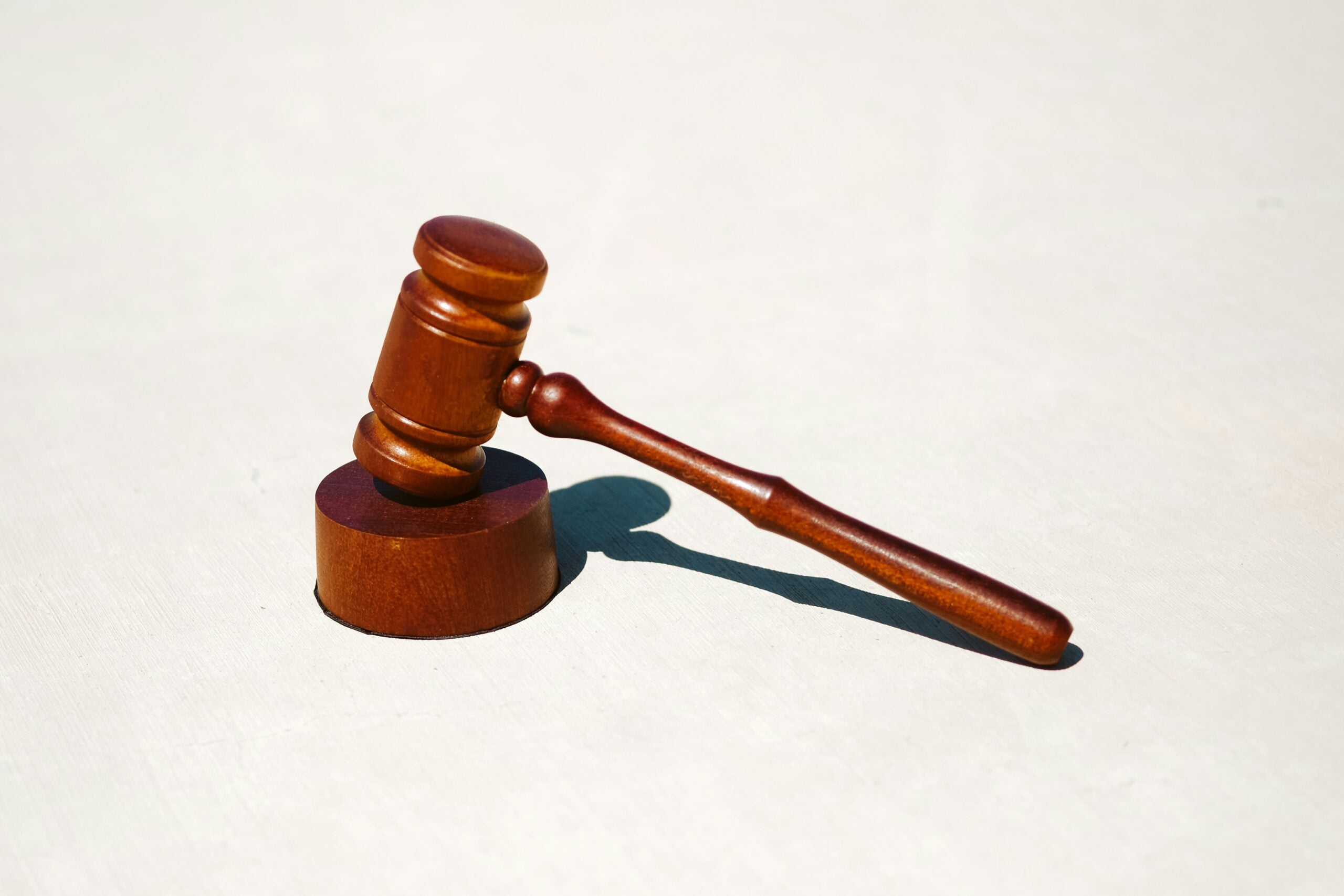

Banner image courtesy of Tingey Injury Law Firm on Unsplash
Nobody plans to end up in court. It just happens sometimes. Maybe it’s a misunderstanding. Maybe you were in the wrong place at the wrong time. Either way, you need to know how to protect yourself.
Your rights exist on paper. But they only help when you actually use them. Courts don’t wait around. Things move fast. What you do in the first few hours can change everything.

Your Constitutional Protections Actually Work
The Constitution isn’t just some old document. It gives you real protections that matter right now. You just have to know they exist and how to use them.
Stay Quiet When It Counts
The Fifth Amendment lets you stay silent. Period. You don’t have to explain yourself to police. You don’t have to tell your side of the story. Not yet anyway.
Most people talk because they think it helps. It doesn’t. Police can twist your words later. That casual conversation at the station can become evidence against you. Even true statements get used in ways you never expected.
Get an Attorney Fast
The Sixth Amendment gives you the right to a lawyer. Not just any lawyer. A qualified criminal defense attorney who knows what they’re doing. If you can’t afford one, the court appoints someone.
But here’s the thing. Choosing your own attorney usually works better. You pick someone who has handled cases like yours before. Someone who knows the local courts and prosecutors. According to the American Bar Association, having proper legal representation from the start makes all the difference.
Pick the Right Lawyer for Your Case
Not every criminal attorney handles cases the same way. Some have more experience than others. Some are better at certain types of charges. You need to find the right match.
Look for these qualities:
- Former prosecutor experience: They know how prosecutors think and work
- Trial background: They’re not scared to go to court if needed
- Proven results: They can show you wins in cases similar to yours
- Honest communication: They explain things clearly without legal jargon
An attorney who used to prosecute cases understands the other side. They see the weak spots in the prosecution’s approach. They know which arguments work and which don’t.
Prosecutors pay attention too. When they see a serious defense attorney, they often make better plea offers. Nobody wants to waste time on a trial they might lose.
Start Documenting Right Away
Your memory isn’t as good as you think. Details fade within days. Start writing everything down now. Don’t wait.
Build Your Timeline
Write down what happened. Include every detail you can remember. Dates matter. Times matter. Who was there matters. Where you were standing matters. All of it could be important later.
Save every text message, email, and call log. Keep copies of anything police gave you. If someone saw what happened, get their phone number today. Tomorrow they might be harder to find.
Gather Your Evidence
Take photos of everything related to your case. Locations, injuries, damage, whatever applies. Phone cameras timestamp everything automatically. That helps prove when things happened.
Keep all this information private. Share it only with your attorney. Don’t post anything online about your case. Social media posts have destroyed more defenses than you’d believe. Prosecutors love finding that stuff.
The Court Process Moves in Stages
Criminal cases follow a predictable path. Knowing what comes next helps you prepare. The U.S. Courts website breaks down each step in detail.
First comes the arraignment. You hear the charges against you. Then you enter a plea. This happens fast, usually within days of arrest. Your attorney tells you which plea makes sense.
Next are pre-trial motions. Your attorney might file paperwork to throw out evidence or dismiss charges. Sometimes these motions end the case completely. Other times they just weaken the prosecution’s position.
If you go to trial, a jury or judge decides your fate. The prosecution has to prove you’re guilty beyond reasonable doubt. Your attorney pokes holes in their story. They challenge witnesses. They present your version of events. The whole process protects your rights at every turn.
Your Reputation Needs Protection Too
Criminal charges become public. Anyone can find them online. For people in entertainment, music, film, or business, this creates serious problems. Your career can take a hit before the trial even starts.
Keep Your Mouth Shut Publicly
Don’t talk about your case anywhere public. Not on Twitter. Not on Instagram. Not at parties or events. Prosecutors screenshot everything. They use your own words against you in court.
Let your attorney handle any public statements. They know what’s safe to say and what isn’t. One wrong comment can follow you for years.
Think About Your Career
Some jobs require clean records. Some industries care more than others. Entertainment professionals face different risks than people with state licenses. Your attorney needs to understand what’s at stake for you specifically.
Early action sometimes prevents long-term damage. Getting charges reduced or dismissed protects your future. Don’t wait to address these concerns. Bring them up with your attorney immediately.

Take Action Now
Rights don’t protect themselves. You have to use them. Call an attorney the moment you face charges or investigation. Waiting creates problems you can’t fix later.
Stay involved in your defense. Ask questions. Read what your attorney sends you. You know details about your life that matter. Your input helps build a stronger case.
Remember something important. Charges aren’t convictions. The prosecution has to prove everything. You have the Constitution backing you up. With good legal help and smart choices, you give yourself the best shot at a good outcome. Your rights work, but only when you put them to use.