
Banner image courtesy of Marcus Bellamy
Where Brake Lights Glow the Brightest
In Chicago, traffic has its own rhythm. It pulses through the Kennedy Expressway at dawn, compresses along Lake Shore Drive at dusk, and tightens block by block in the Loop well before the workday ends. Much of the year, drivers navigate construction zones, frequent merges, and tightly spaced intersections. In winter, snow and ice stretch stopping distances. In summer, congestion tests patience on its own.
The most common collision in these conditions rarely happens at highway speeds. It shows up at the light that just turned red, in the crawl toward a merge, or when the car ahead brakes sooner than expected.
Chicago routinely appears on lists of America’s most congested cities. New York and Los Angeles face comparable density, but Midwest driving adds its own pressures: longer commutes, sharper seasonal changes, and traffic patterns shaped by synchronized signals and bottlenecked expressways. Even experienced drivers fall into familiar habits. They close gaps to keep their place in line. They assume the car ahead will roll forward. They split attention between the road and the day.
The result often feels minor—a quick jolt, a brief exchange on the shoulder, a return to normal life. But the frequency of these low-speed impacts says something larger about how cities move. When stop-and-go becomes the default, tight spacing starts to feel normal. That normalization shortens the margin for error in the most ordinary moments.
The Psychology of Following Too Closely
Most drivers think they leave enough space. In city traffic, that distance is usually set by instinct rather than measurement.
In slow-moving conditions, drivers begin to mirror the car ahead. When traffic inches forward, they follow. When brake lights flicker, their feet hover. It feels attentive, but it often becomes reactive.
The average human reaction time is 1.5 seconds. At modest speeds, that delay can still translate into significant distance traveled before the brain fully registers a stop and the body responds. On compressed corridors like the Dan Ryan or the Eisenhower, that extra space is often unavailable.
Psychologists describe a related effect as risk normalization: if a behavior produces no immediate consequences, it starts to feel safe. After miles of close following without incident, caution softens into comfort—the driver’s internal sense of “normal” shifts.
Cognitive load adds pressure. Navigation prompts, traffic alerts, conversations, fatigue, and work-related thoughts compete for attention. Even without touching a phone, attention can splinter. A glance at a side mirror, a quick look at signage, and a brief mental drift at a light can be enough to delay braking.
In Chicago, where winter conditions can lengthen stopping distances, and congestion compresses lanes, fault often turns on whether the trailing driver left adequate space and remained attentive. Chicago Auto Injury Lawyers explain rear-end collisions in detail, including how responsibility is commonly evaluated under Illinois law, where the trailing driver is frequently presumed responsible unless evidence shows a clear exception.
That presumption reflects a broader driving expectation across many states: following distance is a responsibility, not a suggestion. Yet drivers routinely overestimate how predictable the car ahead will be. They expect gradual braking. They assume movement will continue. They trust the flow.
When that expectation breaks, the gap disappears quickly. The car ahead stops. Brake lights brighten. The trailing driver reacts, but the reaction cannot recover the time that has already passed.
Why Urban Infrastructure Makes It Worse
City design shapes behavior long before a driver makes a conscious decision.
In Chicago neighborhoods outside the downtown core, signals can be closely spaced along commercial stretches. Drivers accelerate for short bursts, then stop again within a few hundred feet. That rhythm encourages tight spacing because the next stop feels inevitable, and the “safe gap” can feel like wasted space.
Construction magnifies the problem. Lane shifts narrow the roadway. Temporary markings complicate depth perception. Drivers concentrate on merges and signage, sometimes more than the car directly ahead. In winter, snowbanks reduce usable lane width and limit sightlines at corners and intersections.
Other major cities train drivers in similar ways. Long freeway congestion in Los Angeles conditions can remain closed for extended periods. Dense intersections and frequent pedestrian crossings in New York create abrupt stops that ripple backward through traffic. Across the country, infrastructure and volume reinforce a driving style that relies on constant micro-adjustments.
National data also supports the commonness of these front-to-rear impacts. Transportation safety research from the U.S. traffic safety agency has noted that these crashes account for a substantial share of all collisions and often stem from delayed responses to a stopped or decelerating lead vehicle.
Weather adds another layer in Midwestern cities. Rain reduces grip. Ice can dramatically extend stopping distance, even at low speeds. A following distance that felt fine in July can become inadequate in January.
Infrastructure does not “cause” a collision by itself. It creates conditions in which small delays become expensive.
The Financial Ripple Effect of a Low-Speed Impact
Because these collisions often happen at modest speeds, drivers tend to underestimate the fallout. A dented bumper or cracked taillight can look manageable. Cars may remain drivable. People exchange information and move on.
The consequences often arrive later.
Modern vehicles hide complexity behind simple surfaces. Beneath a bumper cover can sit sensors, brackets, and structural components that are costly to repair and expensive to recalibrate. A minor impact can affect parking sensors, cameras, and driver-assistance features. What looks cosmetic can turn into a large estimate once the vehicle is inspected.
Physical effects can be equally delayed. Rapid deceleration can strain the neck and spine, particularly when the occupant is unprepared. Symptoms may surface hours or days later as stiffness, headaches, or reduced range of motion. Medical evaluation and follow-up care add cost and disruption.
Insurance is rarely neutral. Claims can raise premiums. Deductibles apply. Repairs take time. Rental vehicles become necessary. For commuters who rely on a car daily, even a brief transportation disruption can lead to missed work, altered schedules, and increased spending.
Depreciation can linger as well. A vehicle with an accident history may command a lower resale value, even when repairs are completed properly. The financial impact can outlast the memory of the crash.
Low speed does not mean low consequence. It often means the damage arrives in quiet ways: invoices, appointments, lost time, and long-term cost.
The Modern Habit We Don’t Question
Close following has become part of the visual language of city driving. Cars move in tight formation on expressways and neighborhood arteries, separated by a few car lengths or less. It feels efficient. It looks like momentum. It can also be fragile.
Drivers learn to read subtle cues: the slight dip of a hood as brakes engage, a drift toward an intersection, the flicker of a turn signal. Those cues create an illusion of predictability, and the brain starts to expect smooth continuity.
City culture reinforces the mindset. In fast-paced environments, proximity can feel like competence. Leaving extra distance may feel overly cautious, or like an invitation for another driver to cut in. Over time, the social pressure of traffic rewires what “normal” spacing looks like.
Technology can further shift perception. Collision warnings and automatic braking are valuable tools, but they can also encourage quiet overconfidence. Some drivers begin to treat alerts as a backstop rather than an emergency layer.
These collisions remain common in metropolitan regions because the behavior is common. It is not just a mistake made by reckless drivers. It is a pattern sustained by stress, repetition, and infrastructure.
For a broader look at how dense environments shape everyday decisions and risk management in urban routines, this perspective on city life captures a similar theme: modern cities reward speed and adaptation, sometimes at the expense of margin.
Following closely feels ordinary until the car ahead stops sooner than expected. Then the “extra space” becomes the only thing that matters.
The Split Second That Changes Everything
The moment arrives quickly—a light changes. A line of cars compresses. The driver ahead brakes harder than expected. In the brief gap between noticing and responding, the outcome shifts from choice to physics.
In cities like Chicago, this sequence plays out in routine settings: outside familiar intersections, along commuting corridors, at the tail end of a long day. It rarely involves high speed. It rarely looks dramatic. That ordinariness is part of why it repeats. Drivers brace for danger on open highways or in storms. They do not always treat slow traffic as a high-risk environment.
Awareness starts with recalibration. The following distances should be adjusted based on weather, fatigue, visibility, and traffic density. Attention should match the reality of stop-and-go movement, where the next stop can happen without warning. Small adjustments in spacing and focus determine whether the driver behind has room to respond.
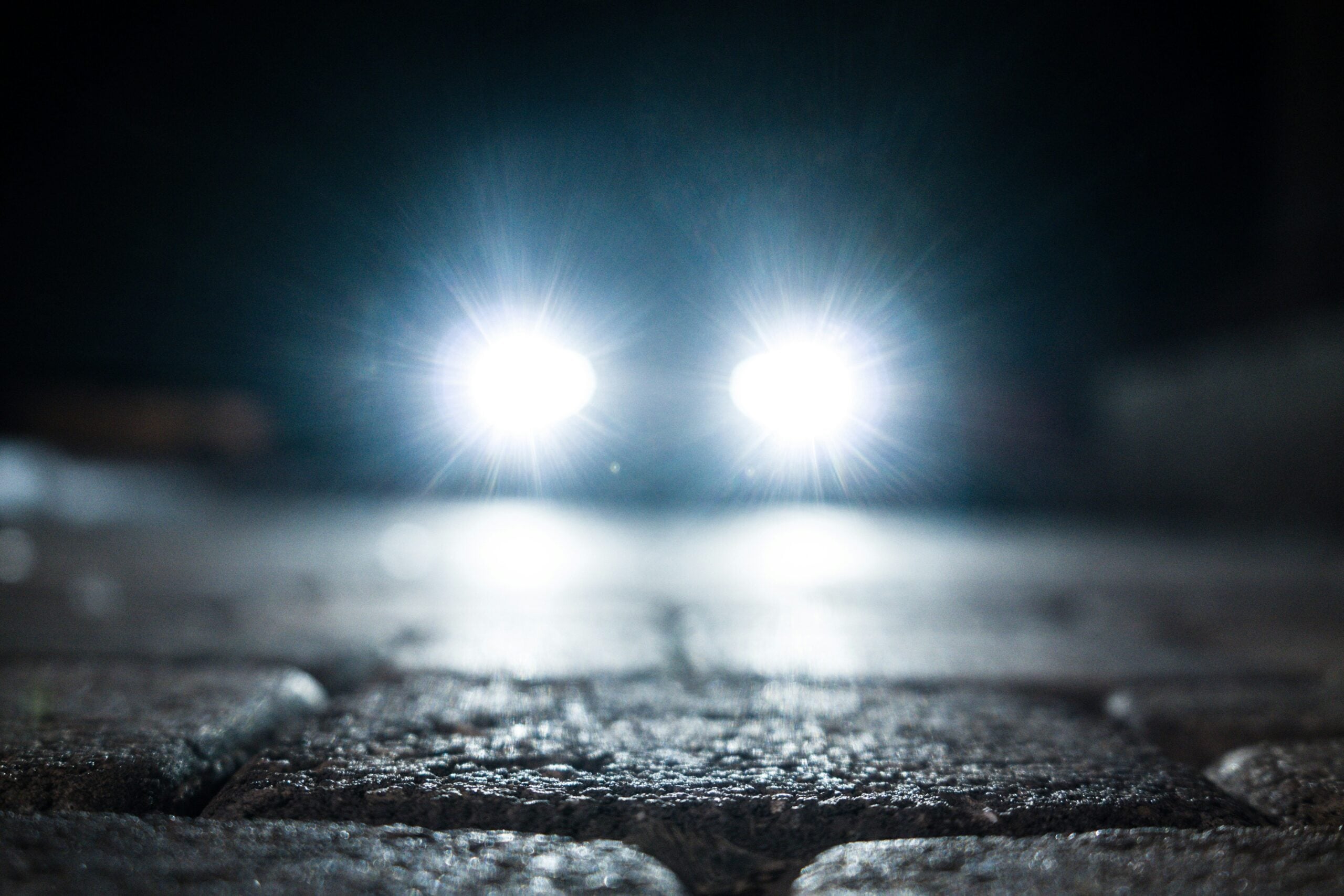
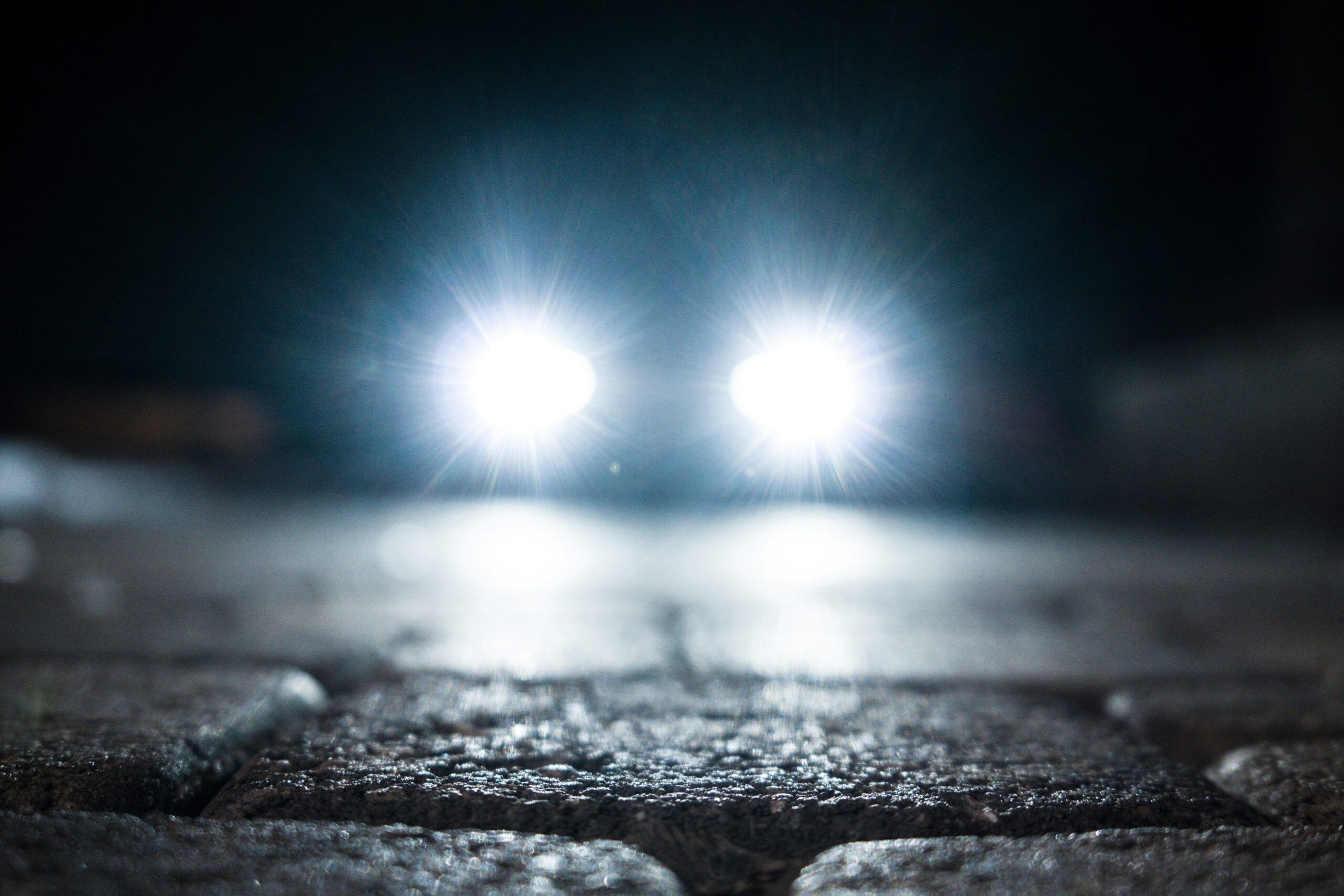
Brake lights are a shared urban signal. They glow through Chicago winters and summer evenings, through downtown corridors and residential streets. Between that glow and impact lies a narrow window measured in seconds. In that window, distance and attention decide everything.