
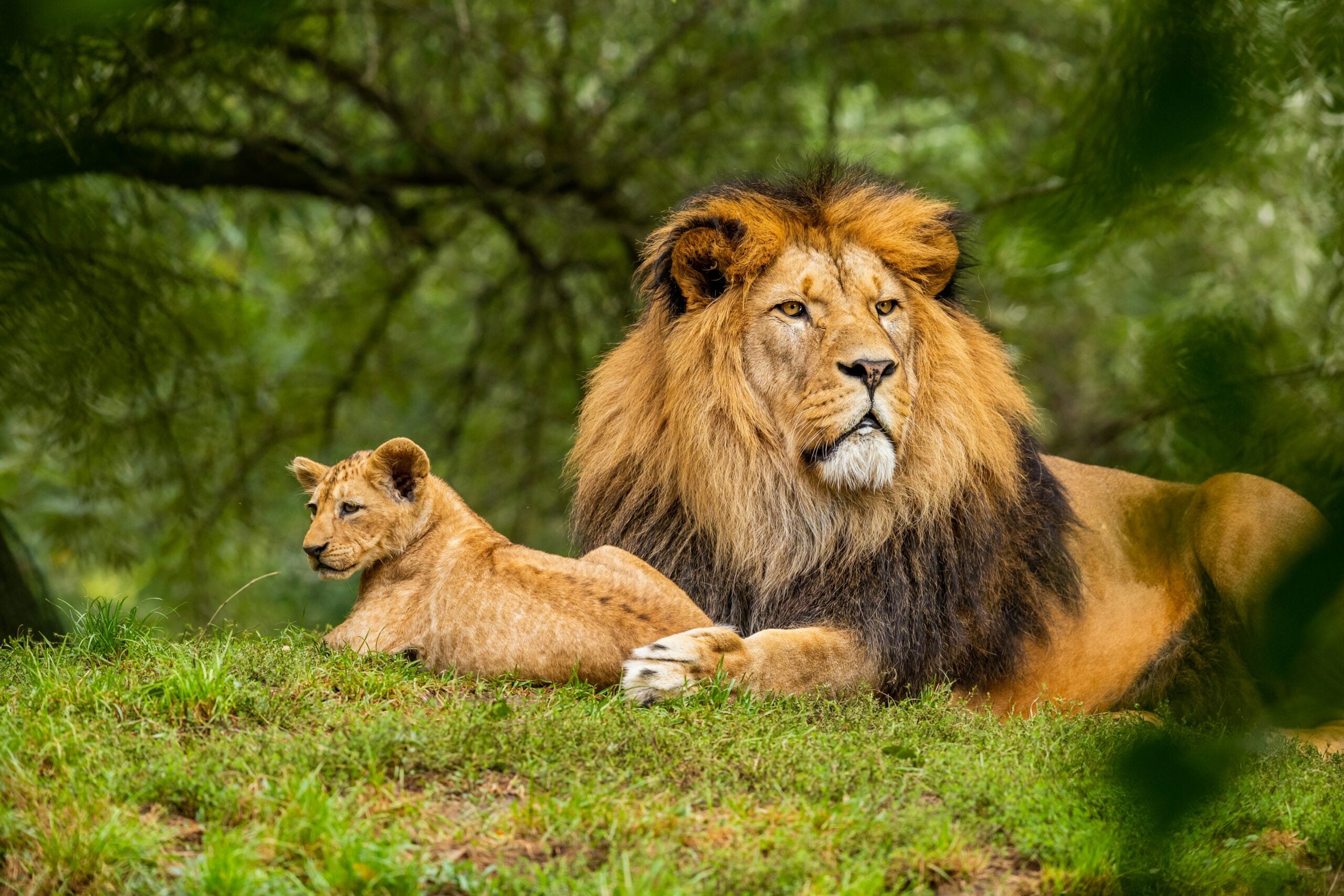
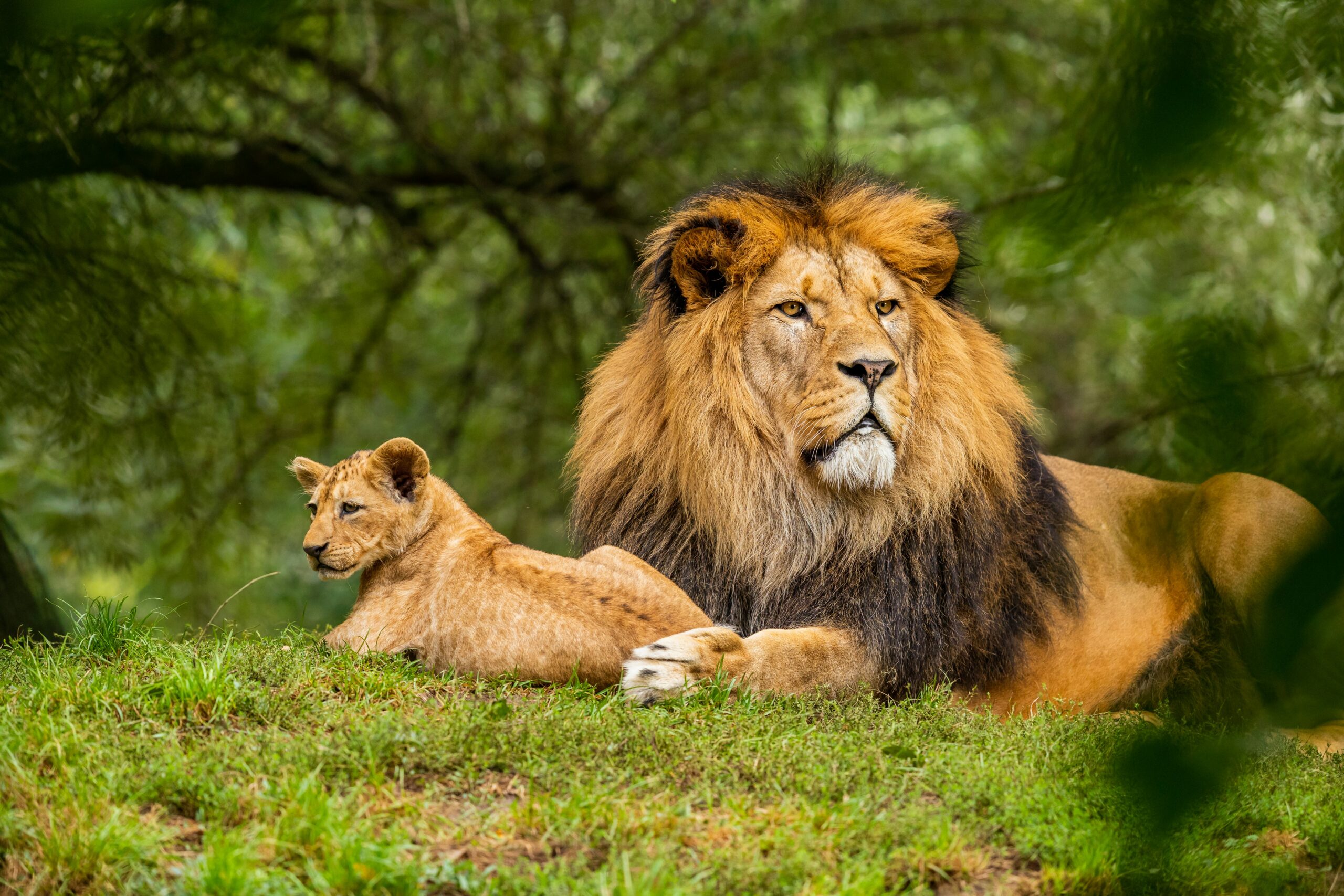
Banner image courtesy of Zdeněk Macháček
Wildlife travel isn’t about ticking animals off a list. It’s about that moment when you stop talking because something moves in the corner of your eye, and you finally spot a creature you’d only ever seen in books or on screen.
From the icy edges of the planet to the quiet corners of the savannah, here are five places where the world’s most extraordinary creatures still roam free.
Antarctica
Antarctica hits you with an extraordinary silence. Icebergs groan and fracture in the distance, and the only signs of movement are penguins waddling along the shore and seals lounging on drifting floes.
Setting out on an amazing Antarctica cruise isn’t about chasing animals; it’s about entering one of the last truly wild places on Earth. You travel through waters where humpback whales feed beneath towering icebergs, and colonies of penguins stretch for miles along the shore. Seals haul out on drifting ice, indifferent to the human presence passing by.
The light changes constantly; one minute silver, the next a bruised blue. You spend more time just watching than taking photos, captivated by the rhythm of this vast, untamed world. The animals belong entirely to this frozen world, and for a while, you’re allowed to share it.
Borneo
Borneo’s heat hits you like a wall. The air’s thick with damp, and everything seems alive, the trees hum, insects buzz at different pitches, monkeys crash through branches you didn’t realise were so close. In the rainforest, you don’t need to go looking for wildlife; just learn to notice it.
Orangutans drift silently through the treetops, gibbons call back and forth across the canopy, and pangolins carefully make their way along the forest floor. Even common species, like hornbills or macaques, feel extraordinary in this ancient rainforest, where the sounds, movement, and sheer density of life surround you at every turn. Nights are loud, with frogs, cicadas, and gibbons calling well into the early hours.
The Galápagos Islands
The Galápagos Islands feel oddly casual about their wildlife. Animals don’t move out of your way; you move around them. Sea lions nap on benches, iguanas bask on paths, and blue-footed boobies do their clumsy dance while you stand there, unsure if you’re intruding. Frigatebirds soar overhead, their black wings cutting through the bright sky, and lava lizards skitter over sun-baked rocks, pausing only to flick their tongues.
Marine iguanas dive into the surf, disappearing beneath waves before popping up again, and tiny finches flit from shrub to shrub, each with its own peculiar song. Even the crabs on the shore seem to have their own rhythm, darting sideways as if choreographed to the islands’ pulse. The islands themselves are rough, wild, and unspoilt. You might snorkel with turtles one morning and spot a penguin the next, but it never feels staged. There’s no separation between the human world and the animal one here.
Kenya
Kenya’s wildlife isn’t confined to parks or fences; it spills out across the land. You can drive for hours through open plains and still see herds of zebras shifting in the heat haze, or elephants tracing paths that have existed longer than any road. Most travellers come for safari holidays in places like the Maasai Mara or Amboseli, where lions patrol the grasslands and flamingos gather in pink clouds around soda lakes.
Early mornings are best, when the grass still holds the night’s cool and the air smells faintly of acacia and dust. Guides know every track and sound. They’ll cut the engine just to listen, a warning call from a gazelle, a rustle where a leopard might move unseen. After a few days, your eyes adjust, your breathing slows, and you start to feel part of the rhythm here, not just a spectator passing through.
Canada
Canada feels endless – wild country stretching far beyond where roads end or phone signals fade. In British Columbia or the Yukon, bears are the big draw, though you’ll spend more time hoping than seeing. When one finally appears, it’s usually quieter than you imagined, just movement in the brush, a slow turn of the head.
You’ll realise how calm it is, how it doesn’t care you’re there. The air smells of pine and campfire smoke, and the cold seeps in even in summer. Sometimes you’ll spot a moose standing half in water, not moving at all.
Svalbard
Halfway between mainland Norway and the North Pole, Svalbard feels like the edge of the map. The land is stark, the light strange, and everything seems sharpened by cold. Polar bears prowl the sea ice, searching for seals that surface through breathing holes.
Walruses haul themselves onto rocky beaches, grunting and jostling for space. Arctic foxes ghost across the tundra, their coats fading from brown to white as winter closes in, while reindeer pick their way through snow for patches of moss. Out at sea, puffins skim low over the waves and whales surface without warning, their breath hanging in the frozen air.
So, where’s the best place to see wildlife?
It depends on what kind of encounter you’re after. In Antarctica, you feel the weight of silence, broken only by the call of penguins or the splash of a whale. Kenya is alive at every turn – herds of zebras, prowling lions, flamingos painting the lakes pink. Borneo’s rainforests never stop moving; every branch, leaf, and shadow pulses with life.
The Galápagos invites you inside the world of the animals, where sea lions lounge on benches and iguanas stretch across your path. Canada shows you vast forests and rivers where a moose or bear can appear without warning, reminding you how small and quiet you are. And Svalbard? Here, the wild exists on the edge of survival: polar bears roam sea ice, walruses dominate beaches, Arctic foxes vanish into snowdrifts, and whales surface in the icy fjords. Every sighting is hard-won, unforgettable, and unhurried – a raw reminder that nature doesn’t belong to us.